The Post-Sex Blues Are Real and Surprisingly Common
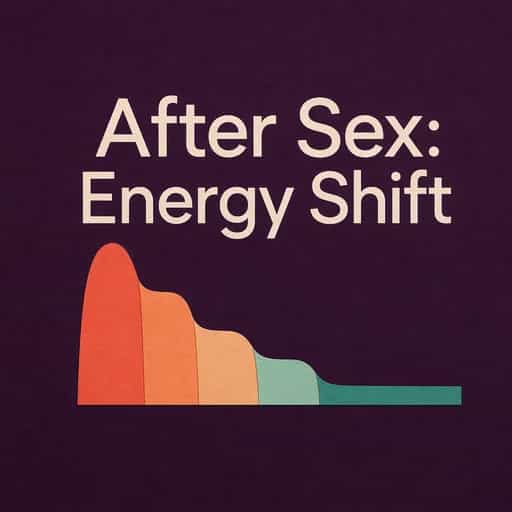
So, you just had a great time—everything was consensual, everything was "vanilla," and everything seemed perfect. But then, as the fireworks fade, you find yourself staring at the ceiling feeling an inexplicable wave of sadness, irritability, or even the urge to burst into tears. If you have ever felt this way, I have a little secret for you: you are absolutely not alone, and you are definitely not "broken." Welcome to the fascinating, slightly moody world of Post-Coital Dysphoria, or PCD. Research suggests that around 41 percent of men and nearly 46 percent of women have experienced these "post-sex blues" at least once in their lives . It is a phenomenon that happens even after perfectly satisfactory sexual activity . You might think this is something reserved for intense, high-stakes scenarios, but the data shows it is a frequent guest in the world of standard, everyday intimacy. In fact, some studies show that over 90 percent of people have experienced at least one post-sex symptom—ranging from low energy to mood swings—within a four-week period . This episode is for anyone who has ever wondered why the "afterglow" sometimes feels more like an "after-gloom." We are going to dive deep into the neurobiology of why your brain might be throwing a temper tantrum right when you should be feeling your best. We will explore how your hormones perform a high-speed disappearing act and why "aftercare"—a term often borrowed from more adventurous circles—is actually a biological necessity for everyone. By the end of this, you will understand that these feelings aren't just in your head; they are in your hormones, your attachment style, and your evolutionary history. So, let’s get into the science of why the crash happens and how we can use a little something called emotional co-regulation to smooth out the landing.