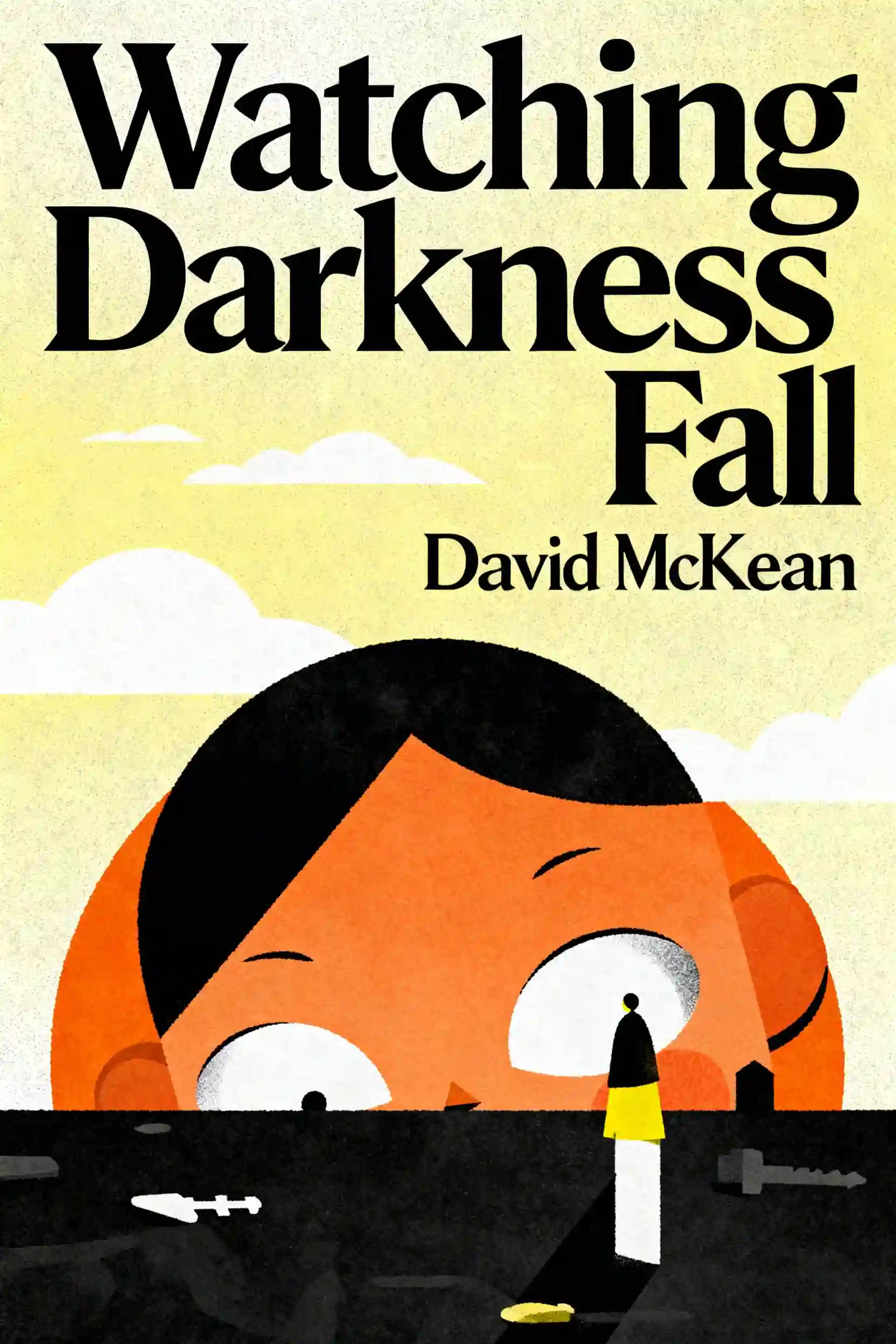
Explore the dramatic transformation of Yugoslavia from a stable Mediterranean paradise to a fractured state consumed by debt, nationalism, and conflict.
Miglior citazione da The Rise and Ruin of Yugoslavia
“
When you have an authoritarian leader like Tito who suppresses conflict rather than resolving it, you’re essentially building up a massive 'tension debt' that eventually has to be paid. And the interest on that debt is often paid in blood.
”
F
Generated by Freedee_08C6A32A
Domanda di input
History of Yugoslavia and the collapse.
Voci dei presentatori
Lena
Miles
Fonti di conoscenza
Domande frequenti
The country’s stability was heavily dependent on Tito’s personalized authority rather than robust, independent institutions. Tito acted as the "glue" of the federation, and his 1974 Constitution created a complex, rotating eight-member presidency that resulted in a power vacuum after his death. Without a strong arbiter, the federal government became paralyzed by regional vetoes, and the "Brotherhood and Unity" ideology was revealed to be a tool of state suppression rather than a genuine national identity.
Yugoslavia’s "Golden Age" was largely fueled by massive foreign debt, which reached nearly 20 billion dollars by 1981. When the easy credit dried up and the IMF imposed austerity measures, real earnings plummeted by 25 percent. This economic crisis fueled regional resentment, as wealthy republics like Slovenia and Croatia felt they were subsidizing poorer regions, while poorer areas like Kosovo saw their GDP drop significantly. This "have versus have-not" dynamic allowed nationalists to blame other ethnic groups for the economic suffering.
Milošević transitioned from a communist bureaucrat to a nationalist leader by tapping into Serbian grievances, particularly regarding the status of Serbs in Kosovo. He used a series of orchestrated protests known as the "Anti-bureaucratic revolution" to topple local governments and install allies, effectively seizing control of half the votes in the federal presidency. By using state-controlled media to spread fear and "weaponize" historical traumas from World War II, he convinced many Serbs that they were an existential target, which forced other republics to seek independence for their own protection.
International actors were often two steps behind the rapidly evolving crisis. Initially, the U.S. and the UN focused on preserving Yugoslav unity even after the state had effectively dissolved, while Germany’s early, unilateral recognition of Slovenia and Croatia disrupted a coordinated European response. Strategic interest in the region also declined following the end of the Cold War, leading to a "wait-and-see" approach. It was only after years of ethnic cleansing and the genocide at Srebrenica that NATO intervened with airstrikes to force a peace agreement.
These events marked the transition from political disagreement to armed conflict. The "Log Revolution" in 1990 involved Serbs in Croatia blocking roads with logs to create a breakaway state, signaling that ethnic minorities would resist the independence of the republics they lived in. The siege of Sarajevo, the longest in modern warfare, symbolized the total breakdown of the "mini-Yugoslavia" that was Bosnia and Herzegovina. These events demonstrated how quickly neighbors could be turned into enemies through the deliberate manipulation of fear and nationalist rhetoric.
Creato da alumni della Columbia University | a San Francisco
BeFreed Riunisce Una Community Globale Di Menti Curiose
4.7
valutazione media
Oltre 7,84 mila valutazioni dell’app
Community BeFreed
Sul serio, non ho ancora esplorato l'app fino in fondo, ma dopo questi primi giorni sono davvero colpita… BeFreed è su un altro livello rispetto a qualsiasi altra app di apprendimento che abbia usato. Ti coinvolge tantissimo e migliora davvero la concentrazione: perfetta per chi non riesce a smettere di scrollare!
@ladyInfinity
Ho comprato BeFreed esattamente 23 giorni fa e da allora l'ho usata ogni singolo giorno. Si è integrata completamente nel mio flusso di lavoro e nelle mie abitudini di studio.
@jayallen
La verità è che l'app ha superato tutte le mie aspettative. Posso chiederle di generare audio su qualunque argomento, qualsiasi esso sia, e il risultato è impressionante. Il mio campo professionale è una specializzazione in psicoterapia, molto multidisciplinare; eppure le risposte sono molto accurate.
@Raguipa
Quello che apprezzo di più è quanto abbia ridotto il mio scrolling: passo meno tempo a cercare e più tempo ad assorbire informazioni. La combinazione di audiolibri completi, podcast e piani di apprendimento è brillante.
@colonyofcreatorsNGO
Sono istruttore di apprendimento accelerato PhotoReading da 24 anni… libri, lettura e apprendimento sono il mio pane, e BeFreed ha fatto un ottimo lavoro offrendo un approccio innovativo per trasmettere le informazioni in un modo facile da assimilare.
@BeFreed user
Non è solo un'app di riassunti di libri: ho usato l'opzione di lettura divertente ed è un riassunto molto migliore, un modo più efficace di afferrare le idee rispetto al metodo tradizionale. Solo questo vale la spesa.
@austinakon
Adoro questa app. La uso da diversi giorni e non riesco a smettere di ascoltare. Un ottimo modo per iniziare.
@jcrules328
Il programma mi piace davvero; lo sto provando da circa un mese e lo trovo una vera gemma. Funziona così bene perché con BeFreed posso creare i miei argomenti, e la voce è ottima, con una scelta illimitata di narrazioni.
@DanielCZ
Sul serio, non ho ancora esplorato l'app fino in fondo, ma dopo questi primi giorni sono davvero colpita… BeFreed è su un altro livello rispetto a qualsiasi altra app di apprendimento che abbia usato. Ti coinvolge tantissimo e migliora davvero la concentrazione: perfetta per chi non riesce a smettere di scrollare!
@ladyInfinity
Ho comprato BeFreed esattamente 23 giorni fa e da allora l'ho usata ogni singolo giorno. Si è integrata completamente nel mio flusso di lavoro e nelle mie abitudini di studio.
@jayallen
La verità è che l'app ha superato tutte le mie aspettative. Posso chiederle di generare audio su qualunque argomento, qualsiasi esso sia, e il risultato è impressionante. Il mio campo professionale è una specializzazione in psicoterapia, molto multidisciplinare; eppure le risposte sono molto accurate.
@Raguipa
Quello che apprezzo di più è quanto abbia ridotto il mio scrolling: passo meno tempo a cercare e più tempo ad assorbire informazioni. La combinazione di audiolibri completi, podcast e piani di apprendimento è brillante.
@colonyofcreatorsNGO
Sono istruttore di apprendimento accelerato PhotoReading da 24 anni… libri, lettura e apprendimento sono il mio pane, e BeFreed ha fatto un ottimo lavoro offrendo un approccio innovativo per trasmettere le informazioni in un modo facile da assimilare.
@BeFreed user
Non è solo un'app di riassunti di libri: ho usato l'opzione di lettura divertente ed è un riassunto molto migliore, un modo più efficace di afferrare le idee rispetto al metodo tradizionale. Solo questo vale la spesa.
@austinakon
Adoro questa app. La uso da diversi giorni e non riesco a smettere di ascoltare. Un ottimo modo per iniziare.
@jcrules328
Il programma mi piace davvero; lo sto provando da circa un mese e lo trovo una vera gemma. Funziona così bene perché con BeFreed posso creare i miei argomenti, e la voce è ottima, con una scelta illimitata di narrazioni.
@DanielCZ
Adoro poter ricevere informazioni e idee utili e condensate in un audio in stile podcast da 8-15 minuti. Non sono un grande fan dei podcast per via di tutto il riempitivo, ma qui si va dritti al punto.
@BeFreed user
Sto finendo il dottorato e devo leggere un sacco di materiale che non conosco… Con BeFreed basta inserire un prompt: l'app trova le fonti per te e genera un podcast audio. Trovo il processo di BeFreed più scorrevole di NotebookLM.
@Brad
Cerco spesso su YouTube qualcosa da ascoltare mentre preparo la colazione, cammino o sono in viaggio, e BeFreed offre un approccio ancora più mirato, senza pubblicità e senza riempitivi!
@BeFreed user
La cosa in assoluto migliore di questa piattaforma è la versatilità. Non c'è letteralmente nessun argomento fuori portata. Gestisce qualsiasi cosa le proponi… È raro trovare uno strumento di apprendimento senza limiti che mantenga davvero le promesse.
@jayallen
BeFreed è fantastica. Il design intuitivo mi fa passare meno tempo a navigare e più tempo a imparare. Il mix di audiolibri, podcast e piani di apprendimento è una combinazione geniale che ha cambiato completamente la mia routine quotidiana.
@BeFreed user
All'inizio mi ci è voluto un po' per capire come creare podcast in italiano e poi… boom! È fantastico! Posso chiedergli di spiegarmi qualsiasi argomento e lo fa benissimo, con grande intelligenza!
@matteo77
BeFreed è diventata la mia app quotidiana per gli audiolibri… Quello che mi piace di più è che inserisci il tuo testo e ottieni un audio da ascoltare ovunque.
@kotanzu1
Adoro poter ricevere informazioni e idee utili e condensate in un audio in stile podcast da 8-15 minuti. Non sono un grande fan dei podcast per via di tutto il riempitivo, ma qui si va dritti al punto.
@BeFreed user
Sto finendo il dottorato e devo leggere un sacco di materiale che non conosco… Con BeFreed basta inserire un prompt: l'app trova le fonti per te e genera un podcast audio. Trovo il processo di BeFreed più scorrevole di NotebookLM.
@Brad
Cerco spesso su YouTube qualcosa da ascoltare mentre preparo la colazione, cammino o sono in viaggio, e BeFreed offre un approccio ancora più mirato, senza pubblicità e senza riempitivi!
@BeFreed user
La cosa in assoluto migliore di questa piattaforma è la versatilità. Non c'è letteralmente nessun argomento fuori portata. Gestisce qualsiasi cosa le proponi… È raro trovare uno strumento di apprendimento senza limiti che mantenga davvero le promesse.
@jayallen
BeFreed è fantastica. Il design intuitivo mi fa passare meno tempo a navigare e più tempo a imparare. Il mix di audiolibri, podcast e piani di apprendimento è una combinazione geniale che ha cambiato completamente la mia routine quotidiana.
@BeFreed user
All'inizio mi ci è voluto un po' per capire come creare podcast in italiano e poi… boom! È fantastico! Posso chiedergli di spiegarmi qualsiasi argomento e lo fa benissimo, con grande intelligenza!
@matteo77
BeFreed è diventata la mia app quotidiana per gli audiolibri… Quello che mi piace di più è che inserisci il tuo testo e ottieni un audio da ascoltare ovunque.
Explore Argentina's dramatic fall from being one of the world's wealthiest nations to facing chronic economic instability, shaped by political polarization, military coups, and competing visions for the country's future.
From a tragic assault that sparked revolution to Caesar's rise to power, explore how Rome's radical experiment in elected leadership shaped 500 years of history and influences democracy today.
Explore how a small Italian city-state became history's greatest empire, from Augustus's political genius to environmental collapse. Discover timeless lessons about power, leadership, and civilization's fragility.
Journey through 1,200 years of Roman history from legendary founding to imperial collapse. Explore epic battles, colorful emperors, environmental catastrophes, and timeless lessons about power, resilience, and civilization.