Why Do I Avoid Big Problems? Understanding Avoidance and Distraction
Explore why we use avoidance behavior and distraction as coping mechanisms when facing big life problems. Learn the psychology behind emotional avoidance today.

Miglior citazione da Why Do I Avoid Big Problems? Understanding Avoidance and Distraction
Facing discomfort isn’t just brave—it’s how the brain learns safety. Every time you face a small piece of a problem, you prove to your nervous system that you are capable of handling the challenge.
Generated by Bri
Why do I avoid and distract myself when faced with dealing with big problems in life






Domande frequenti
Avoidance behavior is a psychological response where an individual steers clear of difficult tasks or emotions to reduce immediate stress. When dealing with big problems, our brains often prioritize short-term relief over long-term solutions. This mechanism helps us bypass the discomfort of anxiety or fear, though it often leads to the problem growing larger over time. Understanding this pattern is the first step toward facing life challenges more effectively.
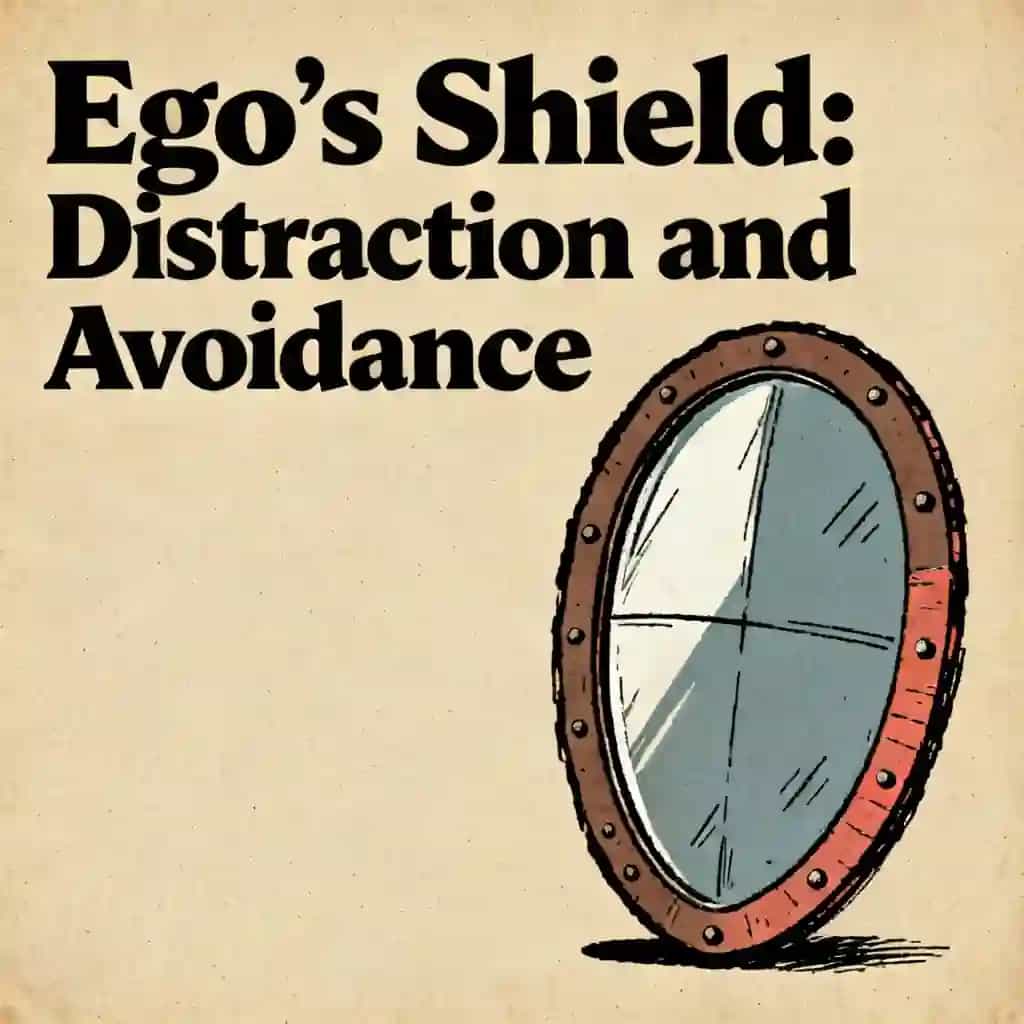
Distraction as a coping mechanism serves as a temporary shield against overwhelming emotions or complex situations. By focusing on low-stakes activities, such as social media or minor chores, we create a mental buffer that protects us from the weight of significant life decisions. While it provides a brief moment of peace, the psychology of distraction suggests that over-reliance on this tactic can prevent us from developing the resilience needed to resolve core issues.
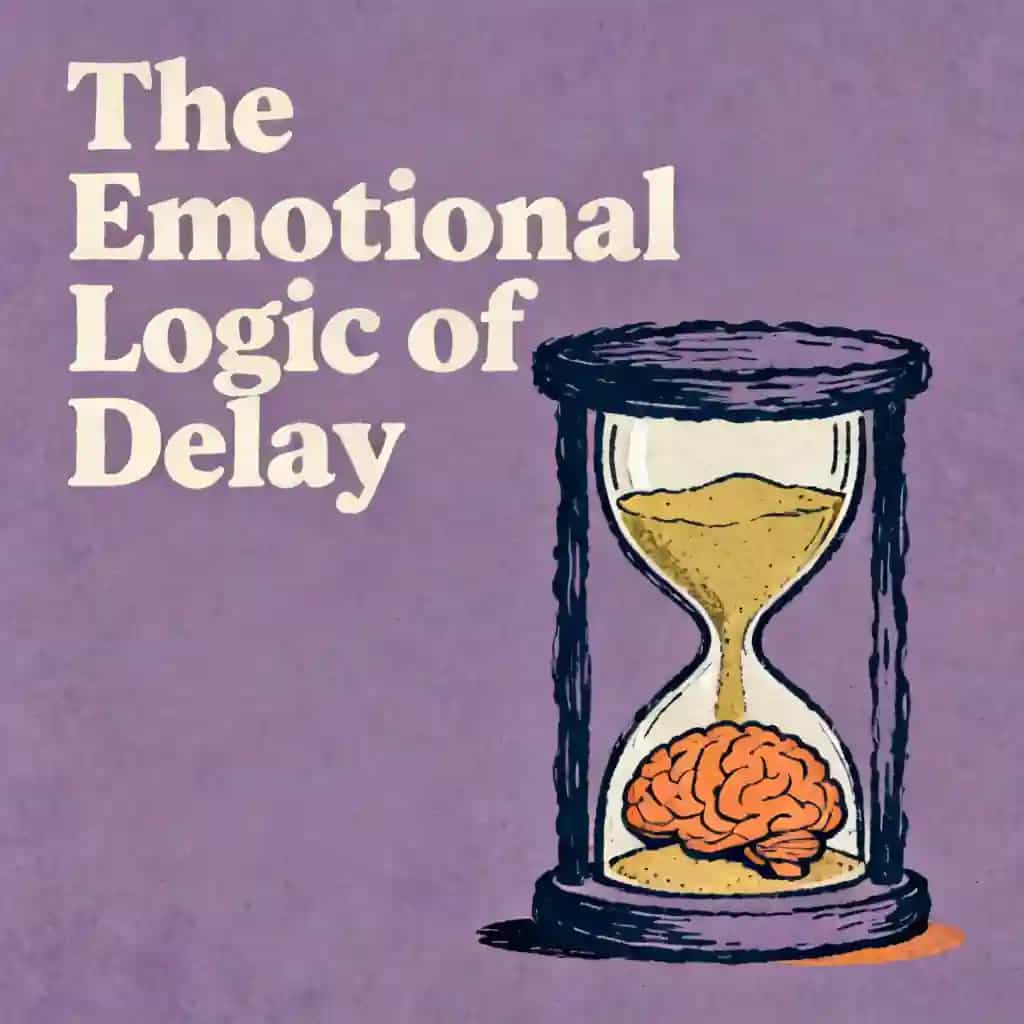
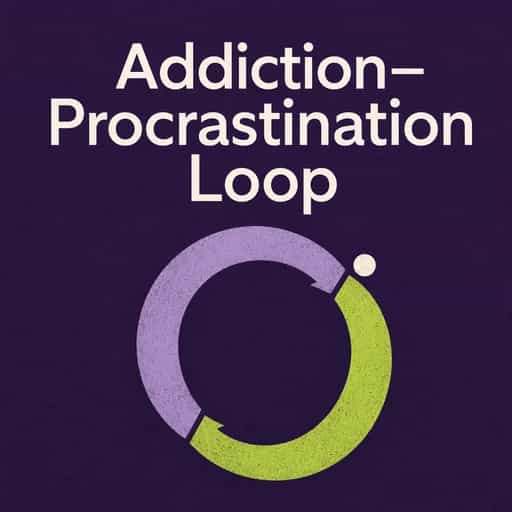
Procrastination and anxiety are deeply intertwined, often forming a cycle of emotional avoidance. When a task feels too big or threatening, the resulting anxiety triggers a desire to escape, leading to procrastination. This delay provides temporary relief, but as deadlines approach or problems persist, the anxiety intensifies, making the original challenge feel even more daunting. Breaking this cycle requires addressing the underlying emotional triggers rather than just focusing on time management.
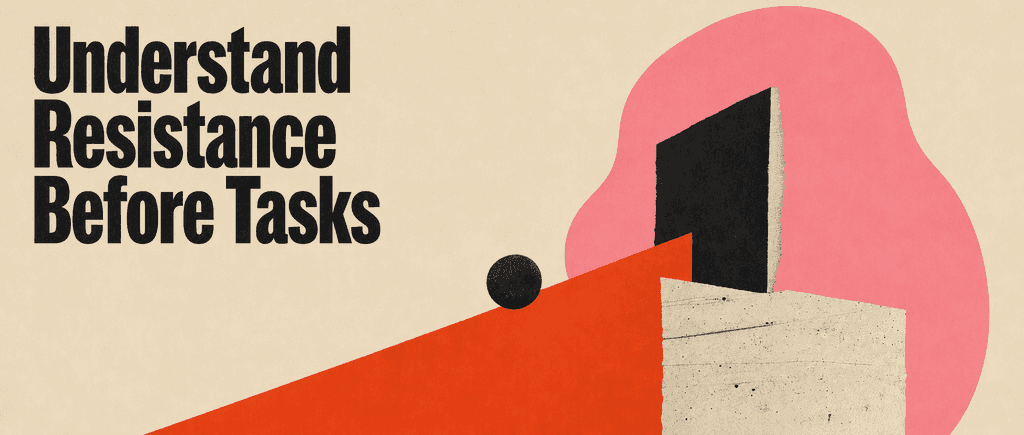
Facing life challenges begins with recognizing the signs of emotional avoidance and acknowledging the fear associated with big problems. Instead of viewing a challenge as one insurmountable obstacle, try breaking it down into smaller, manageable steps to reduce the impulse to distract yourself. By gradually exposing yourself to the discomfort and practicing mindful engagement, you can shift from a defensive posture of avoidance to a proactive approach to problem-solving.
Creato da alumni della Columbia University a San Francisco
"Instead of endless scrolling, I just hit play on BeFreed. It saves me so much time."


"I never knew where to start with nonfiction—BeFreed’s book lists turned into podcasts gave me a clear path."


"Perfect balance between learning and entertainment. Finished ‘Thinking, Fast and Slow’ on my commute this week."
"Crazy how much I learned while walking the dog. BeFreed = small habits → big gains."
"Reading used to feel like a chore. Now it’s just part of my lifestyle."

"Feels effortless compared to reading. I’ve finished 6 books this month already."
"BeFreed turned my guilty doomscrolling into something that feels productive and inspiring."

"BeFreed turned my commute into learning time. 20-min podcasts are perfect for finishing books I never had time for."
"BeFreed replaced my podcast queue. Imagine Spotify for books — that’s it. 🙌"

"It is great for me to learn something from the book without reading it."
"The themed book list podcasts help me connect ideas across authors—like a guided audio journey."
"Makes me feel smarter every time before going to work"
Creato da alumni della Columbia University a San Francisco
"Instead of endless scrolling, I just hit play on BeFreed. It saves me so much time."
"I never knew where to start with nonfiction—BeFreed’s book lists turned into podcasts gave me a clear path."
"Perfect balance between learning and entertainment. Finished ‘Thinking, Fast and Slow’ on my commute this week."
"Crazy how much I learned while walking the dog. BeFreed = small habits → big gains."
"Reading used to feel like a chore. Now it’s just part of my lifestyle."
"Feels effortless compared to reading. I’ve finished 6 books this month already."
"BeFreed turned my guilty doomscrolling into something that feels productive and inspiring."
"BeFreed turned my commute into learning time. 20-min podcasts are perfect for finishing books I never had time for."
"BeFreed replaced my podcast queue. Imagine Spotify for books — that’s it. 🙌"
"It is great for me to learn something from the book without reading it."
"The themed book list podcasts help me connect ideas across authors—like a guided audio journey."
"Makes me feel smarter every time before going to work"
"Instead of endless scrolling, I just hit play on BeFreed. It saves me so much time."
"I never knew where to start with nonfiction—BeFreed’s book lists turned into podcasts gave me a clear path."
"Perfect balance between learning and entertainment. Finished ‘Thinking, Fast and Slow’ on my commute this week."
"Crazy how much I learned while walking the dog. BeFreed = small habits → big gains."
"Reading used to feel like a chore. Now it’s just part of my lifestyle."
"Feels effortless compared to reading. I’ve finished 6 books this month already."
"BeFreed turned my guilty doomscrolling into something that feels productive and inspiring."
"BeFreed turned my commute into learning time. 20-min podcasts are perfect for finishing books I never had time for."
"BeFreed replaced my podcast queue. Imagine Spotify for books — that’s it. 🙌"
"It is great for me to learn something from the book without reading it."
"The themed book list podcasts help me connect ideas across authors—like a guided audio journey."
"Makes me feel smarter every time before going to work"
"Instead of endless scrolling, I just hit play on BeFreed. It saves me so much time."
"I never knew where to start with nonfiction—BeFreed’s book lists turned into podcasts gave me a clear path."
"Perfect balance between learning and entertainment. Finished ‘Thinking, Fast and Slow’ on my commute this week."
"Crazy how much I learned while walking the dog. BeFreed = small habits → big gains."
"Reading used to feel like a chore. Now it’s just part of my lifestyle."
"Feels effortless compared to reading. I’ve finished 6 books this month already."
"BeFreed turned my guilty doomscrolling into something that feels productive and inspiring."
"BeFreed turned my commute into learning time. 20-min podcasts are perfect for finishing books I never had time for."
"BeFreed replaced my podcast queue. Imagine Spotify for books — that’s it. 🙌"
"It is great for me to learn something from the book without reading it."
"The themed book list podcasts help me connect ideas across authors—like a guided audio journey."
"Makes me feel smarter every time before going to work"