The Productivity Paradox: Why Over-Planning Lowers Efficiency
Explore the productivity paradox and learn why over-planning can lead to a 30% drop in efficiency. Discover how dopamine tricks us into feeling productive.

Miglior citazione da The Productivity Paradox: Why Over-Planning Lowers Efficiency
Plans should serve you; you shouldn't serve your plans. If a system makes you feel guilty more often than it makes you feel capable, it’s a bad system—no matter how many productivity gurus recommend it.
Generated by Shakti
i was obsessed with having a plan for everything. it quietly broke me






Domande frequenti
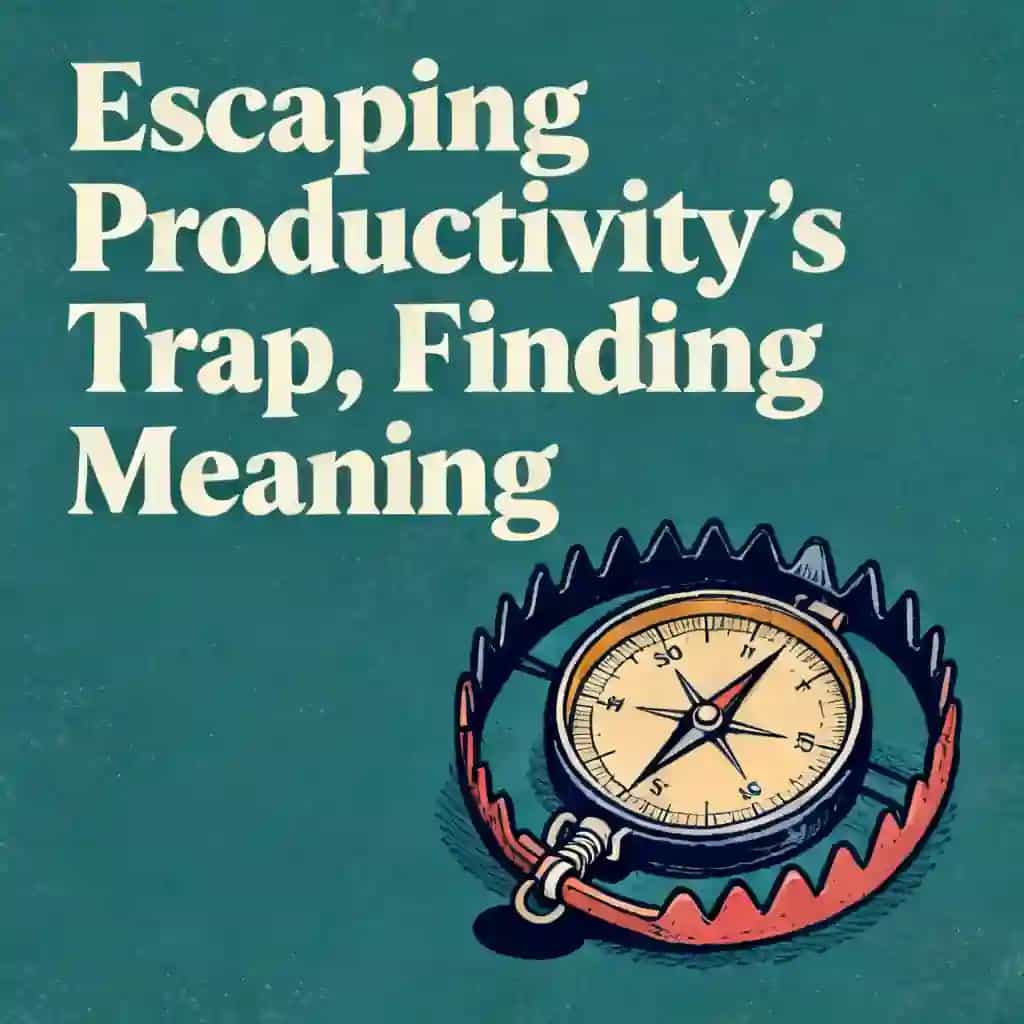
The productivity paradox refers to the phenomenon where excessive planning and organization actually lead to a decrease in efficiency. While many believe that time-blocking and color-coded systems are the keys to success, research from the Harvard Business Review suggests that over-planning can result in a thirty percent drop in the number of tasks actually completed. Instead of helping you finish work, these complex systems can become a barrier to execution.
According to research cited by the Harvard Business Review, over-planning can lead to a significant thirty percent decrease in task completion. While we are often taught that getting organized is the antidote to chaos, spending too much time mapping out every detail of a digital planner or spreadsheet can actually slow down the execution process. This suggests that the more time you spend planning, the less time you have to actually be productive.
Using a digital planner or tweaking a spreadsheet feels productive because our brains release a hit of dopamine during the process. This chemical response tricks us into feeling like we are making progress, even if we haven't actually finished any real work. This dopamine hit makes it difficult to stop over-planning, as the act of organizing becomes a rewarding substitute for the actual tasks we need to accomplish.
While time-blocking and multi-platform systems look impressive from the outside, they can quietly break the person using them. Many people find that having a rigid plan for every aspect of their existence doesn't lead to success, but rather to feeling overwhelmed. When the system becomes more important than the work itself, it contributes to the productivity paradox, where the effort spent on organization outweighs the benefits of the actual output.
Creato da alumni della Columbia University a San Francisco
"Instead of endless scrolling, I just hit play on BeFreed. It saves me so much time."


"I never knew where to start with nonfiction—BeFreed’s book lists turned into podcasts gave me a clear path."


"Perfect balance between learning and entertainment. Finished ‘Thinking, Fast and Slow’ on my commute this week."
"Crazy how much I learned while walking the dog. BeFreed = small habits → big gains."
"Reading used to feel like a chore. Now it’s just part of my lifestyle."

"Feels effortless compared to reading. I’ve finished 6 books this month already."
"BeFreed turned my guilty doomscrolling into something that feels productive and inspiring."

"BeFreed turned my commute into learning time. 20-min podcasts are perfect for finishing books I never had time for."
"BeFreed replaced my podcast queue. Imagine Spotify for books — that’s it. 🙌"

"It is great for me to learn something from the book without reading it."
"The themed book list podcasts help me connect ideas across authors—like a guided audio journey."
"Makes me feel smarter every time before going to work"
Creato da alumni della Columbia University a San Francisco
"Instead of endless scrolling, I just hit play on BeFreed. It saves me so much time."
"I never knew where to start with nonfiction—BeFreed’s book lists turned into podcasts gave me a clear path."
"Perfect balance between learning and entertainment. Finished ‘Thinking, Fast and Slow’ on my commute this week."
"Crazy how much I learned while walking the dog. BeFreed = small habits → big gains."
"Reading used to feel like a chore. Now it’s just part of my lifestyle."
"Feels effortless compared to reading. I’ve finished 6 books this month already."
"BeFreed turned my guilty doomscrolling into something that feels productive and inspiring."
"BeFreed turned my commute into learning time. 20-min podcasts are perfect for finishing books I never had time for."
"BeFreed replaced my podcast queue. Imagine Spotify for books — that’s it. 🙌"
"It is great for me to learn something from the book without reading it."
"The themed book list podcasts help me connect ideas across authors—like a guided audio journey."
"Makes me feel smarter every time before going to work"
"Instead of endless scrolling, I just hit play on BeFreed. It saves me so much time."
"I never knew where to start with nonfiction—BeFreed’s book lists turned into podcasts gave me a clear path."
"Perfect balance between learning and entertainment. Finished ‘Thinking, Fast and Slow’ on my commute this week."
"Crazy how much I learned while walking the dog. BeFreed = small habits → big gains."
"Reading used to feel like a chore. Now it’s just part of my lifestyle."
"Feels effortless compared to reading. I’ve finished 6 books this month already."
"BeFreed turned my guilty doomscrolling into something that feels productive and inspiring."
"BeFreed turned my commute into learning time. 20-min podcasts are perfect for finishing books I never had time for."
"BeFreed replaced my podcast queue. Imagine Spotify for books — that’s it. 🙌"
"It is great for me to learn something from the book without reading it."
"The themed book list podcasts help me connect ideas across authors—like a guided audio journey."
"Makes me feel smarter every time before going to work"
"Instead of endless scrolling, I just hit play on BeFreed. It saves me so much time."
"I never knew where to start with nonfiction—BeFreed’s book lists turned into podcasts gave me a clear path."
"Perfect balance between learning and entertainment. Finished ‘Thinking, Fast and Slow’ on my commute this week."
"Crazy how much I learned while walking the dog. BeFreed = small habits → big gains."
"Reading used to feel like a chore. Now it’s just part of my lifestyle."
"Feels effortless compared to reading. I’ve finished 6 books this month already."
"BeFreed turned my guilty doomscrolling into something that feels productive and inspiring."
"BeFreed turned my commute into learning time. 20-min podcasts are perfect for finishing books I never had time for."
"BeFreed replaced my podcast queue. Imagine Spotify for books — that’s it. 🙌"
"It is great for me to learn something from the book without reading it."
"The themed book list podcasts help me connect ideas across authors—like a guided audio journey."
"Makes me feel smarter every time before going to work"