The Infinite Task Surface vs. Finite You
Why leftover tasks are math, not failure. Exploring how chronic illness reveals structural limits we all face, using frameworks from Burkeman, McKeown, and others to redefine productivity as conscious choice under constraint rather than endless optimization.

Miglior citazione da The Infinite Task Surface vs. Finite You
The world generates more demands than any human can possibly meet. Leftover tasks aren't a sign of failure—they're just evidence that you're living in a world with infinite possibilities and finite time.
Generated by Jerry
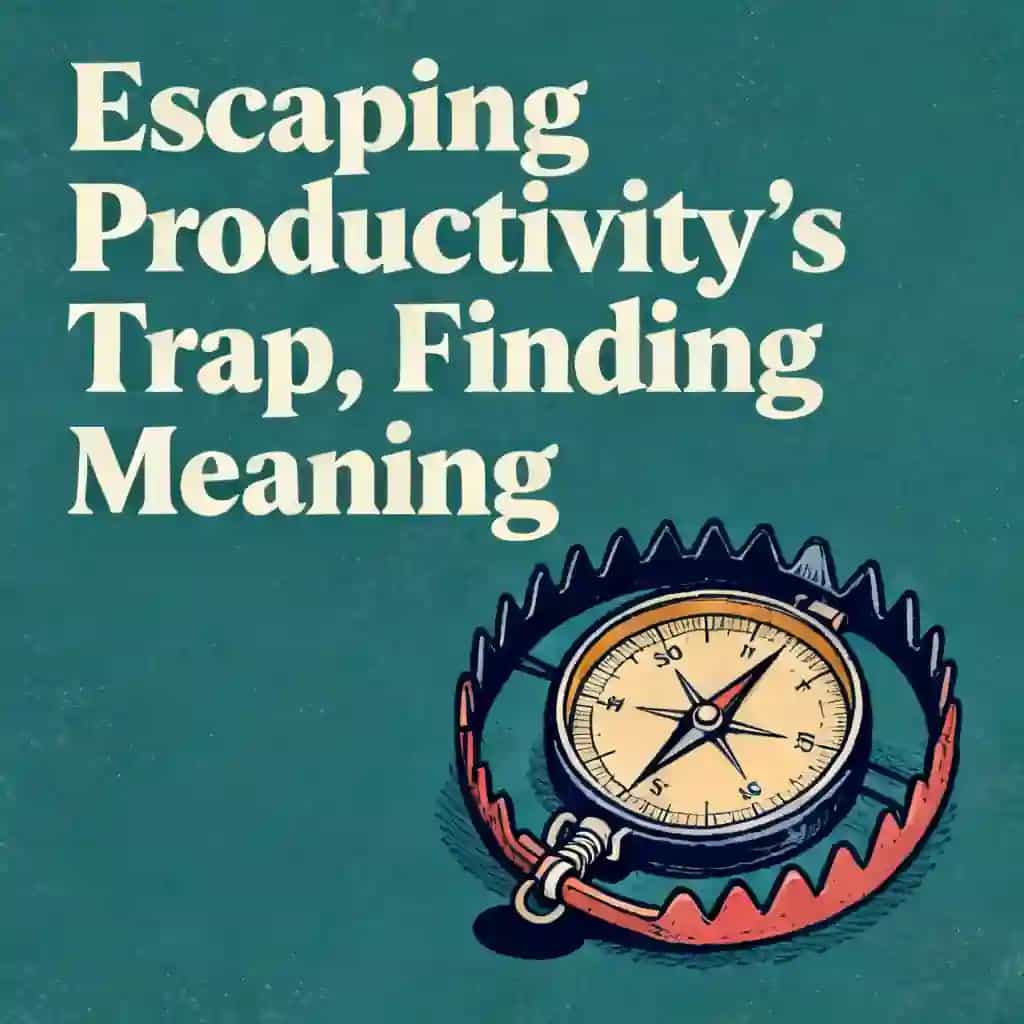
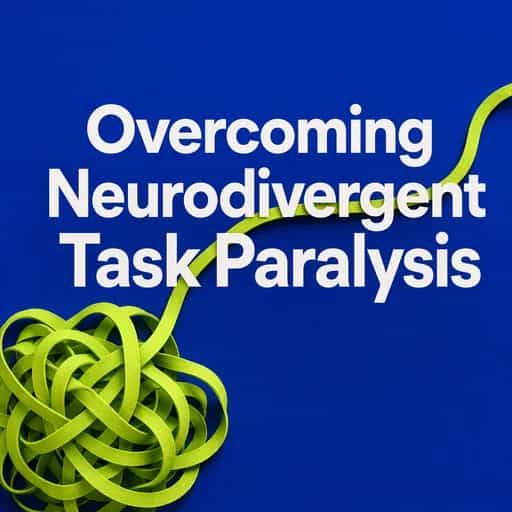
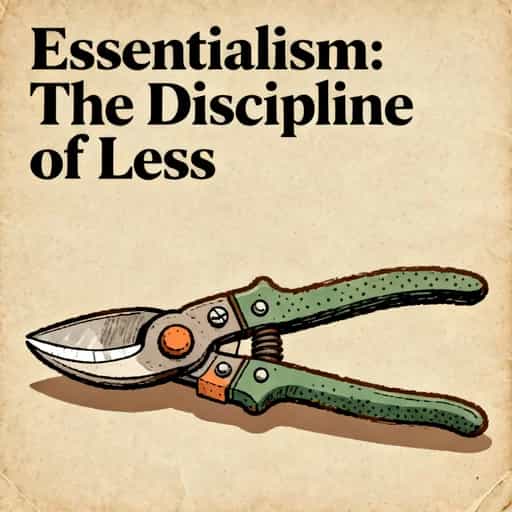
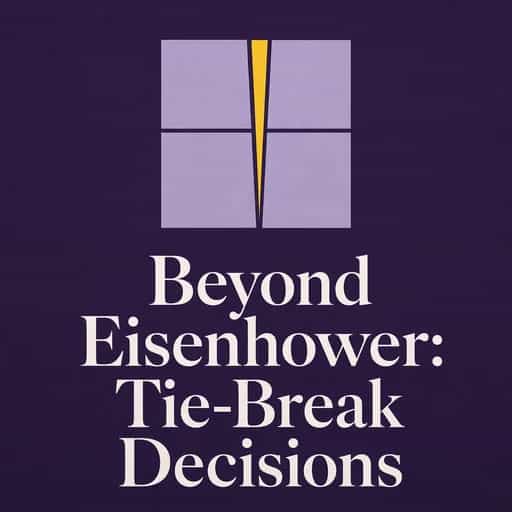
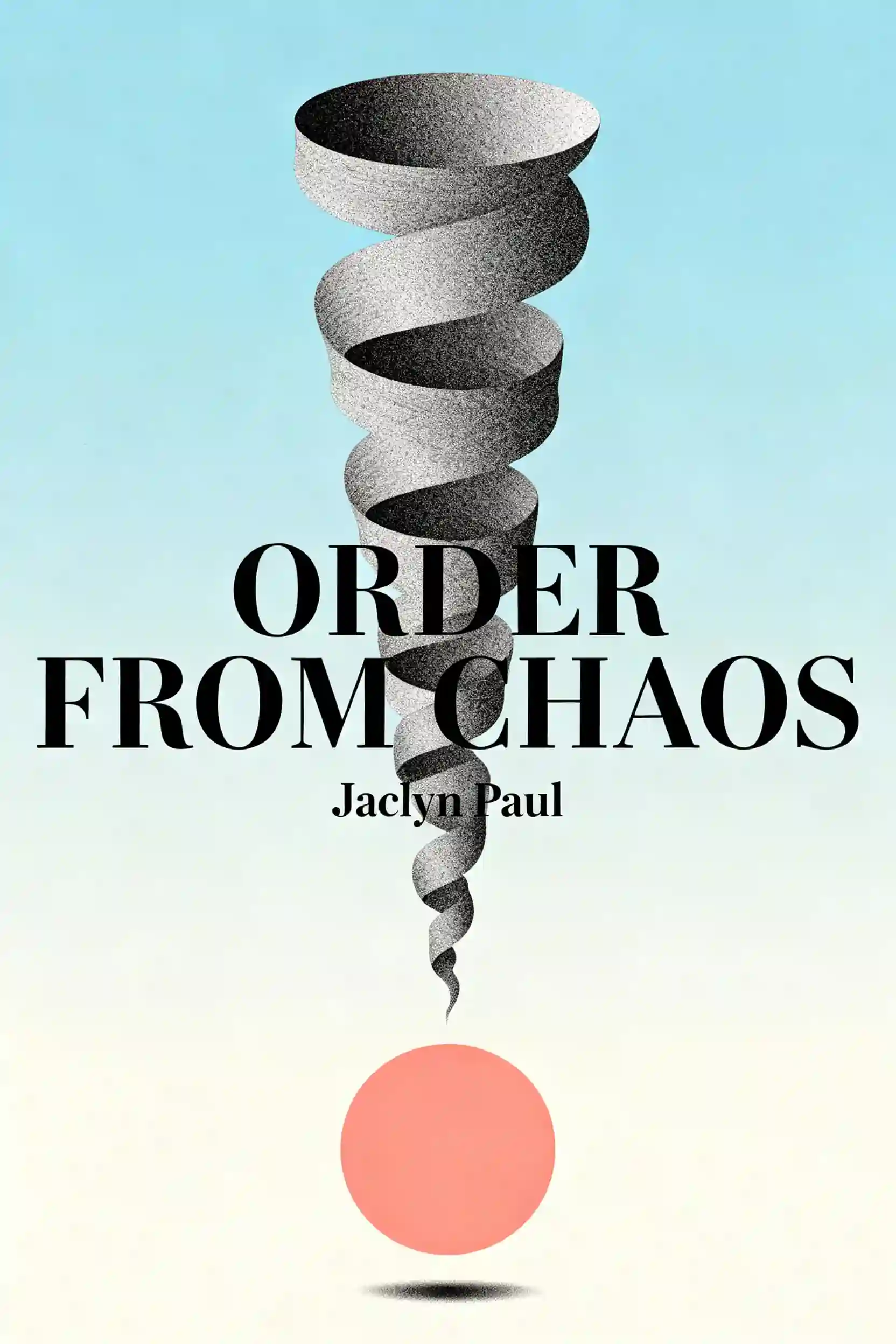
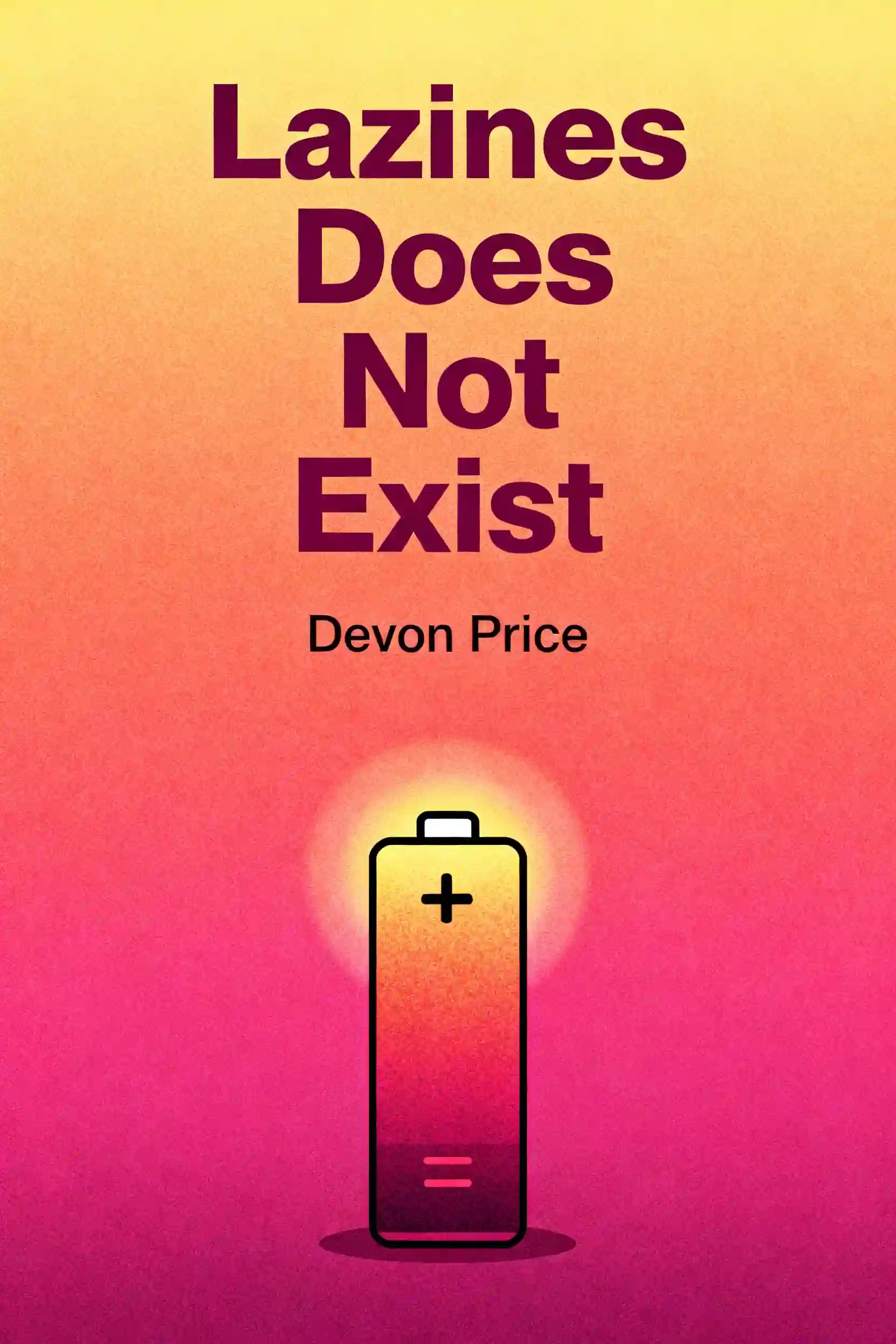
the mismatch between an infinite task-surface and a finite organism, treating chronic illness as a structural constraint rather than a motivational problem. The episode will explore how to choose what deserves to survive contact with limited energy, attention, and time, examining why month-end leftover tasks are a predictable output of modern abundance rather than personal failure. It will use Essentialism by Greg McKeown to define selection as the primary productivity act, treating energy as a hard budget and boundaries as ethical commitments to future functioning. It will explore Zen to Done by Leo Babauta as a behavioral framework for lowering cognitive friction and reducing self-recrimination through lightweight systems that survive bad days. It will use Find the Good to shift productivity from accumulation to significance, Four Thousand Weeks by Oliver Burkeman to puncture the implicit belief that a sufficiently perfect system yields eventual completion, Slow Productivity by Cal Newport to frame quality, pacing, and seasonal intensity as counterpoints to hustle logic, and How to Keep House While Drowning by KC Davis to sever the moral link between performance and worth. The episode will stage these books as rival frameworks answering different questions, surface their alignments and tensions, debate whether "essential" is primarily a moral choice, a logistical necessity, or a meaning-making practice, and synthesize them into a grounded model that treats leftover tasks as an expected remainder, defining success as clarity, sustainability, and meaning under constraint, where productivity becomes the practice of choosing and sustaining what matters without pretending the world's demands are negotiable.






Creato da alumni della Columbia University a San Francisco
"Instead of endless scrolling, I just hit play on BeFreed. It saves me so much time."


"I never knew where to start with nonfiction—BeFreed’s book lists turned into podcasts gave me a clear path."


"Perfect balance between learning and entertainment. Finished ‘Thinking, Fast and Slow’ on my commute this week."
"Crazy how much I learned while walking the dog. BeFreed = small habits → big gains."
"Reading used to feel like a chore. Now it’s just part of my lifestyle."

"Feels effortless compared to reading. I’ve finished 6 books this month already."
"BeFreed turned my guilty doomscrolling into something that feels productive and inspiring."

"BeFreed turned my commute into learning time. 20-min podcasts are perfect for finishing books I never had time for."
"BeFreed replaced my podcast queue. Imagine Spotify for books — that’s it. 🙌"

"It is great for me to learn something from the book without reading it."
"The themed book list podcasts help me connect ideas across authors—like a guided audio journey."
"Makes me feel smarter every time before going to work"
Creato da alumni della Columbia University a San Francisco
"Instead of endless scrolling, I just hit play on BeFreed. It saves me so much time."
"I never knew where to start with nonfiction—BeFreed’s book lists turned into podcasts gave me a clear path."
"Perfect balance between learning and entertainment. Finished ‘Thinking, Fast and Slow’ on my commute this week."
"Crazy how much I learned while walking the dog. BeFreed = small habits → big gains."
"Reading used to feel like a chore. Now it’s just part of my lifestyle."
"Feels effortless compared to reading. I’ve finished 6 books this month already."
"BeFreed turned my guilty doomscrolling into something that feels productive and inspiring."
"BeFreed turned my commute into learning time. 20-min podcasts are perfect for finishing books I never had time for."
"BeFreed replaced my podcast queue. Imagine Spotify for books — that’s it. 🙌"
"It is great for me to learn something from the book without reading it."
"The themed book list podcasts help me connect ideas across authors—like a guided audio journey."
"Makes me feel smarter every time before going to work"
"Instead of endless scrolling, I just hit play on BeFreed. It saves me so much time."
"I never knew where to start with nonfiction—BeFreed’s book lists turned into podcasts gave me a clear path."
"Perfect balance between learning and entertainment. Finished ‘Thinking, Fast and Slow’ on my commute this week."
"Crazy how much I learned while walking the dog. BeFreed = small habits → big gains."
"Reading used to feel like a chore. Now it’s just part of my lifestyle."
"Feels effortless compared to reading. I’ve finished 6 books this month already."
"BeFreed turned my guilty doomscrolling into something that feels productive and inspiring."
"BeFreed turned my commute into learning time. 20-min podcasts are perfect for finishing books I never had time for."
"BeFreed replaced my podcast queue. Imagine Spotify for books — that’s it. 🙌"
"It is great for me to learn something from the book without reading it."
"The themed book list podcasts help me connect ideas across authors—like a guided audio journey."
"Makes me feel smarter every time before going to work"
"Instead of endless scrolling, I just hit play on BeFreed. It saves me so much time."
"I never knew where to start with nonfiction—BeFreed’s book lists turned into podcasts gave me a clear path."
"Perfect balance between learning and entertainment. Finished ‘Thinking, Fast and Slow’ on my commute this week."
"Crazy how much I learned while walking the dog. BeFreed = small habits → big gains."
"Reading used to feel like a chore. Now it’s just part of my lifestyle."
"Feels effortless compared to reading. I’ve finished 6 books this month already."
"BeFreed turned my guilty doomscrolling into something that feels productive and inspiring."
"BeFreed turned my commute into learning time. 20-min podcasts are perfect for finishing books I never had time for."
"BeFreed replaced my podcast queue. Imagine Spotify for books — that’s it. 🙌"
"It is great for me to learn something from the book without reading it."
"The themed book list podcasts help me connect ideas across authors—like a guided audio journey."
"Makes me feel smarter every time before going to work"