Is Motivation a Scam? The Truth About Discipline and Consistency
Explore the psychology of motivation vs discipline. Learn why self-improvement content often fails and discover realistic truths about building consistency.

Miglior citazione da Is Motivation a Scam? The Truth About Discipline and Consistency
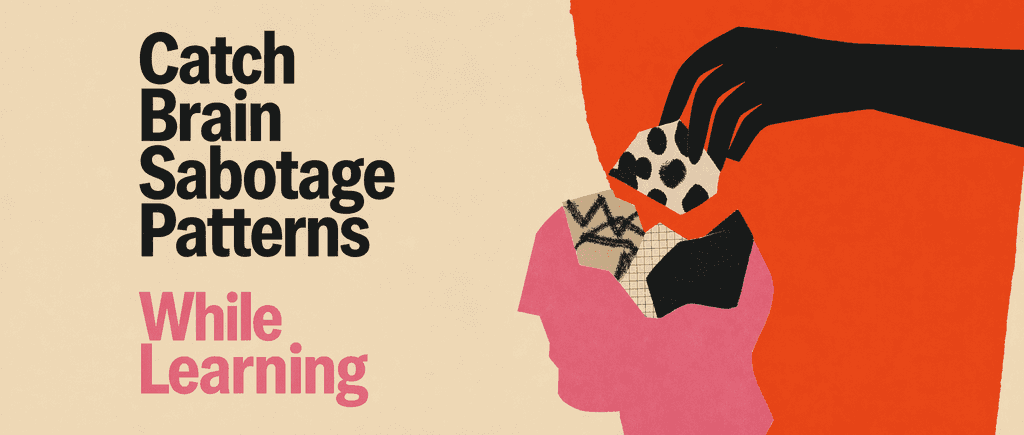
These individuals aren't necessarily avoiding work; they have simply mistaken the act of learning for the act of changing. It is a phenomenon where the intake of information masquerades as real-world transformation, creating a loop of consumption that leaves your life exactly where it started.
Generated by Harsh
Is motivation actually a scam? Why do people fail even after watching self-improvement content, and what brutally honest truths about discipline and consistency do people avoid? Break down the psychology and give realistic (not idealistic) advice






Domande frequenti
Motivation is often viewed as a scam because it is a fleeting emotional state rather than a reliable strategy for long-term success. Many people rely on the temporary 'high' from self-improvement content, which inevitably fades when tasks become difficult. True progress is grounded in behavioral psychology and the understanding that waiting for the right feeling is a recipe for failure. Relying on discipline ensures that you take action regardless of your current emotional state.
The primary difference between motivation vs discipline lies in reliability. Motivation is an internal spark or desire that fluctuates based on external factors, while discipline is the practiced ability to follow through on a commitment despite how you feel. Behavioral psychology suggests that while motivation might get you started, only discipline and consistency allow for habit formation. Realistic advice focuses on building systems that function even when your initial enthusiasm has completely disappeared.
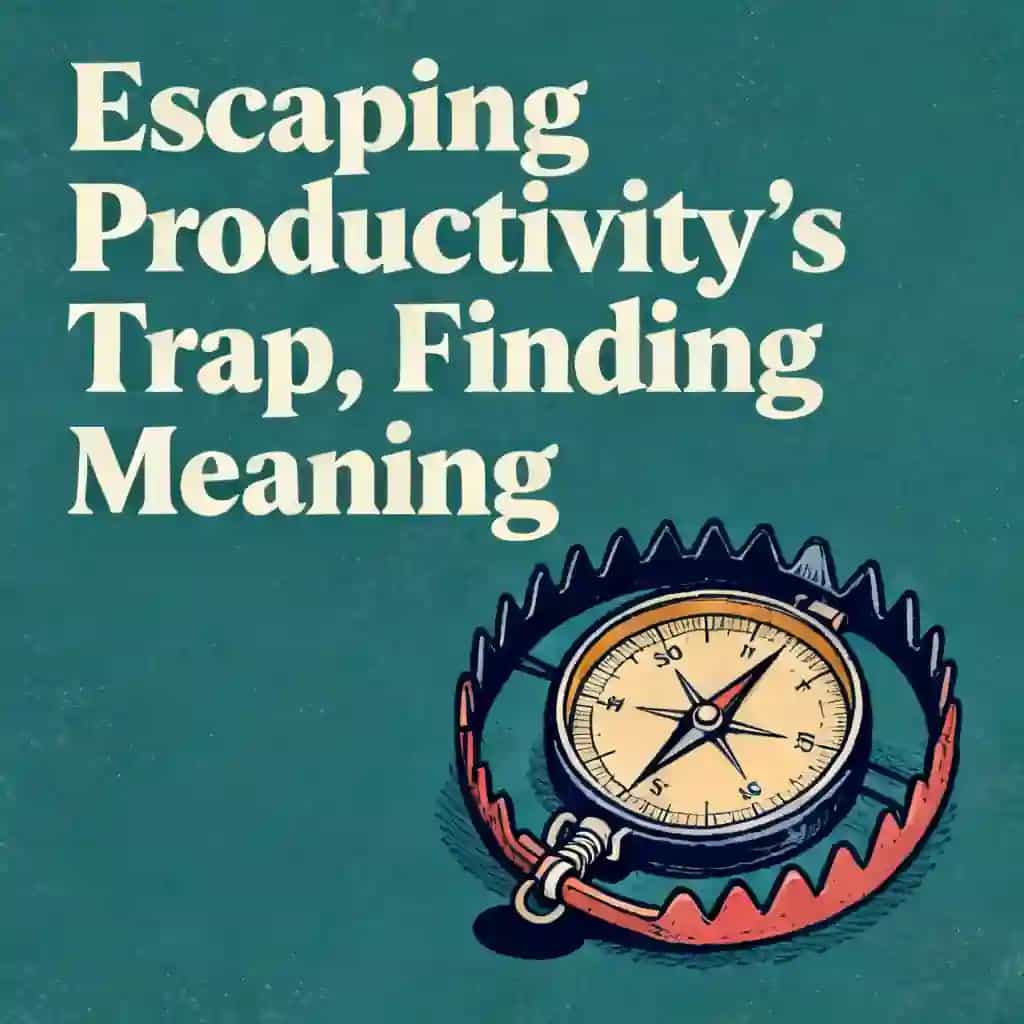
Failure often occurs because consuming self-improvement content provides a false sense of accomplishment known as 'passive learning.' This creates a dopamine hit that mimics progress without requiring actual effort. The psychology of failure in this context is linked to the gap between idealistic advice and the brutal reality of daily execution. To succeed, individuals must move past the consumption phase and apply consistency truths, such as embracing boredom and managing resistance during the pursuit of their goals.
One of the most vital consistency truths is that progress is rarely linear and often feels unrewarding in the short term. Realistic advice dictates that you must prepare for the 'dip' where excitement vanishes and only the work remains. Understanding the relationship between discipline and consistency means accepting that showing up on your worst days is more impactful than over-performing on your best days. Success is built on the mundane repetition of habits rather than grand, motivated gestures.
Creato da alumni della Columbia University a San Francisco
"Instead of endless scrolling, I just hit play on BeFreed. It saves me so much time."


"I never knew where to start with nonfiction—BeFreed’s book lists turned into podcasts gave me a clear path."


"Perfect balance between learning and entertainment. Finished ‘Thinking, Fast and Slow’ on my commute this week."
"Crazy how much I learned while walking the dog. BeFreed = small habits → big gains."
"Reading used to feel like a chore. Now it’s just part of my lifestyle."

"Feels effortless compared to reading. I’ve finished 6 books this month already."
"BeFreed turned my guilty doomscrolling into something that feels productive and inspiring."

"BeFreed turned my commute into learning time. 20-min podcasts are perfect for finishing books I never had time for."
"BeFreed replaced my podcast queue. Imagine Spotify for books — that’s it. 🙌"

"It is great for me to learn something from the book without reading it."
"The themed book list podcasts help me connect ideas across authors—like a guided audio journey."
"Makes me feel smarter every time before going to work"
Creato da alumni della Columbia University a San Francisco
"Instead of endless scrolling, I just hit play on BeFreed. It saves me so much time."
"I never knew where to start with nonfiction—BeFreed’s book lists turned into podcasts gave me a clear path."
"Perfect balance between learning and entertainment. Finished ‘Thinking, Fast and Slow’ on my commute this week."
"Crazy how much I learned while walking the dog. BeFreed = small habits → big gains."
"Reading used to feel like a chore. Now it’s just part of my lifestyle."
"Feels effortless compared to reading. I’ve finished 6 books this month already."
"BeFreed turned my guilty doomscrolling into something that feels productive and inspiring."
"BeFreed turned my commute into learning time. 20-min podcasts are perfect for finishing books I never had time for."
"BeFreed replaced my podcast queue. Imagine Spotify for books — that’s it. 🙌"
"It is great for me to learn something from the book without reading it."
"The themed book list podcasts help me connect ideas across authors—like a guided audio journey."
"Makes me feel smarter every time before going to work"
"Instead of endless scrolling, I just hit play on BeFreed. It saves me so much time."
"I never knew where to start with nonfiction—BeFreed’s book lists turned into podcasts gave me a clear path."
"Perfect balance between learning and entertainment. Finished ‘Thinking, Fast and Slow’ on my commute this week."
"Crazy how much I learned while walking the dog. BeFreed = small habits → big gains."
"Reading used to feel like a chore. Now it’s just part of my lifestyle."
"Feels effortless compared to reading. I’ve finished 6 books this month already."
"BeFreed turned my guilty doomscrolling into something that feels productive and inspiring."
"BeFreed turned my commute into learning time. 20-min podcasts are perfect for finishing books I never had time for."
"BeFreed replaced my podcast queue. Imagine Spotify for books — that’s it. 🙌"
"It is great for me to learn something from the book without reading it."
"The themed book list podcasts help me connect ideas across authors—like a guided audio journey."
"Makes me feel smarter every time before going to work"
"Instead of endless scrolling, I just hit play on BeFreed. It saves me so much time."
"I never knew where to start with nonfiction—BeFreed’s book lists turned into podcasts gave me a clear path."
"Perfect balance between learning and entertainment. Finished ‘Thinking, Fast and Slow’ on my commute this week."
"Crazy how much I learned while walking the dog. BeFreed = small habits → big gains."
"Reading used to feel like a chore. Now it’s just part of my lifestyle."
"Feels effortless compared to reading. I’ve finished 6 books this month already."
"BeFreed turned my guilty doomscrolling into something that feels productive and inspiring."
"BeFreed turned my commute into learning time. 20-min podcasts are perfect for finishing books I never had time for."
"BeFreed replaced my podcast queue. Imagine Spotify for books — that’s it. 🙌"
"It is great for me to learn something from the book without reading it."
"The themed book list podcasts help me connect ideas across authors—like a guided audio journey."
"Makes me feel smarter every time before going to work"