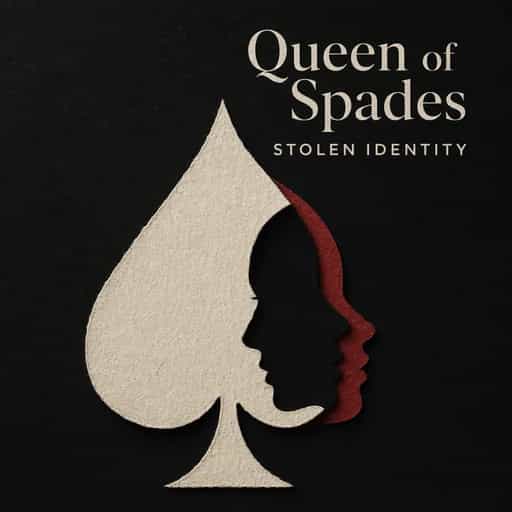
The Identity Thief: When Imitation and Identity Hijacking Occur
Explore the psychology of identity hijacking and why imitation isn't always flattery. Learn how copying distinctive characteristics impacts self-worth and identity.

Miglior citazione da The Identity Thief: When Imitation and Identity Hijacking Occur
Imitation is not always flattery; it can be a form of psychological identity theft where someone uses your traits to build a false self, eroding your ownership of your own life story.

Questa lezione audio è stata creata da un membro della comunità BeFreed
Do not let people convince you that imitation is the highest form of flattery. It can be detrimental to your identity, self-expression, and self-worth. Someone constantly watching your hair, nails, clothes, interests, hobbies, and the way you express yourself is not something to ignore. If someone wants to be you instead of simply admiring you, protect yourself. They may wait for the moment they can replace you, take what you built, and try to become you. Rip off your entire brand is danger






Domande frequenti
While many people use the phrase 'imitation is the highest form of flattery' to dismiss copying, the experience often feels like a violation rather than a compliment. When someone hijacks your specific style or phrasing, it can feel like they are trying to walk away with your life. Research suggests that instead of feeling pride, most people experience a natural response of anger and a desire to confront the person imitating them.
Studies conducted by researchers at Texas A&M and the University of Kansas found that when an individual intentionally copies your distinctive public identity characteristics, it triggers a negative emotional response. Rather than feeling flattered, the person being imitated often feels a sense of violation. This scientific evidence validates the 'creepy' feeling many experience when their niche hobbies, style, or mannerisms are systematically mirrored by another person.
An identity thief who watches your every move—from your hair and nails to the way you talk—can pose a genuine threat to your sense of self-worth. This level of imitation goes beyond simple admiration and can lead to a crisis of identity. When your unique traits are hijacked, you may begin to question your own individuality and feel as though your personal sense of self is being compromised by the imitator.
Scopri di più

Break the Imposter Cycle
This plan is essential for high-achievers who feel like frauds despite their success. It provides psychological frameworks and actionable tools for professionals looking to master their inner critic and advance their careers with genuine confidence.

Design Your New Identity
This learning plan is essential for individuals feeling stuck in outdated patterns or limited by their past self-conceptions. It provides a structured framework for anyone looking to reinvent themselves by systematically auditing and editing their internal dialogue.

The Courage to Be You
In a world driven by social media and constant comparison, many people struggle with the biological urge to people-please at the expense of their own identity. This plan is designed for professionals and individuals who feel held back by social anxiety or the need for external approval. It offers a psychological roadmap to reclaiming your voice and living with integrity.

Covert narcissists
Covert narcissism is one of the most damaging yet hardest-to-detect relationship patterns, leaving victims questioning their reality and self-worth. This learning plan is essential for anyone who has experienced confusing, emotionally draining relationships where they feel controlled but can't quite pinpoint why, as well as those seeking to protect themselves from future manipulation and build healthier connections.

Master self-deception
In a world full of cognitive shortcuts, understanding how we lie to ourselves is the ultimate competitive advantage. This plan is essential for leaders, decision-makers, and individuals seeking personal growth who want to strip away mental illusions and see reality clearly.

Mental Self-Defense and Manipulation Detection
In an era of increasing psychological influence, protecting your mental autonomy is essential for personal and professional safety. This guide is designed for professionals and digital citizens who want to sharpen their intuition and build robust defenses against predatory behavior.
The Authenticity Advantage
This plan is essential for anyone feeling exhausted by the pressure to act 'cool' or perform in social situations. It is designed for individuals seeking to transform social anxiety into grounded confidence by embracing radical honesty and inner security.

Move through constant self-doubt patterns
This plan is essential for professionals and creatives who feel held back by persistent imposter syndrome or a harsh inner critic. It provides a structured path to transition from paralyzing hesitation to decisive action by building emotional resilience and self-compassion.
Creato da alumni della Columbia University a San Francisco
"Instead of endless scrolling, I just hit play on BeFreed. It saves me so much time."


"I never knew where to start with nonfiction—BeFreed’s book lists turned into podcasts gave me a clear path."


"Perfect balance between learning and entertainment. Finished ‘Thinking, Fast and Slow’ on my commute this week."
"Crazy how much I learned while walking the dog. BeFreed = small habits → big gains."
"Reading used to feel like a chore. Now it’s just part of my lifestyle."

"Feels effortless compared to reading. I’ve finished 6 books this month already."
"BeFreed turned my guilty doomscrolling into something that feels productive and inspiring."

"BeFreed turned my commute into learning time. 20-min podcasts are perfect for finishing books I never had time for."
"BeFreed replaced my podcast queue. Imagine Spotify for books — that’s it. 🙌"

"It is great for me to learn something from the book without reading it."
"The themed book list podcasts help me connect ideas across authors—like a guided audio journey."
"Makes me feel smarter every time before going to work"
Creato da alumni della Columbia University a San Francisco
"Instead of endless scrolling, I just hit play on BeFreed. It saves me so much time."
"I never knew where to start with nonfiction—BeFreed’s book lists turned into podcasts gave me a clear path."
"Perfect balance between learning and entertainment. Finished ‘Thinking, Fast and Slow’ on my commute this week."
"Crazy how much I learned while walking the dog. BeFreed = small habits → big gains."
"Reading used to feel like a chore. Now it’s just part of my lifestyle."
"Feels effortless compared to reading. I’ve finished 6 books this month already."
"BeFreed turned my guilty doomscrolling into something that feels productive and inspiring."
"BeFreed turned my commute into learning time. 20-min podcasts are perfect for finishing books I never had time for."
"BeFreed replaced my podcast queue. Imagine Spotify for books — that’s it. 🙌"
"It is great for me to learn something from the book without reading it."
"The themed book list podcasts help me connect ideas across authors—like a guided audio journey."
"Makes me feel smarter every time before going to work"
"Instead of endless scrolling, I just hit play on BeFreed. It saves me so much time."
"I never knew where to start with nonfiction—BeFreed’s book lists turned into podcasts gave me a clear path."
"Perfect balance between learning and entertainment. Finished ‘Thinking, Fast and Slow’ on my commute this week."
"Crazy how much I learned while walking the dog. BeFreed = small habits → big gains."
"Reading used to feel like a chore. Now it’s just part of my lifestyle."
"Feels effortless compared to reading. I’ve finished 6 books this month already."
"BeFreed turned my guilty doomscrolling into something that feels productive and inspiring."
"BeFreed turned my commute into learning time. 20-min podcasts are perfect for finishing books I never had time for."
"BeFreed replaced my podcast queue. Imagine Spotify for books — that’s it. 🙌"
"It is great for me to learn something from the book without reading it."
"The themed book list podcasts help me connect ideas across authors—like a guided audio journey."
"Makes me feel smarter every time before going to work"
"Instead of endless scrolling, I just hit play on BeFreed. It saves me so much time."
"I never knew where to start with nonfiction—BeFreed’s book lists turned into podcasts gave me a clear path."
"Perfect balance between learning and entertainment. Finished ‘Thinking, Fast and Slow’ on my commute this week."
"Crazy how much I learned while walking the dog. BeFreed = small habits → big gains."
"Reading used to feel like a chore. Now it’s just part of my lifestyle."
"Feels effortless compared to reading. I’ve finished 6 books this month already."
"BeFreed turned my guilty doomscrolling into something that feels productive and inspiring."
"BeFreed turned my commute into learning time. 20-min podcasts are perfect for finishing books I never had time for."
"BeFreed replaced my podcast queue. Imagine Spotify for books — that’s it. 🙌"
"It is great for me to learn something from the book without reading it."
"The themed book list podcasts help me connect ideas across authors—like a guided audio journey."
"Makes me feel smarter every time before going to work"