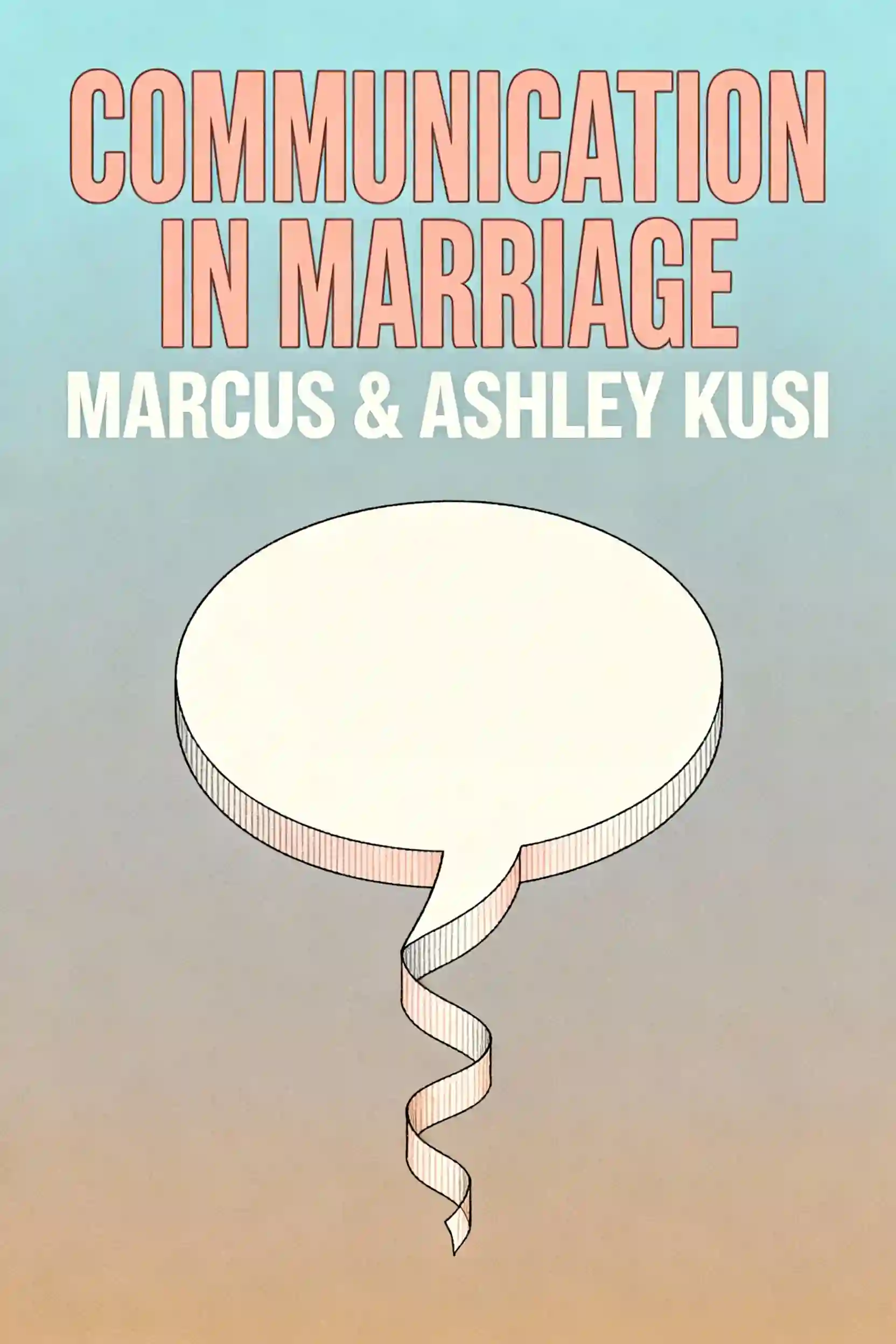
The Communication Playbook: Turning Blow-ups into Breakthroughs
Stop fighting to win and start listening to understand. Learn how to navigate perpetual conflicts using the 'I feel' formula, the 5-to-1 ratio, and proven repair protocols to transform your relationship's communication dance.

Miglior citazione da The Communication Playbook: Turning Blow-ups into Breakthroughs
The goal isn't to stop disagreeing, but to change your 'dance'—most couples fail because they listen to win instead of to understand.
Generated by Dale
Couples communicating



Domande frequenti
Research indicates that 69% of relationship conflicts are perpetual, meaning they are based on fundamental differences in personalities or lifestyle needs and may never be fully "solved." The goal in these situations is not to eliminate the disagreement, but to change the way you communicate about it. By moving away from "listening to win" and toward "listening to understand," couples can manage these ongoing differences without letting them damage the relationship.
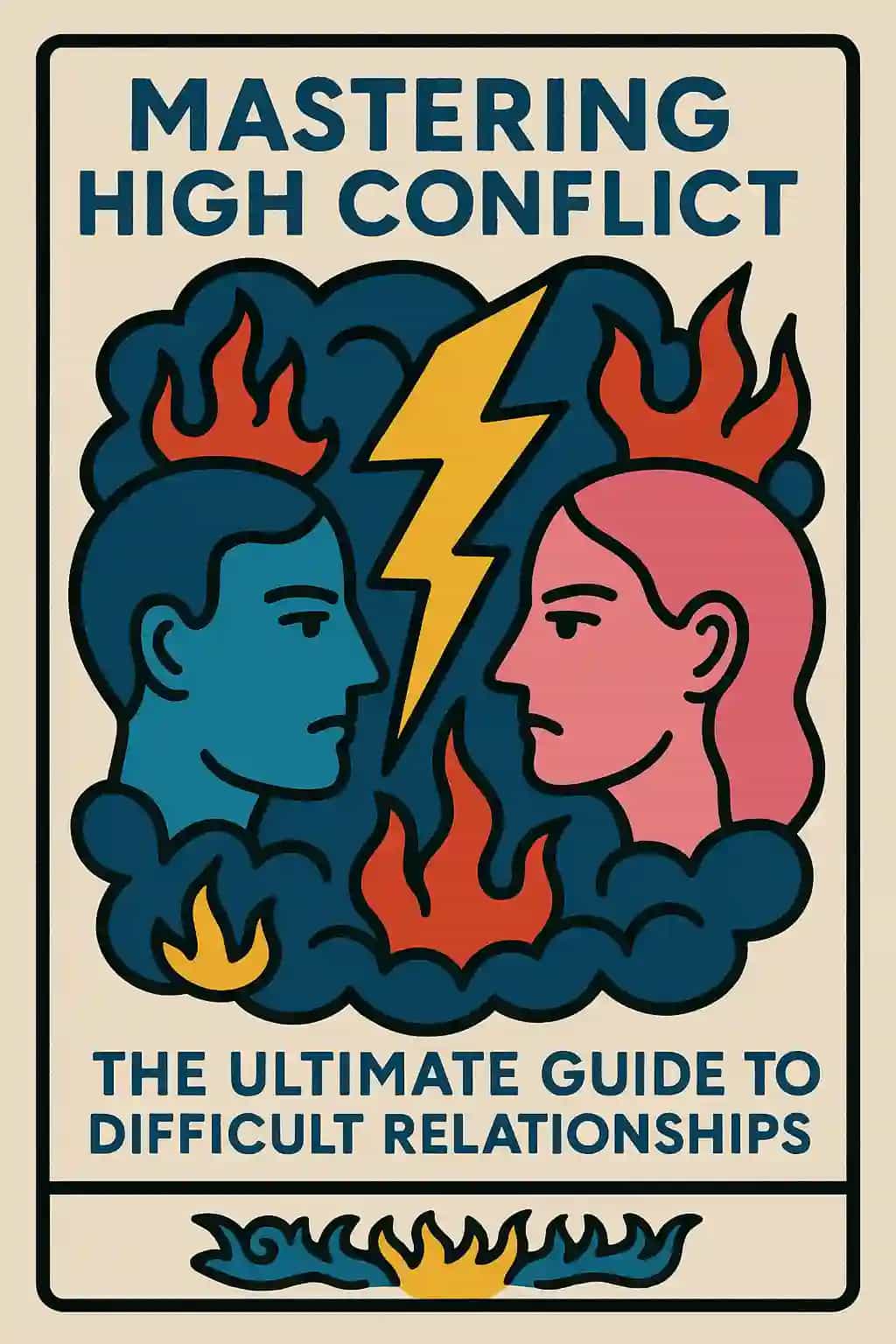
The Four Horsemen are toxic communication patterns identified by the Gottman Institute: criticism, contempt, defensiveness, and stonewalling. Criticism attacks a partner’s character rather than a specific behavior, while defensiveness shifts blame to avoid responsibility. Contempt is the most destructive, involving mockery or sarcasm to make a partner feel inferior. Stonewalling occurs when a partner becomes "flooded" or overwhelmed and shuts down. Recognizing these patterns is the first step in replacing them with healthier interactions, such as the "Soft Start-Up" or a culture of appreciation.
A Soft Start-Up is a communication technique designed to prevent defensiveness by focusing on your own feelings rather than your partner's flaws. It follows a three-part formula: "I feel [emotion], about [specific situation], and I need [positive action]." For example, instead of accusing a partner of being irresponsible, you might say, "I feel anxious when the bills aren't paid, and I need us to sit down and look at the budget together." Because the first three minutes of a conversation usually predict its outcome, starting softly significantly increases the chances of a productive discussion.
When a partner becomes "flooded"—a physiological state where the heart rate spikes and the ability to process information shuts down—the best course of action is a structured "Time-Out." You should agree to pause the conversation for at least twenty minutes (but no more than twenty-four hours) to allow your nervous systems to calm down. During this break, it is essential to engage in self-soothing activities like walking or listening to music rather than ruminating on the argument, so you can return to the table ready to collaborate.
The 5-to-1 ratio refers to the need for five positive interactions for every one negative interaction to maintain a stable and healthy relationship. These positive interactions act as "deposits" into an emotional bank account, building resilience and a "Positive Perspective." When this account is full, couples are more likely to give each other the benefit of the doubt during a conflict. If the ratio drops, even minor disagreements can feel like major betrayals because there is no foundation of appreciation to buffer the stress.
Creato da alumni della Columbia University a San Francisco
"Instead of endless scrolling, I just hit play on BeFreed. It saves me so much time."


"I never knew where to start with nonfiction—BeFreed’s book lists turned into podcasts gave me a clear path."


"Perfect balance between learning and entertainment. Finished ‘Thinking, Fast and Slow’ on my commute this week."
"Crazy how much I learned while walking the dog. BeFreed = small habits → big gains."
"Reading used to feel like a chore. Now it’s just part of my lifestyle."

"Feels effortless compared to reading. I’ve finished 6 books this month already."
"BeFreed turned my guilty doomscrolling into something that feels productive and inspiring."

"BeFreed turned my commute into learning time. 20-min podcasts are perfect for finishing books I never had time for."
"BeFreed replaced my podcast queue. Imagine Spotify for books — that’s it. 🙌"

"It is great for me to learn something from the book without reading it."
"The themed book list podcasts help me connect ideas across authors—like a guided audio journey."
"Makes me feel smarter every time before going to work"
Creato da alumni della Columbia University a San Francisco
"Instead of endless scrolling, I just hit play on BeFreed. It saves me so much time."
"I never knew where to start with nonfiction—BeFreed’s book lists turned into podcasts gave me a clear path."
"Perfect balance between learning and entertainment. Finished ‘Thinking, Fast and Slow’ on my commute this week."
"Crazy how much I learned while walking the dog. BeFreed = small habits → big gains."
"Reading used to feel like a chore. Now it’s just part of my lifestyle."
"Feels effortless compared to reading. I’ve finished 6 books this month already."
"BeFreed turned my guilty doomscrolling into something that feels productive and inspiring."
"BeFreed turned my commute into learning time. 20-min podcasts are perfect for finishing books I never had time for."
"BeFreed replaced my podcast queue. Imagine Spotify for books — that’s it. 🙌"
"It is great for me to learn something from the book without reading it."
"The themed book list podcasts help me connect ideas across authors—like a guided audio journey."
"Makes me feel smarter every time before going to work"
"Instead of endless scrolling, I just hit play on BeFreed. It saves me so much time."
"I never knew where to start with nonfiction—BeFreed’s book lists turned into podcasts gave me a clear path."
"Perfect balance between learning and entertainment. Finished ‘Thinking, Fast and Slow’ on my commute this week."
"Crazy how much I learned while walking the dog. BeFreed = small habits → big gains."
"Reading used to feel like a chore. Now it’s just part of my lifestyle."
"Feels effortless compared to reading. I’ve finished 6 books this month already."
"BeFreed turned my guilty doomscrolling into something that feels productive and inspiring."
"BeFreed turned my commute into learning time. 20-min podcasts are perfect for finishing books I never had time for."
"BeFreed replaced my podcast queue. Imagine Spotify for books — that’s it. 🙌"
"It is great for me to learn something from the book without reading it."
"The themed book list podcasts help me connect ideas across authors—like a guided audio journey."
"Makes me feel smarter every time before going to work"
"Instead of endless scrolling, I just hit play on BeFreed. It saves me so much time."
"I never knew where to start with nonfiction—BeFreed’s book lists turned into podcasts gave me a clear path."
"Perfect balance between learning and entertainment. Finished ‘Thinking, Fast and Slow’ on my commute this week."
"Crazy how much I learned while walking the dog. BeFreed = small habits → big gains."
"Reading used to feel like a chore. Now it’s just part of my lifestyle."
"Feels effortless compared to reading. I’ve finished 6 books this month already."
"BeFreed turned my guilty doomscrolling into something that feels productive and inspiring."
"BeFreed turned my commute into learning time. 20-min podcasts are perfect for finishing books I never had time for."
"BeFreed replaced my podcast queue. Imagine Spotify for books — that’s it. 🙌"
"It is great for me to learn something from the book without reading it."
"The themed book list podcasts help me connect ideas across authors—like a guided audio journey."
"Makes me feel smarter every time before going to work"