The Rise of the Pediatric Mental Health Nurse Practitioner (PMHNP)
Explore the evolution of the Pediatric Mental Health Nurse Practitioner (PMHNP), from early inpatient centers to modern specialized primary care for children.
Miglior citazione da The Rise of the Pediatric Mental Health Nurse Practitioner (PMHNP)
The evolution of pediatric mental health nursing represents a shift in how we value the emotional life of a child—moving it from the periphery of medicine to the very center of primary care.
Generated by Rachel
A detailed history of the evolution of the Pediatric Psychiatric-Mental Health Nurse Practitioner (PMHNP) role, covering its development from early psychiatric nursing to the specialized pediatric focus it has today.






Domande frequenti
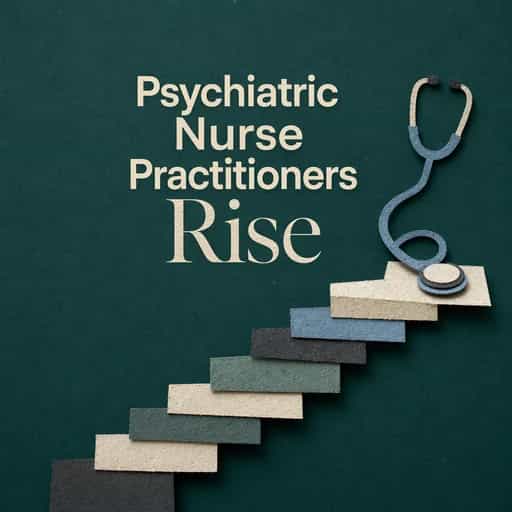
The history of the PMHNP began in the early 1930s within specialized inpatient centers for children. Unlike adult wards of the time, these centers focused on building bridges of trust and recognizing that children require a specialized kind of presence rather than just custodial care. This evolution represents a radical role expansion from monitoring physical symptoms to providing complex mental health support, eventually moving the emotional life of a child from the periphery of medicine to the center of primary care.
Pediatric mental health nursing is grounded in the realization that children are not just small adults. Their mental distress requires a specialized approach that prioritizes building relationships and trust. While early nurses in specialized inpatient centers may have started with tasks like adjusting linens, their real work involved creating a bridge of trust. This specialized care has evolved over fifty years to ensure children do not fall through the cracks of a complex healthcare system.
The Pediatric Nursing Certification Board represents over fifty years of pediatric nursing excellence. It highlights the professional evolution from fragmented custodial care to the highly specialized toolkit used by the modern practitioner today. By celebrating this history of excellence, the board underscores the importance of specialized certification in addressing the shortage of mental health support and ensuring that children receive high-quality, dedicated care within the modern healthcare landscape.
The rise of the PMHNP is significant because it marks a shift in how the healthcare system values the emotional life of a child. By moving mental health from the periphery to the center of primary care, practitioners can better address the specialized needs of young patients. This transformation was driven by visionary nurses and pediatricians who recognized the need for a specialized presence to manage complex pharmacology and diagnostic tools tailored specifically for children.
Creato da alumni della Columbia University a San Francisco
"Instead of endless scrolling, I just hit play on BeFreed. It saves me so much time."


"I never knew where to start with nonfiction—BeFreed’s book lists turned into podcasts gave me a clear path."


"Perfect balance between learning and entertainment. Finished ‘Thinking, Fast and Slow’ on my commute this week."
"Crazy how much I learned while walking the dog. BeFreed = small habits → big gains."
"Reading used to feel like a chore. Now it’s just part of my lifestyle."

"Feels effortless compared to reading. I’ve finished 6 books this month already."
"BeFreed turned my guilty doomscrolling into something that feels productive and inspiring."

"BeFreed turned my commute into learning time. 20-min podcasts are perfect for finishing books I never had time for."
"BeFreed replaced my podcast queue. Imagine Spotify for books — that’s it. 🙌"

"It is great for me to learn something from the book without reading it."
"The themed book list podcasts help me connect ideas across authors—like a guided audio journey."
"Makes me feel smarter every time before going to work"
Creato da alumni della Columbia University a San Francisco
"Instead of endless scrolling, I just hit play on BeFreed. It saves me so much time."
"I never knew where to start with nonfiction—BeFreed’s book lists turned into podcasts gave me a clear path."
"Perfect balance between learning and entertainment. Finished ‘Thinking, Fast and Slow’ on my commute this week."
"Crazy how much I learned while walking the dog. BeFreed = small habits → big gains."
"Reading used to feel like a chore. Now it’s just part of my lifestyle."
"Feels effortless compared to reading. I’ve finished 6 books this month already."
"BeFreed turned my guilty doomscrolling into something that feels productive and inspiring."
"BeFreed turned my commute into learning time. 20-min podcasts are perfect for finishing books I never had time for."
"BeFreed replaced my podcast queue. Imagine Spotify for books — that’s it. 🙌"
"It is great for me to learn something from the book without reading it."
"The themed book list podcasts help me connect ideas across authors—like a guided audio journey."
"Makes me feel smarter every time before going to work"
"Instead of endless scrolling, I just hit play on BeFreed. It saves me so much time."
"I never knew where to start with nonfiction—BeFreed’s book lists turned into podcasts gave me a clear path."
"Perfect balance between learning and entertainment. Finished ‘Thinking, Fast and Slow’ on my commute this week."
"Crazy how much I learned while walking the dog. BeFreed = small habits → big gains."
"Reading used to feel like a chore. Now it’s just part of my lifestyle."
"Feels effortless compared to reading. I’ve finished 6 books this month already."
"BeFreed turned my guilty doomscrolling into something that feels productive and inspiring."
"BeFreed turned my commute into learning time. 20-min podcasts are perfect for finishing books I never had time for."
"BeFreed replaced my podcast queue. Imagine Spotify for books — that’s it. 🙌"
"It is great for me to learn something from the book without reading it."
"The themed book list podcasts help me connect ideas across authors—like a guided audio journey."
"Makes me feel smarter every time before going to work"
"Instead of endless scrolling, I just hit play on BeFreed. It saves me so much time."
"I never knew where to start with nonfiction—BeFreed’s book lists turned into podcasts gave me a clear path."
"Perfect balance between learning and entertainment. Finished ‘Thinking, Fast and Slow’ on my commute this week."
"Crazy how much I learned while walking the dog. BeFreed = small habits → big gains."
"Reading used to feel like a chore. Now it’s just part of my lifestyle."
"Feels effortless compared to reading. I’ve finished 6 books this month already."
"BeFreed turned my guilty doomscrolling into something that feels productive and inspiring."
"BeFreed turned my commute into learning time. 20-min podcasts are perfect for finishing books I never had time for."
"BeFreed replaced my podcast queue. Imagine Spotify for books — that’s it. 🙌"
"It is great for me to learn something from the book without reading it."
"The themed book list podcasts help me connect ideas across authors—like a guided audio journey."
"Makes me feel smarter every time before going to work"