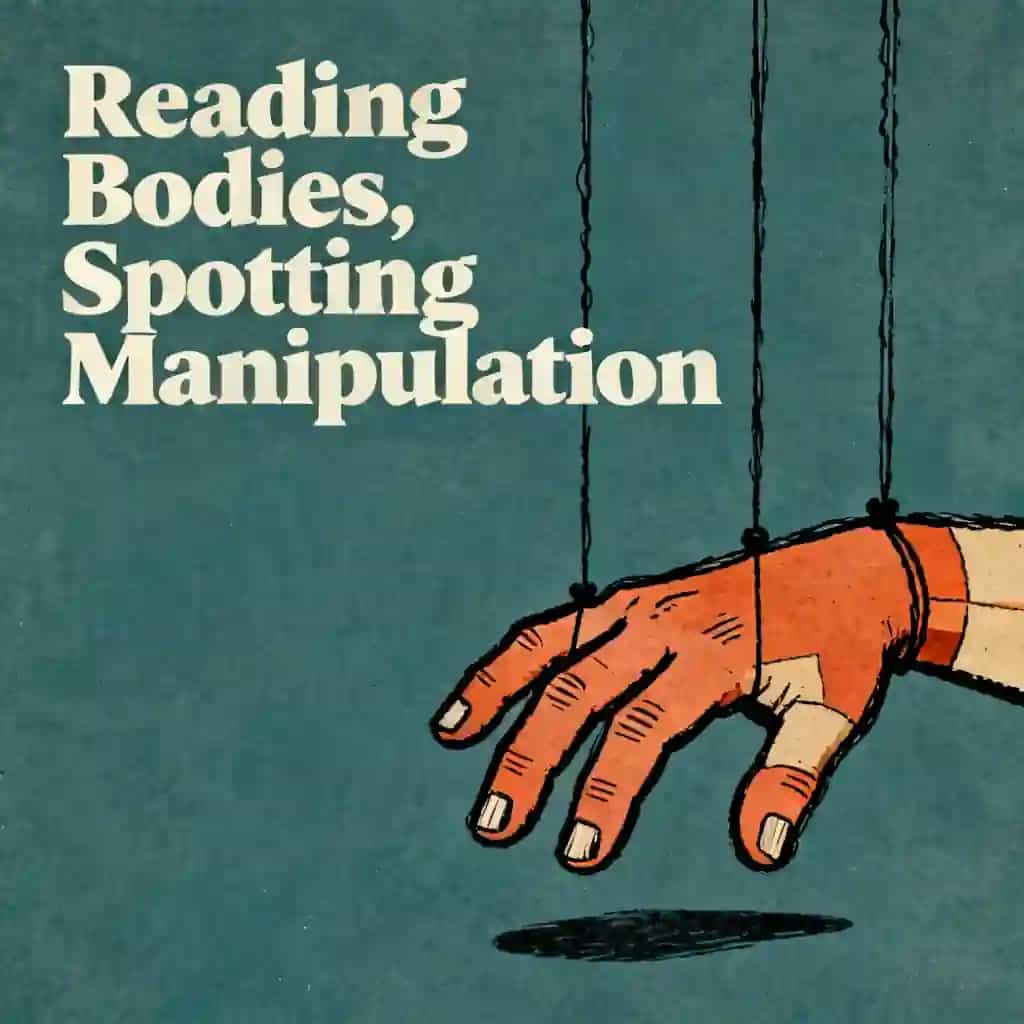
Reading Body Language: Myths of Deception and Eye Contact
Explore the truth about body language and deception. Learn why eye contact myths are misleading and how to identify real behavioral leakage in communication.
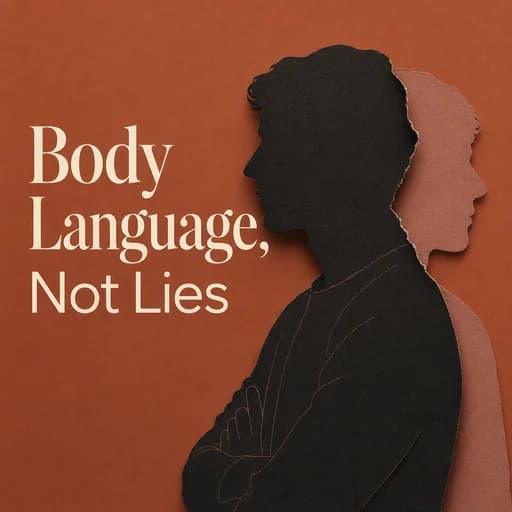
Miglior citazione da Reading Body Language: Myths of Deception and Eye Contact
Real deception detection isn't about finding a 'Pinocchio’s nose'—that one single, unmistakable sign that someone is lying. Instead, it is about learning to see the 'leakage,' those tiny, involuntary flickers of emotion that happen when the mind is trying to juggle the stress of a lie while maintaining a mask of honesty.
Generated by Martha
Techniques for reading body language and facial expressions to detect lies or hidden emotions in everyday social cues and casual interactions.






Domande frequenti
According to extensive research, eye contact is not a reliable indicator of deception. A review of twenty-four peer-reviewed studies found that twenty-three of them rejected the idea that shifty eyes or gaze aversion signal a lie. In fact, some liars may make more deliberate eye contact than truth-tellers specifically to appear more convincing and counter the common stereotype that liars always look away.
The concept of a 'Pinocchio’s nose' refers to a single, unmistakable physical sign that someone is lying. However, this episode clarifies that such a sign does not exist in real-world deception detection. Relying on the search for one specific gesture, like fidgeting or blinking, can lead to false accusations against people who are simply shy or nervous rather than being dishonest.
Instead of focusing on debunked myths like gaze aversion, effective nonverbal communication analysis involves looking for 'leakage.' These are tiny, involuntary flickers of behavior that occur when someone's story does not align with their true feelings. Understanding behavioral leakage helps you move beyond gut feelings and popular misconceptions to better understand the real story behind someone's actions and words.
Creato da alumni della Columbia University a San Francisco
BeFreed Riunisce Una Community Globale Di Menti Curiose


"Instead of endless scrolling, I just hit play on BeFreed. It saves me so much time."


"I never knew where to start with nonfiction—BeFreed’s book lists turned into podcasts gave me a clear path."


"Perfect balance between learning and entertainment. Finished ‘Thinking, Fast and Slow’ on my commute this week."
"Crazy how much I learned while walking the dog. BeFreed = small habits → big gains."
"Reading used to feel like a chore. Now it’s just part of my lifestyle."

"Feels effortless compared to reading. I’ve finished 6 books this month already."
"BeFreed turned my guilty doomscrolling into something that feels productive and inspiring."

"BeFreed turned my commute into learning time. 20-min podcasts are perfect for finishing books I never had time for."
"BeFreed replaced my podcast queue. Imagine Spotify for books — that’s it. 🙌"

"It is great for me to learn something from the book without reading it."
"The themed book list podcasts help me connect ideas across authors—like a guided audio journey."
"Makes me feel smarter every time before going to work"
Creato da alumni della Columbia University a San Francisco
BeFreed Riunisce Una Community Globale Di Menti Curiose
"Instead of endless scrolling, I just hit play on BeFreed. It saves me so much time."
"I never knew where to start with nonfiction—BeFreed’s book lists turned into podcasts gave me a clear path."
"Perfect balance between learning and entertainment. Finished ‘Thinking, Fast and Slow’ on my commute this week."
"Crazy how much I learned while walking the dog. BeFreed = small habits → big gains."
"Reading used to feel like a chore. Now it’s just part of my lifestyle."
"Feels effortless compared to reading. I’ve finished 6 books this month already."
"BeFreed turned my guilty doomscrolling into something that feels productive and inspiring."
"BeFreed turned my commute into learning time. 20-min podcasts are perfect for finishing books I never had time for."
"BeFreed replaced my podcast queue. Imagine Spotify for books — that’s it. 🙌"
"It is great for me to learn something from the book without reading it."
"The themed book list podcasts help me connect ideas across authors—like a guided audio journey."
"Makes me feel smarter every time before going to work"
"Instead of endless scrolling, I just hit play on BeFreed. It saves me so much time."
"I never knew where to start with nonfiction—BeFreed’s book lists turned into podcasts gave me a clear path."
"Perfect balance between learning and entertainment. Finished ‘Thinking, Fast and Slow’ on my commute this week."
"Crazy how much I learned while walking the dog. BeFreed = small habits → big gains."
"Reading used to feel like a chore. Now it’s just part of my lifestyle."
"Feels effortless compared to reading. I’ve finished 6 books this month already."
"BeFreed turned my guilty doomscrolling into something that feels productive and inspiring."
"BeFreed turned my commute into learning time. 20-min podcasts are perfect for finishing books I never had time for."
"BeFreed replaced my podcast queue. Imagine Spotify for books — that’s it. 🙌"
"It is great for me to learn something from the book without reading it."
"The themed book list podcasts help me connect ideas across authors—like a guided audio journey."
"Makes me feel smarter every time before going to work"
"Instead of endless scrolling, I just hit play on BeFreed. It saves me so much time."
"I never knew where to start with nonfiction—BeFreed’s book lists turned into podcasts gave me a clear path."
"Perfect balance between learning and entertainment. Finished ‘Thinking, Fast and Slow’ on my commute this week."
"Crazy how much I learned while walking the dog. BeFreed = small habits → big gains."
"Reading used to feel like a chore. Now it’s just part of my lifestyle."
"Feels effortless compared to reading. I’ve finished 6 books this month already."
"BeFreed turned my guilty doomscrolling into something that feels productive and inspiring."
"BeFreed turned my commute into learning time. 20-min podcasts are perfect for finishing books I never had time for."
"BeFreed replaced my podcast queue. Imagine Spotify for books — that’s it. 🙌"
"It is great for me to learn something from the book without reading it."
"The themed book list podcasts help me connect ideas across authors—like a guided audio journey."
"Makes me feel smarter every time before going to work"