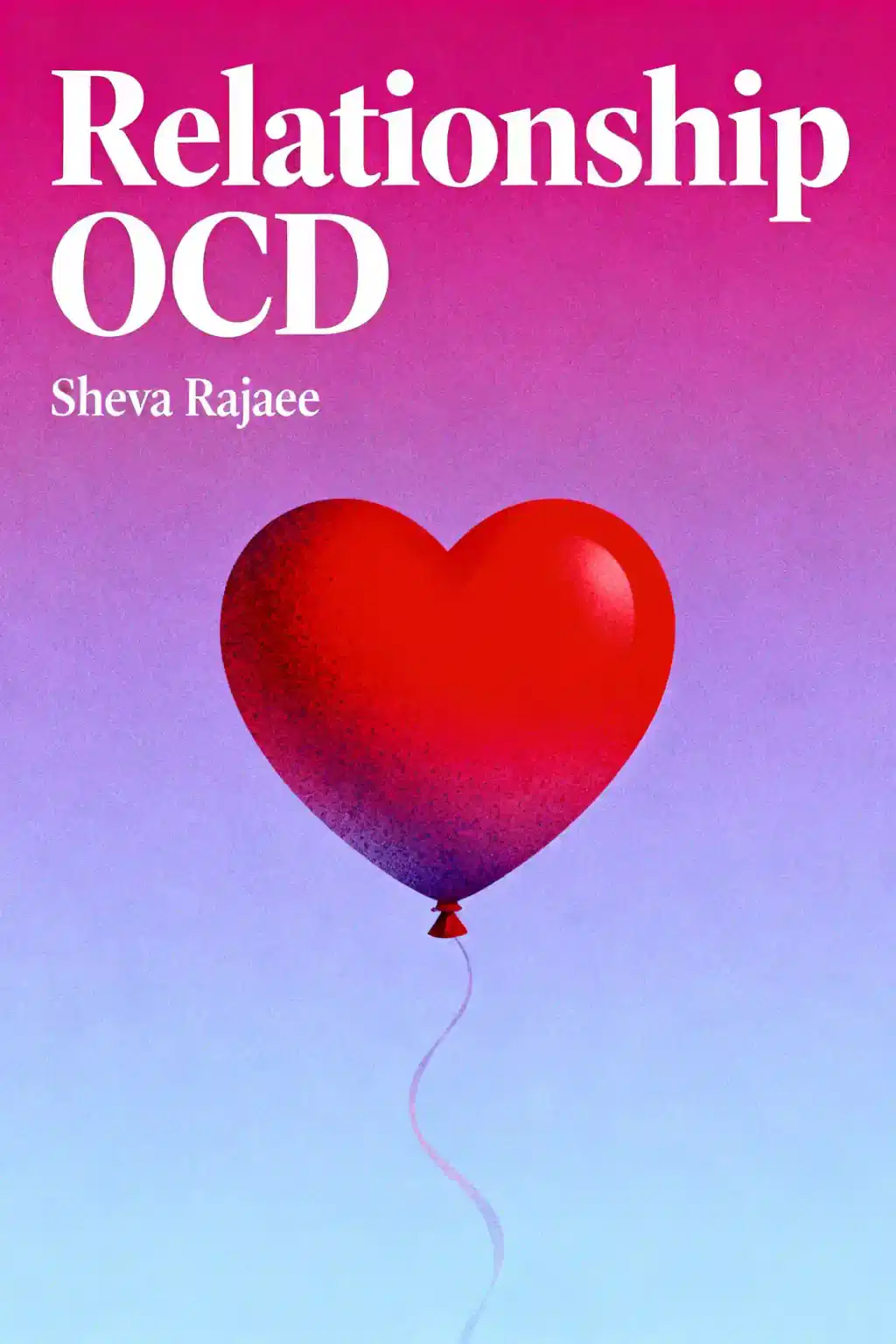
Explore the reality of Obsessive-Compulsive Disorder beyond stereotypes. Learn how OCD acts as a mental bully, using intrusive thoughts to target what you value most.
Miglior citazione da OCD: The Bully in the Mind | Understanding Obsessive-Compulsive Disorder
“
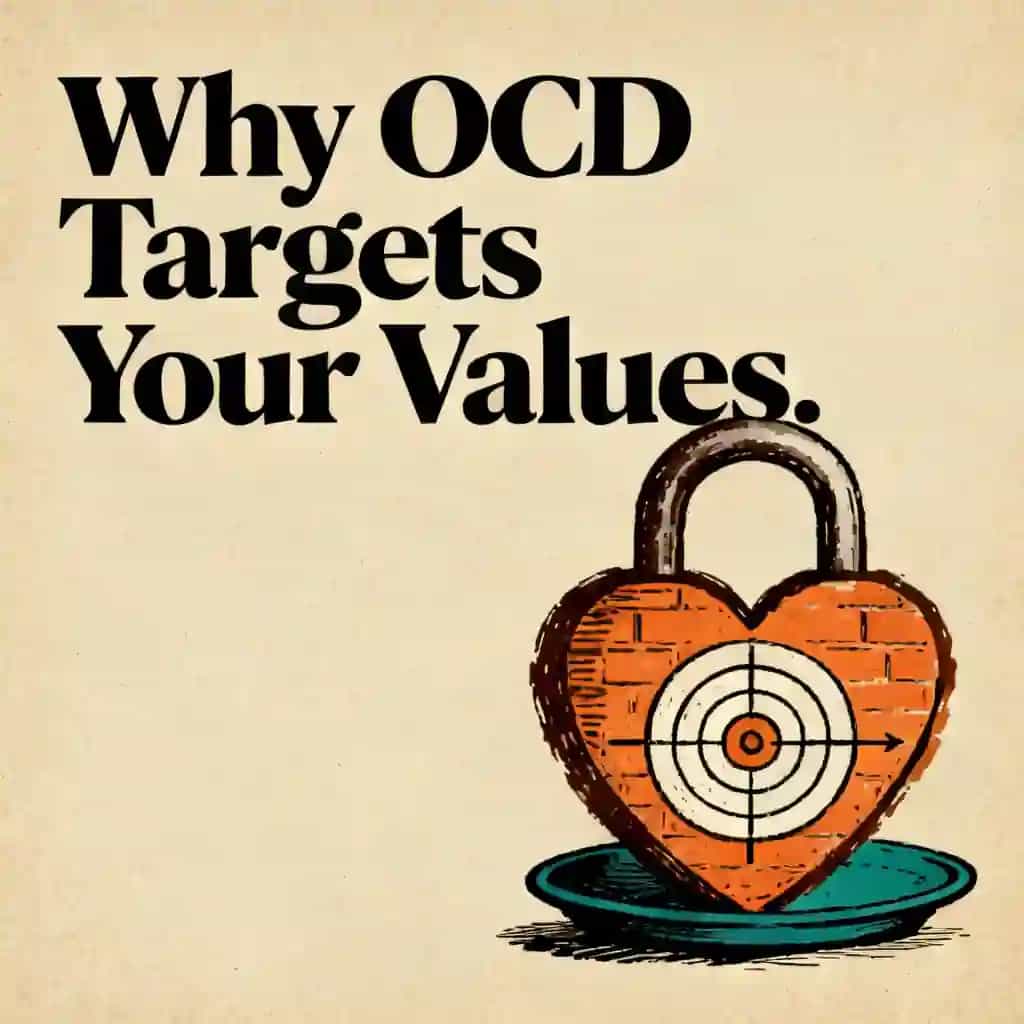
OCD is a 'bully' that finds the thing you value most—your kindness, your faith, or your love—and turns it into a source of terror. The intensity of the disgust you feel is actually evidence against intent; the fact that a thought horrifies you is the diagnostic feature.
”
O
Generated by Olga
Domanda di input
A comprehensive guide to OCD for someone moving past the 'orderly' stereotype. Cover: 1) Common types of OCD (e.g., contamination, harm, intrusive thoughts) with specific scenarios like wanting to toss a notebook after one mistake. 2) The psychology of shame, including barriers to seeking help (believing they're beyond help or fearing judgment). 3) Recovery paths: using AI/ChatGPT as a starting tool, self-help books, and clinical outreach. 4) A thorough breakdown based on current research and literature.
Many people mistakenly believe that Obsessive-Compulsive Disorder is simply a neatness problem or a desire for order, such as straightening pens or excessive handwashing. However, these stereotypes are often inaccurate. For millions of individuals, OCD has nothing to do with being orderly. Instead, it functions like a bully in the mind that creates terror around a person's deepest values, such as their faith, kindness, or love for others.
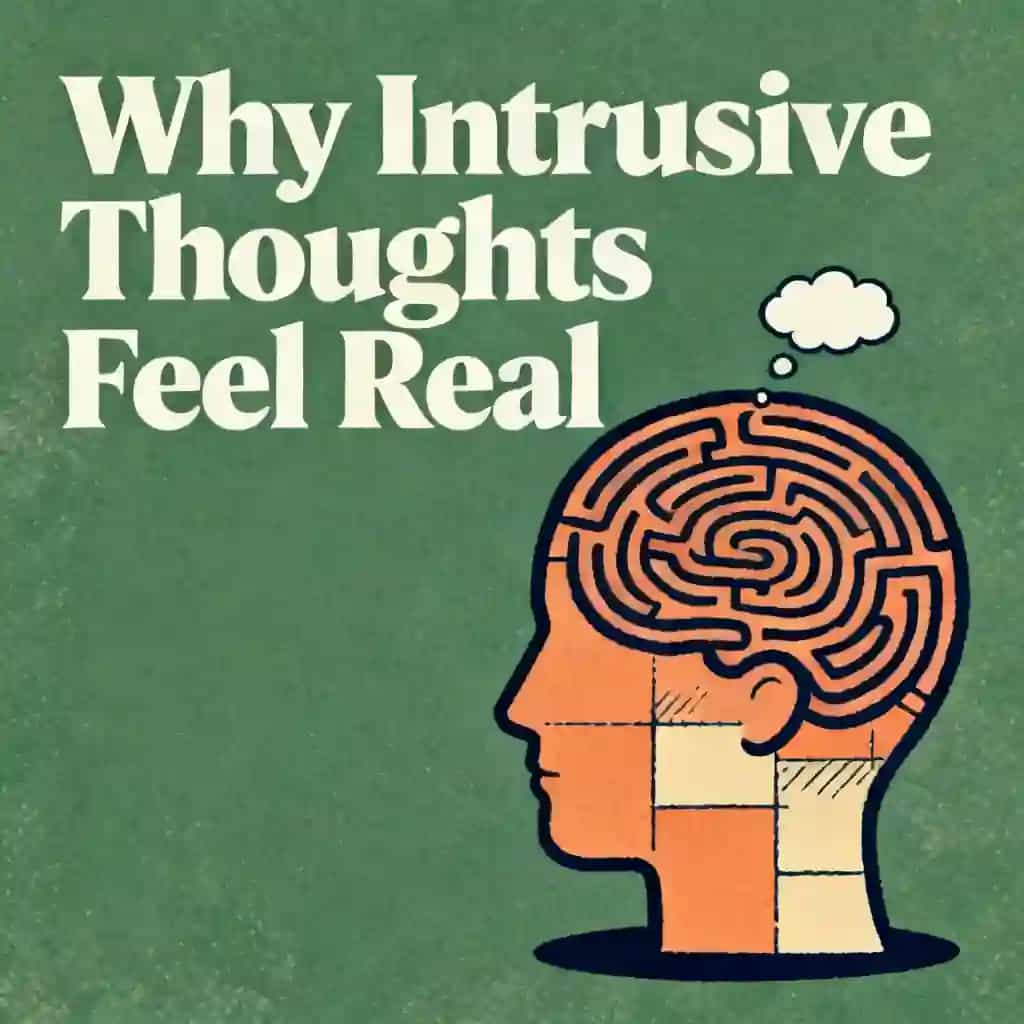
While public images focus on cleanliness, research suggests that the most common OCD themes involve much more distressing internal experiences. These include intrusive thoughts regarding harm, such as fears of causing a car accident, as well as concerns about morality or blasphemous ideas during prayer. Because these taboo thoughts can involve themes of harm or sexual taboos, many sufferers feel too much shame to mention them, leading to silent suffering.
OCD is described as a bully because it identifies the things you value most and turns them into sources of intense fear and anxiety. Rather than just being about physical habits, it is an internal engine that generates distressing thoughts that contradict a person's true character. By attacking one's sense of morality or safety, the disorder creates a cycle of terror that goes far beyond the common 'neatness' stereotypes often seen in media.
Creato da alumni della Columbia University | a San Francisco
BeFreed Riunisce Una Community Globale Di Menti Curiose
4.7
valutazione media
Oltre 7,84 mila valutazioni dell’app
Community BeFreed
Sul serio, non ho ancora esplorato l'app fino in fondo, ma dopo questi primi giorni sono davvero colpita… BeFreed è su un altro livello rispetto a qualsiasi altra app di apprendimento che abbia usato. Ti coinvolge tantissimo e migliora davvero la concentrazione: perfetta per chi non riesce a smettere di scrollare!
@ladyInfinity
Ho comprato BeFreed esattamente 23 giorni fa e da allora l'ho usata ogni singolo giorno. Si è integrata completamente nel mio flusso di lavoro e nelle mie abitudini di studio.
@jayallen
La verità è che l'app ha superato tutte le mie aspettative. Posso chiederle di generare audio su qualunque argomento, qualsiasi esso sia, e il risultato è impressionante. Il mio campo professionale è una specializzazione in psicoterapia, molto multidisciplinare; eppure le risposte sono molto accurate.
@Raguipa
Quello che apprezzo di più è quanto abbia ridotto il mio scrolling: passo meno tempo a cercare e più tempo ad assorbire informazioni. La combinazione di audiolibri completi, podcast e piani di apprendimento è brillante.
@colonyofcreatorsNGO
Sono istruttore di apprendimento accelerato PhotoReading da 24 anni… libri, lettura e apprendimento sono il mio pane, e BeFreed ha fatto un ottimo lavoro offrendo un approccio innovativo per trasmettere le informazioni in un modo facile da assimilare.
@BeFreed user
Non è solo un'app di riassunti di libri: ho usato l'opzione di lettura divertente ed è un riassunto molto migliore, un modo più efficace di afferrare le idee rispetto al metodo tradizionale. Solo questo vale la spesa.
@austinakon
Adoro questa app. La uso da diversi giorni e non riesco a smettere di ascoltare. Un ottimo modo per iniziare.
@jcrules328
Il programma mi piace davvero; lo sto provando da circa un mese e lo trovo una vera gemma. Funziona così bene perché con BeFreed posso creare i miei argomenti, e la voce è ottima, con una scelta illimitata di narrazioni.
@DanielCZ
Sul serio, non ho ancora esplorato l'app fino in fondo, ma dopo questi primi giorni sono davvero colpita… BeFreed è su un altro livello rispetto a qualsiasi altra app di apprendimento che abbia usato. Ti coinvolge tantissimo e migliora davvero la concentrazione: perfetta per chi non riesce a smettere di scrollare!
@ladyInfinity
Ho comprato BeFreed esattamente 23 giorni fa e da allora l'ho usata ogni singolo giorno. Si è integrata completamente nel mio flusso di lavoro e nelle mie abitudini di studio.
@jayallen
La verità è che l'app ha superato tutte le mie aspettative. Posso chiederle di generare audio su qualunque argomento, qualsiasi esso sia, e il risultato è impressionante. Il mio campo professionale è una specializzazione in psicoterapia, molto multidisciplinare; eppure le risposte sono molto accurate.
@Raguipa
Quello che apprezzo di più è quanto abbia ridotto il mio scrolling: passo meno tempo a cercare e più tempo ad assorbire informazioni. La combinazione di audiolibri completi, podcast e piani di apprendimento è brillante.
@colonyofcreatorsNGO
Sono istruttore di apprendimento accelerato PhotoReading da 24 anni… libri, lettura e apprendimento sono il mio pane, e BeFreed ha fatto un ottimo lavoro offrendo un approccio innovativo per trasmettere le informazioni in un modo facile da assimilare.
@BeFreed user
Non è solo un'app di riassunti di libri: ho usato l'opzione di lettura divertente ed è un riassunto molto migliore, un modo più efficace di afferrare le idee rispetto al metodo tradizionale. Solo questo vale la spesa.
@austinakon
Adoro questa app. La uso da diversi giorni e non riesco a smettere di ascoltare. Un ottimo modo per iniziare.
@jcrules328
Il programma mi piace davvero; lo sto provando da circa un mese e lo trovo una vera gemma. Funziona così bene perché con BeFreed posso creare i miei argomenti, e la voce è ottima, con una scelta illimitata di narrazioni.
@DanielCZ
Adoro poter ricevere informazioni e idee utili e condensate in un audio in stile podcast da 8-15 minuti. Non sono un grande fan dei podcast per via di tutto il riempitivo, ma qui si va dritti al punto.
@BeFreed user
Sto finendo il dottorato e devo leggere un sacco di materiale che non conosco… Con BeFreed basta inserire un prompt: l'app trova le fonti per te e genera un podcast audio. Trovo il processo di BeFreed più scorrevole di NotebookLM.
@Brad
Cerco spesso su YouTube qualcosa da ascoltare mentre preparo la colazione, cammino o sono in viaggio, e BeFreed offre un approccio ancora più mirato, senza pubblicità e senza riempitivi!
@BeFreed user
La cosa in assoluto migliore di questa piattaforma è la versatilità. Non c'è letteralmente nessun argomento fuori portata. Gestisce qualsiasi cosa le proponi… È raro trovare uno strumento di apprendimento senza limiti che mantenga davvero le promesse.
@jayallen
BeFreed è fantastica. Il design intuitivo mi fa passare meno tempo a navigare e più tempo a imparare. Il mix di audiolibri, podcast e piani di apprendimento è una combinazione geniale che ha cambiato completamente la mia routine quotidiana.
@BeFreed user
All'inizio mi ci è voluto un po' per capire come creare podcast in italiano e poi… boom! È fantastico! Posso chiedergli di spiegarmi qualsiasi argomento e lo fa benissimo, con grande intelligenza!
@matteo77
BeFreed è diventata la mia app quotidiana per gli audiolibri… Quello che mi piace di più è che inserisci il tuo testo e ottieni un audio da ascoltare ovunque.
@kotanzu1
Adoro poter ricevere informazioni e idee utili e condensate in un audio in stile podcast da 8-15 minuti. Non sono un grande fan dei podcast per via di tutto il riempitivo, ma qui si va dritti al punto.
@BeFreed user
Sto finendo il dottorato e devo leggere un sacco di materiale che non conosco… Con BeFreed basta inserire un prompt: l'app trova le fonti per te e genera un podcast audio. Trovo il processo di BeFreed più scorrevole di NotebookLM.
@Brad
Cerco spesso su YouTube qualcosa da ascoltare mentre preparo la colazione, cammino o sono in viaggio, e BeFreed offre un approccio ancora più mirato, senza pubblicità e senza riempitivi!
@BeFreed user
La cosa in assoluto migliore di questa piattaforma è la versatilità. Non c'è letteralmente nessun argomento fuori portata. Gestisce qualsiasi cosa le proponi… È raro trovare uno strumento di apprendimento senza limiti che mantenga davvero le promesse.
@jayallen
BeFreed è fantastica. Il design intuitivo mi fa passare meno tempo a navigare e più tempo a imparare. Il mix di audiolibri, podcast e piani di apprendimento è una combinazione geniale che ha cambiato completamente la mia routine quotidiana.
@BeFreed user
All'inizio mi ci è voluto un po' per capire come creare podcast in italiano e poi… boom! È fantastico! Posso chiedergli di spiegarmi qualsiasi argomento e lo fa benissimo, con grande intelligenza!
@matteo77
BeFreed è diventata la mia app quotidiana per gli audiolibri… Quello che mi piace di più è che inserisci il tuo testo e ottieni un audio da ascoltare ovunque.
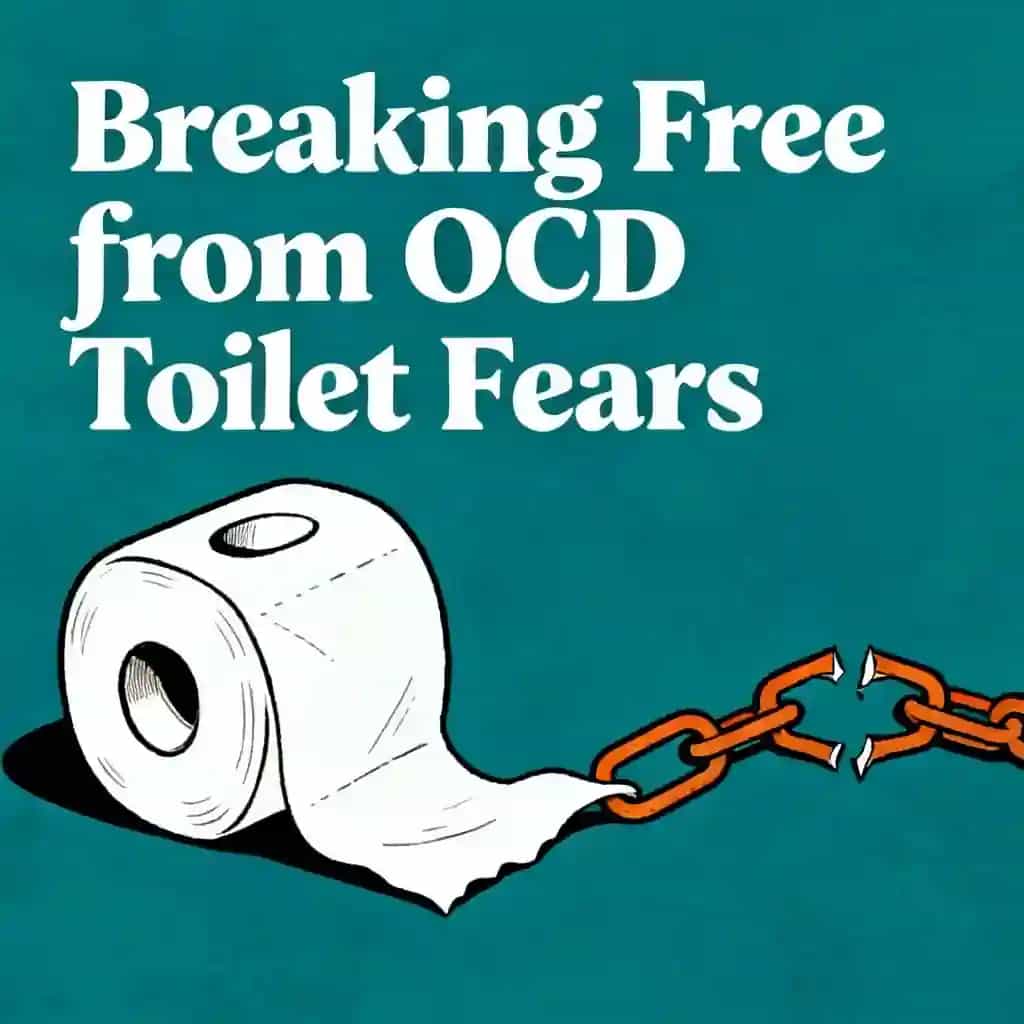
Explore how contamination OCD transforms basic bathroom use into overwhelming anxiety, affecting 25% of OCD sufferers. Discover brain science insights and proven ERP therapy strategies for recovery.
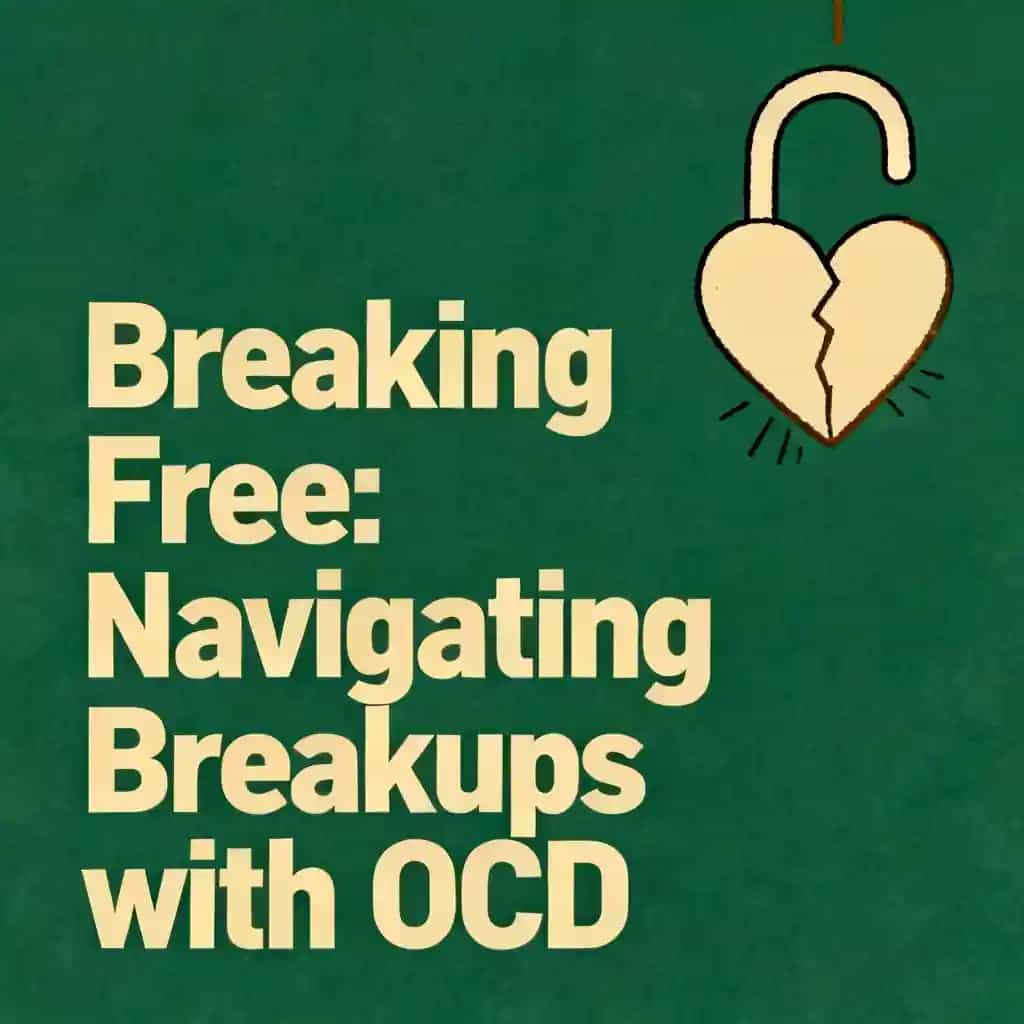
Discover how breakups and OCD create vicious mental cycles, and learn science-backed strategies to rewire your brain's response patterns. From understanding why your mind turns grief into obsessive loops to practical ERP techniques for healing.