Navigating Decision Regret in Cancer Treatment
Explore the psychological weight of medical choices and discover how shared decision-making and self-compassion can help patients find peace after life-altering health journeys.

Miglior citazione da Navigating Decision Regret in Cancer Treatment
True shared decision-making is about finding that 'sweet spot' where the patient feels supported but not abandoned, and informed but not overwhelmed. It’s about moving from 'I’m telling you what to do' to 'I’m helping you choose what’s right for you.'
Generated by Patrick
Decision regret in cancer


Domande frequenti
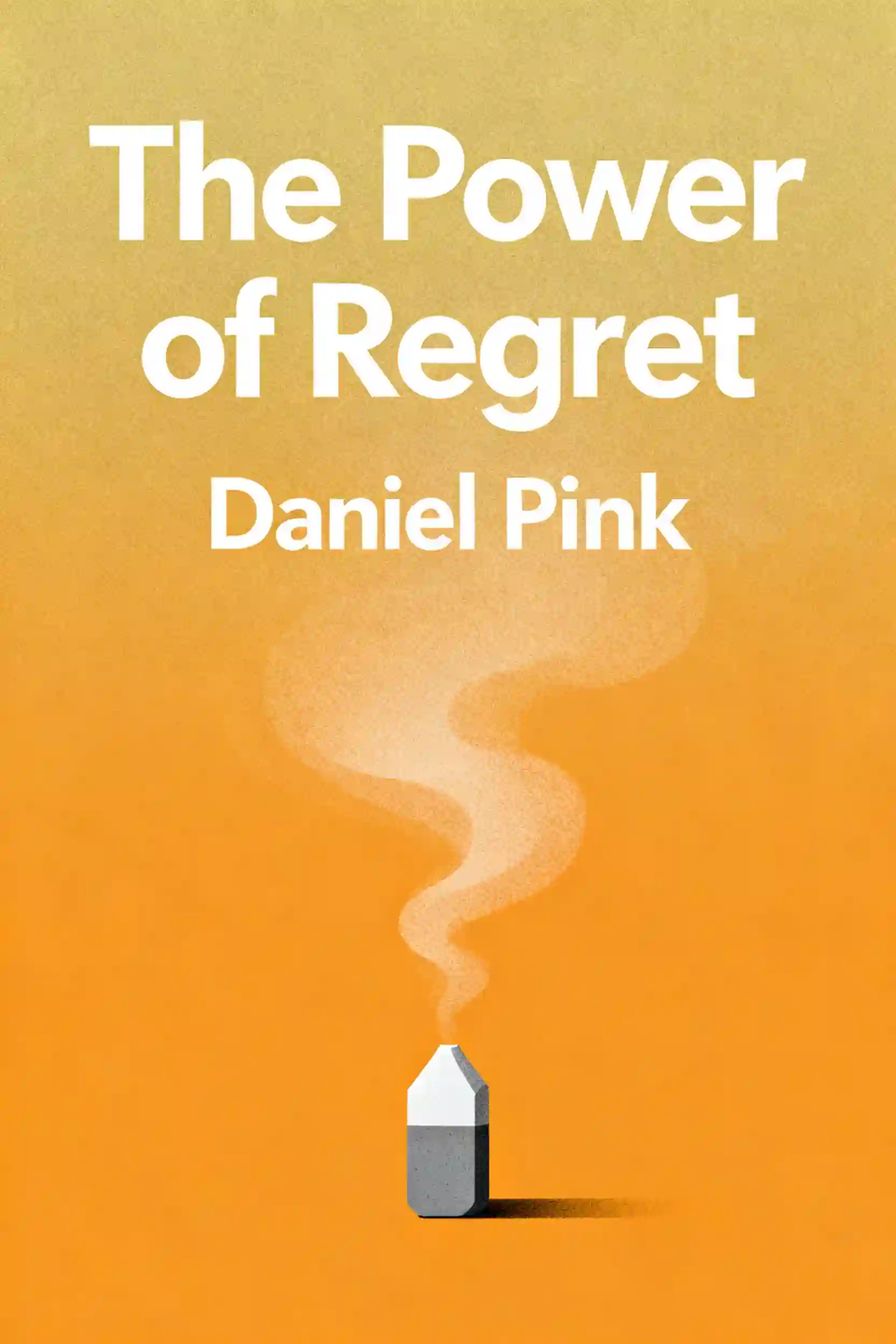
Decision regret is defined as a negative emotion involving remorse or distress over a healthcare choice, often accompanied by self-recrimination or the feeling that one "should have known better." It is a significant issue in cancer treatment; for example, studies show that nearly 40% of head-and-neck cancer patients experience high levels of regret years after treatment. Depending on the type of cancer and the specific study, regret rates can range from as low as 2.5% to as high as 69%.
Regret is often tied to the "reality slap," which is the gap between a patient's expectations and the long-term side effects of a treatment. This is particularly common in cases of "overtreatment," where a patient with a good prognosis chooses an aggressive path—like surgery for organ-confined prostate cancer—and later struggles with permanent functional changes like incontinence or loss of sexual health. In these instances, the patient may look back and wonder if a less invasive option, such as active surveillance, would have been equally effective without the high physical "cost."
Shared decision-making acts as an emotional buffer because it shifts the "decisional burden" away from the patient alone. When a patient feels they made a choice in partnership with an engaged and caring medical team, they are less likely to carry the full weight of self-blame if the outcome isn't perfect. Research indicates that this collaborative approach can reduce the odds of regret by as much as 40%, as it ensures the choice is aligned with the patient's personal values and that they feel "witnessed" in their decision.
Quality and timing of information are more critical than the sheer volume of data. Patients who receive tailored information and use decision aids, such as picture-based tools or value-clarification worksheets, generally report lower levels of regret. Conversely, barriers like language proficiency, cultural factors, or high pre-consultation anxiety can lead to a "regret trap," where a patient agrees to a treatment they don't fully understand. When information is too technical or delivered under extreme time pressure, patients often feel panicked, which narrows their ability to weigh long-term trade-offs.
Regret is not always stable and can actually increase years after a procedure as long-term side effects become a daily reality. It is often fueled by "outcome bias," where a person judges their past decision based on the result rather than the information they had at the time. Managing this involves mental health support, peer groups, and self-compassion. Reframing the situation to recognize that a "bad outcome" does not mean a "bad decision" was made can help patients process these feelings and find peace with their journey.
Creato da alumni della Columbia University a San Francisco
"Instead of endless scrolling, I just hit play on BeFreed. It saves me so much time."


"I never knew where to start with nonfiction—BeFreed’s book lists turned into podcasts gave me a clear path."


"Perfect balance between learning and entertainment. Finished ‘Thinking, Fast and Slow’ on my commute this week."
"Crazy how much I learned while walking the dog. BeFreed = small habits → big gains."
"Reading used to feel like a chore. Now it’s just part of my lifestyle."

"Feels effortless compared to reading. I’ve finished 6 books this month already."
"BeFreed turned my guilty doomscrolling into something that feels productive and inspiring."

"BeFreed turned my commute into learning time. 20-min podcasts are perfect for finishing books I never had time for."
"BeFreed replaced my podcast queue. Imagine Spotify for books — that’s it. 🙌"

"It is great for me to learn something from the book without reading it."
"The themed book list podcasts help me connect ideas across authors—like a guided audio journey."
"Makes me feel smarter every time before going to work"
Creato da alumni della Columbia University a San Francisco
"Instead of endless scrolling, I just hit play on BeFreed. It saves me so much time."
"I never knew where to start with nonfiction—BeFreed’s book lists turned into podcasts gave me a clear path."
"Perfect balance between learning and entertainment. Finished ‘Thinking, Fast and Slow’ on my commute this week."
"Crazy how much I learned while walking the dog. BeFreed = small habits → big gains."
"Reading used to feel like a chore. Now it’s just part of my lifestyle."
"Feels effortless compared to reading. I’ve finished 6 books this month already."
"BeFreed turned my guilty doomscrolling into something that feels productive and inspiring."
"BeFreed turned my commute into learning time. 20-min podcasts are perfect for finishing books I never had time for."
"BeFreed replaced my podcast queue. Imagine Spotify for books — that’s it. 🙌"
"It is great for me to learn something from the book without reading it."
"The themed book list podcasts help me connect ideas across authors—like a guided audio journey."
"Makes me feel smarter every time before going to work"
"Instead of endless scrolling, I just hit play on BeFreed. It saves me so much time."
"I never knew where to start with nonfiction—BeFreed’s book lists turned into podcasts gave me a clear path."
"Perfect balance between learning and entertainment. Finished ‘Thinking, Fast and Slow’ on my commute this week."
"Crazy how much I learned while walking the dog. BeFreed = small habits → big gains."
"Reading used to feel like a chore. Now it’s just part of my lifestyle."
"Feels effortless compared to reading. I’ve finished 6 books this month already."
"BeFreed turned my guilty doomscrolling into something that feels productive and inspiring."
"BeFreed turned my commute into learning time. 20-min podcasts are perfect for finishing books I never had time for."
"BeFreed replaced my podcast queue. Imagine Spotify for books — that’s it. 🙌"
"It is great for me to learn something from the book without reading it."
"The themed book list podcasts help me connect ideas across authors—like a guided audio journey."
"Makes me feel smarter every time before going to work"
"Instead of endless scrolling, I just hit play on BeFreed. It saves me so much time."
"I never knew where to start with nonfiction—BeFreed’s book lists turned into podcasts gave me a clear path."
"Perfect balance between learning and entertainment. Finished ‘Thinking, Fast and Slow’ on my commute this week."
"Crazy how much I learned while walking the dog. BeFreed = small habits → big gains."
"Reading used to feel like a chore. Now it’s just part of my lifestyle."
"Feels effortless compared to reading. I’ve finished 6 books this month already."
"BeFreed turned my guilty doomscrolling into something that feels productive and inspiring."
"BeFreed turned my commute into learning time. 20-min podcasts are perfect for finishing books I never had time for."
"BeFreed replaced my podcast queue. Imagine Spotify for books — that’s it. 🙌"
"It is great for me to learn something from the book without reading it."
"The themed book list podcasts help me connect ideas across authors—like a guided audio journey."
"Makes me feel smarter every time before going to work"