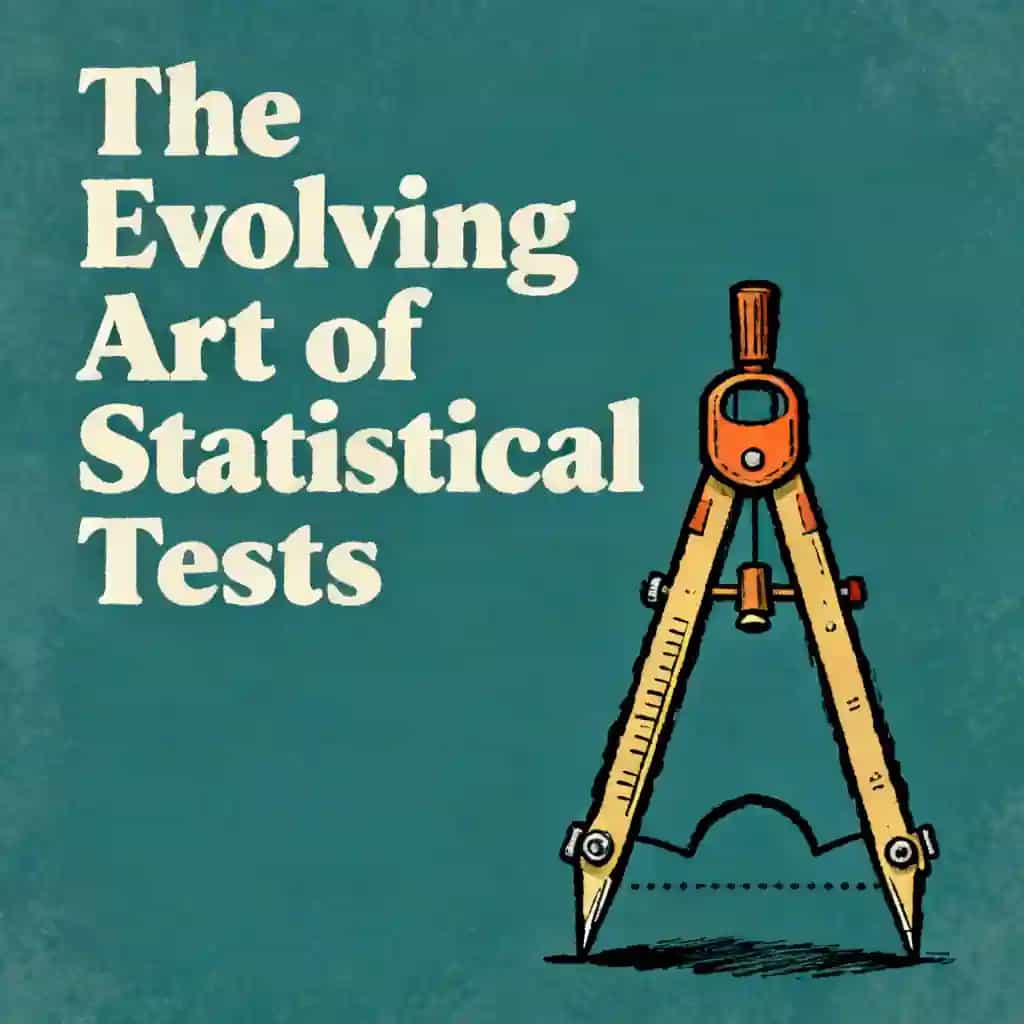
Miglior citazione da Statistical Adjustments for Multiple Comparisons: Methods and Use
The more questions you ask the data, the more likely it is to lie to you. Without corrections, we are just playing a game of chance and calling it science.

Questa lezione audio è stata creata da un membro della comunità BeFreed
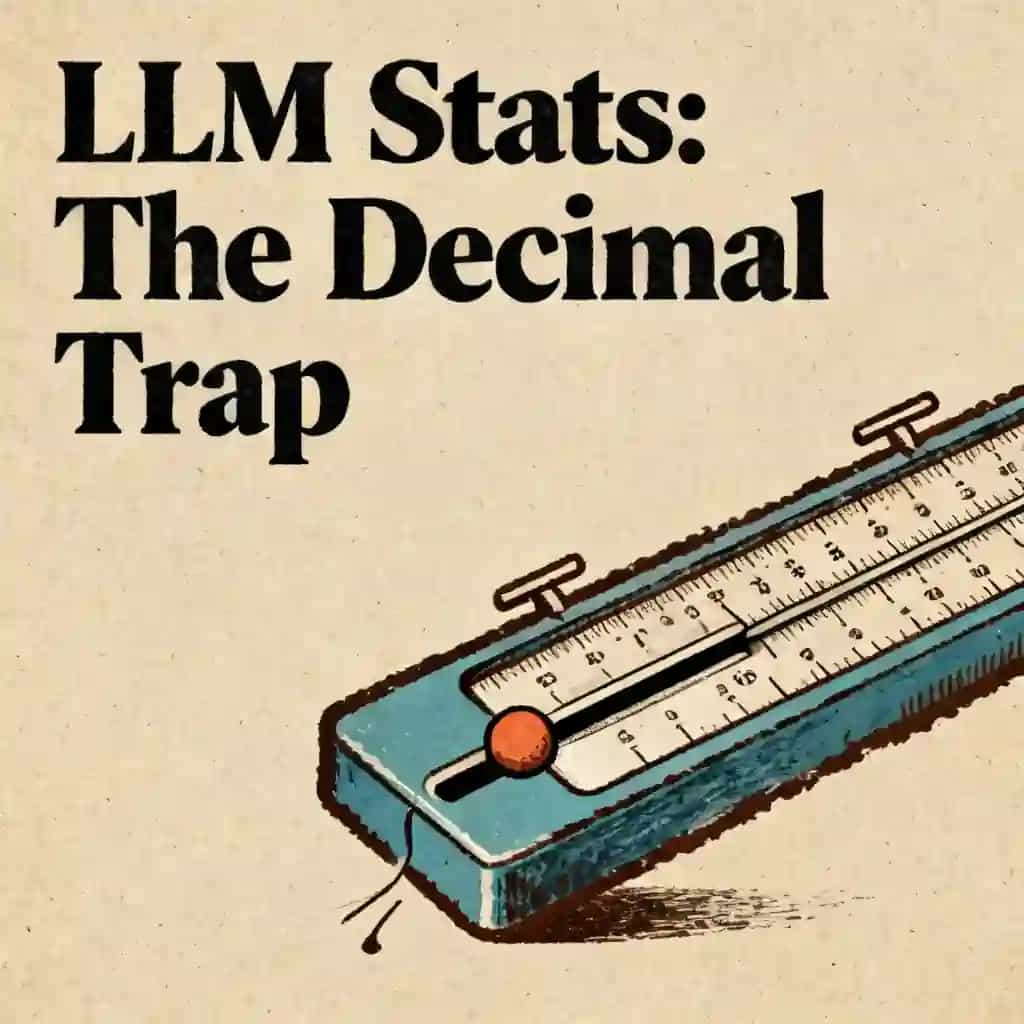
Statistical adjustments for multiple comparisons

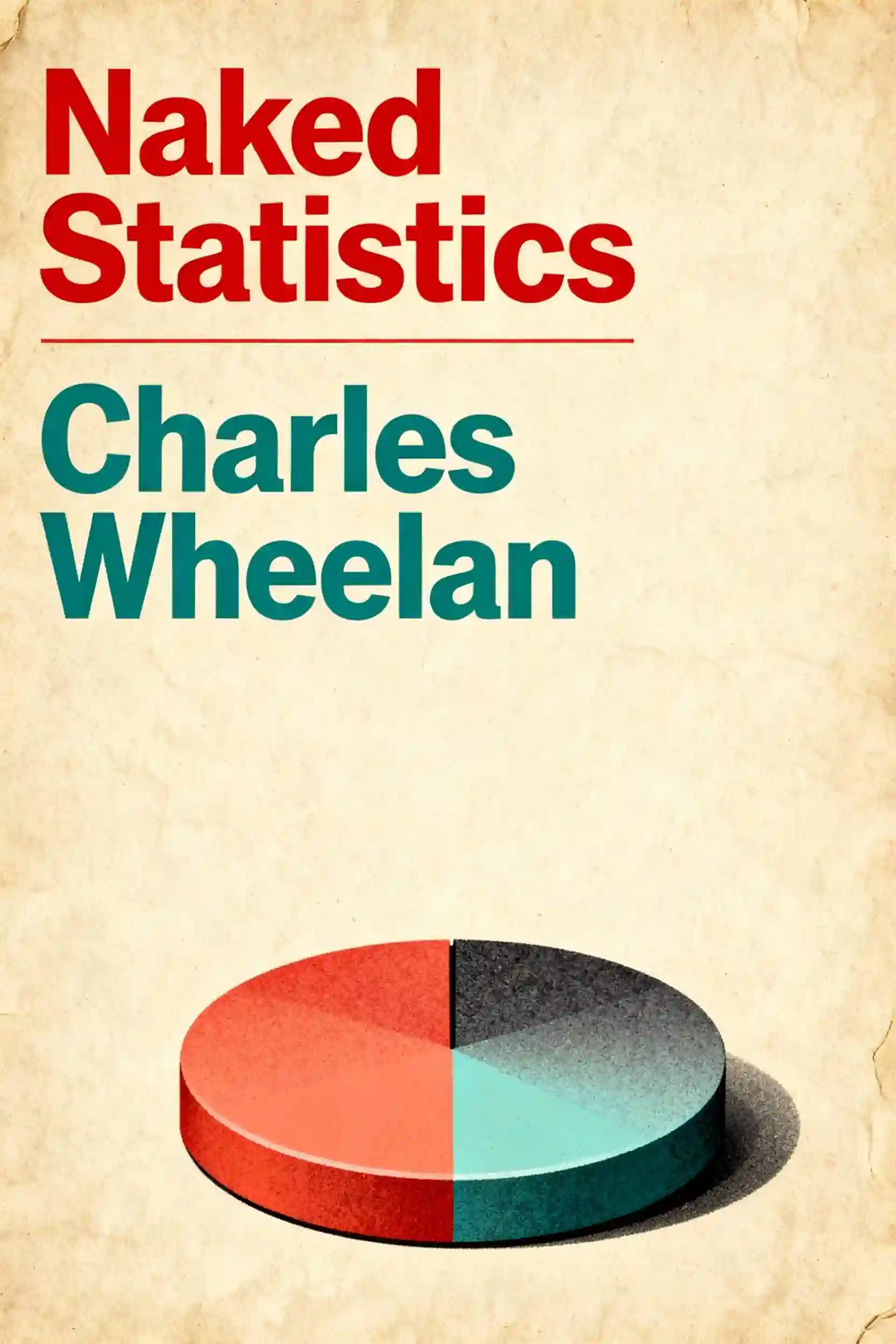
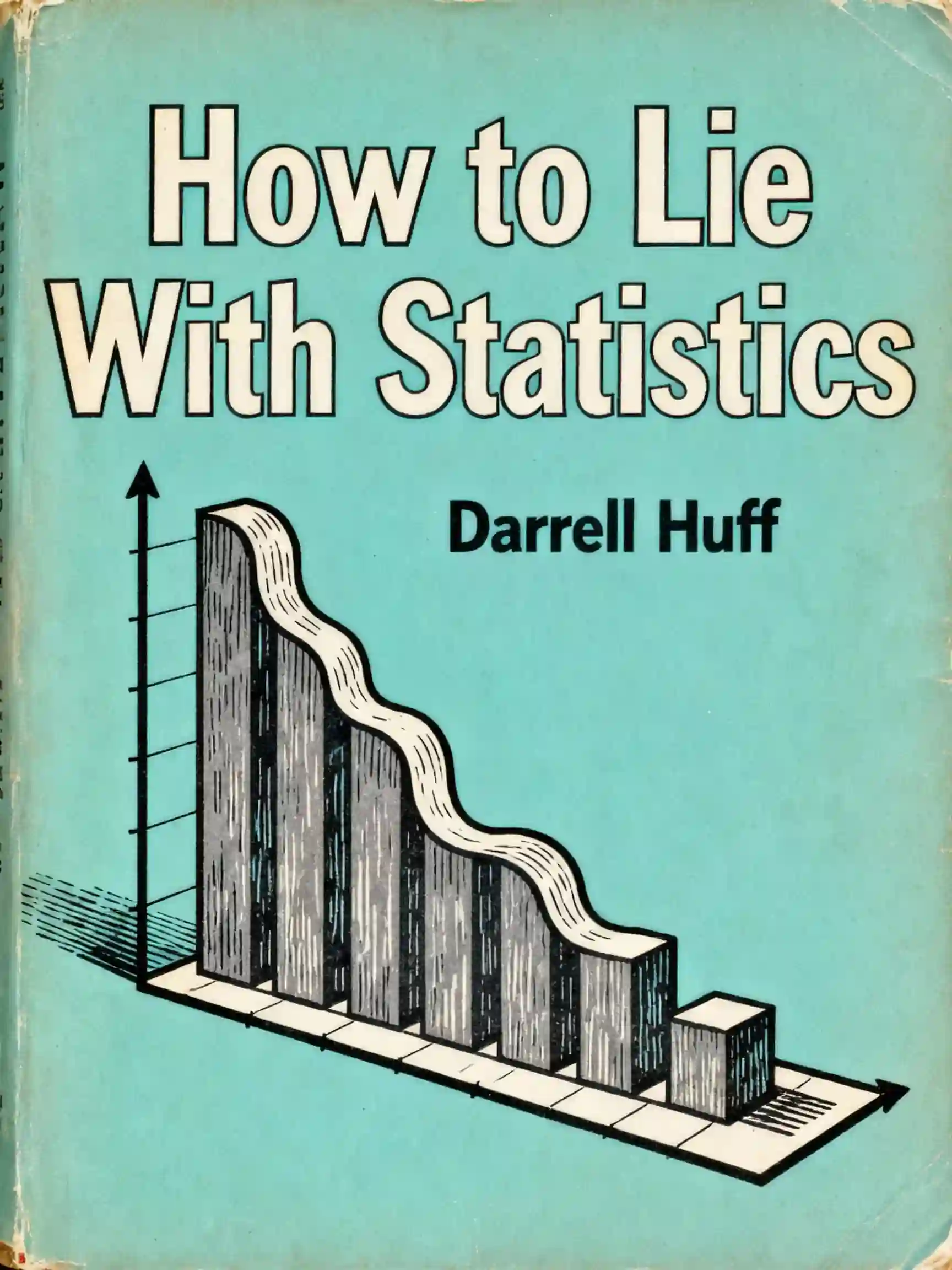
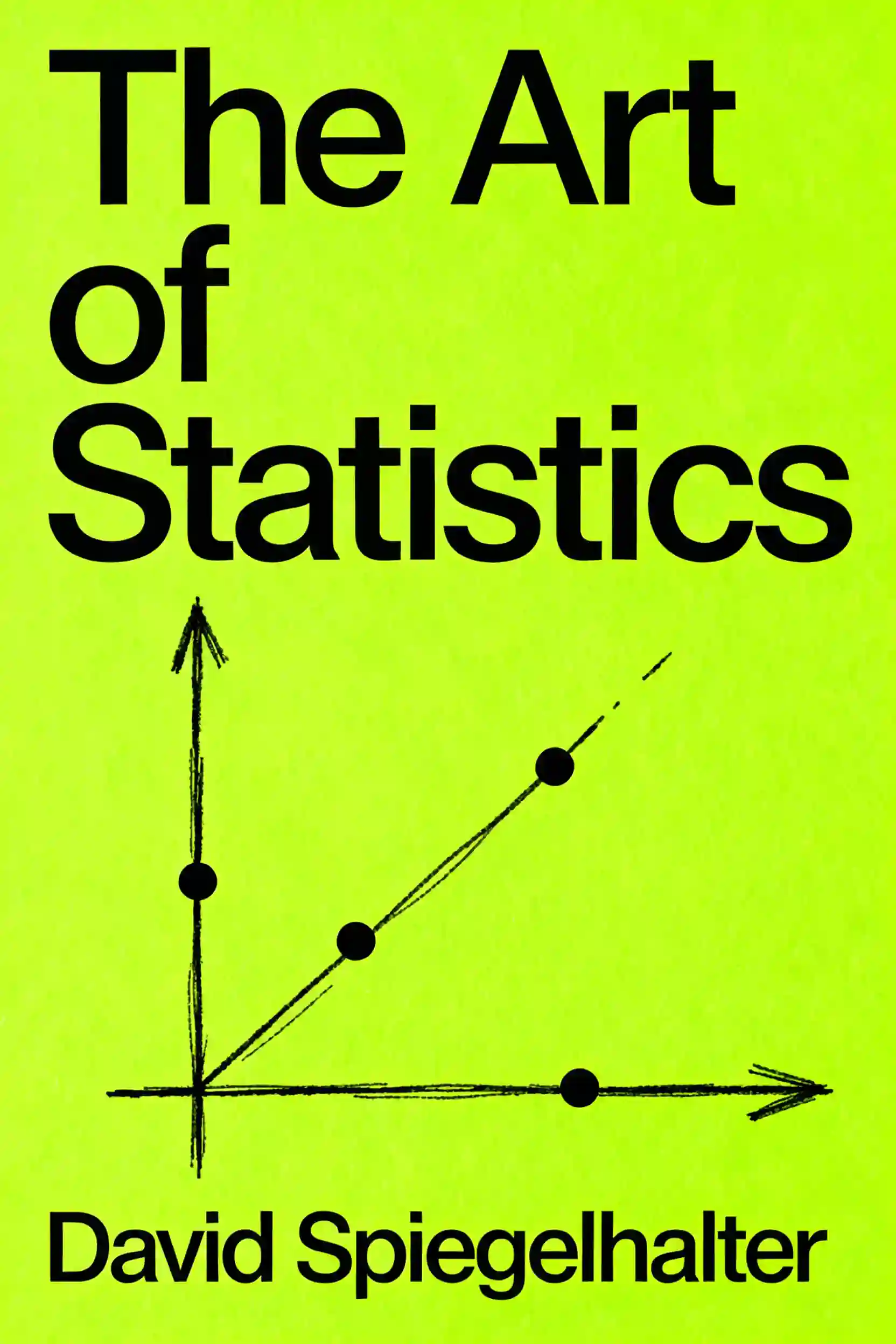
Domande frequenti
Statistical adjustments for multiple comparisons are techniques used to maintain the integrity of hypothesis testing when conducting several tests simultaneously. When you perform multiple tests, the probability of encountering a Type I error, or a false positive, increases significantly. These adjustments modify the significance thresholds or p-values to ensure that the overall error rate remains controlled, providing more reliable results in complex data sets.
The Bonferroni correction is one of the most common methods for p-value correction. It functions by dividing the desired alpha level by the total number of statistical tests being performed. This creates a more stringent threshold for significance, effectively reducing the likelihood of rejecting a true null hypothesis by mistake. While highly effective at controlling Type I errors, it is often considered conservative, especially when dealing with a large number of comparisons.
The primary difference lies in how they control for errors during hypothesis testing. The Bonferroni correction strictly controls the family-wise error rate, making it less likely to find any false positives but potentially missing real effects. In contrast, the False Discovery Rate (FDR) approach manages the expected proportion of false discoveries among the rejected hypotheses. FDR is generally more powerful and less conservative, making it ideal for exploratory research or high-throughput data analysis.
P-value correction is necessary because the standard significance level of 0.05 assumes a single test is being conducted. If you run twenty independent tests at that level, there is a high mathematical probability that at least one result will appear significant purely by chance. By applying statistical adjustments, researchers can account for these multiple comparisons, thereby protecting the validity of their conclusions and preventing the inflation of Type I error rates.
Scopri di più

Study Nate Silver's statistical methods
In an era of data overload, the ability to filter out noise is a critical competitive advantage. This plan is ideal for data analysts, political junkies, and sports bettors who want to adopt the rigorous, Bayesian-inspired framework that made Nate Silver a household name.

Your Brain is Cooked: How to Unf*ck Your Brainrot
Breaking free from brainrot isn’t about willpower—it’s about understanding how overstimulation rewires your brain.
BeFreed Team

Catch brain sabotage patterns while learning
Many learners struggle with invisible mental barriers that stall their growth despite having the right resources. This plan is designed for students and professionals who want to master their psychology, dismantle perfectionism, and build a resilient system for rapid skill acquisition.

Molecular Logic of the Synapse
This learning plan provides a deep dive into the fundamental biophysics and biochemistry that drive neural communication. It is ideal for students of neuroscience, biochemistry, or pharmacology looking to understand how the brain processes sensory data and how toxins disrupt these vital pathways.

Oliver sacks and Alex boese
This learning plan bridges the gap between neurological observation and skeptical inquiry, offering a unique look at how our brains process reality. It is ideal for curious minds, students of psychology, and anyone looking to sharpen their critical thinking skills against modern misinformation.

Neuroscience, Behavior & Innovation Study
This study plan bridges the gap between biological brain function and practical business application. It is ideal for leaders, entrepreneurs, and creatives who want to leverage scientific insights to improve their decision-making and drive organizational innovation.

Improve in Statistics & Neuropsychology
This learning plan bridges the gap between biological brain function and rigorous data analysis. It is essential for researchers, students, or clinicians looking to master the quantitative side of behavioral science and neuropsychology.
The Brain's Brutal Trade-offs
This plan explores the biological 'price' of human intelligence, from metabolic demands to the challenges of raising vulnerable offspring. It is ideal for students of evolutionary biology, psychology, or anthropology seeking to understand the trade-offs that shaped the modern mind.
Creato da alumni della Columbia University a San Francisco
"Instead of endless scrolling, I just hit play on BeFreed. It saves me so much time."


"I never knew where to start with nonfiction—BeFreed’s book lists turned into podcasts gave me a clear path."


"Perfect balance between learning and entertainment. Finished ‘Thinking, Fast and Slow’ on my commute this week."
"Crazy how much I learned while walking the dog. BeFreed = small habits → big gains."
"Reading used to feel like a chore. Now it’s just part of my lifestyle."

"Feels effortless compared to reading. I’ve finished 6 books this month already."
"BeFreed turned my guilty doomscrolling into something that feels productive and inspiring."

"BeFreed turned my commute into learning time. 20-min podcasts are perfect for finishing books I never had time for."
"BeFreed replaced my podcast queue. Imagine Spotify for books — that’s it. 🙌"

"It is great for me to learn something from the book without reading it."
"The themed book list podcasts help me connect ideas across authors—like a guided audio journey."
"Makes me feel smarter every time before going to work"
Creato da alumni della Columbia University a San Francisco
"Instead of endless scrolling, I just hit play on BeFreed. It saves me so much time."
"I never knew where to start with nonfiction—BeFreed’s book lists turned into podcasts gave me a clear path."
"Perfect balance between learning and entertainment. Finished ‘Thinking, Fast and Slow’ on my commute this week."
"Crazy how much I learned while walking the dog. BeFreed = small habits → big gains."
"Reading used to feel like a chore. Now it’s just part of my lifestyle."
"Feels effortless compared to reading. I’ve finished 6 books this month already."
"BeFreed turned my guilty doomscrolling into something that feels productive and inspiring."
"BeFreed turned my commute into learning time. 20-min podcasts are perfect for finishing books I never had time for."
"BeFreed replaced my podcast queue. Imagine Spotify for books — that’s it. 🙌"
"It is great for me to learn something from the book without reading it."
"The themed book list podcasts help me connect ideas across authors—like a guided audio journey."
"Makes me feel smarter every time before going to work"
"Instead of endless scrolling, I just hit play on BeFreed. It saves me so much time."
"I never knew where to start with nonfiction—BeFreed’s book lists turned into podcasts gave me a clear path."
"Perfect balance between learning and entertainment. Finished ‘Thinking, Fast and Slow’ on my commute this week."
"Crazy how much I learned while walking the dog. BeFreed = small habits → big gains."
"Reading used to feel like a chore. Now it’s just part of my lifestyle."
"Feels effortless compared to reading. I’ve finished 6 books this month already."
"BeFreed turned my guilty doomscrolling into something that feels productive and inspiring."
"BeFreed turned my commute into learning time. 20-min podcasts are perfect for finishing books I never had time for."
"BeFreed replaced my podcast queue. Imagine Spotify for books — that’s it. 🙌"
"It is great for me to learn something from the book without reading it."
"The themed book list podcasts help me connect ideas across authors—like a guided audio journey."
"Makes me feel smarter every time before going to work"
"Instead of endless scrolling, I just hit play on BeFreed. It saves me so much time."
"I never knew where to start with nonfiction—BeFreed’s book lists turned into podcasts gave me a clear path."
"Perfect balance between learning and entertainment. Finished ‘Thinking, Fast and Slow’ on my commute this week."
"Crazy how much I learned while walking the dog. BeFreed = small habits → big gains."
"Reading used to feel like a chore. Now it’s just part of my lifestyle."
"Feels effortless compared to reading. I’ve finished 6 books this month already."
"BeFreed turned my guilty doomscrolling into something that feels productive and inspiring."
"BeFreed turned my commute into learning time. 20-min podcasts are perfect for finishing books I never had time for."
"BeFreed replaced my podcast queue. Imagine Spotify for books — that’s it. 🙌"
"It is great for me to learn something from the book without reading it."
"The themed book list podcasts help me connect ideas across authors—like a guided audio journey."
"Makes me feel smarter every time before going to work"