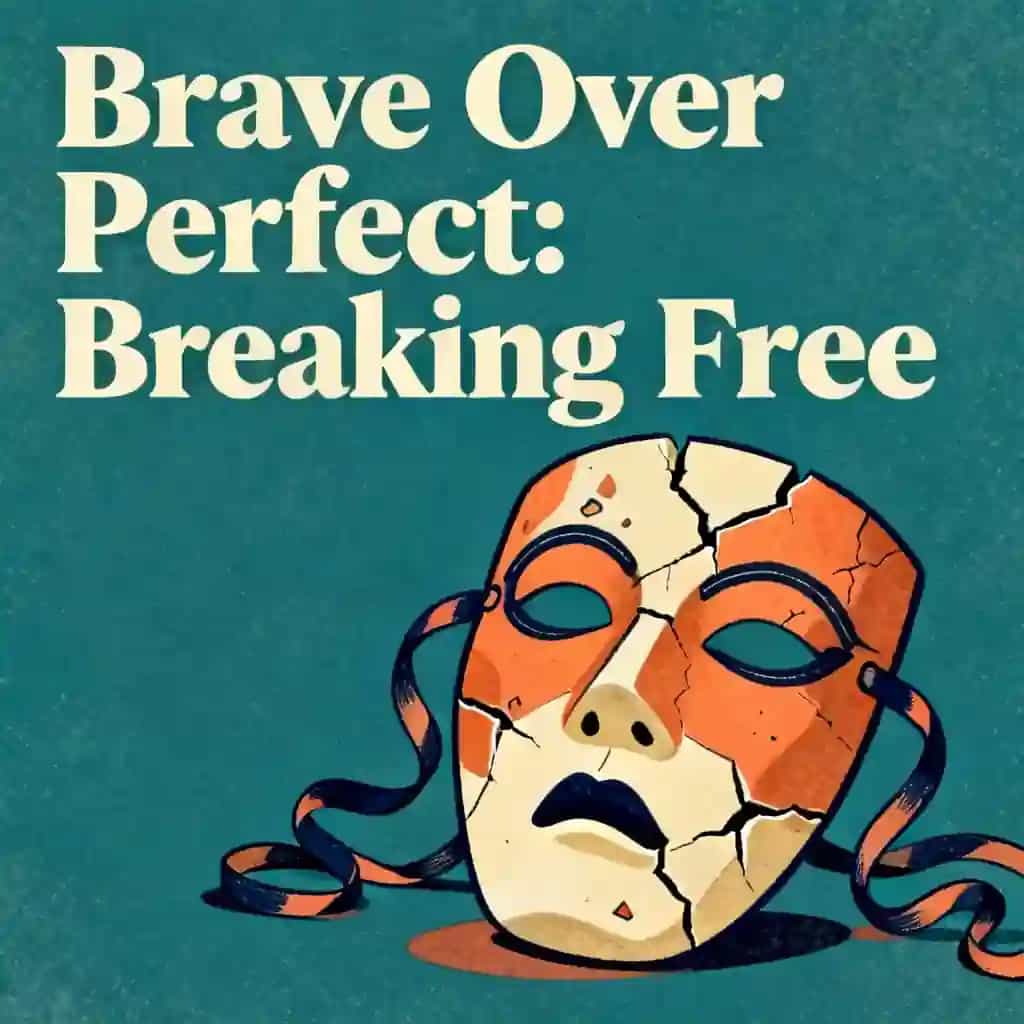
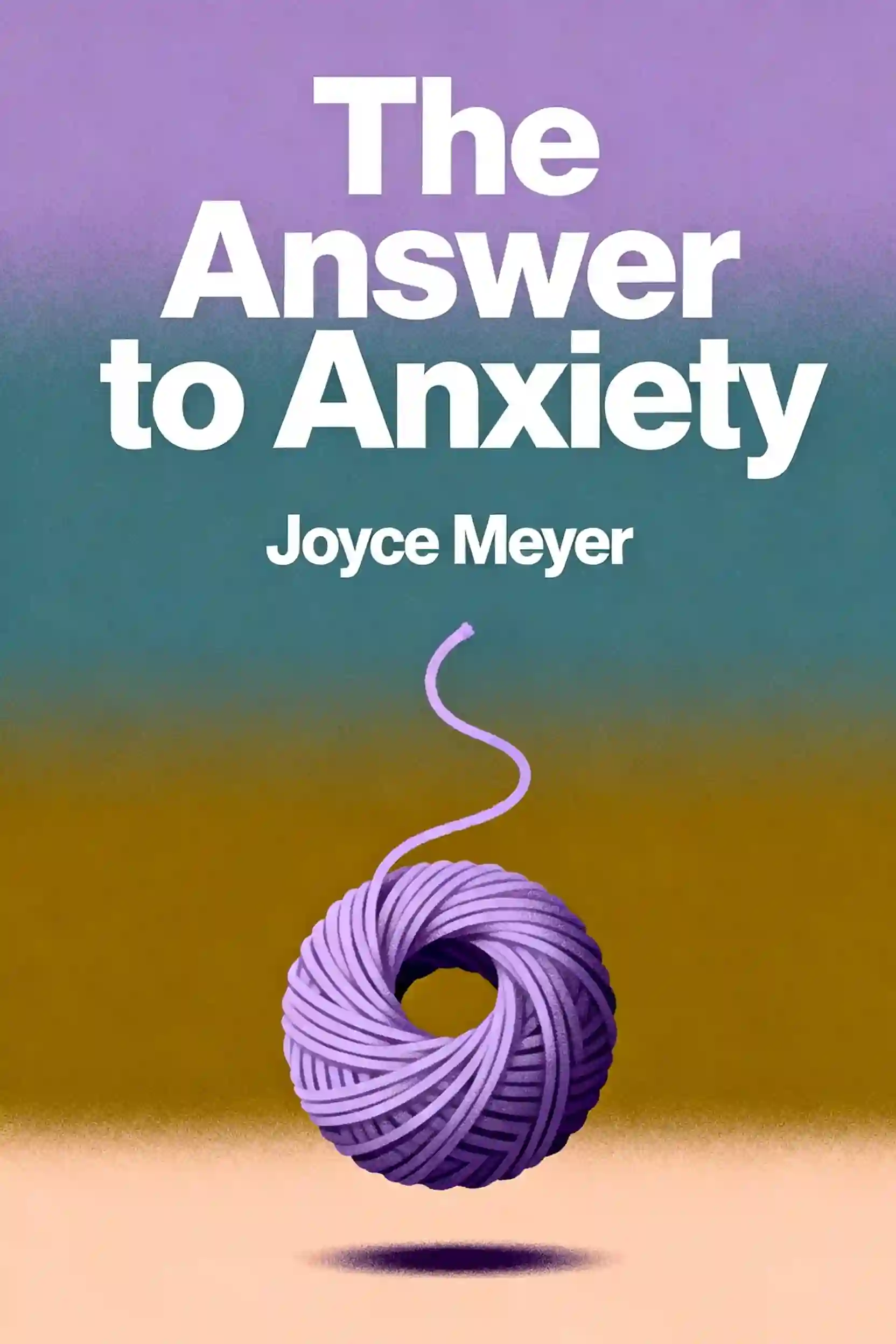
Moving from Fear to Spiritual Freedom
Exhausted by constant anxiety? Learn why fear isn't a weakness and how shifting your trust can help you trade survival mode for lasting peace.

Miglior citazione da Moving from Fear to Spiritual Freedom
Rumination is just unguided meditation. We’re already practicing the skill; we just need to change the content by interrupting anxious loops with theological alignment.

Questa lezione audio è stata creata da un membro della comunità BeFreed
Positive mindset. Spiritual maturity and freedom. Faith. Staying focused and trusting myself. Letting go of the past. Eradicate fear. Trusting God. Good healthy habits. Becoming the best version of myself. No fear or anxiety



Domande frequenti
According to the script, anxiety is not a spiritual failure but a protective nervous system response. The Bible recognizes the physical reality of fear through terms like merimnaō (a divided heart) and tsarah (a sense of tightness). Even pillars of faith like David and Elijah experienced profound distress, showing that humans are whole beings—mind, body, and spirit—and having a nervous system that reacts to stress is a universal human experience rather than a lack of belief.
This concept refers to being radically honest about the specific fears that paralyze us. Instead of using "noble" or soft language like being "prudent" or "cautious," the script suggests admitting when we are actually afraid or acting out of cowardice. By naming the fear accurately, it loses its mask of virtue, allowing an individual to confront how that fear might be violating their core values and preventing them from taking necessary risks.
Mental mapping is a practical tool used to visualize the various factors contributing to emotional distress. By drawing a circle around a main cause of anxiety and then drawing lines to all the contributing factors—such as work, finances, or relationships—a person can see the "divided" parts of their mind on paper. This allows for a "cognitive re-orientation" where one can pray over each specific item and identify erroneous beliefs, such as the feeling that they must control every outcome alone.
The script distinguishes the two by their tone and physical sensation. Trauma responses are typically loud, urgent, and characterized by a "the sky is falling" sense of panic. In contrast, true spiritual guidance or intuition is described as feeling calm, grounded, and steady. Building "mental scaffolding" through consistent faith-filled thoughts helps retrain the brain's internal receiver to distinguish these frantic survival signals from a peaceful, God-directed "still, small voice."
Gratitude serves as a tool to shift the brain out of "threat-scanning mode." While anxiety narrows a person's focus until they can only see the problem, gratitude pulls the "camera" back to include daily mercies and positive context. The script notes that one does not have to be thankful for the circumstances causing anxiety, but practicing gratitude in those circumstances helps the nervous system feel safe enough to move from a state of fight-or-flight into sound judgment.
Scopri di più

Overcome fear and regain control of my life
Fear can paralyze even the most capable individuals, preventing them from living fully and pursuing meaningful goals. This learning plan provides practical tools for anyone feeling stuck in anxiety patterns, helping them recognize fear triggers, take courageous action, and develop the mental resilience needed to reclaim control of their life.

Unshakable Self-Trust
This plan is designed for individuals who struggle with chronic second-guessing and social anxiety. It provides a practical roadmap to shift from paralyzing overthinking to decisive action by building a foundation of internal validation.

Stop Spiraling and Start Living
This plan is essential for anyone struggling with overthinking, chronic worry, or the physical symptoms of anxiety. It provides a practical roadmap for individuals looking to regain control over their thoughts and find emotional stability in high-pressure situations.

Breaking Free from Shame
This plan is essential for professionals and individuals whose growth is stalled by persistent self-doubt and social withdrawal. It provides actionable tools to dismantle toxic shame and replace it with grounded confidence and resilient connections.

From Bracing to Breathing
This plan is essential for survivors of emotional abuse seeking to untangle their true identity from trauma-induced defense mechanisms. It is designed for anyone struggling with avoidant attachment or chronic hypervigilance who wants to restore a sense of safety and flow in their relationships.

Unshakable Presence: From Hesitation to Action
This plan is designed for professionals who feel sidelined by anxiety or the need for external validation. It provides the psychological tools to transform hesitation into assertive action, making it ideal for those looking to command more respect and influence in their careers.

Build resilience to exit my comfort zone
Comfort zones limit potential and prevent meaningful growth, yet most people struggle to push beyond familiar territory due to fear and uncertainty. This learning plan equips anyone feeling stuck or resistant to change with the psychological tools and practical strategies needed to build resilience and embrace discomfort as a pathway to personal transformation.

From Avoidance to Social Action
This plan is designed for individuals who feel held back by social anxiety or a persistent fear of judgment. It provides a biological and behavioral framework to move from passive avoidance to active, confident social engagement.
Creato da alumni della Columbia University a San Francisco
"Instead of endless scrolling, I just hit play on BeFreed. It saves me so much time."


"I never knew where to start with nonfiction—BeFreed’s book lists turned into podcasts gave me a clear path."


"Perfect balance between learning and entertainment. Finished ‘Thinking, Fast and Slow’ on my commute this week."
"Crazy how much I learned while walking the dog. BeFreed = small habits → big gains."
"Reading used to feel like a chore. Now it’s just part of my lifestyle."

"Feels effortless compared to reading. I’ve finished 6 books this month already."
"BeFreed turned my guilty doomscrolling into something that feels productive and inspiring."

"BeFreed turned my commute into learning time. 20-min podcasts are perfect for finishing books I never had time for."
"BeFreed replaced my podcast queue. Imagine Spotify for books — that’s it. 🙌"

"It is great for me to learn something from the book without reading it."
"The themed book list podcasts help me connect ideas across authors—like a guided audio journey."
"Makes me feel smarter every time before going to work"
Creato da alumni della Columbia University a San Francisco
"Instead of endless scrolling, I just hit play on BeFreed. It saves me so much time."
"I never knew where to start with nonfiction—BeFreed’s book lists turned into podcasts gave me a clear path."
"Perfect balance between learning and entertainment. Finished ‘Thinking, Fast and Slow’ on my commute this week."
"Crazy how much I learned while walking the dog. BeFreed = small habits → big gains."
"Reading used to feel like a chore. Now it’s just part of my lifestyle."
"Feels effortless compared to reading. I’ve finished 6 books this month already."
"BeFreed turned my guilty doomscrolling into something that feels productive and inspiring."
"BeFreed turned my commute into learning time. 20-min podcasts are perfect for finishing books I never had time for."
"BeFreed replaced my podcast queue. Imagine Spotify for books — that’s it. 🙌"
"It is great for me to learn something from the book without reading it."
"The themed book list podcasts help me connect ideas across authors—like a guided audio journey."
"Makes me feel smarter every time before going to work"
"Instead of endless scrolling, I just hit play on BeFreed. It saves me so much time."
"I never knew where to start with nonfiction—BeFreed’s book lists turned into podcasts gave me a clear path."
"Perfect balance between learning and entertainment. Finished ‘Thinking, Fast and Slow’ on my commute this week."
"Crazy how much I learned while walking the dog. BeFreed = small habits → big gains."
"Reading used to feel like a chore. Now it’s just part of my lifestyle."
"Feels effortless compared to reading. I’ve finished 6 books this month already."
"BeFreed turned my guilty doomscrolling into something that feels productive and inspiring."
"BeFreed turned my commute into learning time. 20-min podcasts are perfect for finishing books I never had time for."
"BeFreed replaced my podcast queue. Imagine Spotify for books — that’s it. 🙌"
"It is great for me to learn something from the book without reading it."
"The themed book list podcasts help me connect ideas across authors—like a guided audio journey."
"Makes me feel smarter every time before going to work"
"Instead of endless scrolling, I just hit play on BeFreed. It saves me so much time."
"I never knew where to start with nonfiction—BeFreed’s book lists turned into podcasts gave me a clear path."
"Perfect balance between learning and entertainment. Finished ‘Thinking, Fast and Slow’ on my commute this week."
"Crazy how much I learned while walking the dog. BeFreed = small habits → big gains."
"Reading used to feel like a chore. Now it’s just part of my lifestyle."
"Feels effortless compared to reading. I’ve finished 6 books this month already."
"BeFreed turned my guilty doomscrolling into something that feels productive and inspiring."
"BeFreed turned my commute into learning time. 20-min podcasts are perfect for finishing books I never had time for."
"BeFreed replaced my podcast queue. Imagine Spotify for books — that’s it. 🙌"
"It is great for me to learn something from the book without reading it."
"The themed book list podcasts help me connect ideas across authors—like a guided audio journey."
"Makes me feel smarter every time before going to work"