BeFreed
    Categories>Finance & Economics>Money Management to Credit Building Success

    Money Management to Credit Building Success

    37 min
    |
    |
    18 feb 2026
    FinancePersonal DevelopmentEconomics

    Learn the foundational money management skills needed before building credit, plus 30-day quick wins to start your credit journey without falling into debt traps.

    Money Management to Credit Building Success

    Miglior citazione da Money Management to Credit Building Success

    “

    Building credit isn't really about credit at all; it's about money management. If you don't understand how to manage money first, you can end up in deep debt that impacts your financial wellbeing for years.

    ”

    Questa lezione audio è stata creata da un membro della comunità BeFreed

    Domanda di input

    How to manage my money better, so I can build my credit.

    Voci dei presentatori
    Lenaplay
    Milesplay
    Stile di apprendimento
    Approfondito
    Fonti di conoscenza
    The Total Money Makeover
    Know Yourself, Know Your Money
    Money
    Dave Ramseys Complete Guide To Money The Handbook Of Financial Peace University
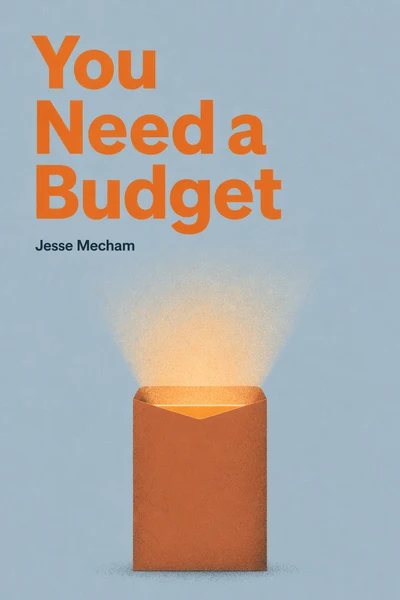
    You Need a Budget
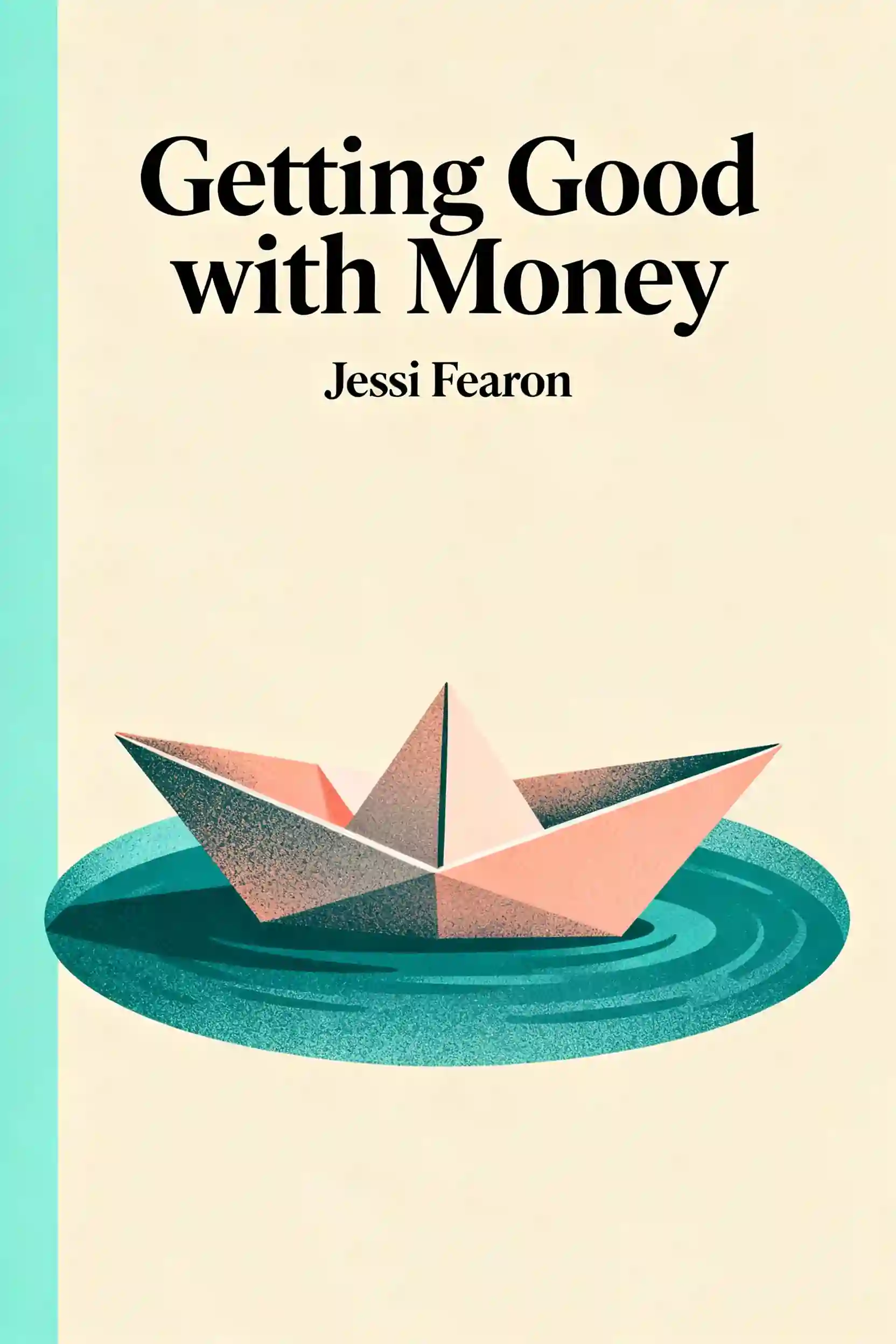
    Getting Good with Money

    Scopri di più

    Best ways to manage money

    Best ways to manage money

    PIANO DI APPRENDIMENTO

    Best ways to manage money

    Effective money management is the cornerstone of financial security and freedom, yet most people never receive formal education in personal finance. This learning plan is ideal for anyone looking to take control of their financial future—whether you're just starting your career, struggling with debt, or ready to accelerate your path to financial independence.

    2 h 20 m•4 Sezioni
    Money management

    Money management

    PIANO DI APPRENDIMENTO

    Money management

    Financial literacy is essential for achieving stability and building wealth in today's complex economy. This learning plan provides a comprehensive roadmap for anyone looking to take control of their finances, eliminate debt, and develop strategies for long-term financial independence.

    2 h 46 m•4 Sezioni
    Manage money better

    Manage money better

    PIANO DI APPRENDIMENTO

    Manage money better

    Financial stress affects millions of people who lack the foundational knowledge to manage money effectively. This learning plan is ideal for anyone feeling overwhelmed by debt, struggling to save consistently, or uncertain about how to build wealth for the future. Whether you're just starting your financial journey or looking to optimize your existing finances, these modules provide a clear path from basic money management to advanced wealth-building strategies.

    2 h 27 m•4 Sezioni
    Build stronger money mindset

    Build stronger money mindset

    PIANO DI APPRENDIMENTO

    Build stronger money mindset

    This learning plan addresses the critical gap between knowing what to do with money and actually doing it—a gap that keeps most people from building wealth regardless of their income. It's designed for anyone who feels stuck in their financial life, experiences anxiety around money, or knows they should be doing better financially but can't seem to break through their own behavioral patterns.

    1 h 48 m•4 Sezioni
    Finance, Self-Improvement & Habit Building

    Finance, Self-Improvement & Habit Building

    PIANO DI APPRENDIMENTO

    Finance, Self-Improvement & Habit Building

    This plan bridges the gap between financial literacy and the behavioral psychology required to sustain it. It is ideal for individuals seeking to master their money while building the disciplined habits and mindset necessary for lifelong success.

    2 h 20 m•4 Sezioni
    Achieve Financial Success

    Achieve Financial Success

    PIANO DI APPRENDIMENTO

    Achieve Financial Success

    This learning plan is essential for individuals seeking to move beyond living paycheck to paycheck and build a sustainable financial future. It is designed for aspiring investors and entrepreneurs who want to master everything from foundational budgeting to advanced wealth preservation strategies.

    2 h 9 m•4 Sezioni
    Build financial confidence

    Build financial confidence

    PIANO DI APPRENDIMENTO

    Build financial confidence

    Financial confidence is the foundation for life freedom and security, yet most people never receive proper education on money management, investing, or wealth-building strategies. This learning plan is perfect for anyone who feels anxious about money, wants to take control of their financial future, or aspires to achieve financial independence and design a life on their own terms.

    2 h 3 m•4 Sezioni
    Learn psychology, habits, and finance basics

    Learn psychology, habits, and finance basics

    PIANO DI APPRENDIMENTO

    Learn psychology, habits, and finance basics

    This comprehensive learning plan bridges the gap between self-understanding and practical life skills that directly impact your success and well-being. It's ideal for anyone seeking to take control of their behavior, build better daily routines, and achieve financial security through evidence-based strategies rather than trial and error.

    2 h 1 m•4 Sezioni

    Creato da alumni della Columbia University a San Francisco

    BeFreed Riunisce Una Community Globale Di 1,000,000 Menti Curiose
    Scopri di piu su come si parla di BeFreed nel web

    "Instead of endless scrolling, I just hit play on BeFreed. It saves me so much time."

    @Moemenn
    platform
    star
    star
    star
    star
    star

    "I never knew where to start with nonfiction—BeFreed’s book lists turned into podcasts gave me a clear path."

    @Chloe, Solo founder, LA
    platform
    comments
    12
    likes
    117

    "Perfect balance between learning and entertainment. Finished ‘Thinking, Fast and Slow’ on my commute this week."

    @Raaaaaachelw
    platform
    star
    star
    star
    star
    star

    "Crazy how much I learned while walking the dog. BeFreed = small habits → big gains."

    @Matt, YC alum
    platform
    comments
    12
    likes
    108

    "Reading used to feel like a chore. Now it’s just part of my lifestyle."

    @Erin, Investment Banking Associate , NYC
    platform
    comments
    254
    likes
    17

    "Feels effortless compared to reading. I’ve finished 6 books this month already."

    @djmikemoore
    platform
    star
    star
    star
    star
    star

    "BeFreed turned my guilty doomscrolling into something that feels productive and inspiring."

    @Pitiful
    platform
    comments
    96
    likes
    4.5K

    "BeFreed turned my commute into learning time. 20-min podcasts are perfect for finishing books I never had time for."

    @SofiaP
    platform
    star
    star
    star
    star
    star

    "BeFreed replaced my podcast queue. Imagine Spotify for books — that’s it. 🙌"

    @Jaded_Falcon
    platform
    comments
    201
    thumbsUp
    16

    "It is great for me to learn something from the book without reading it."

    @OojasSalunke
    platform
    star
    star
    star
    star
    star

    "The themed book list podcasts help me connect ideas across authors—like a guided audio journey."

    @Leo, Law Student, UPenn
    platform
    comments
    37
    likes
    483

    "Makes me feel smarter every time before going to work"

    @Cashflowbubu
    platform
    star
    star
    star
    star
    star

    Creato da alumni della Columbia University a San Francisco

    BeFreed Riunisce Una Community Globale Di 1,000,000 Menti Curiose
    Scopri di piu su come si parla di BeFreed nel web

    "Instead of endless scrolling, I just hit play on BeFreed. It saves me so much time."

    @Moemenn
    platform
    star
    star
    star
    star
    star

    "I never knew where to start with nonfiction—BeFreed’s book lists turned into podcasts gave me a clear path."

    @Chloe, Solo founder, LA
    platform
    comments
    12
    likes
    117

    "Perfect balance between learning and entertainment. Finished ‘Thinking, Fast and Slow’ on my commute this week."

    @Raaaaaachelw
    platform
    star
    star
    star
    star
    star

    "Crazy how much I learned while walking the dog. BeFreed = small habits → big gains."

    @Matt, YC alum
    platform
    comments
    12
    likes
    108

    "Reading used to feel like a chore. Now it’s just part of my lifestyle."

    @Erin, Investment Banking Associate , NYC
    platform
    comments
    254
    likes
    17

    "Feels effortless compared to reading. I’ve finished 6 books this month already."

    @djmikemoore
    platform
    star
    star
    star
    star
    star

    "BeFreed turned my guilty doomscrolling into something that feels productive and inspiring."

    @Pitiful
    platform
    comments
    96
    likes
    4.5K

    "BeFreed turned my commute into learning time. 20-min podcasts are perfect for finishing books I never had time for."

    @SofiaP
    platform
    star
    star
    star
    star
    star

    "BeFreed replaced my podcast queue. Imagine Spotify for books — that’s it. 🙌"

    @Jaded_Falcon
    platform
    comments
    201
    thumbsUp
    16

    "It is great for me to learn something from the book without reading it."

    @OojasSalunke
    platform
    star
    star
    star
    star
    star

    "The themed book list podcasts help me connect ideas across authors—like a guided audio journey."

    @Leo, Law Student, UPenn
    platform
    comments
    37
    likes
    483

    "Makes me feel smarter every time before going to work"

    @Cashflowbubu
    platform
    star
    star
    star
    star
    star

    "Instead of endless scrolling, I just hit play on BeFreed. It saves me so much time."

    @Moemenn
    platform
    star
    star
    star
    star
    star

    "I never knew where to start with nonfiction—BeFreed’s book lists turned into podcasts gave me a clear path."

    @Chloe, Solo founder, LA
    platform
    comments
    12
    likes
    117

    "Perfect balance between learning and entertainment. Finished ‘Thinking, Fast and Slow’ on my commute this week."

    @Raaaaaachelw
    platform
    star
    star
    star
    star
    star

    "Crazy how much I learned while walking the dog. BeFreed = small habits → big gains."

    @Matt, YC alum
    platform
    comments
    12
    likes
    108

    "Reading used to feel like a chore. Now it’s just part of my lifestyle."

    @Erin, Investment Banking Associate , NYC
    platform
    comments
    254
    likes
    17

    "Feels effortless compared to reading. I’ve finished 6 books this month already."

    @djmikemoore
    platform
    star
    star
    star
    star
    star

    "BeFreed turned my guilty doomscrolling into something that feels productive and inspiring."

    @Pitiful
    platform
    comments
    96
    likes
    4.5K

    "BeFreed turned my commute into learning time. 20-min podcasts are perfect for finishing books I never had time for."

    @SofiaP
    platform
    star
    star
    star
    star
    star

    "BeFreed replaced my podcast queue. Imagine Spotify for books — that’s it. 🙌"

    @Jaded_Falcon
    platform
    comments
    201
    thumbsUp
    16

    "It is great for me to learn something from the book without reading it."

    @OojasSalunke
    platform
    star
    star
    star
    star
    star

    "The themed book list podcasts help me connect ideas across authors—like a guided audio journey."

    @Leo, Law Student, UPenn
    platform
    comments
    37
    likes
    483

    "Makes me feel smarter every time before going to work"

    @Cashflowbubu
    platform
    star
    star
    star
    star
    star

    "Instead of endless scrolling, I just hit play on BeFreed. It saves me so much time."

    @Moemenn
    platform
    star
    star
    star
    star
    star

    "I never knew where to start with nonfiction—BeFreed’s book lists turned into podcasts gave me a clear path."

    @Chloe, Solo founder, LA
    platform
    comments
    12
    likes
    117

    "Perfect balance between learning and entertainment. Finished ‘Thinking, Fast and Slow’ on my commute this week."

    @Raaaaaachelw
    platform
    star
    star
    star
    star
    star

    "Crazy how much I learned while walking the dog. BeFreed = small habits → big gains."

    @Matt, YC alum
    platform
    comments
    12
    likes
    108

    "Reading used to feel like a chore. Now it’s just part of my lifestyle."

    @Erin, Investment Banking Associate , NYC
    platform
    comments
    254
    likes
    17

    "Feels effortless compared to reading. I’ve finished 6 books this month already."

    @djmikemoore
    platform
    star
    star
    star
    star
    star

    "BeFreed turned my guilty doomscrolling into something that feels productive and inspiring."

    @Pitiful
    platform
    comments
    96
    likes
    4.5K

    "BeFreed turned my commute into learning time. 20-min podcasts are perfect for finishing books I never had time for."

    @SofiaP
    platform
    star
    star
    star
    star
    star

    "BeFreed replaced my podcast queue. Imagine Spotify for books — that’s it. 🙌"

    @Jaded_Falcon
    platform
    comments
    201
    thumbsUp
    16

    "It is great for me to learn something from the book without reading it."

    @OojasSalunke
    platform
    star
    star
    star
    star
    star

    "The themed book list podcasts help me connect ideas across authors—like a guided audio journey."

    @Leo, Law Student, UPenn
    platform
    comments
    37
    likes
    483

    "Makes me feel smarter every time before going to work"

    @Cashflowbubu
    platform
    star
    star
    star
    star
    star
    1.5K Ratings4.7
    Inizia il tuo percorso di apprendimento, ora
    BeFreed App
    BeFreed

    Impara qualsiasi cosa, personalizzato

    DiscordLinkedIn
    Riassunti di libri in evidenza
    Crucial ConversationsThe Perfect MarriageInto the WildNever Split the DifferenceAttachedGood to GreatSay Nothing
    Categorie di tendenza
    Self HelpCommunication SkillRelationshipMindfulnessPhilosophyInspirationProductivity
    Liste di lettura delle celebrita
    Elon MuskCharlie KirkBill GatesSteve JobsAndrew HubermanJoe RoganJordan Peterson
    Collezione premiata
    Pulitzer PrizeNational Book AwardGoodreads Choice AwardsNobel Prize in LiteratureNew York TimesCaldecott MedalNebula Award
    Argomenti in evidenza
    ManagementAmerican HistoryWarTradingStoicismAnxietySex
    Migliori libri per anno
    2025 Best Non Fiction Books2024 Best Non Fiction Books2023 Best Non Fiction Books
    Autori in evidenza
    Chimamanda Ngozi AdichieGeorge OrwellO. J. SimpsonBarbara O'NeillWinston ChurchillCharlie Kirk
    BeFreed vs altre app
    BeFreed vs. Other Book Summary AppsBeFreed vs. ElevenReaderBeFreed vs. ReadwiseBeFreed vs. Anki
    Strumenti di apprendimento
    Knowledge VisualizerAI Podcast Generator
    Informazioni
    Chi siamoarrow
    Prezziarrow
    FAQarrow
    Blogarrow
    Carrierearrow
    Partnershiparrow
    Programma Ambassadorarrow
    Directoryarrow
    BeFreed
    Try now
    © 2026 BeFreed
    Termini di utilizzoInformativa sulla privacy
    BeFreed

    Impara qualsiasi cosa, personalizzato

    DiscordLinkedIn
    Riassunti di libri in evidenza
    Crucial ConversationsThe Perfect MarriageInto the WildNever Split the DifferenceAttachedGood to GreatSay Nothing
    Categorie di tendenza
    Self HelpCommunication SkillRelationshipMindfulnessPhilosophyInspirationProductivity
    Liste di lettura delle celebrita
    Elon MuskCharlie KirkBill GatesSteve JobsAndrew HubermanJoe RoganJordan Peterson
    Collezione premiata
    Pulitzer PrizeNational Book AwardGoodreads Choice AwardsNobel Prize in LiteratureNew York TimesCaldecott MedalNebula Award
    Argomenti in evidenza
    ManagementAmerican HistoryWarTradingStoicismAnxietySex
    Migliori libri per anno
    2025 Best Non Fiction Books2024 Best Non Fiction Books2023 Best Non Fiction Books
    Strumenti di apprendimento
    Knowledge VisualizerAI Podcast Generator
    Autori in evidenza
    Chimamanda Ngozi AdichieGeorge OrwellO. J. SimpsonBarbara O'NeillWinston ChurchillCharlie Kirk
    BeFreed vs altre app
    BeFreed vs. Other Book Summary AppsBeFreed vs. ElevenReaderBeFreed vs. ReadwiseBeFreed vs. Anki
    Informazioni
    Chi siamoarrow
    Prezziarrow
    FAQarrow
    Blogarrow
    Carrierearrow
    Partnershiparrow
    Programma Ambassadorarrow
    Directoryarrow
    BeFreed
    Try now
    © 2026 BeFreed
    Termini di utilizzoInformativa sulla privacy

    Punti chiave

    1

    The Credit Building Catch-22

    0:00

    Lena: Hey Miles, I just realized something pretty wild - I've been thinking about credit building all wrong this whole time.

    0:07

    Miles: Oh really? What do you mean?

    0:09

    Lena: Well, I always thought you needed credit to build credit, you know? Like this impossible catch-22. But I was reading about how 26 million Americans are completely "credit invisible" - they literally don't exist in the credit system.

    0:24

    Miles: Right, and that's actually the perfect place to start! Because here's the thing - building credit isn't really about credit at all. It's about money management. The NCUA guide makes this super clear: if you don't understand how to manage money first, you can end up in deep debt that impacts your financial wellbeing for years.

    0:42

    Lena: Exactly! It's like trying to run a marathon without learning to walk first. You need that foundation.

    0:49

    Miles: And the beautiful thing is, once you get that money management piece down, there are actually some pretty straightforward moves you can make in the next 30 days that'll start building your credit history. So let's dive into those quick wins that can get you moving in the right direction immediately.

    2

    The 30-Day Quick Win Strategy

    1:05

    Miles: So let's talk about those immediate moves you can make. The first thing everyone should do is check if they're already building credit without knowing it. A lot of people think they have zero credit history, but they might actually have accounts reporting to the bureaus.

    1:21

    Lena: Wait, how would you not know you're building credit?

    1:24

    Miles: Great question! So if you've ever had a student loan, been an authorized user on a parent's credit card, or even had certain utility bills, those might already be on your credit report. The key is to get your free credit reports from all three bureaus—Experian, Equifax, and TransUnion—and see what's actually there.

    1:44

    Lena: And that's completely free, right? Because I feel like there are so many scammy websites out there.

    1:49

    Miles: Absolutely free through annualcreditreport.com. That's the only official site. Now here's where it gets interesting—if you do find accounts on there, even old student loans, you want to make sure they're being reported correctly. Any errors can drag down your score, and the credit bureaus have 30 to 45 days to investigate disputes.

    2:09

    Lena: So you could potentially see a score bump just from fixing errors?

    2:13

    Miles: Exactly! I was reading about cases where people saw their scores jump significantly just from getting incorrect late payments removed. But here's the strategic part—if you find you do have some credit history, even thin history, you can use that as leverage to get your first real credit card.

    2:30

    Lena: How does that work?

    2:31

    Miles: Well, banks are much more likely to approve you for a credit card if you already have some relationship with them. So if you have a checking account somewhere, start there. They can see your banking behavior, your income deposits, how you manage money day-to-day.

    2:32

    Lena: That makes total sense. They already know you're not completely reckless with money.

    2:36

    Miles: Right! And here's a move most people don't think about—if you're denied for a regular credit card, you can ask the same bank about a secured credit card. Since you already have a relationship, they're often willing to work with you.

    2:50

    Lena: And secured cards work just like regular cards for building credit, right?

    2:55

    Miles: Exactly the same. You put down a deposit—could be as little as $200—and that becomes your credit limit. But here's the crucial part: you want to make sure whatever card you get reports to all three credit bureaus. Some cards only report to one or two, which limits your credit building.

    3:12

    Lena: So you'd want to ask that specifically when you apply?

    3:15

    Miles: Absolutely. And here's another quick win—if you have family members with good credit, becoming an authorized user can give you an instant credit history boost. The account's entire payment history gets added to your credit report, sometimes going back years.

    3:30

    Lena: But isn't that risky? Like what if they mess up their payments?

    3:33

    Miles: You're absolutely right to think about that. Their mistakes become your mistakes on your credit report. So you want to choose someone who's consistently responsible—ideally someone who pays in full every month and keeps their balances low.

    3:47

    Lena: And I assume you don't actually need to use their card or even have access to it?

    2:13

    Miles: Exactly! You can be an authorized user and never touch the card. It's purely for the credit building benefit. Some people even negotiate with their family member to pay a small monthly fee for this service, since it's helping build their credit.

    4:04

    Lena: That's actually pretty smart. So within 30 days, someone could potentially get their credit reports, dispute any errors, apply for a secured card or become an authorized user, and already be building credit?

    4:15

    Miles: You've got it. And here's one more quick win that people often overlook—if you're paying rent, utilities, or even streaming services consistently, there are services like Experian Boost that can add those payments to your credit report retroactively.

    4:29

    Lena: Wait, so Netflix could help my credit score?

    4:33

    Miles: It sounds crazy, but yes! As long as you've been paying consistently for at least six months. The impact isn't huge, but when you're starting from zero, every point helps.

    3

    The Psychology of Payment Timing

    4:43

    Lena: Okay, so let's say someone follows that 30-day plan and gets their first credit card. What's the most important thing they need to understand about actually using it?

    4:53

    Miles: The absolute most important thing is understanding that your credit utilization gets reported at a specific time each month, and it's usually not when you think it is.

    0:08

    Lena: What do you mean?

    5:04

    Miles: Most people think as long as they pay off their balance by the due date, they're good. But here's what actually happens—your credit card company reports your balance to the credit bureaus around your statement closing date, which is typically 3-4 weeks before your payment is due.

    5:19

    Lena: So even if you pay in full every month, you could still look like you're carrying a high balance?

    2:13

    Miles: Exactly! Let's say your statement closes on the 15th and your payment is due on the 10th of the next month. If you charge $800 on a $1000 limit card and don't pay it down until the 10th, the credit bureaus see you using 80% of your available credit.

    5:42

    Lena: And that's bad for your score even though you're paying in full?

    5:46

    Miles: Right, because the scoring models don't know you're going to pay it off. They just see that snapshot on your statement closing date. This is where that 15/3 rule comes in that some people talk about.

    5:57

    Lena: I've heard of that but never understood it.

    6:00

    Miles: So the idea is you make a payment about 15 days before your statement closes to bring your balance down, then make another payment 3 days before it closes. This way, a much lower balance gets reported to the credit bureaus.

    6:14

    Lena: That seems like a lot of work though.

    6:16

    Miles: It can be, but here's a simpler approach—just pay down your balance as soon as charges post to your account. If you buy groceries for $100, pay that $100 immediately. This way your balance never builds up.

    6:29

    Lena: But doesn't that defeat the purpose of having a credit card?

    6:33

    Miles: Not at all! You're still showing the credit card company that you're actively using the card, but you're keeping your utilization near zero. Remember, people with the highest credit scores typically use less than 10% of their available credit.

    6:47

    Lena: So if someone has a $500 limit, they'd want to keep their balance under $50?

    6:54

    Miles: Ideally, yes. But here's something interesting—there's actually a difference between having zero utilization and having very low utilization. If all your cards show zero balances, it can look like you're not using credit at all.

    7:07

    Lena: So you want to show some activity?

    7:10

    Miles: Right. The sweet spot is having one card show a small balance—maybe 1-3% of the limit—and the rest at zero. This shows you're actively managing credit without being risky.

    7:23

    Lena: That's so specific! How would someone even calculate that?

    7:27

    Miles: Well, on a $500 limit card, 1% would be $5. So you might let one small recurring charge—like a streaming service—post to that card each month, then pay it off after the statement closes.

    7:40

    Lena: And this actually makes a difference in your score?

    7:43

    Miles: It can make a significant difference, especially when you're building credit from scratch. The credit scoring models are looking for responsible use patterns, and this shows you can manage credit without going overboard.

    7:55

    Lena: This is making me realize that credit building is almost more about psychology and timing than it is about money.

    8:01

    Miles: You've hit the nail on the head! It's really about understanding how the system works and then gaming it in your favor—legally and ethically, of course.

    4

    The Emergency Fund Connection

    8:11

    Lena: You know, we've been talking about credit cards and payment strategies, but I keep thinking about something you mentioned earlier—that money management foundation. How does that actually connect to building credit?

    8:23

    Miles: Oh, that's such a crucial connection that most people miss! Here's the thing—if you don't have an emergency fund, you're basically guaranteed to mess up your credit at some point.

    8:34

    Lena: How so?

    8:35

    Miles: Think about it this way. You're doing everything right—paying your credit card on time, keeping balances low, building that perfect payment history. Then your car breaks down and needs a $800 repair. If you don't have that $800 sitting in savings, what happens?

    8:51

    Lena: You put it on the credit card?

    8:53

    Miles: Exactly. And suddenly your utilization shoots up to 80% on a $1000 limit card. Even if you can pay it off over the next few months, that high utilization is getting reported to the credit bureaus every month until you get it paid down.

    9:07

    Lena: So your credit score takes a hit even though you're handling a legitimate emergency responsibly?

    2:36

    Miles: Right! And here's where it gets worse—if that emergency is big enough, you might not be able to make your full payment that month. Now you're paying interest, which makes it harder to pay down the balance, and you might even miss a payment if things get really tight.

    9:28

    Lena: It's like a domino effect.

    2:13

    Miles: Exactly! This is why Dave Ramsey and other financial experts are so adamant about having that emergency fund before you start playing the credit game. Even a small emergency fund—$500 to $1000—can prevent most credit disasters.

    9:46

    Lena: But how do you build an emergency fund when you're also trying to build credit? Isn't that spreading yourself too thin?

    9:53

    Miles: That's where the strategy comes in. Here's what I'd recommend—start with the emergency fund first, but use a secured credit card to build credit at the same time. Put that emergency fund money into a savings account, then get a secured card with a smaller deposit, maybe $200-300.

    10:10

    Lena: So you're building credit and emergency savings simultaneously?

    8:53

    Miles: Exactly. And here's a neat trick—some credit unions offer secured cards that are actually backed by your savings account. So your emergency fund doubles as your credit card security deposit.

    10:26

    Lena: That's brilliant! You're not tying up extra money.

    7:10

    Miles: Right. And then you use the secured card for small, regular purchases—maybe gas or groceries—and pay it off immediately from your checking account. This way you're building credit history without actually carrying debt.

    10:41

    Lena: But what about the people who say you need to carry a balance to build credit?

    10:45

    Miles: That's one of the biggest myths out there! You never need to pay interest to build credit. The credit scoring models don't care whether you pay interest or not—they just care about your payment history and utilization.

    10:57

    Lena: So paying in full every month is actually better?

    11:01

    Miles: Absolutely better! You're building the same credit history without paying unnecessary interest. Think about it—if you carry a $300 balance on a card with 24% APR, you're paying about $6 in interest every month for no credit benefit.

    11:15

    Lena: And over a year, that's like $72 you're throwing away.

    8:53

    Miles: Exactly. That $72 could go toward building your emergency fund instead. This is why the money management piece is so crucial—it's all connected.

    11:29

    Lena: So the emergency fund isn't just protection against credit damage—it actually enables better credit building?

    11:36

    Miles: You've got it! When you have that financial cushion, you can afford to use credit strategically rather than desperately. You can keep balances low, pay on time every time, and never get trapped in that cycle of high utilization and interest payments.

    5

    The Hidden Credit Killers

    11:50

    Miles: Now let's talk about the mistakes that can completely sabotage your credit building efforts—and some of these might surprise you.

    11:57

    Lena: Okay, I'm ready to be surprised.

    12:00

    Miles: The biggest one is closing old credit cards. People get their credit established, maybe upgrade to a better card, and then think they should close their old secured card or starter card.

    12:11

    Lena: That seems logical though—why keep a card you don't use?

    12:14

    Miles: Here's why it's a mistake. Your credit score factors in the average age of your accounts. So if you have a two-year-old secured card and you close it, you're literally erasing two years of credit history.

    12:26

    Lena: But doesn't it stay on your credit report for a while?

    12:29

    Miles: It does—closed accounts in good standing stay on your report for about 10 years. But here's the immediate impact: your total available credit drops instantly. If you had a $500 secured card and a $2000 unsecured card, closing the secured card drops your total available credit from $2500 to $2000.

    12:50

    Lena: And that makes your utilization ratio higher even if your balances stay the same.

    2:13

    Miles: Exactly! So if you had $300 in balances across both cards, your utilization goes from 12% to 15% overnight. That might not sound like much, but when you're building credit, every point matters.

    13:08

    Lena: So what should you do with old cards?

    13:11

    Miles: Keep them open, but use them strategically. Maybe put one small recurring charge on each card—like a Netflix subscription on one, Spotify on another—and set up autopay. This keeps the cards active without any effort from you.

    13:26

    Lena: But what if the old card has an annual fee?

    13:29

    Miles: That's when you call the credit card company and ask if they can convert it to a no-fee version. Most companies have basic versions of their cards without annual fees. They'd rather keep you as a customer than lose you entirely.

    13:42

    Lena: What if they say no?

    13:43

    Miles: Then you have to weigh the annual fee against the credit benefit. If it's your oldest card and closing it would significantly hurt your credit age, it might be worth paying a small annual fee. But if you have other old cards, you might decide to close it.

    13:57

    Lena: What's another hidden credit killer?

    13:59

    Miles: Applying for too many cards too quickly. I see people who discover credit building and then go crazy applying for cards to increase their available credit.

    14:08

    Lena: But wouldn't more available credit be good for your utilization ratio?

    14:13

    Miles: In theory, yes. But here's what actually happens—each application generates a hard inquiry on your credit report. One or two inquiries don't hurt much, but if you apply for five cards in two months, your score can drop significantly.

    14:27

    Lena: How much are we talking?

    14:29

    Miles: Each hard inquiry might drop your score 3-5 points, and they stay on your report for two years. But the bigger issue is that it makes you look desperate for credit, which is a red flag to lenders.

    14:43

    Lena: So what's the right pace for applying for new cards?

    14:46

    Miles: Generally, you want to wait at least 6 months between credit card applications. For someone building credit from scratch, I'd recommend starting with one secured card, using it responsibly for 6-12 months, then maybe applying for one unsecured card.

    15:02

    Lena: That seems slow though.

    15:04

    Miles: It is slow, but remember—credit building is a marathon, not a sprint. The people with the highest credit scores have been building their credit for years, sometimes decades.

    15:15

    Lena: What about store credit cards? I always get offers when I'm shopping.

    15:18

    Miles: Store cards can be tempting because they're often easier to get approved for, but they can be credit killers if you're not careful. Many store cards have very low credit limits—sometimes just $300-500.

    15:31

    Lena: And that makes it easy to max them out?

    8:53

    Miles: Exactly. If you spend $200 at Target and get approved for a $300 Target card, you're instantly at 67% utilization on that card. Even if you pay it off quickly, that high utilization gets reported to the credit bureaus.

    15:48

    Lena: Plus store cards usually have terrible interest rates, right?

    15:52

    Miles: Often 25-30% APR, which is brutal if you ever carry a balance. And here's another issue—store cards typically only report to one or two credit bureaus, so you're not getting the full credit building benefit.

    16:05

    Lena: So store cards are generally a bad idea?

    16:08

    Miles: I wouldn't say always, but they should be used very strategically. If you're going to get a store card, make sure it reports to all three bureaus, keep your purchases small, and pay it off immediately.

    6

    The Income and Credit Myth

    16:21

    Lena: Here's something I've always wondered about—does your income directly affect your credit score?

    16:28

    Miles: That's such a great question, and the answer might surprise you. Your income doesn't directly factor into your credit score calculation at all.

    16:36

    Lena: Wait, really? But don't lenders care how much money you make?

    16:40

    Miles: Oh, they absolutely care when you're applying for new credit! But the credit score itself—that three-digit number—is calculated purely based on your credit report information. Payment history, utilization, length of history, types of credit, and new credit inquiries.

    16:55

    Lena: So theoretically, someone making $30,000 could have a higher credit score than someone making $100,000?

    17:03

    Miles: Absolutely! I've seen minimum wage workers with 800+ credit scores because they manage their credit perfectly, and high earners with terrible credit because they overspend and miss payments.

    17:15

    Lena: But income has to matter somehow, right?

    17:18

    Miles: It matters for getting approved for credit in the first place, and it affects your credit limits. When you apply for a credit card, they look at your income to determine how much credit they're comfortable giving you.

    17:28

    Lena: So higher income means higher credit limits?

    17:32

    Miles: Generally, yes. And here's where it gets interesting for credit building—higher credit limits make it much easier to keep your utilization low. If you spend $500 a month on your credit card, that's 50% utilization on a $1000 limit card, but only 10% on a $5000 limit card.

    17:50

    Lena: So income indirectly helps your credit score by giving you more breathing room?

    2:13

    Miles: Exactly! Plus, people with higher incomes often find it easier to pay their bills on time and in full, which directly helps their credit scores.

    18:03

    Lena: But what if someone has a lower income? Are they just stuck with bad credit?

    6:33

    Miles: Not at all! This is where smart money management becomes even more important. If you have a lower income, you need to be more strategic about credit building, but it's absolutely doable.

    8:34

    Lena: How so?

    18:19

    Miles: Well, you might start with a smaller secured card—maybe $200 instead of $500. You'd be extra careful about utilization, maybe keeping it under 10% instead of 30%. And you'd probably focus on just one card for longer before applying for additional credit.

    18:35

    Lena: That makes sense. Work within your means but still build the history.

    7:10

    Miles: Right. And here's something encouraging—once you establish good credit habits, your income can grow over time, but those good credit habits stay with you. I know people who started building credit in college with part-time jobs and now have excellent credit scores with higher incomes.

    18:55

    Lena: What about people who get raises or new jobs? Should they update their income with their credit card companies?

    17:03

    Miles: Absolutely! Most credit card companies allow you to update your income information online, and they might automatically increase your credit limit based on your higher income.

    19:09

    Lena: And that helps with utilization?

    8:53

    Miles: Exactly. Let's say you were spending $300 a month on a card with a $1000 limit—that's 30% utilization. If they increase your limit to $2000 based on your higher income, that same $300 is now only 15% utilization.

    19:28

    Lena: So you get an instant credit score boost just from updating your income?

    19:32

    Miles: Potentially, yes! It's one of the easiest ways to improve your credit utilization ratio without changing your spending habits.

    19:39

    Lena: This is making me think about credit building totally differently. It's not just about the cards themselves—it's about the whole financial picture.

    11:36

    Miles: You've got it! Credit is really just a reflection of your overall financial management. The people with the best credit scores aren't necessarily the ones with the most money—they're the ones who manage money most consistently and strategically.

    7

    The Long-Term Credit Strategy

    20:01

    Lena: Okay, so we've covered the quick wins and the common mistakes. But what does a long-term credit building strategy actually look like? Like, if someone's 22 and just starting out, what should they be thinking about for the next 10 years?

    20:16

    Miles: That's such a smart question! Most people think about credit in terms of months, but the people with truly excellent credit think in terms of decades.

    20:25

    Lena: Decades? That seems overwhelming.

    20:28

    Miles: It's actually less overwhelming when you break it down into phases. Think of it like building a house—you need a foundation, then walls, then you can start adding the nice finishes.

    20:37

    Lena: So what's the foundation phase?

    20:40

    Miles: Foundation is years 1-3. This is all about establishing basic credit history and learning good habits. You might start with a secured card or become an authorized user, focus on perfect payment history, and keep utilization low.

    20:54

    Lena: And the goal is just to build that history?

    8:53

    Miles: Exactly. During this phase, you're not trying to optimize for the highest possible score—you're just trying to prove you can manage credit responsibly. By the end of year 3, you should have a solid payment history and maybe 2-3 credit accounts.

    21:11

    Lena: What's the next phase?

    21:13

    Miles: Years 4-7 are what I call the building phase. This is when you start diversifying your credit mix and increasing your available credit. You might add an auto loan, get approved for higher-limit credit cards, maybe even qualify for a mortgage.

    21:28

    Lena: So you're adding different types of credit?

    7:10

    Miles: Right. The credit scoring models like to see that you can handle different types of credit—revolving credit like credit cards, installment loans like car loans, and secured debt like mortgages.

    21:41

    Lena: But doesn't taking on more debt hurt your score?

    21:44

    Miles: Not if you manage it properly! Here's the key—your credit score cares about your payment history and utilization, not the total amount you owe. Someone with a $300,000 mortgage who pays on time every month can have a perfect credit score.

    21:59

    Lena: Because mortgages don't count toward credit utilization?

    2:13

    Miles: Exactly! Utilization only applies to revolving credit like credit cards and lines of credit. Installment loans like mortgages, car loans, and student loans are viewed differently by the scoring models.

    22:13

    Lena: So adding an auto loan could actually help your credit?

    22:17

    Miles: It can, especially if you don't have much credit mix. The scoring models see that you can handle both revolving credit and installment credit, which makes you look like a more experienced borrower.

    22:28

    Lena: What about the final phase?

    22:30

    Miles: Years 8 and beyond are the optimization phase. This is when you have a long credit history, multiple types of credit, and you're fine-tuning for the highest possible scores.

    22:40

    Lena: What does optimization look like?

    22:42

    Miles: This is when you might start using advanced strategies like credit card churning for rewards, or strategically timing applications to minimize impact on your score. You might also start thinking about business credit if you're self-employed.

    22:56

    Lena: Credit card churning sounds risky though.

    22:58

    Miles: It can be if you don't know what you're doing! Churning is when you sign up for credit cards to get their sign-up bonuses, then cancel them after getting the bonus. It requires excellent credit and very careful planning.

    23:10

    Lena: Why would someone want to do that?

    23:12

    Miles: The sign-up bonuses can be worth hundreds or even thousands of dollars in travel rewards. Some people make it a hobby and travel the world essentially for free.

    23:22

    Lena: But that's way down the road for someone just starting out?

    17:03

    Miles: Absolutely! You need years of perfect credit history and a deep understanding of how credit works before attempting anything like that. For someone in their early 20s, the focus should be on building that foundation.

    23:37

    Lena: So what's the most important thing for someone to remember about long-term credit strategy?

    23:42

    Miles: Consistency beats perfection. You don't need to optimize every single aspect of your credit from day one. Just focus on paying bills on time, keeping balances low, and being patient. Time is your biggest asset when building credit.

    23:57

    Lena: Because the length of credit history is such a big factor?

    8:53

    Miles: Exactly. Someone with 10 years of good credit history will almost always have a higher score than someone with 2 years of perfect credit history. You literally cannot speed up time, so the earlier you start, the better.

    8

    The Credit and Life Goals Integration

    24:14

    Lena: You know what I'm realizing? We've been talking about credit building as this separate thing, but it's actually connected to pretty much every major life goal, isn't it?

    17:03

    Miles: Absolutely! Your credit score isn't just a number—it's literally the key that unlocks major life opportunities. Let's think about this practically.

    24:31

    Lena: Like buying a house?

    24:33

    Miles: Perfect example. Most people know you need good credit for a mortgage, but they don't realize how much money is at stake. On a $300,000 mortgage, the difference between a 4% interest rate and a 6% interest rate is about $360 more per month.

    24:48

    Lena: That's over $4,000 a year!

    2:36

    Miles: Right! And over the life of a 30-year mortgage, that's more than $129,000 in extra interest payments. So building good credit could literally save you enough money to buy a second house.

    25:04

    Lena: That's insane! What about other life goals?

    25:08

    Miles: Well, if you want to start a business, you'll likely need business credit, which is much easier to get if you have excellent personal credit. Many business credit cards and loans require a personal guarantee.

    25:19

    Lena: So your personal credit affects your business dreams too?

    3:15

    Miles: Absolutely. And here's something people don't think about—if you want to rent a nice apartment, especially in competitive markets, landlords often require credit scores of 700 or higher.

    25:35

    Lena: So bad credit could literally determine where you can live?

    25:39

    Miles: It can. I've seen people with great jobs get turned down for apartments because their credit scores were too low. The landlord sees it as a risk that they won't pay rent consistently.

    25:49

    Lena: What about insurance? I've heard credit affects that too.

    25:53

    Miles: In most states, yes! Insurance companies use what's called a credit-based insurance score to determine your premiums. Someone with poor credit might pay 50-100% more for the same auto or homeowners insurance coverage.

    26:07

    Lena: Why would credit affect insurance rates?

    26:10

    Miles: Insurance companies have found that people with better credit scores tend to file fewer claims. It's controversial, but it's legal in most states. So good credit can save you hundreds of dollars a year on insurance.

    19:39

    Lena: This is making me think about credit building totally differently. It's not just about getting approved for loans—it's about the cost of everything.

    2:13

    Miles: Exactly! And here's where the budgeting piece becomes so important. If you're paying higher interest rates and insurance premiums because of poor credit, you have less money available for building wealth.

    26:41

    Lena: It's like a vicious cycle.

    26:43

    Miles: It can be. But the good news is it works in reverse too. Good credit gives you access to lower interest rates, which means lower monthly payments, which means more money to save and invest.

    26:54

    Lena: So someone with excellent credit can build wealth faster?

    17:03

    Miles: Absolutely! Let's say two people both buy the same $25,000 car. Person A has excellent credit and gets a 3% interest rate. Person B has poor credit and gets an 8% interest rate. Over five years, Person B pays about $2,500 more in interest.

    27:15

    Lena: And if Person A invests that extra $2,500...

    2:36

    Miles: Right! If they invest that $2,500 and earn 7% annual returns, it could grow to over $10,000 in 20 years. So good credit doesn't just save you money—it helps you build wealth.

    27:30

    Lena: This is why you said credit building is really about money management.

    2:13

    Miles: Exactly! People with good credit habits tend to have good money habits overall. They budget, they save, they think long-term about financial decisions.

    27:43

    Lena: So if someone's working on building credit, what other financial habits should they be developing at the same time?

    1:24

    Miles: Great question! They should be building an emergency fund, learning to budget, maybe starting to invest for retirement. All of these habits reinforce each other.

    8:34

    Lena: How so?

    27:59

    Miles: Well, if you have an emergency fund, you won't need to rely on credit cards for unexpected expenses, which helps keep your utilization low. If you're budgeting, you're less likely to overspend and miss payments. If you're investing, you're thinking long-term, which is exactly the mindset you need for building credit.

    28:19

    Lena: It's all connected.

    28:20

    Miles: Completely connected! This is why the most successful people don't just focus on credit scores—they focus on overall financial health. The credit score is just one indicator of that broader financial wellness.

    9

    The Action Plan Playbook

    28:34

    Miles: Alright, let's get practical here. We've covered a lot of ground, but I want to make sure everyone listening has a clear, step-by-step action plan they can start implementing today.

    28:45

    Lena: Yes! Because all this theory is great, but people need to know exactly what to do first, second, third.

    8:53

    Miles: Exactly. So let's break this down into a 90-day action plan that anyone can follow, regardless of where they're starting from.

    29:00

    Lena: I love that timeframe—long enough to see real progress but short enough to stay motivated.

    2:36

    Miles: Right! So Days 1-7 are all about assessment and foundation. First thing you do is get all three of your free credit reports from annualcreditreport.com. Don't just get one—get all three, because they might have different information.

    29:22

    Lena: And what are you looking for?

    29:24

    Miles: Three things: errors you can dispute, accounts you forgot about, and your overall credit picture. Maybe you discover you're already an authorized user on a parent's card, or there's an old student loan reporting positively.

    29:37

    Lena: What if you find errors?

    29:39

    Miles: Dispute them immediately! You can do this online with each credit bureau. Take screenshots of everything and keep records. The bureaus have 30-45 days to investigate, so you want to get this process started right away.

    29:53

    Lena: What else in that first week?

    29:55

    Miles: Open a basic checking and savings account if you don't have one already. This seems obvious, but you'd be surprised how many people try to build credit without basic banking relationships.

    30:04

    Lena: And start that emergency fund?

    2:13

    Miles: Exactly! Even if it's just $25 a week, start building that cushion. Days 8-30 are about taking action. If you don't have any credit history, this is when you apply for your first secured credit card or ask a family member about becoming an authorized user.

    30:24

    Lena: How do you choose which secured card to get?

    30:27

    Miles: Look for three things: reports to all three credit bureaus, low or no annual fee, and the ability to graduate to an unsecured card eventually. Some good options are the Discover it Secured or Capital One Secured Mastercard.

    30:42

    Lena: What if you already have some credit history?

    30:45

    Miles: Then you might try applying for an unsecured card with your current bank first. If you get denied, ask about a secured card with them. Having that existing relationship helps.

    30:56

    Lena: What happens in days 31-60?

    30:58

    Miles: This is when you establish your payment routine. Set up automatic payments for at least the minimum amount due, and create a system for tracking your spending and utilization.

    31:08

    Lena: What kind of system?

    31:09

    Miles: Could be as simple as a spreadsheet or using an app like Mint or YNAB. The key is checking your balances weekly and making sure you're staying under that 30% utilization threshold—ideally under 10%.

    31:24

    Lena: And days 61-90?

    31:26

    Miles: This is when you start optimizing. You should have at least one full statement cycle under your belt, so you can see how your utilization is being reported. You might make your first request for a credit limit increase, or fine-tune your payment timing.

    31:40

    Lena: When should someone request a credit limit increase?

    31:43

    Miles: Usually after 6 months of on-time payments, but some cards allow it sooner. The key is to ask for a "soft pull" increase that won't hurt your credit score. Many banks will do this for existing customers.

    31:57

    Lena: What if someone wants to move faster than this 90-day plan?

    32:01

    Miles: I get that impulse, but credit building really rewards patience. Trying to rush the process usually backfires—you end up with too many hard inquiries or you take on more credit than you can manage responsibly.

    32:14

    Lena: So stick to the timeline?

    32:16

    Miles: Stick to the timeline! But here's what you can do to feel more in control—track your progress. Check your credit score monthly through your credit card company or a free service like Credit Karma.

    32:29

    Lena: How much should someone expect their score to improve in 90 days?

    32:34

    Miles: It depends on where you're starting from. If you're starting with no credit, you might see a score in the 600s after your first few months. If you're rebuilding from poor credit, you might see 20-50 point improvements.

    32:45

    Lena: And what's the next phase after those first 90 days?

    32:49

    Miles: Days 91-365 are about consistency and gradual expansion. You might add a second credit card, or if you need a car, that could be a good time to add an auto loan to your credit mix.

    32:49

    Lena: But still being strategic about it?

    3:15

    Miles: Absolutely. No more than one new credit application every 6 months unless you're rate shopping for a specific loan type like a mortgage or auto loan.

    33:01

    Lena: What about people who are dealing with existing debt while trying to build credit?

    33:05

    Miles: That's actually a common situation. The strategy is similar, but you're focused on paying down existing balances while building good habits with any new credit.

    33:14

    Lena: So they might use a secured card for small purchases while aggressively paying down their existing credit card debt?

    2:13

    Miles: Exactly! The secured card gives them a fresh start to build good habits, while they work on cleaning up the old mistakes. It's like credit rehabilitation.

    33:31

    Lena: This all seems very doable when you break it down like this.

    33:34

    Miles: That's the key—breaking it into manageable steps. Credit building can seem overwhelming, but it's really just a series of small, consistent actions over time.

    10

    Wrapping Up Your Credit Journey

    33:46

    Lena: As we wrap things up here, I keep thinking about how this conversation has completely changed my perspective on credit. It's not this mysterious, complicated thing—it's actually pretty straightforward once you understand the system.

    34:00

    Miles: You know, that's exactly the mindset shift we wanted to create! Credit building isn't about gaming some complex system or finding secret hacks. It's about developing solid money management habits and being consistent over time.

    34:12

    Lena: Right! And the beautiful thing is that these habits—budgeting, paying bills on time, keeping debt low—they benefit your entire financial life, not just your credit score.

    3:15

    Miles: Absolutely. I think that's why so many people struggle with credit initially. They focus on the score instead of the underlying financial behaviors that create a good score.

    34:32

    Lena: It's like trying to lose weight by only looking at the scale instead of changing your eating and exercise habits.

    34:40

    Miles: Perfect analogy! The scale—or in this case, the credit score—is just a measurement of your underlying habits. Change the habits consistently, and the score takes care of itself.

    34:51

    Lena: And we've seen that the timeline really matters too. Someone starting at 22 has such an advantage over someone starting at 35, just because of that length of credit history factor.

    35:03

    Miles: Time is the one thing you can't buy or hack when it comes to credit. But here's what's encouraging—no matter when you start, the principles are the same. Pay on time, keep balances low, be patient, and let time work in your favor.

    35:18

    Lena: For everyone listening who's feeling overwhelmed by their current credit situation, what would you want them to remember most?

    35:25

    Miles: That every single person with excellent credit started somewhere. Some started with secured cards, some started as authorized users, some started with student loans. The beginning doesn't determine the ending—your consistency does.

    35:39

    Lena: And that those quick wins we talked about—getting credit reports, disputing errors, opening that first account—those can happen in the next 30 days.

    2:13

    Miles: Exactly! You don't have to wait to start building better credit. You can literally begin today by getting your credit reports and seeing where you stand.

    35:57

    Lena: Plus, we've shown that this connects to everything—housing, insurance, business opportunities, wealth building. So the effort you put into building credit pays dividends across your entire financial life.

    36:09

    Miles: And it compounds over time. Every month of good credit history makes the next month easier. Every on-time payment builds on the last one. It's like financial momentum.

    36:20

    Lena: I also love that we talked about the myths—like needing to carry a balance to build credit, or thinking income directly affects your score. Those misconceptions can really hold people back.

    36:31

    Miles: Or the idea that credit building has to be complicated or expensive. Some of the best credit building strategies—like becoming an authorized user or using a secured card responsibly—cost very little or nothing at all.

    36:43

    Lena: So for everyone listening, remember that 90-day action plan we outlined. Get your reports, dispute errors, open your first account, establish good payment habits, and start tracking your progress.

    36:58

    Miles: And be patient with yourself! Credit building is a marathon, not a sprint. Focus on building those good financial habits, and let the score follow naturally.

    37:07

    Lena: We'd love to hear about your credit building journey! Whether you're just starting out or you've been working on rebuilding, your experiences can help others who are facing similar challenges.

    3:15

    Miles: Absolutely. Personal finance can feel isolating sometimes, but remember that millions of people are working on these same goals. You're definitely not alone in this journey.

    37:27

    Lena: Thanks for joining us for this deep dive into credit building and money management. Here's to building not just better credit scores, but better financial futures overall.

    37:38

    Miles: Until next time, keep those payments on time and those balances low. Your future self will thank you for the habits you build today.

    Contenuti simili

    podcast cover
    source 1source 2source 3
    6 sources
    Master Your Money: From Debt to Financial Freedom
    Transform your relationship with money through proven strategies from top financial experts. Learn why personal finance is 80% behavior, discover the psychology behind spending, and get practical steps to build wealth regardless of your starting point.
    16 min
    podcast cover
    Good with MoneyKnow Yourself, Know Your MoneyFinance for the PeopleYou Are a Badass at Making Money
    28 sources
    Building wealth when you're starting from zero
    Struggling to see financial progress? Discover a 30-step roadmap to build the habits and systems needed to turn small savings into self-made success.
    15 min
    podcast cover
    source 1How to manage your money: 10 tips to improve your financessource 3Financial Literacy: The Guide to Managing Your Money - Annuity.org
    6 sources
    Master Your Money and Career Path
    Discover practical strategies for building financial freedom and strategic career growth. Learn budgeting fundamentals, investment basics, and job sector navigation to create lasting wealth and professional success.
    10 min
    podcast cover
    Making the Most of Your Money NowThe Total Money MakeoverJust Keep BuyingDave Ramsey's Complete Guide To Money
    23 sources
    Money Management That Actually Works
    Discover why traditional budgeting fails for most people and learn practical, flexible approaches to take control of your finances without feeling restricted by rigid systems.
    13 min
    podcast cover
    From Here to Financial HappinessYou Need a BudgetThe Barefoot InvestorDave Ramsey's Complete Guide To Money
    17 sources
    Zero to Stable: Small Steps, Big Impact
    Discover how financial stability comes from small, consistent habits rather than high income. Learn practical steps like the 50/30/20 rule and creating your first money snapshot to build a solid foundation with limited resources.
    22 min
    podcast cover
    The Total Money MakeoverReal Life MoneyDave Ramsey's Complete Guide To MoneyMillionaire Mission
    23 sources
    Budgeting Through Debt: Your Financial Reset
    Learn practical strategies to build a budget that tackles debt while growing savings. We'll break down proven methods like debt snowball and avalanche to help you make progress on all financial fronts.
    45 min
    book cover
    Getting Good with Money
    Jessi Fearon
    Practical steps to manage finances, pay off debt, and achieve financial freedom on a middle-class income.
    10 min
    book cover
    Portfolios of the Poor
    Daryl Collins
    Revealing study of how impoverished families manage finances, challenging assumptions about poverty through meticulous year-long financial diaries across three countries.
    10 min