BeFreed
    Categories>Psychology>Memory training to stop forgetting what you read

    Memory training to stop forgetting what you read

    32 min
    |
    |
    7 apr 2026
    PsychologyProductivityPersonal Development

    We forget 90% of what we learn within a week. Discover how to use cognitive reps and strategic spacing to build a brain that actually retains info.

    Memory training to stop forgetting what you read

    Miglior citazione da Memory training to stop forgetting what you read

    “

    Intelligence isn't a fixed trait; it's an active practice. You have the power to steer your own neurobiology by shifting from a passive observer to an active participant in your own learning.

    ”

    Questa lezione audio è stata creata da un membro della comunità BeFreed

    Domanda di input

    Intelligence training plan. Improving memory of things I read or of zoom meetings I am in.

    Voci dei presentatori
    Lenaplay
    Milesplay
    Stile di apprendimento
    Approfondito
    Fonti di conoscenza
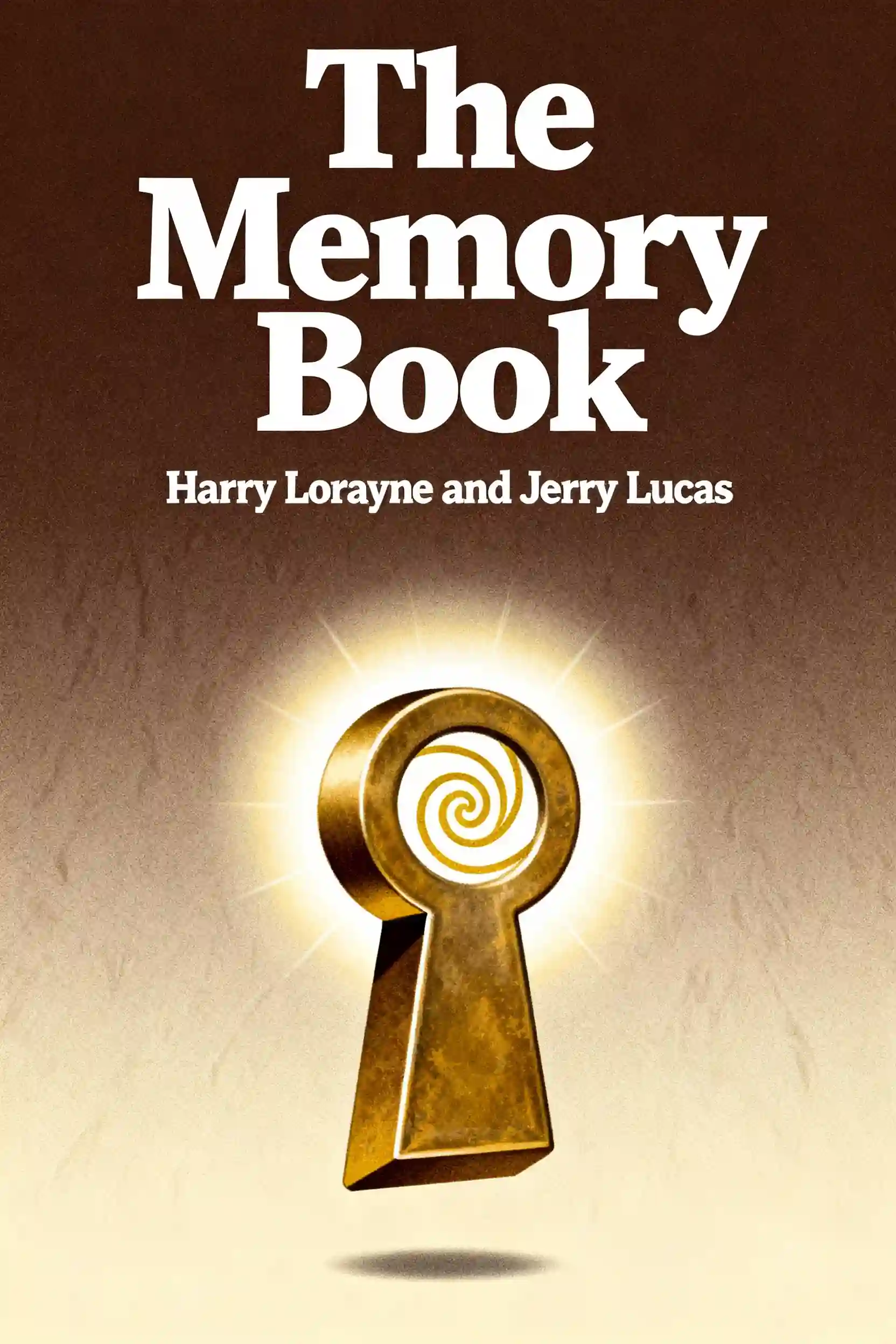
    The memory book
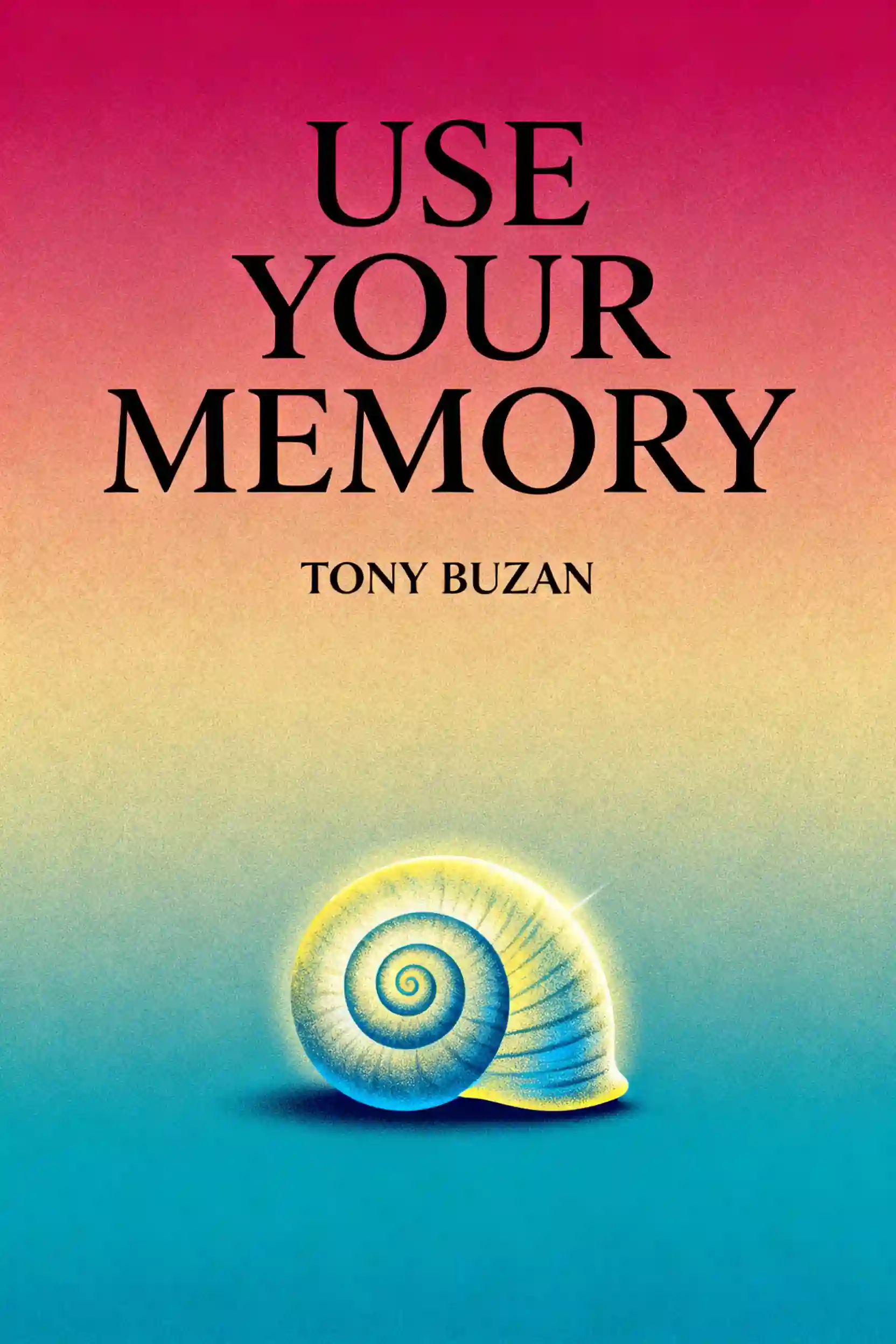
    Use Your Memory
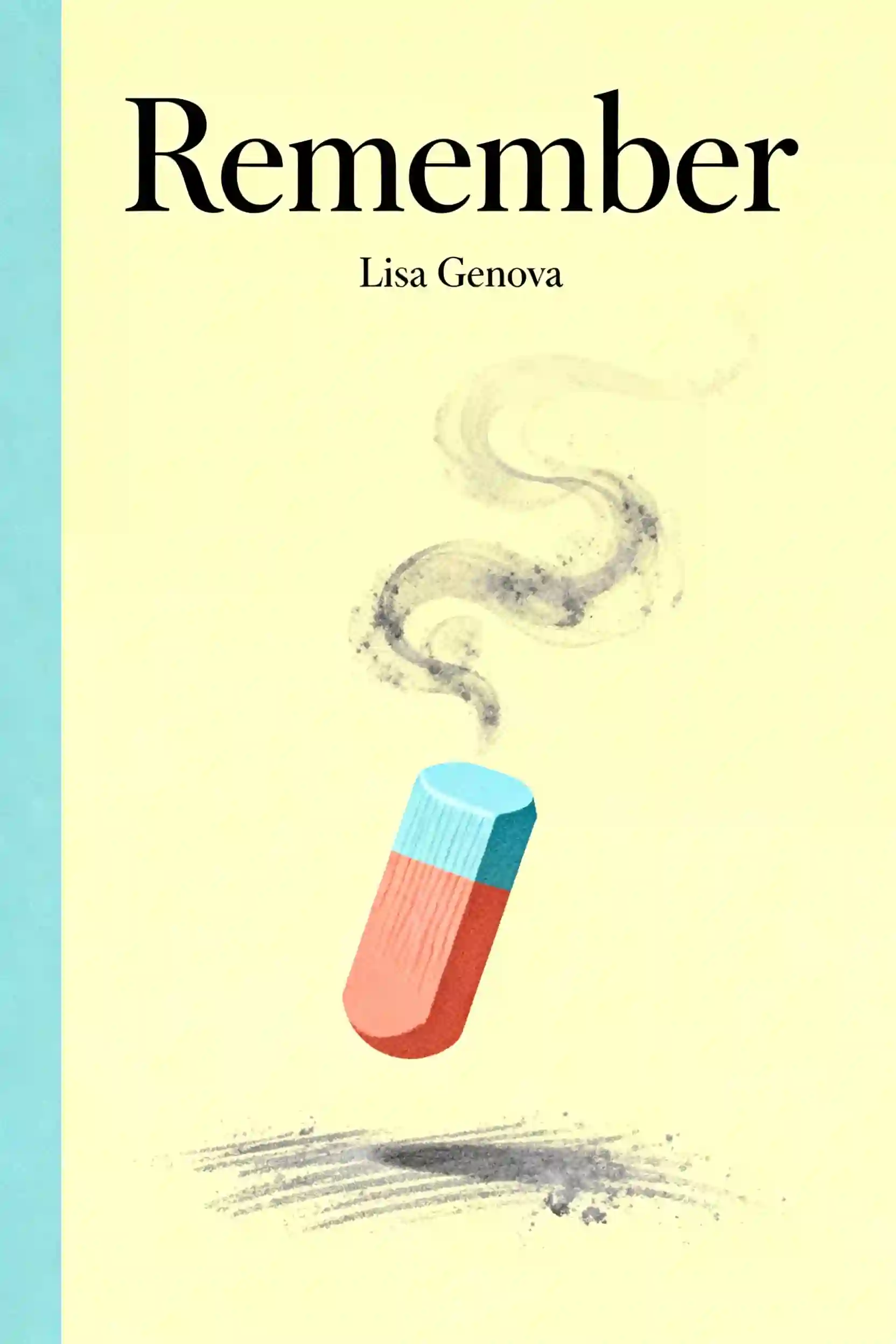
    REMEMBER
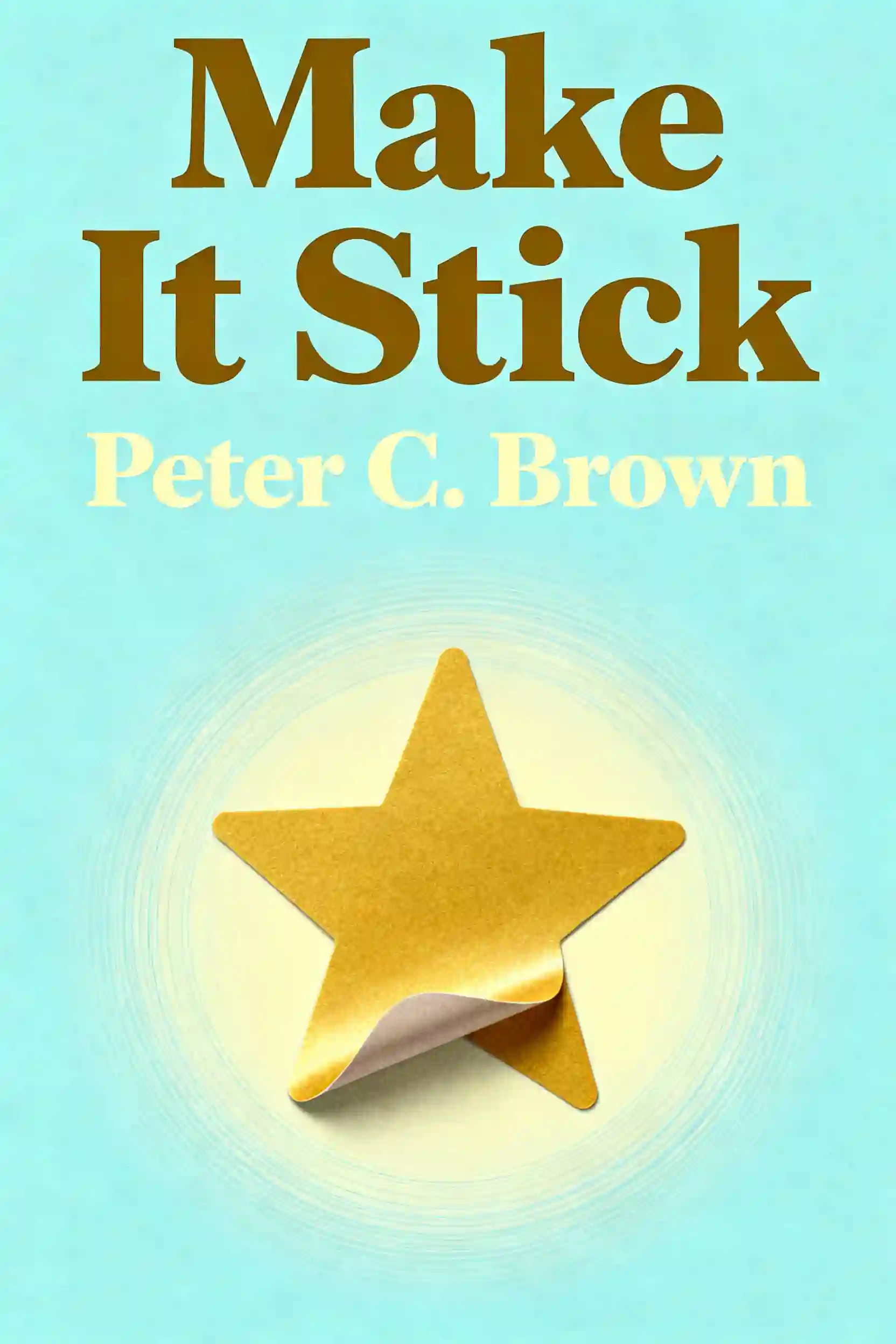
    MAKE IT STICK , BROWN, PETER C. [Hardcover] HARVARD UNIVERSITY PRESS
    How to Memorize Anything
    Soft-wired

    Domande frequenti

    Scopri di più

    Memory

    Memory

    PIANO DI APPRENDIMENTO

    Memory

    In an age of information overload, the ability to retain and recall knowledge is a critical competitive advantage. This plan is ideal for students, professionals, and lifelong learners looking to transition from forgetfulness to high-performance mental storage using science-backed methods.

    2 h 55 m•4 Sezioni
    Memory improvement

    Memory improvement

    PIANO DI APPRENDIMENTO

    Memory improvement

    This plan is essential for anyone looking to overcome forgetfulness and master the art of rapid learning. Students, professionals, and lifelong learners will benefit from these science-backed techniques to enhance cognitive performance.

    3 h 17 m•4 Sezioni
    Summarize books read for better recall

    Summarize books read for better recall

    PIANO DI APPRENDIMENTO

    Summarize books read for better recall

    This plan is essential for lifelong learners and professionals who struggle to retain the vast amount of information they consume. It provides a systematic bridge between passive reading and active knowledge application through science-backed memory techniques.

    2 h 7 m•3 Sezioni
    Develop near-perfect memory

    Develop near-perfect memory

    PIANO DI APPRENDIMENTO

    Develop near-perfect memory

    Memory is not fixed but a skill that can be dramatically improved through proven techniques. This learning plan benefits students, professionals, and anyone seeking to enhance cognitive performance by transforming ordinary memory into an exceptional tool for learning and daily life.

    2 h 52 m•4 Sezioni
    Read faster and smarter to build skills.

    Read faster and smarter to build skills.

    PIANO DI APPRENDIMENTO

    Read faster and smarter to build skills.

    In an era of information overload, the ability to rapidly process and retain knowledge is a critical competitive advantage. This plan is designed for professionals, students, and lifelong learners who need to master complex subjects quickly and transition from surface-level reading to deep expertise.

    2 h 19 m•4 Sezioni
    reading a book efficiently

    reading a book efficiently

    PIANO DI APPRENDIMENTO

    reading a book efficiently

    In an era of information overload, the ability to process and retain knowledge quickly is a vital competitive advantage. This plan is designed for students, professionals, and lifelong learners who want to stop skimming and start mastering complex texts with efficiency.

    2 h 29 m•4 Sezioni
    Strengthen Mindset & Improve Reading Skills

    Strengthen Mindset & Improve Reading Skills

    PIANO DI APPRENDIMENTO

    Strengthen Mindset & Improve Reading Skills

    In an era of information overload, the ability to process knowledge quickly while maintaining a resilient psychological framework is a competitive necessity. This plan is ideal for professionals, students, or lifelong learners looking to upgrade their cognitive hardware and develop the grit required for long-term success.

    1 h 59 m•4 Sezioni
    How to study and learn

    How to study and learn

    PIANO DI APPRENDIMENTO

    How to study and learn

    This plan bridges the gap between cognitive science and practical application for anyone looking to optimize their brain's potential. It is ideal for students, professionals, and lifelong learners who want to stop wasting time on ineffective habits and start mastering complex subjects faster.

    2 h 17 m•4 Sezioni

    Creato da alumni della Columbia University a San Francisco

    BeFreed Riunisce Una Community Globale Di 1,000,000 Menti Curiose
    Scopri di piu su come si parla di BeFreed nel web

    "Instead of endless scrolling, I just hit play on BeFreed. It saves me so much time."

    @Moemenn
    platform
    star
    star
    star
    star
    star

    "I never knew where to start with nonfiction—BeFreed’s book lists turned into podcasts gave me a clear path."

    @Chloe, Solo founder, LA
    platform
    comments
    12
    likes
    117

    "Perfect balance between learning and entertainment. Finished ‘Thinking, Fast and Slow’ on my commute this week."

    @Raaaaaachelw
    platform
    star
    star
    star
    star
    star

    "Crazy how much I learned while walking the dog. BeFreed = small habits → big gains."

    @Matt, YC alum
    platform
    comments
    12
    likes
    108

    "Reading used to feel like a chore. Now it’s just part of my lifestyle."

    @Erin, Investment Banking Associate , NYC
    platform
    comments
    254
    likes
    17

    "Feels effortless compared to reading. I’ve finished 6 books this month already."

    @djmikemoore
    platform
    star
    star
    star
    star
    star

    "BeFreed turned my guilty doomscrolling into something that feels productive and inspiring."

    @Pitiful
    platform
    comments
    96
    likes
    4.5K

    "BeFreed turned my commute into learning time. 20-min podcasts are perfect for finishing books I never had time for."

    @SofiaP
    platform
    star
    star
    star
    star
    star

    "BeFreed replaced my podcast queue. Imagine Spotify for books — that’s it. 🙌"

    @Jaded_Falcon
    platform
    comments
    201
    thumbsUp
    16

    "It is great for me to learn something from the book without reading it."

    @OojasSalunke
    platform
    star
    star
    star
    star
    star

    "The themed book list podcasts help me connect ideas across authors—like a guided audio journey."

    @Leo, Law Student, UPenn
    platform
    comments
    37
    likes
    483

    "Makes me feel smarter every time before going to work"

    @Cashflowbubu
    platform
    star
    star
    star
    star
    star

    Creato da alumni della Columbia University a San Francisco

    BeFreed Riunisce Una Community Globale Di 1,000,000 Menti Curiose
    Scopri di piu su come si parla di BeFreed nel web

    "Instead of endless scrolling, I just hit play on BeFreed. It saves me so much time."

    @Moemenn
    platform
    star
    star
    star
    star
    star

    "I never knew where to start with nonfiction—BeFreed’s book lists turned into podcasts gave me a clear path."

    @Chloe, Solo founder, LA
    platform
    comments
    12
    likes
    117

    "Perfect balance between learning and entertainment. Finished ‘Thinking, Fast and Slow’ on my commute this week."

    @Raaaaaachelw
    platform
    star
    star
    star
    star
    star

    "Crazy how much I learned while walking the dog. BeFreed = small habits → big gains."

    @Matt, YC alum
    platform
    comments
    12
    likes
    108

    "Reading used to feel like a chore. Now it’s just part of my lifestyle."

    @Erin, Investment Banking Associate , NYC
    platform
    comments
    254
    likes
    17

    "Feels effortless compared to reading. I’ve finished 6 books this month already."

    @djmikemoore
    platform
    star
    star
    star
    star
    star

    "BeFreed turned my guilty doomscrolling into something that feels productive and inspiring."

    @Pitiful
    platform
    comments
    96
    likes
    4.5K

    "BeFreed turned my commute into learning time. 20-min podcasts are perfect for finishing books I never had time for."

    @SofiaP
    platform
    star
    star
    star
    star
    star

    "BeFreed replaced my podcast queue. Imagine Spotify for books — that’s it. 🙌"

    @Jaded_Falcon
    platform
    comments
    201
    thumbsUp
    16

    "It is great for me to learn something from the book without reading it."

    @OojasSalunke
    platform
    star
    star
    star
    star
    star

    "The themed book list podcasts help me connect ideas across authors—like a guided audio journey."

    @Leo, Law Student, UPenn
    platform
    comments
    37
    likes
    483

    "Makes me feel smarter every time before going to work"

    @Cashflowbubu
    platform
    star
    star
    star
    star
    star

    "Instead of endless scrolling, I just hit play on BeFreed. It saves me so much time."

    @Moemenn
    platform
    star
    star
    star
    star
    star

    "I never knew where to start with nonfiction—BeFreed’s book lists turned into podcasts gave me a clear path."

    @Chloe, Solo founder, LA
    platform
    comments
    12
    likes
    117

    "Perfect balance between learning and entertainment. Finished ‘Thinking, Fast and Slow’ on my commute this week."

    @Raaaaaachelw
    platform
    star
    star
    star
    star
    star

    "Crazy how much I learned while walking the dog. BeFreed = small habits → big gains."

    @Matt, YC alum
    platform
    comments
    12
    likes
    108

    "Reading used to feel like a chore. Now it’s just part of my lifestyle."

    @Erin, Investment Banking Associate , NYC
    platform
    comments
    254
    likes
    17

    "Feels effortless compared to reading. I’ve finished 6 books this month already."

    @djmikemoore
    platform
    star
    star
    star
    star
    star

    "BeFreed turned my guilty doomscrolling into something that feels productive and inspiring."

    @Pitiful
    platform
    comments
    96
    likes
    4.5K

    "BeFreed turned my commute into learning time. 20-min podcasts are perfect for finishing books I never had time for."

    @SofiaP
    platform
    star
    star
    star
    star
    star

    "BeFreed replaced my podcast queue. Imagine Spotify for books — that’s it. 🙌"

    @Jaded_Falcon
    platform
    comments
    201
    thumbsUp
    16

    "It is great for me to learn something from the book without reading it."

    @OojasSalunke
    platform
    star
    star
    star
    star
    star

    "The themed book list podcasts help me connect ideas across authors—like a guided audio journey."

    @Leo, Law Student, UPenn
    platform
    comments
    37
    likes
    483

    "Makes me feel smarter every time before going to work"

    @Cashflowbubu
    platform
    star
    star
    star
    star
    star

    "Instead of endless scrolling, I just hit play on BeFreed. It saves me so much time."

    @Moemenn
    platform
    star
    star
    star
    star
    star

    "I never knew where to start with nonfiction—BeFreed’s book lists turned into podcasts gave me a clear path."

    @Chloe, Solo founder, LA
    platform
    comments
    12
    likes
    117

    "Perfect balance between learning and entertainment. Finished ‘Thinking, Fast and Slow’ on my commute this week."

    @Raaaaaachelw
    platform
    star
    star
    star
    star
    star

    "Crazy how much I learned while walking the dog. BeFreed = small habits → big gains."

    @Matt, YC alum
    platform
    comments
    12
    likes
    108

    "Reading used to feel like a chore. Now it’s just part of my lifestyle."

    @Erin, Investment Banking Associate , NYC
    platform
    comments
    254
    likes
    17

    "Feels effortless compared to reading. I’ve finished 6 books this month already."

    @djmikemoore
    platform
    star
    star
    star
    star
    star

    "BeFreed turned my guilty doomscrolling into something that feels productive and inspiring."

    @Pitiful
    platform
    comments
    96
    likes
    4.5K

    "BeFreed turned my commute into learning time. 20-min podcasts are perfect for finishing books I never had time for."

    @SofiaP
    platform
    star
    star
    star
    star
    star

    "BeFreed replaced my podcast queue. Imagine Spotify for books — that’s it. 🙌"

    @Jaded_Falcon
    platform
    comments
    201
    thumbsUp
    16

    "It is great for me to learn something from the book without reading it."

    @OojasSalunke
    platform
    star
    star
    star
    star
    star

    "The themed book list podcasts help me connect ideas across authors—like a guided audio journey."

    @Leo, Law Student, UPenn
    platform
    comments
    37
    likes
    483

    "Makes me feel smarter every time before going to work"

    @Cashflowbubu
    platform
    star
    star
    star
    star
    star
    1.5K Ratings4.7
    Inizia il tuo percorso di apprendimento, ora
    BeFreed App
    BeFreed

    Impara qualsiasi cosa, personalizzato

    DiscordLinkedIn
    Riassunti di libri in evidenza
    Crucial ConversationsThe Perfect MarriageInto the WildNever Split the DifferenceAttachedGood to GreatSay Nothing
    Categorie di tendenza
    Self HelpCommunication SkillRelationshipMindfulnessPhilosophyInspirationProductivity
    Liste di lettura delle celebrita
    Elon MuskCharlie KirkBill GatesSteve JobsAndrew HubermanJoe RoganJordan Peterson
    Collezione premiata
    Pulitzer PrizeNational Book AwardGoodreads Choice AwardsNobel Prize in LiteratureNew York TimesCaldecott MedalNebula Award
    Argomenti in evidenza
    ManagementAmerican HistoryWarTradingStoicismAnxietySex
    Migliori libri per anno
    2025 Best Non Fiction Books2024 Best Non Fiction Books2023 Best Non Fiction Books
    Autori in evidenza
    Chimamanda Ngozi AdichieGeorge OrwellO. J. SimpsonBarbara O'NeillWinston ChurchillCharlie Kirk
    BeFreed vs altre app
    BeFreed vs. Other Book Summary AppsBeFreed vs. ElevenReaderBeFreed vs. ReadwiseBeFreed vs. Anki
    Strumenti di apprendimento
    Knowledge VisualizerAI Podcast Generator
    Informazioni
    Chi siamoarrow
    Prezziarrow
    FAQarrow
    Blogarrow
    Carrierearrow
    Partnershiparrow
    Programma Ambassadorarrow
    Directoryarrow
    BeFreed
    Try now
    © 2026 BeFreed
    Termini di utilizzoInformativa sulla privacy
    BeFreed

    Impara qualsiasi cosa, personalizzato

    DiscordLinkedIn
    Riassunti di libri in evidenza
    Crucial ConversationsThe Perfect MarriageInto the WildNever Split the DifferenceAttachedGood to GreatSay Nothing
    Categorie di tendenza
    Self HelpCommunication SkillRelationshipMindfulnessPhilosophyInspirationProductivity
    Liste di lettura delle celebrita
    Elon MuskCharlie KirkBill GatesSteve JobsAndrew HubermanJoe RoganJordan Peterson
    Collezione premiata
    Pulitzer PrizeNational Book AwardGoodreads Choice AwardsNobel Prize in LiteratureNew York TimesCaldecott MedalNebula Award
    Argomenti in evidenza
    ManagementAmerican HistoryWarTradingStoicismAnxietySex
    Migliori libri per anno
    2025 Best Non Fiction Books2024 Best Non Fiction Books2023 Best Non Fiction Books
    Strumenti di apprendimento
    Knowledge VisualizerAI Podcast Generator
    Autori in evidenza
    Chimamanda Ngozi AdichieGeorge OrwellO. J. SimpsonBarbara O'NeillWinston ChurchillCharlie Kirk
    BeFreed vs altre app
    BeFreed vs. Other Book Summary AppsBeFreed vs. ElevenReaderBeFreed vs. ReadwiseBeFreed vs. Anki
    Informazioni
    Chi siamoarrow
    Prezziarrow
    FAQarrow
    Blogarrow
    Carrierearrow
    Partnershiparrow
    Programma Ambassadorarrow
    Directoryarrow
    BeFreed
    Try now
    © 2026 BeFreed
    Termini di utilizzoInformativa sulla privacy

    Punti chiave

    1

    Stopping the 90% Memory Leak

    0:00

    Lena: You know, I was just on a Zoom call earlier today, and the second I logged off, I realized I couldn't remember a single specific point my colleague made. It’s like my brain just hit a "delete" button the moment the meeting ended.

    0:15

    Miles: It’s actually not just you, Lena. Research shows we typically forget about 70% of new information within just 24 hours. By next week, up to 90% of it is usually gone. It’s called the "fluency illusion"—where you’re nodding along in the meeting feeling like you’ve got it, but your brain is actually just processing language without forming a durable memory.

    0:39

    Lena: That is a relief to hear, but also a bit terrifying! I want that 90% back.

    0:45

    Miles: Well, the good news is your brain is a muscle that can be trained. We have a 20-minute daily "cognitive reps" plan that uses things like "Story Binding" and "Category Snaps" to actually strengthen those retrieval pathways. Let’s explore how you can turn your next reading session or video call into a high-performance memory workout.

    2

    The Working Memory Bottleneck

    1:07

    Lena: So Miles—building on that "fluency illusion" you mentioned—I really felt that during my last reading session. I was flipping pages, feeling like I understood everything, but then I closed the book and it was just... blank. It’s like there’s a bottleneck in my head that only lets a tiny bit of info through at a time.

    1:28

    Miles: You’ve hit the nail on the head, Lena. That’s exactly what’s happening. In cognitive science, we call that the working memory bottleneck. Think of your working memory as the "RAM" of your brain—it’s that temporary workspace where you hold and manipulate information for immediate use. And the catch is, for most adults, that workspace is tiny. We can only hold about seven plus or minus two items at once.

    1:52

    Lena: Only seven? That explains why a long Zoom presentation feels like trying to catch a waterfall in a thimble.

    1:59

    Miles: Precisely. When the information coming in exceeds that capacity—which happens constantly in a fast-paced meeting or a dense article—your brain hits "cognitive overload." The anterior cingulate cortex detects the overflow and actually triggers a stress response. It floods the hippocampus with cortisol, which—ironically—disrupts the very neural pathways you need to move that info into long-term storage.

    2:23

    Lena: So the harder I try to "cram" it all in, the more I’m actually blocking my own memory?

    2:29

    Miles: It’s a vicious cycle. But here’s where it gets fascinating—we’ve found that you can actually upgrade that "RAM." A major meta-analysis published just last month, in March 2026, looked at forty-five neuroimaging studies on Computerised Working Memory Training, or CWMT. They found a moderate benefit—a Hedges’ g of point-five-zero-three, for the researchers out there—showing that digital training actually improves cognitive task performance.

    2:56

    Lena: Wait—so playing specific "brain games" isn't just a gimmick? It actually changes the brain?

    3:03

    Miles: It does. But not in the way people think. It’s not about making the brain work harder—it’s about making it more efficient. The neuroimaging showed training-related decreases in activation in areas like the left angular gyrus and the superior frontal gyrus. Basically, the brain becomes "leaner." It doesn't have to recruit as many resources to do the same amount of work. It’s like going from a gas-guzzling engine to a high-efficiency electric motor.

    3:28

    Lena: I love that analogy. So if I want to stop my memory from "leaking" during a Zoom call, I need to focus on this "efficiency" training?

    3:36

    Miles: Exactly. And the study highlighted that "task difficulty" and "training dose" are the big moderators. You can’t just do easy puzzles. To see these neural changes, the training has to stay at your "cognitive edge"—about seventy to eighty percent accuracy. If it’s too easy, no adaptation. If it’s too hard, you just get stressed.

    3:55

    Lena: So for our listeners who feel overwhelmed by their reading list or their calendar—the first step is acknowledging that thimble-sized capacity and starting to train the "muscle" that expands it.

    4:06

    Miles: Right. And while the digital training is great, there are also "manual" strategies we can use in the moment—like "chunking"—to bypass the bottleneck. It’s about taking those individual "items" and grouping them into meaningful patterns so they only take up one slot in your working memory instead of five.

    4:23

    Lena: Like how we remember a phone number as three chunks instead of ten separate digits?

    3:36

    Miles: Exactly. When you’re in a meeting, you shouldn't be trying to remember every word. You should be looking for the "chunks"—the big themes or patterns. That’s how expert chess players do it; they don't see thirty-two pieces, they see three or four strategic patterns. They’ve essentially expanded their "RAM" through pattern recognition.

    3

    The Science of Strategic Spacing

    4:48

    Lena: Okay, so we’ve established that our "RAM" is limited. But let’s say I’ve successfully "chunked" the info from a meeting. How do I make sure it’s still there tomorrow? I feel like my brain has this "auto-delete" feature that triggers the second I hit "Leave Meeting."

    5:04

    Miles: That’s the Forgetting Curve in action, Lena. Hermann Ebbinghaus mapped this out way back in the day, but modern neuroscience has refined it into what we call the "Spaced Repetition Protocol." The core idea is that memory isn't a "store and forget" thing—it’s a "use it or lose it" system. If you don't signal to your brain that information is important, it’ll prune those synaptic connections to save energy.

    5:25

    Lena: So how do we send that "important" signal? Is it just about reviewing my notes over and over?

    5:31

    Miles: Actually, that’s a common pitfall. Passive review—just rereading your notes—is one of the least effective things you can do. It creates a "fluency illusion" where the material looks familiar, so you think you know it. But you haven't actually strengthened the retrieval pathway. To do that, you need "Active Retrieval."

    5:48

    Lena: Active Retrieval... so, testing myself?

    1:59

    Miles: Precisely. You have to force your brain to struggle a bit to pull the info out. One landmark study from 2006 showed that students who practiced retrieval retained fifty percent more information after a week compared to those who just restudied. It’s what scientists call "desirable difficulty." The effort of searching your memory is what actually "wires" the information in.

    6:16

    Lena: That makes so much sense. It’s like the difference between looking at a map and actually driving the route yourself. You remember the turns much better when you’re the one steering.

    6:26

    Miles: That’s a perfect way to put it. And the timing of that "drive" matters. The Spaced Repetition Protocol suggests specific intervals: one day after, three days after, one week, two weeks, and one month. You want to retrieve the info right when it’s starting to fade. That "re-activation" tells the hippocampus to move the memory from temporary storage into the permanent cortical networks.

    6:48

    Lena: I’m thinking about my Zoom calls again. If I have a meeting on Monday, I should probably do a quick "brain dump" on Tuesday morning?

    3:36

    Miles: Exactly. A ten-minute "Active Retrieval" session on Tuesday—without looking at your notes—is worth two hours of rereading on Friday. And for our listeners who are reading a lot of professional material, there’s a specific "Expanding Interval Schedule" that works wonders. If you can recall it easily, you double the interval. If you struggle, you shorten it.

    7:17

    Lena: It’s almost like an algorithm for your own brain.

    7:20

    Miles: It really is. And there are digital tools—Spaced Repetition Systems or SRS—that do the math for you. They use Bayesian inference to predict your memory decay and tell you exactly when to review. Studies show these systems can increase retention by up to two hundred percent compared to traditional "cramming."

    7:38

    Lena: Two hundred percent? That’s massive. But what about the people who say they don't have time for all these reviews?

    7:44

    Miles: The irony is that spaced repetition actually saves time. Because the memories become so durable, you spend less time "re-learning" things you’ve forgotten. It’s more efficient than the "cram-forget-cram" cycle most people are stuck in.

    7:58

    Lena: It’s about shifting from "working harder" to "working with the brain’s clock."

    4:06

    Miles: Right. And when you combine this with "Theta Wave Entrainment"—which we can talk about later—you’re basically creating the perfect neurochemical environment for those memories to stick. But for now, the takeaway for everyone listening is: don't just read it twice. Read it once, then try to remember it three times over the next week.

    4

    Building Your Internal Architecture

    8:23

    Lena: Miles, we’ve talked about timing and "RAM," but I want to go deeper into the "where." I’ve heard about these "Memory Palaces"—like what Sherlock uses—and it sounds like something out of a movie. Is that a real thing we can use for, say, a technical manual or a board meeting?

    8:41

    Miles: It is very real, Lena. It’s actually called the "Method of Loci," and it’s one of the most powerful tools in our "Intelligence Training Plan." It works because our brains are evolutionarily hardwired for spatial navigation. We’re much better at remembering "where" something is than "what" it is.

    8:58

    Lena: So we’re basically "hacking" our sense of direction to store data?

    3:36

    Miles: Exactly. Recent neuroimaging studies of memory athletes show that when they use these "palaces," they have massive activation in the hippocampus and the parahippocampal gyrus—areas dedicated to spatial memory. They don't have "better" brains; they’re just using more of their brain’s real estate. One study even found that just six weeks of this training increased hippocampal volume and connectivity.

    9:24

    Lena: Okay, I’m sold on the science. But how do I actually build one? Do I have to imagine a literal palace?

    9:31

    Miles: Not at all. In fact, for beginners, I always recommend using a "Memory Palace" based on a place you know intimately—like your childhood home or your current office. You start by mapping out a logical, linear path through the building. We call these "Magnetic Stations." Your front door is Station One, the hallway table is Station Two, the kitchen sink is Station Three... you get the idea.

    9:55

    Lena: And then I just "drop" my information at those stations?

    9:58

    Miles: Almost. You have to "bind" the information to the station using vivid, exaggerated imagery. This is "Elaborative Encoding." If you’re trying to remember a point from a meeting about "budget cuts," you don't just think the word "budget." You imagine a giant pair of golden scissors at your front door, physically cutting a pile of money in half.

    10:19

    Lena: That’s hilarious. I’m definitely not forgetting giant golden scissors.

    10:24

    Miles: Right! The more absurd, colorful, or "multi-sensory" the image, the better. We call this the "PLACE" framework: Pathway, Landmark, Action, Conflict, and Exaggeration. You want the image to have some "conflict" or action—maybe those scissors are making a loud *snip-snip* sound, and you can smell the metallic scent of the blades.

    10:45

    Lena: I can see how this would be amazing for a speech or a presentation. But what about something like Zoom meetings where the info is coming at you fast? Can you build these "on the go"?

    10:54

    Miles: You can. It takes practice, but once you have a few "pre-built" palaces—like your commute or your favorite park—you can "file" information as it’s being said. It turns a boring meeting into a mental scavenger hunt. And for the readers out there, you can actually "map" a book onto a building. Each room becomes a chapter, and each piece of furniture becomes a key concept.

    11:15

    Lena: That is such a cool way to think about it. It turns a book into a three-dimensional space you can walk through.

    11:21

    Miles: It really does. And the research shows that this "spatial-visual" encoding is far more durable than just trying to memorize words. It bypasses that "phonological loop" in our working memory that gets overloaded so easily. Instead, you’re using the "visuospatial sketchpad," which often has more capacity.

    11:41

    Lena: So for the listener who’s feeling "mentally cluttered," the answer might be to start "organizing" their thoughts into physical spaces they already know.

    3:36

    Miles: Exactly. It’s about externalizing your internal knowledge. And when you combine this with the "Retrieval Practice" we talked about—walking through your palace in your mind a few times a week—those memories become nearly permanent. You’re building a library in your head that you can access even when you don't have your notes in front of you.

    5

    The Invisible Memory Support System

    12:09

    Lena: Miles, we’ve been talking a lot about mental techniques—palaces, spacing, retrieval. But I want to switch gears to something that feels a bit more "behind the scenes." I was reading this article about "Cognitive Offloading." It sounds like a fancy way of saying "writing stuff down," but is there more to it?

    12:27

    Miles: There’s actually a huge debate in neuroscience about this right now, Lena. Cognitive offloading is essentially using your environment—like a notepad, a smartphone, or even a Zoom recording—to reduce the demand on your brain. And the question is: is it making us smarter or making us lazy?

    12:44

    Lena: I definitely feel like I rely on my phone for everything. If I didn't have my calendar alerts, I’d probably forget to eat.

    12:51

    Miles: Well, a study published just a few weeks ago, in March 2026, found something really interesting. It’s not about *whether* you offload; it’s about *when* you offload. They used something called the "Optimal Offloading Paradigm." They found that people often offload "sub-optimally"—meaning they set reminders for things they could easily remember, or they try to remember things that are way beyond their capacity.

    13:14

    Lena: So we’re bad at judging our own brain’s limits?

    3:36

    Miles: Exactly. We call it "Metacognitive Bias." Some people are overconfident and don't take notes when they should, and others are underconfident and "offload" everything, which can actually lead to a decline in their unaided memory skills over time. It’s the "Google Effect"—we're less likely to remember information if we know we can just look it up later.

    13:38

    Lena: That’s scary! So by using my phone to remember everything, am I actually making my memory worse?

    13:44

    Miles: It can. But the March 2026 study found a "fix." They discovered that "Metacognitive Training"—basically getting feedback on your own memory predictions—can make your offloading more "optimal." They had participants predict if they’d remember a task, then showed them the results. After just five rounds of this "prediction-feedback" cycle, people became much better at knowing when to trust their brain and when to use a tool.

    14:09

    Lena: So for our intelligence training plan, we should be "testing" our own confidence?

    Miles: Yes. Before you reach for your phone to set a reminder, ask yourself: "On a scale of one to ten, how sure am I that I’ll remember this?" Then check back later. This "calibration" helps you use tools as a "scaffold" rather than a "crutch."

    14:30

    Lena: I love that distinction. A scaffold helps you build something stronger, but a crutch just holds you up. How does this apply to something like a Zoom meeting? Should I be recording it, or taking notes, or just listening?

    14:43

    Miles: The research suggests a "hybrid" approach. If you offload *everything* to a recording, your brain "checks out" and doesn't encode the info. But if you take "Smart Notes"—where you only record the "chunks" and your own reflections—you’re using the act of writing as a "deep encoding" tool.

    14:58

    Lena: So the notebook isn't just a place to store info; the act of writing is actually helping the brain process it?

    1:59

    Miles: Precisely. It’s called the "Generation Effect." You remember information better when you "generate" it yourself—like by summarizing a point in your own words—than when you just read or hear it. So the goal for our listeners is to use "Intention Offloading" strategically. Set the reminder for the "deadline," but use your own brain for the "content."

    15:25

    Lena: It’s about finding that sweet spot. Using the tools to free up "RAM" for high-level thinking, without letting the "memory muscle" atrophy.

    4:06

    Miles: Right. And it’s important to remember that offloading isn't "cheating." It’s a fundamental part of how humans think. We’ve been "offloading" since we first started painting on cave walls. The key is just being the "CEO" of your own cognition—knowing exactly when to delegate a task to your smartphone and when to handle it internally.

    6

    Priming the Neural Engine

    15:52

    Lena: Miles, we’ve covered the "software" updates—the techniques and strategies. But what about the "hardware"? I’ve been hearing a lot about how things like sleep and exercise actually change the "wiring" for memory. Is it really that direct?

    16:07

    Miles: It’s incredibly direct, Lena. If the mental techniques are the "software," then things like BDNF and sleep spindles are the "electricity" and "maintenance" that keep the whole system running. Let’s talk about exercise first, because this is a big one for anyone wanting a sharper mind.

    16:23

    Lena: I’m guessing it’s more than just "feeling refreshed" after a walk?

    16:27

    Miles: Much more. Physical exercise triggers the production of something called BDNF—Brain-Derived Neurotrophic Factor. Scientists literally call it "Miracle-Gro for the brain." It promotes neurogenesis—the birth of new neurons in the hippocampus—and it strengthens the synaptic connections between existing ones.

    16:45

    Lena: New neurons? I thought we were born with a set amount and that was it!

    16:49

    Miles: That was the old "fixed brain" myth. We now know the hippocampus can generate about fourteen hundred new neurons every single day. And exercise is the most powerful way to "supercharge" that process. One study found that just a thirty-minute aerobic session can increase BDNF levels by up to three hundred percent.

    17:10

    Lena: Three hundred percent! So, should I be going for a run *before* my big study sessions?

    17:15

    Miles: Absolutely. There’s a "prime window" of about two to three hours after exercise where your brain is in a "hyper-plastic" state. It’s more receptive to new information, and it encodes that info more deeply. If you exercise in the morning and then tackle your hardest reading or most important meetings, you’re literally "riding the wave" of those neurochemicals.

    17:35

    Lena: That’s a game changer. I’ve always thought of exercise as a "break" from work, but it’s actually a "preparation" for work.

    3:36

    Miles: Exactly. And the "maintenance" side of the hardware is just as critical. That’s sleep. We used to think sleep was just "downtime," but we now know it’s when the brain does its most important work: "Consolidation."

    17:56

    Lena: Consolidation... that’s moving things to long-term memory?

    4:06

    Miles: Right. During "Slow-Wave Sleep," your hippocampus "replays" the day's learning at twenty times the original speed, "shipping" those memories off to the cortex for permanent storage. And during REM sleep, your brain "integrates" those memories, making creative connections and pruning out the "junk" info you don't need.

    18:17

    Lena: So if I pull an all-nighter to finish a project, I’m basically sabotaging my own ability to remember what I did?

    18:25

    Miles: You’re essentially hitting "cancel" on the "save" command. Research shows that even one night of sleep deprivation can reduce your ability to form new memories by forty percent. It also disrupts "Sleep Spindles"—these brief bursts of brain activity that act as "gateways" for memory transfer.

    18:42

    Lena: Forty percent... that’s a massive hit. So for the listener who wants to "level up" their intelligence, the "hardware" plan is pretty simple: exercise to "prime" the brain and sleep to "save" the work.

    18:55

    Miles: It’s the "Biological Foundation" of memory. And there’s even a "pre-sleep" protocol you can use. If you do a quick, ten-minute "Active Retrieval" of your day's key points right before bed, you’re basically "tagging" those memories for priority consolidation during the night.

    19:10

    Lena: It’s like putting a "Priority" sticker on the files you want the brain to process first.

    1:59

    Miles: Precisely. And when you add "Nutritional Neuroplasticity" to the mix—things like Omega-3s and blueberry anthocyanins that protect those new neurons—you’re creating a "resilient" brain. It’s not just about learning faster today; it’s about building a brain that stays sharp and adaptable for decades.

    7

    The Whole-Brain Reading Revolution

    19:34

    Lena: Miles, I want to circle back to the reading part of the listener’s goal. We’ve talked about memory techniques, but I feel like I’m still a "slow" reader. I find myself "sounding out" words in my head—I think it’s called subvocalization—and it feels like I’m stuck in second gear.

    19:52

    Miles: You’ve touched on a huge "bottleneck," Lena. Most of us were taught to read one word at a time, "sounding them out" as if we’re reading aloud. That limits your reading speed to about one hundred and fifty words per minute—the same speed as your speaking voice. But your *brain* can process visual information much, much faster than that.

    20:10

    Lena: So my eyes are ready to go, but my "inner voice" is holding me back?

    3:36

    Miles: Exactly. To break past that, we need to move toward "Whole-Brain Reading." This is about using your "peripheral vision" to take in entire phrases—or even lines—at a single glance. Instead of your eyes "hopping" from word to word, you train them to glide down the page in "smooth pursuit."

    20:31

    Lena: That sounds like "speed reading," but does it actually work for *comprehension*? I don't want to just see words; I want to understand them.

    20:39

    Miles: That’s the key distinction. Traditional speed reading is often just "skimming." But "Whole-Brain Reading" is about upgrading your "visual processing engine." It’s based on neuroplasticity—the idea that you can "rewire" the neural superhighways between your eyes and your brain. One program showed that by expanding your "visual span," you can hold more information in your working memory as you read, which actually *improves* comprehension.

    21:05

    Lena: Because you’re seeing the "big picture" instead of just individual words?

    3:36

    Miles: Exactly. It’s like the difference between looking at a single pixel and seeing the whole photo. And there’s a specific "State of Mind" that makes this possible—we call it "Relaxed Alertness." If you’re tense and "trying too hard," your vision narrows and you hit that "overload" we talked about. But if you’re relaxed, your peripheral vision opens up.

    21:29

    Lena: "Relaxed Alertness"... that sounds like a bit of a contradiction. How do you actually get there?

    21:35

    Miles: It’s a technique often used in high-performance training. You focus on a point slightly above and behind your head—it’s called the "Wide-Angle Vision" technique. It naturally shifts your brain into "Alpha" and "Theta" states, which are optimal for learning and retention.

    21:50

    Lena: Okay, I’m definitely going to try that. But what about the "boring" stuff? Technical manuals, dense reports... how do you stay "alert" for that?

    21:59

    Miles: That’s where "Emotional Engagement" comes in. Your brain prioritizes information that has "survival value" or emotional weight. If you’re reading something dry, you have to "trick" your brain into caring. We use "Elaborative Interrogation"—constantly asking "Why does this matter?" or "How does this connect to what I already know?"

    22:19

    Lena: So you’re creating "mental hooks" for the boring stuff by making it personal.

    3:36

    Miles: Exactly. And when you combine that with "Visualization"—turning abstract concepts into "mental movies"—you’re engaging the right hemisphere of the brain along with the left. It’s "Whole-Brain" because you’re using your logical side to process the data and your creative side to store it.

    22:41

    Lena: I love this. It turns reading from a "passive" task into an "active" mental workout. For our listeners, the "next action" might be to stop reading word-by-word and start trying to "see" the ideas behind the sentences.

    4:06

    Miles: Right. And remember the "Primacy" and "Recency" effects. Your brain remembers the beginning and end of a session best. So, instead of one marathon reading session, do three twenty-minute "sprints." You’ll have more "beginnings" and "endings," which means more "high-retention" windows for your brain to work with.

    8

    Mastering the High-Stakes Zoom Call

    23:13

    Lena: Miles, we’ve talked about so many incredible pieces of the puzzle. But I want to bring it all together for the "Zoom" scenario. A lot of our listeners are in back-to-back meetings all day. How do we apply all of this "intelligence training" in that specific high-pressure environment?

    23:30

    Miles: Zoom calls are actually the "ultimate test" for working memory, Lena. You’ve got the speaker, the slides, the chat box, and your own internal thoughts all competing for those seven "RAM" slots. To survive—and thrive—you need a "Pre-During-After" framework.

    23:45

    Lena: I like that. Let’s start with "Pre." How do I set myself up for success before I even log in?

    23:51

    Miles: "Priming" is the secret weapon. Spend just two minutes before the call "previewing" the agenda or the speaker’s background. This "activates" your prior knowledge and creates those "neural hooks" we talked about. You’re essentially telling your brain: "Here is the category of information we’re about to receive."

    24:07

    Lena: It’s like opening the right "folder" in your head before you start downloading files.

    3:36

    Miles: Exactly. And then "During" the call, the most important thing is "Selective Offloading." Don't try to transcribe the meeting—that’s a low-level task that blocks deep processing. Instead, use "Smart Notes." Draw a line down the middle of your page. On the left, write the "Chunks"—the key themes. On the right, write your "Reflections"—your questions, connections, and "ah-ha" moments.

    24:36

    Lena: So the right side is where the "Whole-Brain" stuff happens.

    1:59

    Miles: Precisely. And if you’re feeling "overloaded," use the "Wide-Angle Vision" technique we discussed. Look slightly past your monitor to re-open your peripheral vision and lower your stress levels. It keeps your "Cognitive Load" in check. Also, use "Active Listening"—periodically summarize what the speaker said in your own head. "Okay, so their main point is X, which connects to Y."

    25:02

    Lena: I’ve found that "summarizing in my head" really helps me stay focused when a meeting starts to drag.

    25:08

    Miles: It’s a powerful "Active Retrieval" drill. And finally, the "After" stage is where the magic happens. The second the call ends—before you jump into the next one—do a "Sixty-Second Brain Dump." Close your eyes and try to retrieve the three most important points from memory.

    25:24

    Lena: Just sixty seconds? That seems so short!

    25:27

    Miles: That sixty seconds is the "Golden Window." It signals to your brain that this info is "worth saving" before it hits the "delete" button. And if you really want to lock it in, use the "Teaching Effect." Briefly explain those three points to a colleague or even just out loud to yourself.

    25:43

    Lena: "To teach is to learn twice." I’ve always loved that saying.

    25:48

    Miles: It’s a neurological fact! Explaining something forces you to "synthesize" and "re-organize" the information, which creates much stronger neural pathways than just "knowing" it. So the playbook for Zoom is: Prime the folder, take Smart Notes, and do a Sixty-Second Brain Dump.

    26:05

    Lena: It’s a simple system, but I can see how it would completely change the "ROI" of all those hours spent in meetings. You’re not just "attending" the call; you’re "mastering" the information.

    3:36

    Miles: Exactly. And when you layer in the "Spaced Repetition" we talked about—reviewing those "Smart Notes" one day and three days later—you’re turning a fleeting digital interaction into a durable piece of your professional intelligence. You’re building a "Knowledge Compound" that grows over time.

    9

    Your 4-Week Intelligence Playbook

    26:32

    Lena: Miles, we’ve covered so much ground today—from "RAM" and bottlenecks to "Memory Palaces" and "BDNF." For our listeners who are ready to stop the "memory leak" and actually start this "Intelligence Training Plan," how do they begin? What does the first month look like?

    26:48

    Miles: I’m a big fan of the "Four-Week Neural Ramp-Up," Lena. You don't want to do everything at once; you want to "layer" these habits so they become automatic. Week One is all about "Base Camp"—training your working memory hardware.

    27:01

    Lena: So, the CWMT we talked about? The digital training?

    3:36

    Miles: Exactly. Spend fifteen to twenty minutes, three to five times a week, on a structured Computerised Working Memory Training program. Remember the "moderate benefit" found in the study? You’re aiming for that seventy to eighty percent accuracy "sweet spot." Also, this is the week to start the "Pre-During-After" framework for every single Zoom call or reading session.

    27:25

    Lena: Prime, Smart Notes, Brain Dump. Got it. What’s Week Two?

    27:30

    Miles: Week Two is "Architecture Week." This is when you build your first "Memory Palace." Use your home, map out ten "Magnetic Stations," and practice "filing" ten random items from a news article or a book. This week, you also start the "Spaced Repetition Protocol." Set up a simple system—even just a calendar—to review your "Smart Notes" at the one-day and three-day marks.

    27:54

    Lena: Okay, so we’re building the "software" on top of the "hardware." What about Week Three?

    27:59

    Miles: Week Three is "Whole-Brain Expansion." This is when you start practicing the "Wide-Angle Vision" and "Smooth Pursuit" techniques while reading. Try to move from word-by-word reading to phrase-by-phrase processing. Also, add in the "Biological Foundation"—aim for a thirty-minute aerobic session before your most intense mental work to get that BDNF "Miracle-Gro" flowing.

    28:22

    Lena: And I’m guessing Week Four is where it all comes together?

    28:26

    Miles: Week Four is "Integration and Optimization." This is when you start "Metacognitive Calibration." Before you take a note or set a reminder, predict your own memory success. Check your accuracy. You’re becoming the "CEO" of your brain, knowing exactly when to "offload" and when to "encode." You’re also practicing "Elaborative Interrogation" during your reading to ensure that "dry" info gets an emotional hook.

    28:53

    Lena: I love how this builds. It’s not just "tips"; it’s a systematic "upgrade" for the mind.

    3:36

    Miles: Exactly. And the most important thing is "consistency over intensity." Fifteen minutes of focused training is better than a three-hour "cram" once a week. You’re working with the "Neuroplasticity Revolution"—the fact that your brain *will* change if you give it the right stimulus over time.

    29:17

    Lena: It’s so empowering to know that we’re not stuck with the memory we have. We can actually "rewire" our brains for higher performance.

    29:24

    Miles: We absolutely can. And for anyone listening who feels like they’re starting from behind—remember the study on older adults? They saw a forty to sixty percent improvement in memory with just twelve weeks of strategy training. It’s never too late to start building a "smarter" version of yourself.

    29:41

    Lena: That’s a perfect place to start. A four-week plan to turn those "thimble-sized" memories into a "high-performance" knowledge engine.

    4:06

    Miles: Right. And as you go through these four weeks, don't worry about being perfect. Just focus on being "active." The "struggle" of retrieval, the "effort" of visualization—that’s the sound of your brain getting stronger.

    10

    Final Reflections on the Trainable Mind

    30:02

    Lena: Miles, as we wrap up this deep dive into intelligence training, I’m struck by one big idea: our brains are so much more "resilient" and "plastic" than we give them credit for. We don't have to just accept the "90% memory leak" as a fact of life.

    1:28

    Miles: You’ve hit the nail on the head, Lena. The most profound takeaway from the research—from the March 2026 meta-analyses to the ancient "Method of Loci"—is that intelligence isn't a "fixed trait." It’s an "active practice." Whether you’re on a Zoom call, reading a dense report, or just trying to remember a friend’s name, you have the power to "steer" your own neurobiology.

    30:42

    Lena: I love that. It’s about being the "active participant" in your own learning, rather than just a "passive observer."

    3:36

    Miles: Exactly. We’ve established that your working memory has a "bottleneck," but we’ve also seen that you can "widen" it through CWMT and "chunking." We’ve seen that you can "bypass" the forgetting curve with spaced repetition, and that you can build "internal skyscrapers" of knowledge with memory palaces.

    31:06

    Lena: And it’s not just about the "tricks." It’s about the foundation—the sleep, the exercise, the nutrition—that keeps the "hardware" running at peak performance.

    31:17

    Miles: It’s a "Holistic Intelligence Plan." And to everyone listening: I want you to pick just *one* thing from today’s episode to try tomorrow. Maybe it’s the "Sixty-Second Brain Dump" after your next meeting. Maybe it’s a thirty-minute run before you sit down to read. Or maybe it’s just asking "Why does this matter?" as you flip a page.

    31:37

    Lena: Just one small change can start that "neural ripple effect."

    1:59

    Miles: Precisely. And over time, those small changes "compound." You’ll find yourself remembering more, focusing longer, and feeling more "mentally agile" in every part of your life. You’re not just "storing facts"; you’re "upgrading your operating system."

    31:56

    Lena: Thank you so much for this, Miles. This has been a truly eye-opening look at what’s possible when we stop "cramming" and start "training."

    32:04

    Miles: It’s been a blast. Remember, your brain is the most sophisticated piece of technology on the planet—it’s time we all started reading the "user manual."

    32:13

    Lena: And for our listeners—take a moment now to reflect on what you’ve learned. What’s that "one thing" you’re going to try? Your brain is waiting for that "signal" to start rewiring.

    17:15

    Miles: Absolutely. Thanks for joining us on this journey into the "Trainable Mind."

    32:28

    Lena: We hope you feel as inspired as we do to take those first steps toward a sharper, more powerful memory. Thanks for listening.

    Contenuti simili

    podcast cover
    Tim Ferriss's Learning Revolution: Master Any Skill FasterMake It StickThe Science of Rapid Skill AcquisitionLearn Better
    23 sources
    Mastering Smart Learning: Science-Backed Retention Strategies
    Stop wasting time on passive re-reading and discover cognitive science techniques like retrieval practice and interleaving to learn three times faster and lock knowledge into long-term memory.
    27 min
    podcast cover
    10 Days to Faster ReadingBreakthrough Rapid ReadingLearn Like a ProSpeed Reading
    20 sources
    Master Your Reading Memory
    Discover science-backed active reading strategies that transform how you engage with texts and dramatically improve information retention, moving beyond highlighting to techniques that build lasting comprehension.
    44 min
    podcast cover
    Strengths Finder 2.0How to Pass ExamsTempest of Wrath and VengeanceSpeed Reading
    26 sources
    Master Your Book Memory
    Discover how to create effective quizzes that enhance retention and deepen understanding of books you've read, backed by cognitive science and practical strategies for any reading style.
    35 min
    podcast cover
    The memory bookUse Your MemorySoft-wiredChange Your Brain, Change Your Life
    19 sources
    Increase memory capacity by sleeping better
    Struggling to remember what you learn? Discover how sleep and cognitive offloading protect your brain from 'storage full' errors and sharpen your mind.
    29 min
    podcast cover
    How to Pass ExamsThe Memory BookKevin Trudeau's Mega MemoryUnlimited Memory
    11 sources
    Master Your Memory: Science-Backed Strategies That Actually Work
    Discover six scientifically proven techniques used by Navy SEALs and memory champions to dramatically improve how you encode, store, and retrieve information - from finding your keys to mastering new skills.
    11 min
    podcast cover
    Kevin Trudeau's Mega MemoryThe Memory BookHow to Memorize AnythingHow to Pass Exams
    26 sources
    The Ultimate Memory Mastery Cheat Sheet
    Unlock the science of retention by mastering the three stages of memory. Learn to bypass mental limits with chunking, semantic encoding, and the power of active recall.
    19 min
    book cover
    Kevin Trudeau's Mega Memory
    Kevin Trudeau
    Controversial memory system unlocks instant recall with picture-based techniques.
    9 min
    book cover
    The memory book
    Harry Lorayne and Jerry Lucas
    Master your memory with proven techniques to boost recall, enhance learning, and dominate social situations. Unlock your mind's potential.
    9 min