Mastering Small Talk for the Seasoned Professional
Rediscover the art of connection by shifting from 'impressive' to 'interested.' This guide offers practical strategies for veteran leaders to overcome social rust and turn brief encounters into strategic networking assets.

Miglior citazione da Mastering Small Talk for the Seasoned Professional
True executive presence isn't about demanding respect through a data dump—it’s about commanding it through connection.
Generated by Freedee_26DB2347
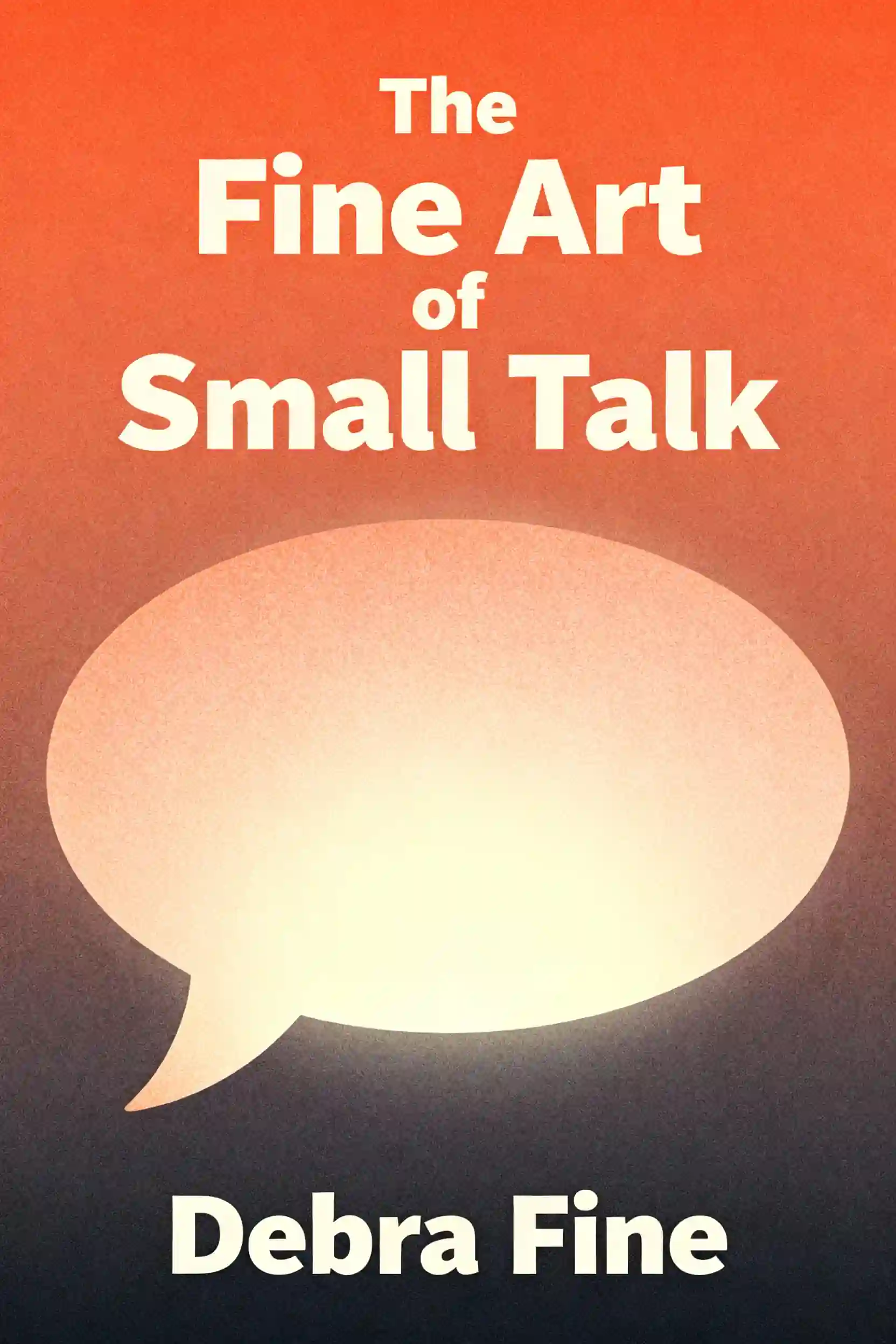
Learn how to articulate and do better small talk as a 50yrs old professional

Domande frequenti
The Expert’s Curse occurs when a senior professional’s knowledge becomes so intuitive that they forget what is not obvious to others. In social settings, this often leads to "data dumping" or using high-level industry jargon that creates a barrier between the speaker and the listener. Instead of building a connection, the expert accidentally overwhelms the other person, making themselves appear unapproachable rather than impressive.
To avoid rambling, you should use "Micro-Stories" or the "Storytelling Cheat Code," which involves zooming into a specific moment rather than providing a broad summary. A successful small-talk story focuses on "Change"—a moment where something transitioned or a lesson was learned. Using the "Story Spine" framework (Once upon a time... but one day... because of that...) helps keep the narrative concise and ensures the speaker acts as a "Guide" sharing wisdom rather than a hero simply bragging.
Because of "Digital Dampening," subtle physical cues are lost over video, so you must increase your expressiveness by about 15 to 20 percent. Key tactics include "Focused Nodding" to show engagement, leaning slightly forward to signal interest, and ensuring your camera is at eye level to establish "Eye-Level Authority." Additionally, using a real background provides "Social Props" that give others an easy opening for small talk.
The 3-1-3 Listening Pattern is a discipline designed to boost "Presence" and active engagement. You listen to the other person for three minutes, summarize what they said for one minute to prove you understood them, and then continue the conversation for another three minutes. This technique prevents the common habit of planning your next point while the other person is still speaking, ensuring the interaction feels like a genuine connection rather than a performance.
You should organize your connections into three spheres: Information Givers, Door Openers, and Decision Makers. Small talk with Information Givers should focus on gathering industry intelligence, while interactions with Door Openers should focus on "Value Exchange" and how you can help them. For Decision Makers, your messaging should be sharp and demonstrate an understanding of their business challenges, though you should always lead with a human connection first to build trust.
Creato da alumni della Columbia University a San Francisco
"Instead of endless scrolling, I just hit play on BeFreed. It saves me so much time."


"I never knew where to start with nonfiction—BeFreed’s book lists turned into podcasts gave me a clear path."


"Perfect balance between learning and entertainment. Finished ‘Thinking, Fast and Slow’ on my commute this week."
"Crazy how much I learned while walking the dog. BeFreed = small habits → big gains."
"Reading used to feel like a chore. Now it’s just part of my lifestyle."

"Feels effortless compared to reading. I’ve finished 6 books this month already."
"BeFreed turned my guilty doomscrolling into something that feels productive and inspiring."

"BeFreed turned my commute into learning time. 20-min podcasts are perfect for finishing books I never had time for."
"BeFreed replaced my podcast queue. Imagine Spotify for books — that’s it. 🙌"

"It is great for me to learn something from the book without reading it."
"The themed book list podcasts help me connect ideas across authors—like a guided audio journey."
"Makes me feel smarter every time before going to work"
 Ask ChatGPT
 Ask Claude
Creato da alumni della Columbia University a San Francisco
"Instead of endless scrolling, I just hit play on BeFreed. It saves me so much time."
"I never knew where to start with nonfiction—BeFreed’s book lists turned into podcasts gave me a clear path."
"Perfect balance between learning and entertainment. Finished ‘Thinking, Fast and Slow’ on my commute this week."
"Crazy how much I learned while walking the dog. BeFreed = small habits → big gains."
"Reading used to feel like a chore. Now it’s just part of my lifestyle."
"Feels effortless compared to reading. I’ve finished 6 books this month already."
"BeFreed turned my guilty doomscrolling into something that feels productive and inspiring."
"BeFreed turned my commute into learning time. 20-min podcasts are perfect for finishing books I never had time for."
"BeFreed replaced my podcast queue. Imagine Spotify for books — that’s it. 🙌"
"It is great for me to learn something from the book without reading it."
"The themed book list podcasts help me connect ideas across authors—like a guided audio journey."
"Makes me feel smarter every time before going to work"
"Instead of endless scrolling, I just hit play on BeFreed. It saves me so much time."
"I never knew where to start with nonfiction—BeFreed’s book lists turned into podcasts gave me a clear path."
"Perfect balance between learning and entertainment. Finished ‘Thinking, Fast and Slow’ on my commute this week."
"Crazy how much I learned while walking the dog. BeFreed = small habits → big gains."
"Reading used to feel like a chore. Now it’s just part of my lifestyle."
"Feels effortless compared to reading. I’ve finished 6 books this month already."
"BeFreed turned my guilty doomscrolling into something that feels productive and inspiring."
"BeFreed turned my commute into learning time. 20-min podcasts are perfect for finishing books I never had time for."
"BeFreed replaced my podcast queue. Imagine Spotify for books — that’s it. 🙌"
"It is great for me to learn something from the book without reading it."
"The themed book list podcasts help me connect ideas across authors—like a guided audio journey."
"Makes me feel smarter every time before going to work"
"Instead of endless scrolling, I just hit play on BeFreed. It saves me so much time."
"I never knew where to start with nonfiction—BeFreed’s book lists turned into podcasts gave me a clear path."
"Perfect balance between learning and entertainment. Finished ‘Thinking, Fast and Slow’ on my commute this week."
"Crazy how much I learned while walking the dog. BeFreed = small habits → big gains."
"Reading used to feel like a chore. Now it’s just part of my lifestyle."
"Feels effortless compared to reading. I’ve finished 6 books this month already."
"BeFreed turned my guilty doomscrolling into something that feels productive and inspiring."
"BeFreed turned my commute into learning time. 20-min podcasts are perfect for finishing books I never had time for."
"BeFreed replaced my podcast queue. Imagine Spotify for books — that’s it. 🙌"
"It is great for me to learn something from the book without reading it."
"The themed book list podcasts help me connect ideas across authors—like a guided audio journey."
"Makes me feel smarter every time before going to work"