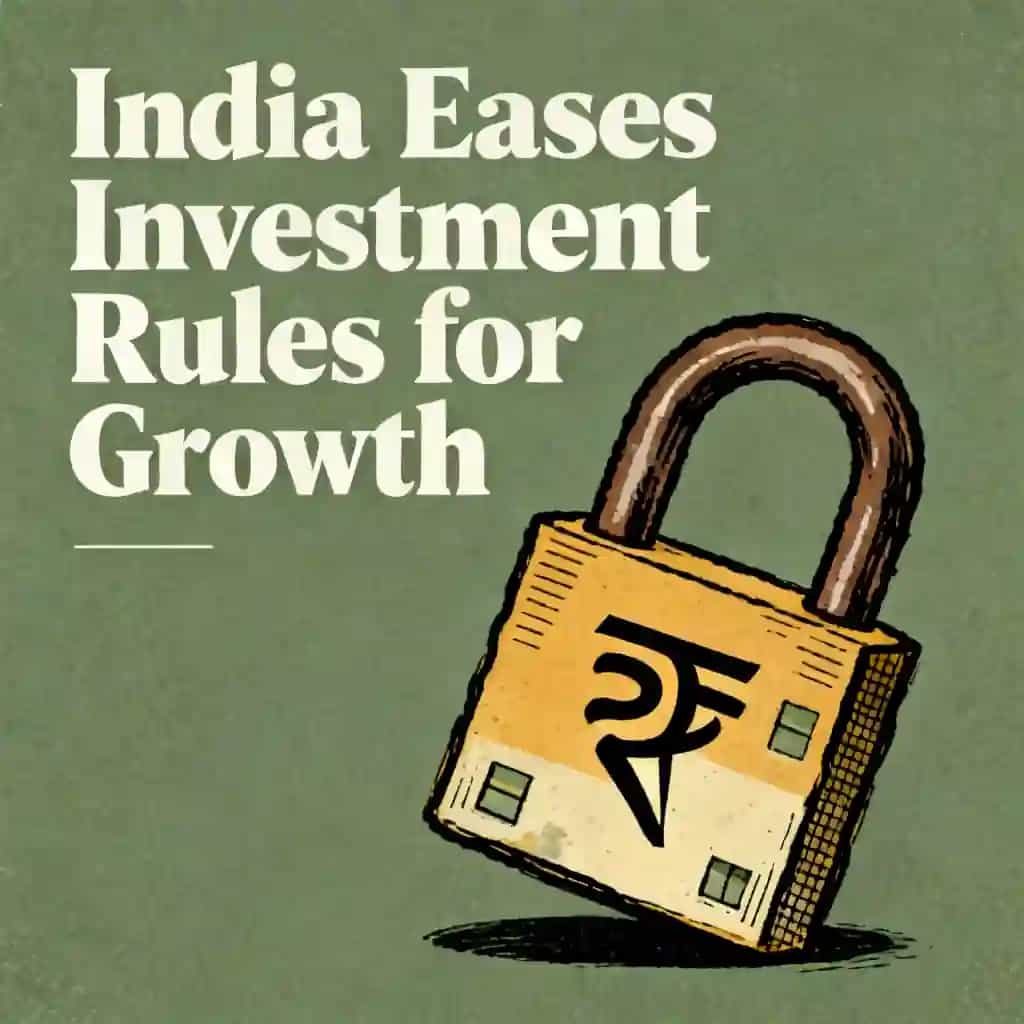
M&A Strategy in India: Market Expansion and Transaction Success
Explore strategic M&A in India. Learn how market expansion, diversification, and consolidation drive transaction success and business growth in the Indian market.

Miglior citazione da M&A Strategy in India: Market Expansion and Transaction Success
The most successful deals are the ones where the buyer has a growth thesis that goes way beyond just the purchase price. It’s about moving away from short-term arbitrage toward high-conviction, strategic plays that build a defensible moat.
Generated by VIKASH KUMAR JAIN
This subtopic would explore the strategic considerations that drive M&A decisions in India, including market expansion, diversification, consolidation, and the pursuit of synergies, and discuss how these considerations impact the success of M&A transactions.







Domande frequenti
The primary drivers for M&A in India include strategic market expansion, corporate diversification, and industry consolidation. Companies often engage in these transactions to gain a competitive edge in the rapidly growing Indian business landscape. By pursuing synergies through mergers and acquisitions, organizations can streamline operations, access new customer bases, and enhance their overall market position, which are critical factors for long-term transaction success.
Market expansion is a cornerstone of Indian business strategy, often achieved through targeted M&A activities. By acquiring established local players or niche firms, companies can quickly scale their presence across different regions of India. This approach reduces the barriers to entry and allows businesses to leverage existing distribution networks and local expertise, making it a preferred method for achieving rapid growth and increasing market share.
Synergy pursuit is vital for M&A transaction success because it ensures that the combined entity is more valuable than the sum of its individual parts. In the context of M&A in India, identifying operational, financial, or managerial synergies helps justifying the acquisition premium. Successful integration focused on these synergies leads to cost efficiencies and revenue growth, which are essential metrics for evaluating the ultimate effectiveness of the strategic decision.
Corporate diversification allows companies in India to mitigate risks by spreading their interests across various sectors and product lines. Through strategic M&A, a firm can enter new industries that offer higher growth potential or counter-cyclical stability. This diversification strategy helps businesses navigate the complexities of the Indian market, ensuring that they remain resilient against sector-specific downturns while capturing new opportunities for value creation.
Creato da alumni della Columbia University a San Francisco
"Instead of endless scrolling, I just hit play on BeFreed. It saves me so much time."


"I never knew where to start with nonfiction—BeFreed’s book lists turned into podcasts gave me a clear path."


"Perfect balance between learning and entertainment. Finished ‘Thinking, Fast and Slow’ on my commute this week."
"Crazy how much I learned while walking the dog. BeFreed = small habits → big gains."
"Reading used to feel like a chore. Now it’s just part of my lifestyle."

"Feels effortless compared to reading. I’ve finished 6 books this month already."
"BeFreed turned my guilty doomscrolling into something that feels productive and inspiring."

"BeFreed turned my commute into learning time. 20-min podcasts are perfect for finishing books I never had time for."
"BeFreed replaced my podcast queue. Imagine Spotify for books — that’s it. 🙌"

"It is great for me to learn something from the book without reading it."
"The themed book list podcasts help me connect ideas across authors—like a guided audio journey."
"Makes me feel smarter every time before going to work"
Creato da alumni della Columbia University a San Francisco
"Instead of endless scrolling, I just hit play on BeFreed. It saves me so much time."
"I never knew where to start with nonfiction—BeFreed’s book lists turned into podcasts gave me a clear path."
"Perfect balance between learning and entertainment. Finished ‘Thinking, Fast and Slow’ on my commute this week."
"Crazy how much I learned while walking the dog. BeFreed = small habits → big gains."
"Reading used to feel like a chore. Now it’s just part of my lifestyle."
"Feels effortless compared to reading. I’ve finished 6 books this month already."
"BeFreed turned my guilty doomscrolling into something that feels productive and inspiring."
"BeFreed turned my commute into learning time. 20-min podcasts are perfect for finishing books I never had time for."
"BeFreed replaced my podcast queue. Imagine Spotify for books — that’s it. 🙌"
"It is great for me to learn something from the book without reading it."
"The themed book list podcasts help me connect ideas across authors—like a guided audio journey."
"Makes me feel smarter every time before going to work"
"Instead of endless scrolling, I just hit play on BeFreed. It saves me so much time."
"I never knew where to start with nonfiction—BeFreed’s book lists turned into podcasts gave me a clear path."
"Perfect balance between learning and entertainment. Finished ‘Thinking, Fast and Slow’ on my commute this week."
"Crazy how much I learned while walking the dog. BeFreed = small habits → big gains."
"Reading used to feel like a chore. Now it’s just part of my lifestyle."
"Feels effortless compared to reading. I’ve finished 6 books this month already."
"BeFreed turned my guilty doomscrolling into something that feels productive and inspiring."
"BeFreed turned my commute into learning time. 20-min podcasts are perfect for finishing books I never had time for."
"BeFreed replaced my podcast queue. Imagine Spotify for books — that’s it. 🙌"
"It is great for me to learn something from the book without reading it."
"The themed book list podcasts help me connect ideas across authors—like a guided audio journey."
"Makes me feel smarter every time before going to work"
"Instead of endless scrolling, I just hit play on BeFreed. It saves me so much time."
"I never knew where to start with nonfiction—BeFreed’s book lists turned into podcasts gave me a clear path."
"Perfect balance between learning and entertainment. Finished ‘Thinking, Fast and Slow’ on my commute this week."
"Crazy how much I learned while walking the dog. BeFreed = small habits → big gains."
"Reading used to feel like a chore. Now it’s just part of my lifestyle."
"Feels effortless compared to reading. I’ve finished 6 books this month already."
"BeFreed turned my guilty doomscrolling into something that feels productive and inspiring."
"BeFreed turned my commute into learning time. 20-min podcasts are perfect for finishing books I never had time for."
"BeFreed replaced my podcast queue. Imagine Spotify for books — that’s it. 🙌"
"It is great for me to learn something from the book without reading it."
"The themed book list podcasts help me connect ideas across authors—like a guided audio journey."
"Makes me feel smarter every time before going to work"