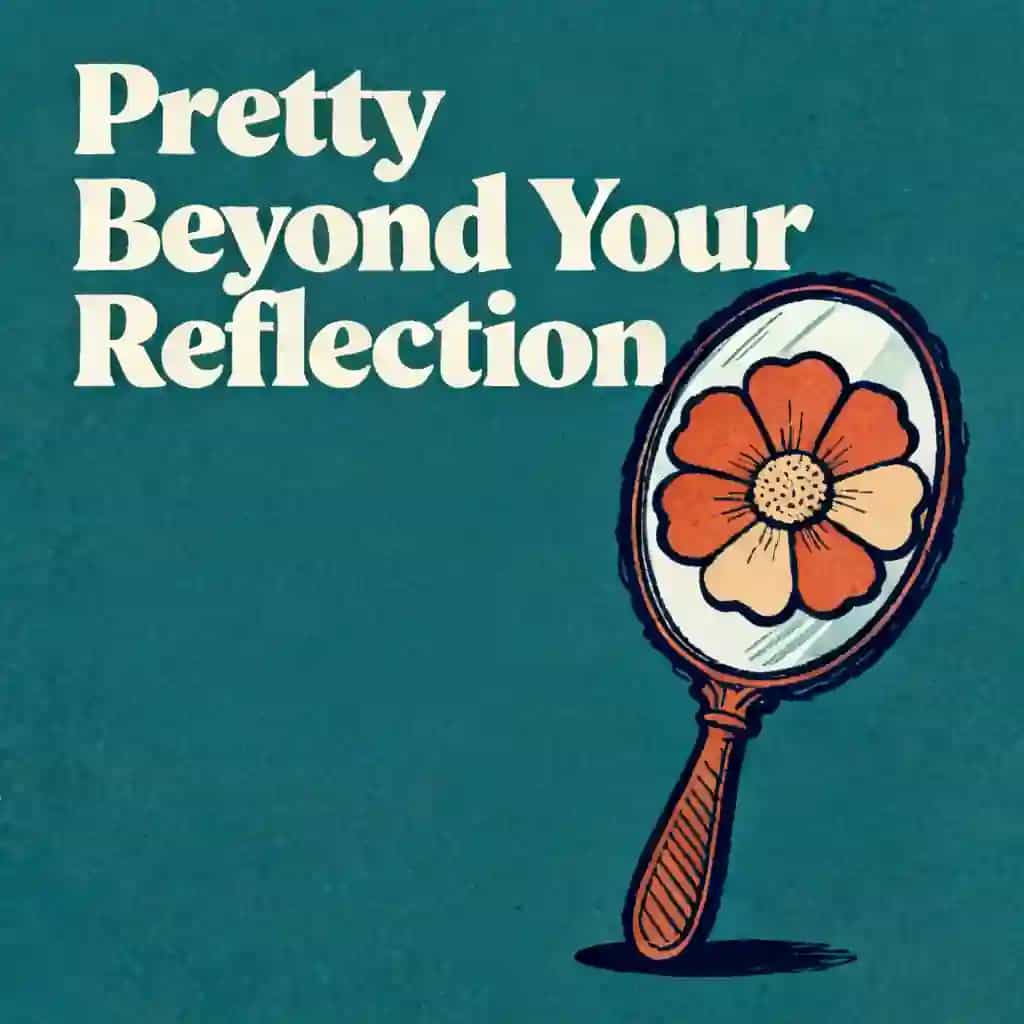
How Women Experience Aesthetic Inflation
Algorithms are reshaping how women see themselves. We explore the rise of aesthetic inflation and how to reclaim your gaze from digital perfection.

Miglior citazione da How Women Experience Aesthetic Inflation
The most important gaze of all is the one that starts from within. It’s about moving from being an object to be viewed to a subject to be inhabited—the radical possibility of seeing yourself on your own terms.
Generated by Saint
Women, see, and see appeal

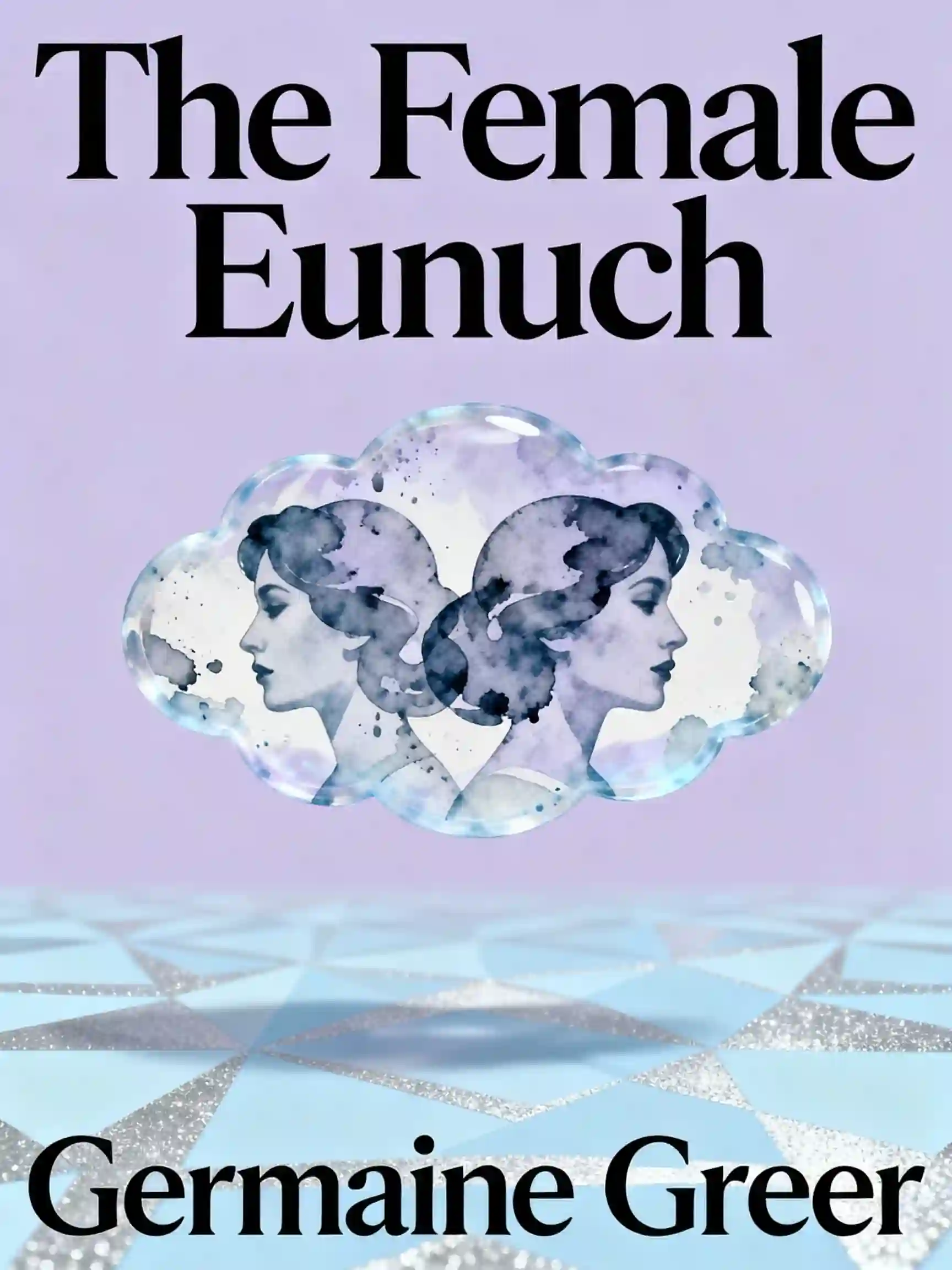
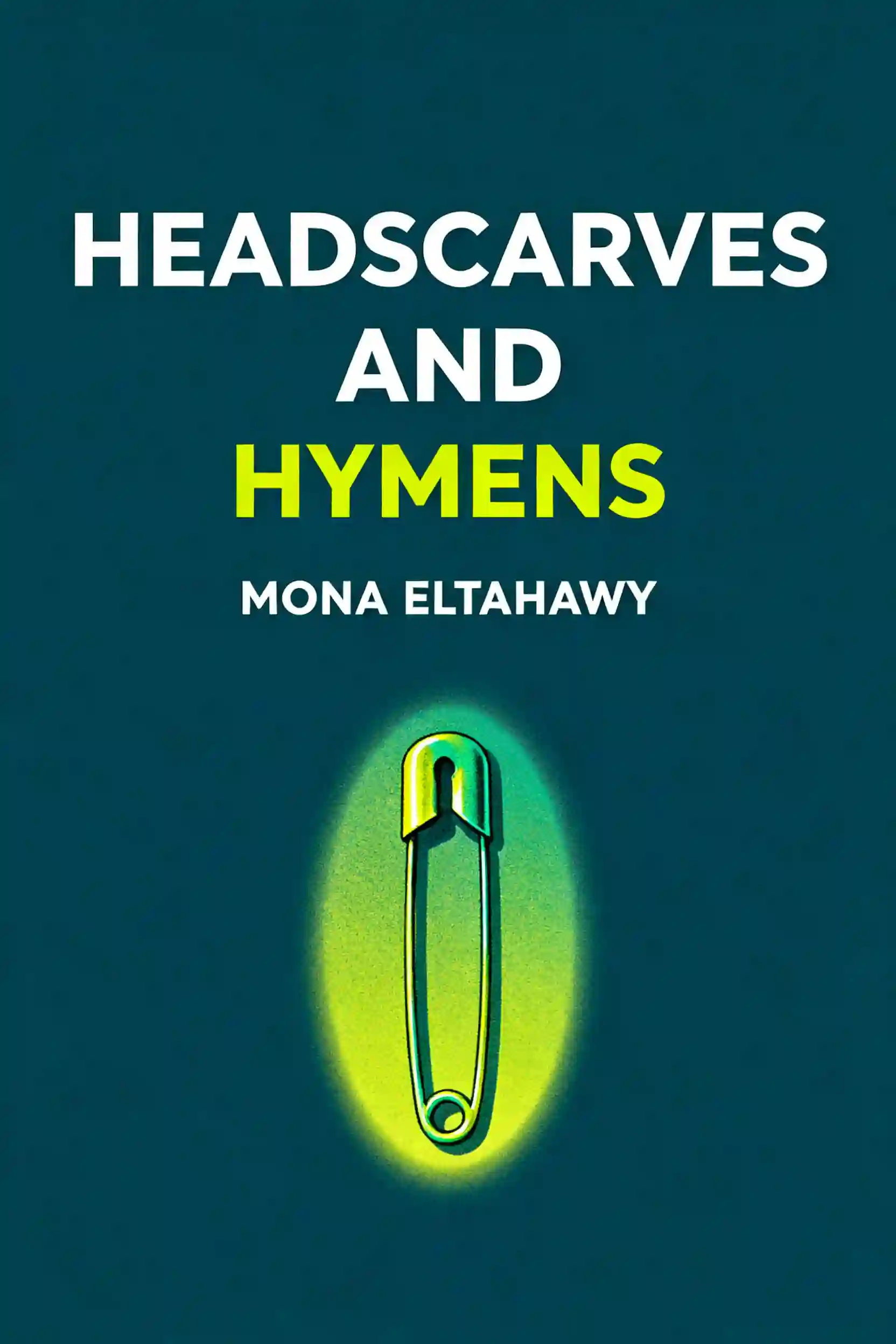
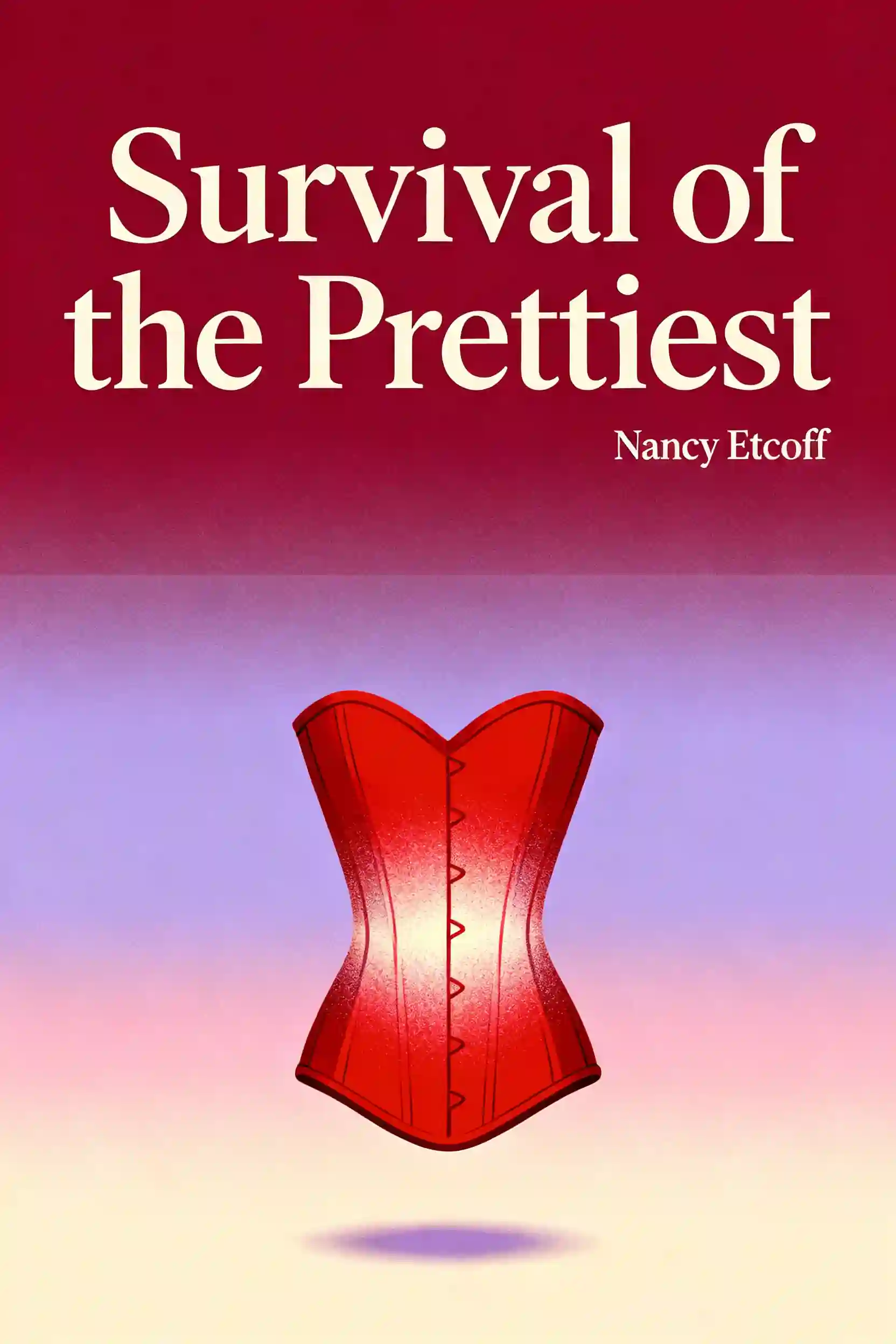
Domande frequenti
Aesthetic inflation refers to the rapid escalation and standardization of beauty ideals, often driven by social media algorithms and digital filters. The script notes a significant rise in cosmetic procedures, such as a seventy-three percent jump in Botox use between 2019 and 2022, even among teenagers. This phenomenon creates a "shared dream" of a specific, poreless, and "nebulously de-aged" look—often called "Instagram face"—which can lead to increased appearance anxiety and a sense of dissatisfaction with one's real-life physical reality.
The "male gaze" is a concept where visual media is structured to frame women as objects to be looked at for the pleasure of a heterosexual male viewer, often reducing women to a passive spectacle. In contrast, the "oppositional gaze" is a term introduced by bell hooks to describe a critical and defiant way of watching. It involves looking back at the machinery of the media and refusing to accept stereotypical or narrow representations as truth, allowing marginalized groups to reclaim the right to define their own identities.
While beauty standards are heavily influenced by culture, evolutionary biologists suggest some preferences are "honest signals" of health and fertility. For example, facial symmetry may signal a development free from disease or toxins, while a specific waist-to-hip ratio may signal the presence of specific fats needed for fetal brain development. However, the script emphasizes that these biological preferences are flexible; in environments where food is scarce, heavier bodies are often preferred as the ultimate signal of survival and health.
Self-objectification occurs when individuals adopt an observer's perspective on their own bodies, prioritizing how they look over how they feel. This constant self-monitoring in the "digital panopticon" of social media acts as a cognitive drain, leaving less mental energy for other tasks like leadership or activism. The script describes this as a "distributed drain on collective political capacity," where the labor of managing one's digital appearance consumes resources that could be used for more productive or fulfilling purposes.
Reclaiming the gaze involves moving from being an "object to be viewed" to a "subject to be inhabited." This can be achieved through "sovereign perception"—the act of defining oneself on one's own terms rather than through an external lens. Practical steps include practicing "critical spectatorship" by questioning who benefits from certain beauty ideals, focusing on physical sensations rather than display through activities like sport or dance, and supporting artists and media that celebrate diverse, unfiltered, and complex human realities.
Creato da alumni della Columbia University a San Francisco
"Instead of endless scrolling, I just hit play on BeFreed. It saves me so much time."


"I never knew where to start with nonfiction—BeFreed’s book lists turned into podcasts gave me a clear path."


"Perfect balance between learning and entertainment. Finished ‘Thinking, Fast and Slow’ on my commute this week."
"Crazy how much I learned while walking the dog. BeFreed = small habits → big gains."
"Reading used to feel like a chore. Now it’s just part of my lifestyle."

"Feels effortless compared to reading. I’ve finished 6 books this month already."
"BeFreed turned my guilty doomscrolling into something that feels productive and inspiring."

"BeFreed turned my commute into learning time. 20-min podcasts are perfect for finishing books I never had time for."
"BeFreed replaced my podcast queue. Imagine Spotify for books — that’s it. 🙌"

"It is great for me to learn something from the book without reading it."
"The themed book list podcasts help me connect ideas across authors—like a guided audio journey."
"Makes me feel smarter every time before going to work"
 Ask ChatGPT
 Ask Claude
Creato da alumni della Columbia University a San Francisco
"Instead of endless scrolling, I just hit play on BeFreed. It saves me so much time."
"I never knew where to start with nonfiction—BeFreed’s book lists turned into podcasts gave me a clear path."
"Perfect balance between learning and entertainment. Finished ‘Thinking, Fast and Slow’ on my commute this week."
"Crazy how much I learned while walking the dog. BeFreed = small habits → big gains."
"Reading used to feel like a chore. Now it’s just part of my lifestyle."
"Feels effortless compared to reading. I’ve finished 6 books this month already."
"BeFreed turned my guilty doomscrolling into something that feels productive and inspiring."
"BeFreed turned my commute into learning time. 20-min podcasts are perfect for finishing books I never had time for."
"BeFreed replaced my podcast queue. Imagine Spotify for books — that’s it. 🙌"
"It is great for me to learn something from the book without reading it."
"The themed book list podcasts help me connect ideas across authors—like a guided audio journey."
"Makes me feel smarter every time before going to work"
"Instead of endless scrolling, I just hit play on BeFreed. It saves me so much time."
"I never knew where to start with nonfiction—BeFreed’s book lists turned into podcasts gave me a clear path."
"Perfect balance between learning and entertainment. Finished ‘Thinking, Fast and Slow’ on my commute this week."
"Crazy how much I learned while walking the dog. BeFreed = small habits → big gains."
"Reading used to feel like a chore. Now it’s just part of my lifestyle."
"Feels effortless compared to reading. I’ve finished 6 books this month already."
"BeFreed turned my guilty doomscrolling into something that feels productive and inspiring."
"BeFreed turned my commute into learning time. 20-min podcasts are perfect for finishing books I never had time for."
"BeFreed replaced my podcast queue. Imagine Spotify for books — that’s it. 🙌"
"It is great for me to learn something from the book without reading it."
"The themed book list podcasts help me connect ideas across authors—like a guided audio journey."
"Makes me feel smarter every time before going to work"
"Instead of endless scrolling, I just hit play on BeFreed. It saves me so much time."
"I never knew where to start with nonfiction—BeFreed’s book lists turned into podcasts gave me a clear path."
"Perfect balance between learning and entertainment. Finished ‘Thinking, Fast and Slow’ on my commute this week."
"Crazy how much I learned while walking the dog. BeFreed = small habits → big gains."
"Reading used to feel like a chore. Now it’s just part of my lifestyle."
"Feels effortless compared to reading. I’ve finished 6 books this month already."
"BeFreed turned my guilty doomscrolling into something that feels productive and inspiring."
"BeFreed turned my commute into learning time. 20-min podcasts are perfect for finishing books I never had time for."
"BeFreed replaced my podcast queue. Imagine Spotify for books — that’s it. 🙌"
"It is great for me to learn something from the book without reading it."
"The themed book list podcasts help me connect ideas across authors—like a guided audio journey."
"Makes me feel smarter every time before going to work"