How to be charismatic using science and warmth
Think charisma is a birthright? Learn how presence and warmth trigger brain chemistry to build magnetic connections and lead more effectively.

Miglior citazione da How to be charismatic using science and warmth
Charisma is not about being the loudest person or having a perfect personality; it’s about how you make other people feel about themselves.
Generated by Hamsterwheel
How to be charismatic

Domande frequenti
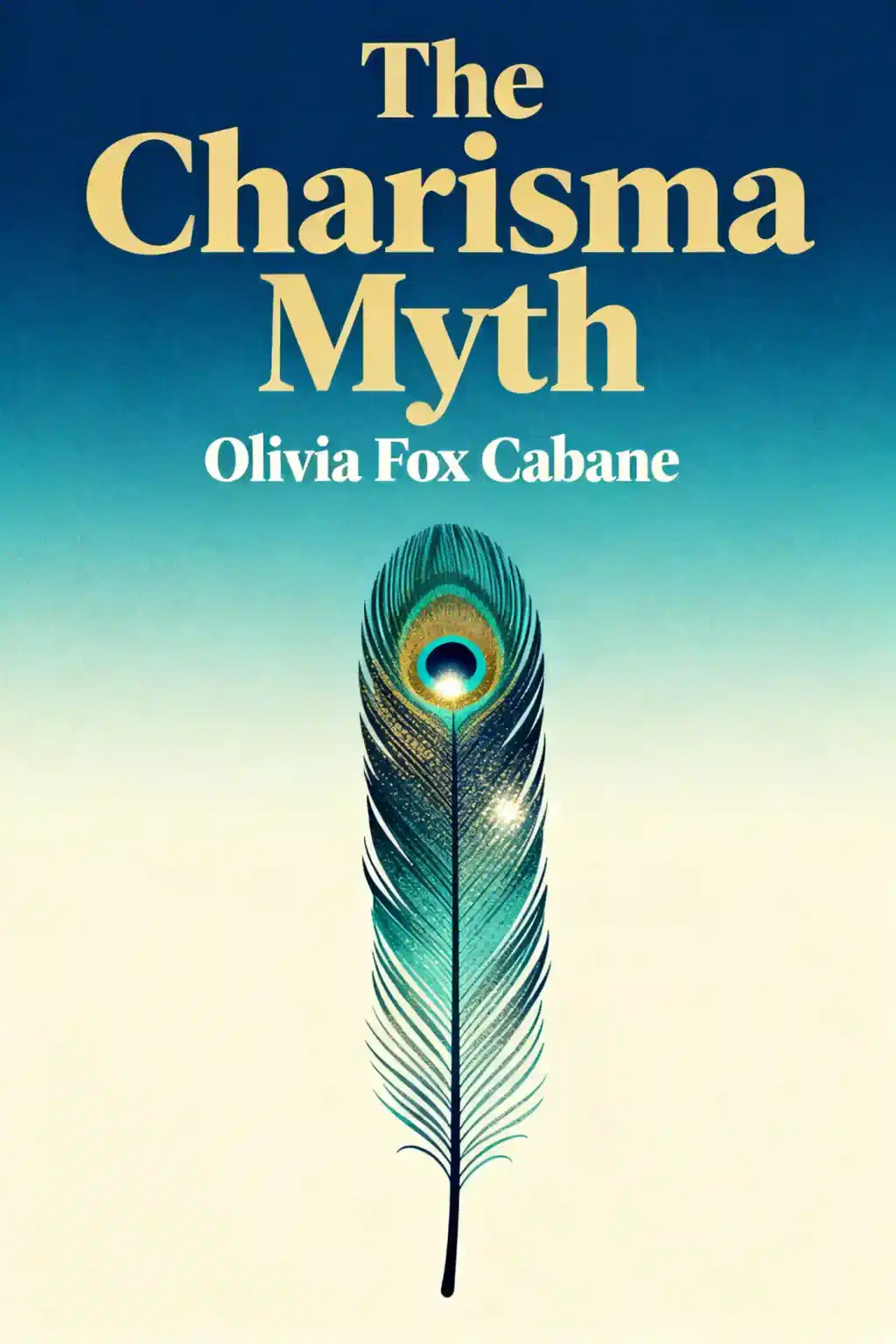
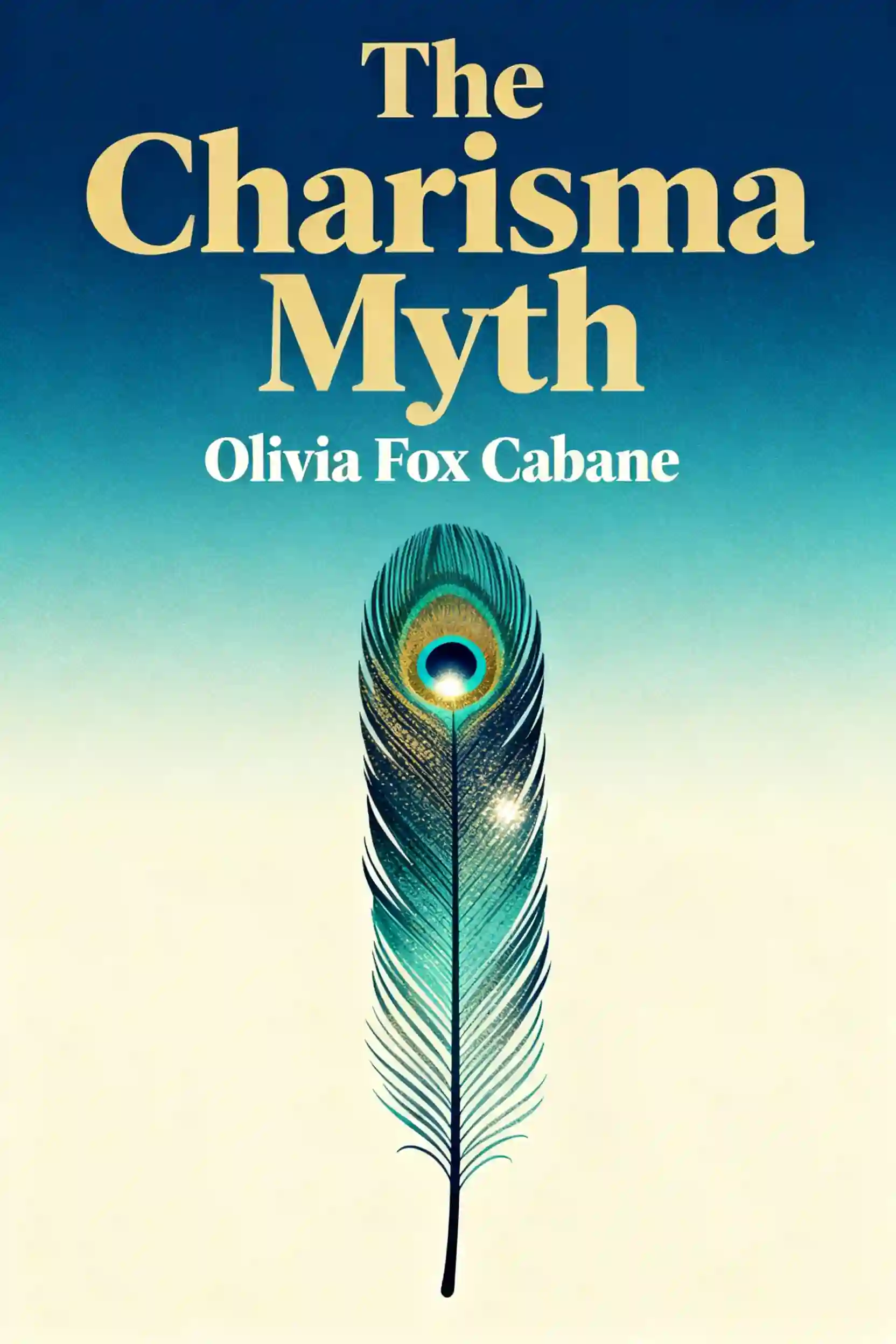
No, research suggests that charisma is not a "genetic lucky roll" or a fixed personality trait. Instead, it is a specific set of learnable behaviors and stylistic expressions. Experts like Dr. Ulrich Jensen and Olivia Fox Cabane argue that charisma is about how you make others feel about themselves through practiced habits rather than being the loudest person in the room or having a "perfect" personality.
The three pillars are presence, power, and warmth. They function like a tripod; if one is missing, the balance fails. Presence is the ability to stay completely focused on the person in front of you. Power involves projecting confidence, competence, and "quiet authority" through posture and voice. Warmth is the projection of good intentions and safety. For maximum impact, warmth should usually be established first to ensure that your power is perceived as helpful leadership rather than a threat.
Absolutely. Charisma is often confused with gregariousness, but they are not the same. Introverts can leverage their natural strengths, such as deep listening and processing information before speaking, to excel at "presence." By using "quiet charisma"—which includes thoughtful questions, steady eye contact, and precise communication—introverts can create a sense of "social gravity" that is often more grounded and substantial than high-energy extroversion.
CLTs, or Charismatic Leadership Tactics, are specific verbal and non-verbal techniques that increase a person's perceived influence. Key tactics include using metaphors and analogies to make complex ideas memorable, employing the "Rule of Three" to make points sound complete and authoritative, and asking rhetorical questions to guide a listener's thinking. Non-verbal CLTs include varying your vocal pitch and pace, as well as using open-palm gestures to signal trustworthiness.
Strategic vulnerability involves sharing appropriate past challenges or mistakes to humanize yourself and build trust. This works through the "Pratfall Effect," where a highly competent person's likability increases when they show a small flaw. However, it is a sequenced tactic: you must first establish your "power" and competence so that the vulnerability is seen as a relatable human trait rather than a sign of weakness or lack of skill.
Creato da alumni della Columbia University a San Francisco
"Instead of endless scrolling, I just hit play on BeFreed. It saves me so much time."


"I never knew where to start with nonfiction—BeFreed’s book lists turned into podcasts gave me a clear path."


"Perfect balance between learning and entertainment. Finished ‘Thinking, Fast and Slow’ on my commute this week."
"Crazy how much I learned while walking the dog. BeFreed = small habits → big gains."
"Reading used to feel like a chore. Now it’s just part of my lifestyle."

"Feels effortless compared to reading. I’ve finished 6 books this month already."
"BeFreed turned my guilty doomscrolling into something that feels productive and inspiring."

"BeFreed turned my commute into learning time. 20-min podcasts are perfect for finishing books I never had time for."
"BeFreed replaced my podcast queue. Imagine Spotify for books — that’s it. 🙌"

"It is great for me to learn something from the book without reading it."
"The themed book list podcasts help me connect ideas across authors—like a guided audio journey."
"Makes me feel smarter every time before going to work"
 Ask ChatGPT
 Ask Claude
Creato da alumni della Columbia University a San Francisco
"Instead of endless scrolling, I just hit play on BeFreed. It saves me so much time."
"I never knew where to start with nonfiction—BeFreed’s book lists turned into podcasts gave me a clear path."
"Perfect balance between learning and entertainment. Finished ‘Thinking, Fast and Slow’ on my commute this week."
"Crazy how much I learned while walking the dog. BeFreed = small habits → big gains."
"Reading used to feel like a chore. Now it’s just part of my lifestyle."
"Feels effortless compared to reading. I’ve finished 6 books this month already."
"BeFreed turned my guilty doomscrolling into something that feels productive and inspiring."
"BeFreed turned my commute into learning time. 20-min podcasts are perfect for finishing books I never had time for."
"BeFreed replaced my podcast queue. Imagine Spotify for books — that’s it. 🙌"
"It is great for me to learn something from the book without reading it."
"The themed book list podcasts help me connect ideas across authors—like a guided audio journey."
"Makes me feel smarter every time before going to work"
"Instead of endless scrolling, I just hit play on BeFreed. It saves me so much time."
"I never knew where to start with nonfiction—BeFreed’s book lists turned into podcasts gave me a clear path."
"Perfect balance between learning and entertainment. Finished ‘Thinking, Fast and Slow’ on my commute this week."
"Crazy how much I learned while walking the dog. BeFreed = small habits → big gains."
"Reading used to feel like a chore. Now it’s just part of my lifestyle."
"Feels effortless compared to reading. I’ve finished 6 books this month already."
"BeFreed turned my guilty doomscrolling into something that feels productive and inspiring."
"BeFreed turned my commute into learning time. 20-min podcasts are perfect for finishing books I never had time for."
"BeFreed replaced my podcast queue. Imagine Spotify for books — that’s it. 🙌"
"It is great for me to learn something from the book without reading it."
"The themed book list podcasts help me connect ideas across authors—like a guided audio journey."
"Makes me feel smarter every time before going to work"
"Instead of endless scrolling, I just hit play on BeFreed. It saves me so much time."
"I never knew where to start with nonfiction—BeFreed’s book lists turned into podcasts gave me a clear path."
"Perfect balance between learning and entertainment. Finished ‘Thinking, Fast and Slow’ on my commute this week."
"Crazy how much I learned while walking the dog. BeFreed = small habits → big gains."
"Reading used to feel like a chore. Now it’s just part of my lifestyle."
"Feels effortless compared to reading. I’ve finished 6 books this month already."
"BeFreed turned my guilty doomscrolling into something that feels productive and inspiring."
"BeFreed turned my commute into learning time. 20-min podcasts are perfect for finishing books I never had time for."
"BeFreed replaced my podcast queue. Imagine Spotify for books — that’s it. 🙌"
"It is great for me to learn something from the book without reading it."
"The themed book list podcasts help me connect ideas across authors—like a guided audio journey."
"Makes me feel smarter every time before going to work"