Turn awkward silences into mind-bending journeys with this 5-minute guide to rabbit holes, cosmic giggles, and deep hypothetical playbooks.
Miglior citazione da High Vibes: Master the Art of Infinite Conversation
“
'Yes, and' is the infinite loop. It turns a simple hang into a creative session where nobody is the expert and everyone is a co-creator.
”
A
Generated by Ash
Domanda di input
Make a quick 5 minute lesson so I never run out of ideas to talk about with my teenage stoner friends
Voci dei presentatori
Lena
Miles
Fonti di conoscenza
Domande frequenti
The "Yes, And" technique is a method borrowed from improv comedy designed to prevent conversational dead ends. Instead of shutting down a friend's idea with a "no" or a "maybe," you accept the premise they have created (the "Yes") and then add a new layer or detail to it (the "And"). This approach treats conversation as a collaborative world-building project rather than an interview, ensuring that the dialogue functions as an infinite loop where both participants are co-creators.
Dig Questions are open-ended probes that move a conversation from surface-level facts to deeper emotional narratives. If a friend is stuck in a loop of complaining, a Dig Question shifts the focus by asking for specifics, such as the exact moment they felt a certain way or why a specific detail bothered them. By focusing on the "why" and "how" rather than the "what," you encourage the speaker to tell a story and reveal their emotional subtext, which effectively breaks the cycle of repetitive venting.
The Spokes Method is a visualization tool where the current topic of conversation is viewed as the "hub" of a wheel. To transition naturally without being abrupt, you follow "spokes," which are related sub-topics radiating out from that center. For example, if the hub is "school," the spokes might lead to discussions about the future of AI in education or the value of diplomas. This allows you to "think around" a topic and find new avenues for exploration even if you aren't an expert on the original subject.
Silence is often viewed as awkward, but in a meaningful conversation, a three-second pause is a sign of respect and active listening. It provides the speaker with the necessary space to move past reflex responses and think of a genuine, insightful answer. By not rushing to fill every gap, you signal to the other person that you are truly interested in their perspective rather than just waiting for your turn to speak, which helps build the trust required for "rabbit hole" topics.
While phones can often isolate people in the same room, they can also serve as low-pressure tools to initiate interaction, especially for those who feel shy or intimidated by face-to-face talk. Sending a "Would you rather" question, a meme, or a random hypothetical via text while sitting near someone can break the ice. Once the digital connection is made, it serves as a bridge to transition back into a physical, present conversation by showing genuine interest in the other person's reactions.
Creato da alumni della Columbia University | a San Francisco
BeFreed Riunisce Una Community Globale Di Menti Curiose
4.7
valutazione media
Oltre 7,84 mila valutazioni dell’app
Community BeFreed
Sul serio, non ho ancora esplorato l'app fino in fondo, ma dopo questi primi giorni sono davvero colpita… BeFreed è su un altro livello rispetto a qualsiasi altra app di apprendimento che abbia usato. Ti coinvolge tantissimo e migliora davvero la concentrazione: perfetta per chi non riesce a smettere di scrollare!
@ladyInfinity
Ho comprato BeFreed esattamente 23 giorni fa e da allora l'ho usata ogni singolo giorno. Si è integrata completamente nel mio flusso di lavoro e nelle mie abitudini di studio.
@jayallen
La verità è che l'app ha superato tutte le mie aspettative. Posso chiederle di generare audio su qualunque argomento, qualsiasi esso sia, e il risultato è impressionante. Il mio campo professionale è una specializzazione in psicoterapia, molto multidisciplinare; eppure le risposte sono molto accurate.
@Raguipa
Quello che apprezzo di più è quanto abbia ridotto il mio scrolling: passo meno tempo a cercare e più tempo ad assorbire informazioni. La combinazione di audiolibri completi, podcast e piani di apprendimento è brillante.
@colonyofcreatorsNGO
Sono istruttore di apprendimento accelerato PhotoReading da 24 anni… libri, lettura e apprendimento sono il mio pane, e BeFreed ha fatto un ottimo lavoro offrendo un approccio innovativo per trasmettere le informazioni in un modo facile da assimilare.
@BeFreed user
Non è solo un'app di riassunti di libri: ho usato l'opzione di lettura divertente ed è un riassunto molto migliore, un modo più efficace di afferrare le idee rispetto al metodo tradizionale. Solo questo vale la spesa.
@austinakon
Adoro questa app. La uso da diversi giorni e non riesco a smettere di ascoltare. Un ottimo modo per iniziare.
@jcrules328
Il programma mi piace davvero; lo sto provando da circa un mese e lo trovo una vera gemma. Funziona così bene perché con BeFreed posso creare i miei argomenti, e la voce è ottima, con una scelta illimitata di narrazioni.
@DanielCZ
Sul serio, non ho ancora esplorato l'app fino in fondo, ma dopo questi primi giorni sono davvero colpita… BeFreed è su un altro livello rispetto a qualsiasi altra app di apprendimento che abbia usato. Ti coinvolge tantissimo e migliora davvero la concentrazione: perfetta per chi non riesce a smettere di scrollare!
@ladyInfinity
Ho comprato BeFreed esattamente 23 giorni fa e da allora l'ho usata ogni singolo giorno. Si è integrata completamente nel mio flusso di lavoro e nelle mie abitudini di studio.
@jayallen
La verità è che l'app ha superato tutte le mie aspettative. Posso chiederle di generare audio su qualunque argomento, qualsiasi esso sia, e il risultato è impressionante. Il mio campo professionale è una specializzazione in psicoterapia, molto multidisciplinare; eppure le risposte sono molto accurate.
@Raguipa
Quello che apprezzo di più è quanto abbia ridotto il mio scrolling: passo meno tempo a cercare e più tempo ad assorbire informazioni. La combinazione di audiolibri completi, podcast e piani di apprendimento è brillante.
@colonyofcreatorsNGO
Sono istruttore di apprendimento accelerato PhotoReading da 24 anni… libri, lettura e apprendimento sono il mio pane, e BeFreed ha fatto un ottimo lavoro offrendo un approccio innovativo per trasmettere le informazioni in un modo facile da assimilare.
@BeFreed user
Non è solo un'app di riassunti di libri: ho usato l'opzione di lettura divertente ed è un riassunto molto migliore, un modo più efficace di afferrare le idee rispetto al metodo tradizionale. Solo questo vale la spesa.
@austinakon
Adoro questa app. La uso da diversi giorni e non riesco a smettere di ascoltare. Un ottimo modo per iniziare.
@jcrules328
Il programma mi piace davvero; lo sto provando da circa un mese e lo trovo una vera gemma. Funziona così bene perché con BeFreed posso creare i miei argomenti, e la voce è ottima, con una scelta illimitata di narrazioni.
@DanielCZ
Adoro poter ricevere informazioni e idee utili e condensate in un audio in stile podcast da 8-15 minuti. Non sono un grande fan dei podcast per via di tutto il riempitivo, ma qui si va dritti al punto.
@BeFreed user
Sto finendo il dottorato e devo leggere un sacco di materiale che non conosco… Con BeFreed basta inserire un prompt: l'app trova le fonti per te e genera un podcast audio. Trovo il processo di BeFreed più scorrevole di NotebookLM.
@Brad
Cerco spesso su YouTube qualcosa da ascoltare mentre preparo la colazione, cammino o sono in viaggio, e BeFreed offre un approccio ancora più mirato, senza pubblicità e senza riempitivi!
@BeFreed user
La cosa in assoluto migliore di questa piattaforma è la versatilità. Non c'è letteralmente nessun argomento fuori portata. Gestisce qualsiasi cosa le proponi… È raro trovare uno strumento di apprendimento senza limiti che mantenga davvero le promesse.
@jayallen
BeFreed è fantastica. Il design intuitivo mi fa passare meno tempo a navigare e più tempo a imparare. Il mix di audiolibri, podcast e piani di apprendimento è una combinazione geniale che ha cambiato completamente la mia routine quotidiana.
@BeFreed user
All'inizio mi ci è voluto un po' per capire come creare podcast in italiano e poi… boom! È fantastico! Posso chiedergli di spiegarmi qualsiasi argomento e lo fa benissimo, con grande intelligenza!
@matteo77
BeFreed è diventata la mia app quotidiana per gli audiolibri… Quello che mi piace di più è che inserisci il tuo testo e ottieni un audio da ascoltare ovunque.
@kotanzu1
Adoro poter ricevere informazioni e idee utili e condensate in un audio in stile podcast da 8-15 minuti. Non sono un grande fan dei podcast per via di tutto il riempitivo, ma qui si va dritti al punto.
@BeFreed user
Sto finendo il dottorato e devo leggere un sacco di materiale che non conosco… Con BeFreed basta inserire un prompt: l'app trova le fonti per te e genera un podcast audio. Trovo il processo di BeFreed più scorrevole di NotebookLM.
@Brad
Cerco spesso su YouTube qualcosa da ascoltare mentre preparo la colazione, cammino o sono in viaggio, e BeFreed offre un approccio ancora più mirato, senza pubblicità e senza riempitivi!
@BeFreed user
La cosa in assoluto migliore di questa piattaforma è la versatilità. Non c'è letteralmente nessun argomento fuori portata. Gestisce qualsiasi cosa le proponi… È raro trovare uno strumento di apprendimento senza limiti che mantenga davvero le promesse.
@jayallen
BeFreed è fantastica. Il design intuitivo mi fa passare meno tempo a navigare e più tempo a imparare. Il mix di audiolibri, podcast e piani di apprendimento è una combinazione geniale che ha cambiato completamente la mia routine quotidiana.
@BeFreed user
All'inizio mi ci è voluto un po' per capire come creare podcast in italiano e poi… boom! È fantastico! Posso chiedergli di spiegarmi qualsiasi argomento e lo fa benissimo, con grande intelligenza!
@matteo77
BeFreed è diventata la mia app quotidiana per gli audiolibri… Quello che mi piace di più è che inserisci il tuo testo e ottieni un audio da ascoltare ovunque.
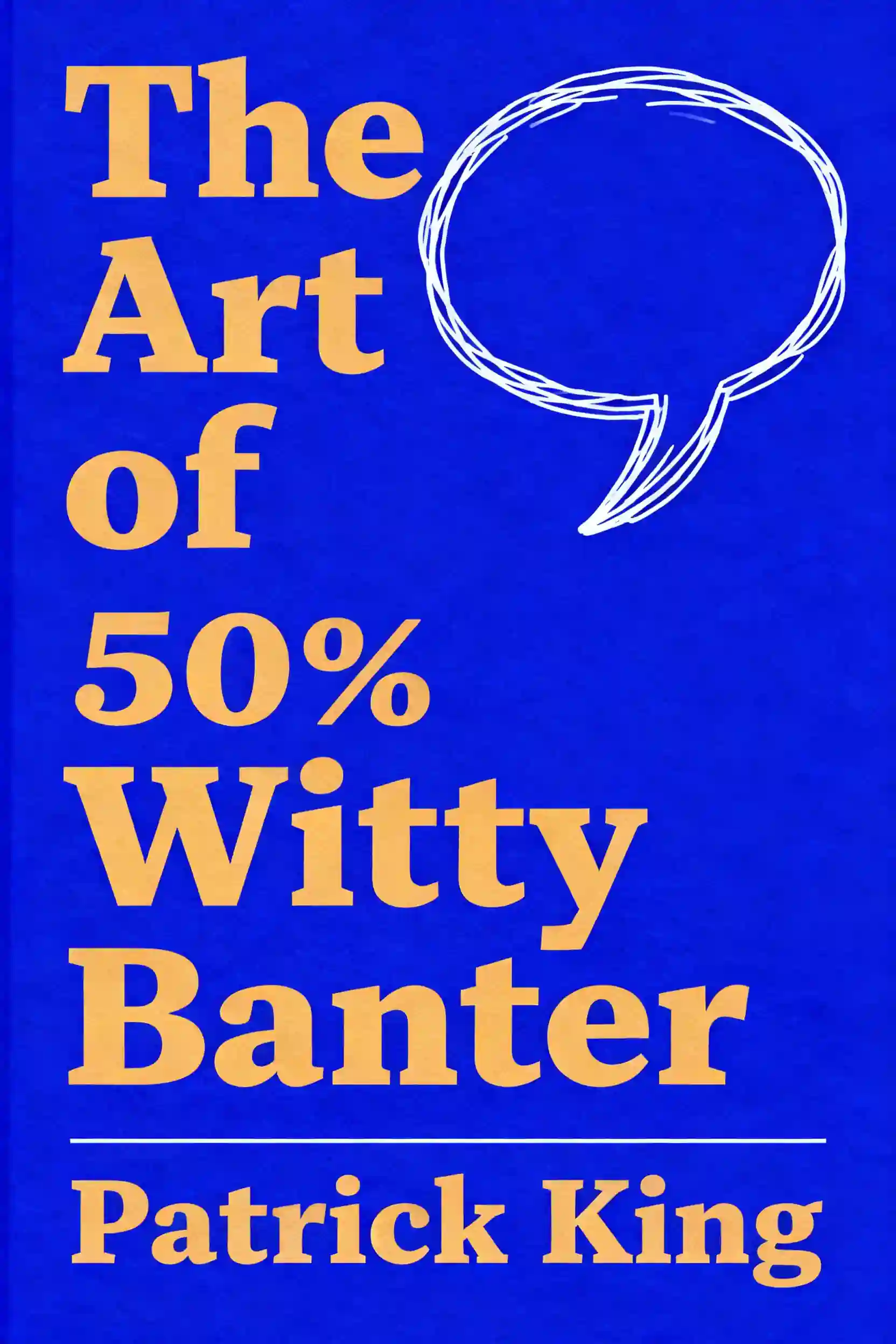
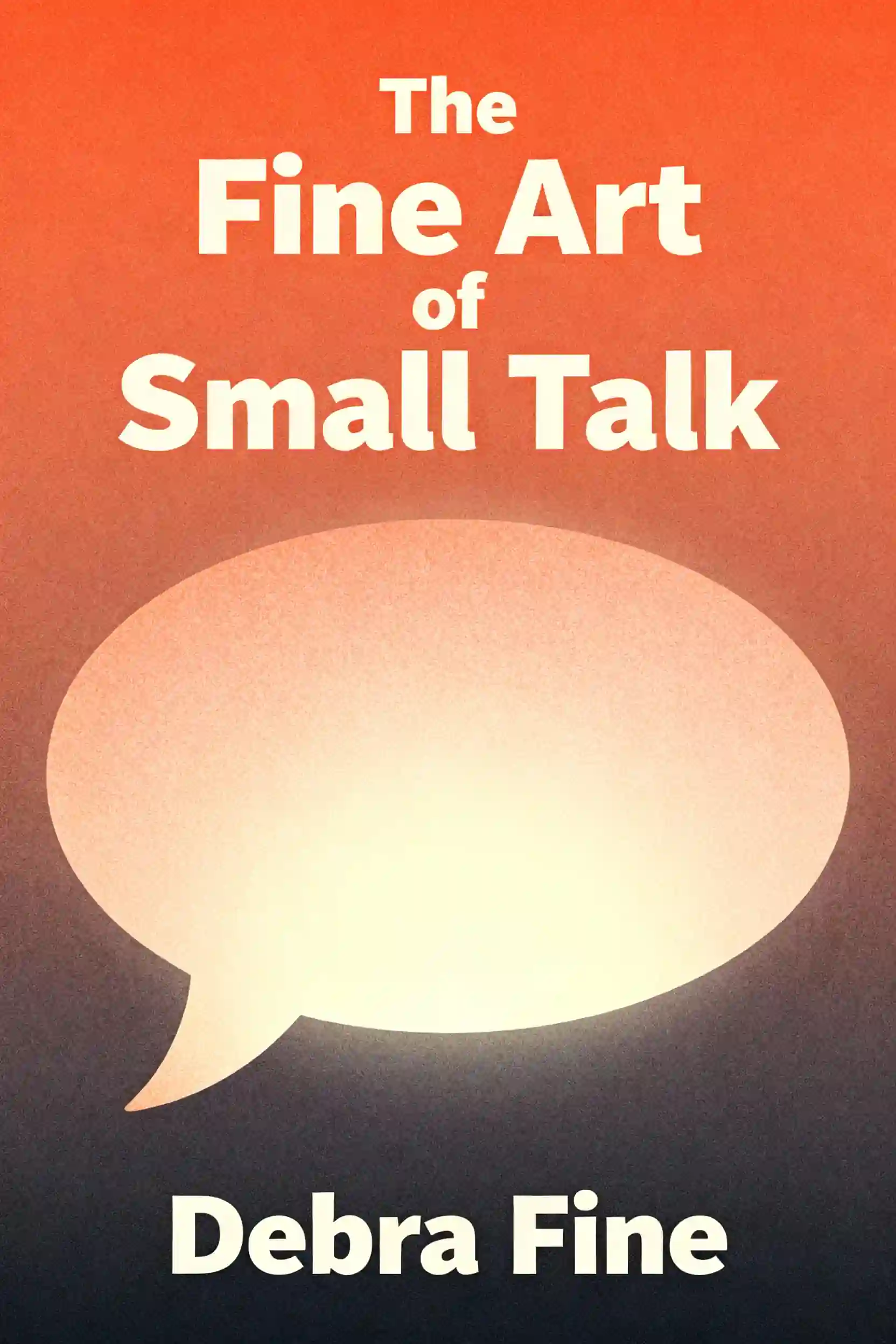
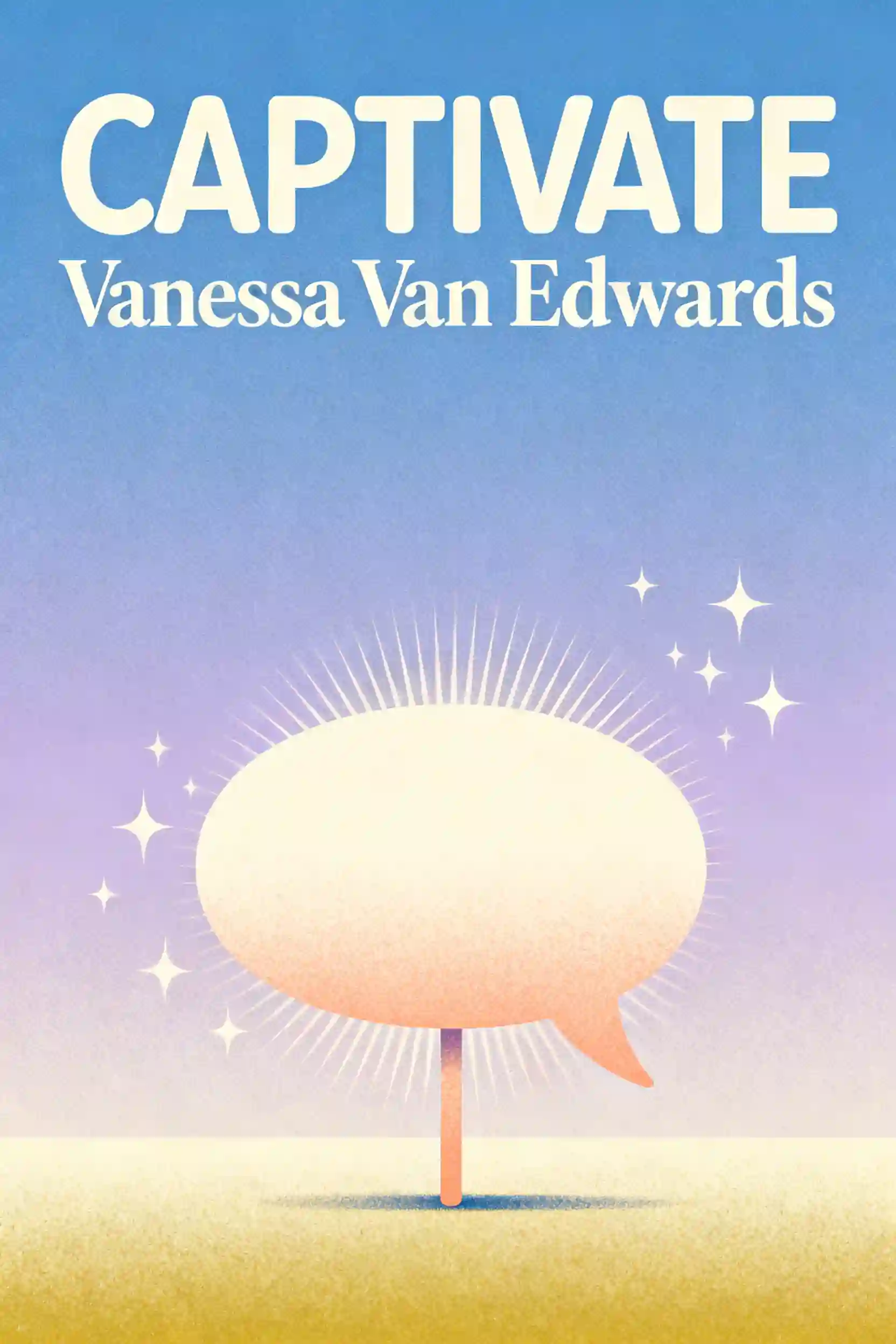
Transform from awkward small talk to meaningful connections using proven frameworks, vocal techniques, and conversation strategies that eliminate social anxiety and create lasting bonds.
Escape the small talk trap and upgrade your social toolkit with expert strategies for meaningful dialogue. Learn how to pivot from boring clichés to deep, authentic connections in any setting.
Stop fearing the silence with proven techniques like the FORD method and mirroring. Learn how to transform awkward small talk into deep, lasting connections through the power of strategic curiosity.
Discover the science-backed techniques to break free from awkward small talk and create meaningful connections. Learn the 4 stages of conversational depth, voice mastery, storytelling methods, and practical frameworks that turn every interaction into an opportunity for authentic human connection.
Stop fearing the awkward silence and learn to turn brief encounters into genuine connections through expert techniques, active listening, and curiosity-driven conversation.
Transform painful small talk into meaningful connections using psychology-backed techniques. Learn the art of 'collaborative riffing' and specific skills to build instant rapport with anyone.
Stop fearing the silence and learn how to transform awkward encounters into meaningful connections. This guide breaks down the social hacks and pre-game strategies needed to master the art of approachable conversation.












![[cbcde1ab-519e-4db5-a50b-5c1f728f3611:c0000] Master The Art Of Conversation (Using Psychology) p1-1](/_next/image?url=https%3A%2F%2Fd1y2du6z1jfm9e.cloudfront.net%2Fassets%2Fpodcast%2Fyellow.png&w=1024&q=50)
![[cbcde1ab-519e-4db5-a50b-5c1f728f3611:c0002] Master The Art Of Conversation (Using Psychology) p1-1](/_next/image?url=https%3A%2F%2Fd1y2du6z1jfm9e.cloudfront.net%2Fassets%2Fpodcast%2Fpurple.png&w=1024&q=50)