A General Theory of Love: The Three Brains
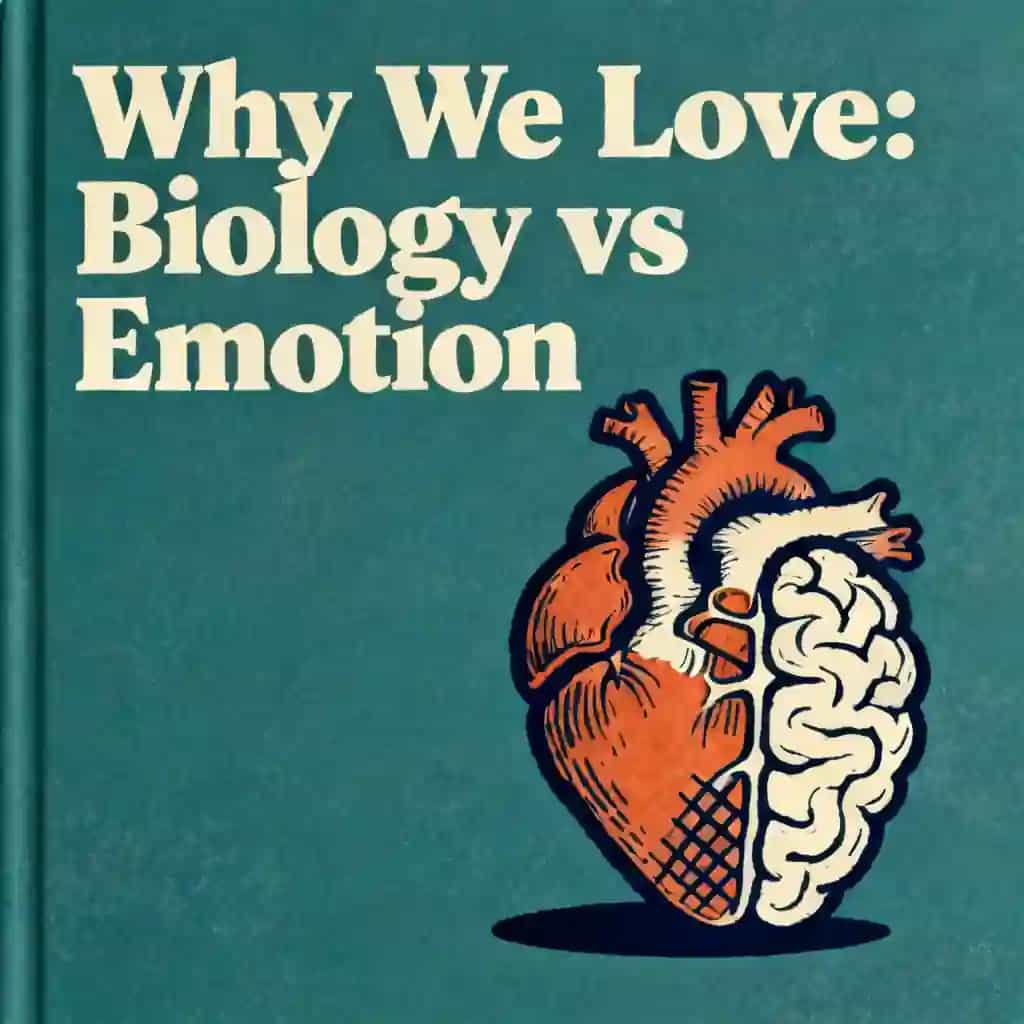
Why does logic fail when it comes to romance? Explore the biology of bonding and how to align your emotional brain with your rational mind.

Miglior citazione da A General Theory of Love: The Three Brains
Your neocortex might have a PhD and a five-year plan, but your limbic system—the part that actually falls in love—is much older, much more impulsive, and entirely immune to logic.
Generated with BeFreed
An audio lesson about the book A General Theory of Love, covering its key ideas and takeaways.


Domande frequenti
This difficulty arises because the human brain is composed of three distinct layers that evolved at different times and often do not speak the same language. While your neocortex handles logic and planning, your limbic system is the seat of emotion and bonding. The limbic system is much older and entirely immune to logic, meaning you cannot simply "talk yourself out" of feelings like heartbreak or attraction. Furthermore, research shows the brain often decides on an action before the conscious mind even realizes it, making the neocortex's reasoning more of an afterthought than a primary driver of emotional behavior.
Limbic resonance is the biological ability of mammals to tune into and match the emotional states of those around them. It acts as an invisible bridge that allows emotions to be contagious, explaining why you can sense tension in a room even if people are smiling. This mechanism is hardwired into our biology; for example, babies are born with the ability to smile and read facial expressions to interpret the world. This resonance is the foundation of wordless harmony between lovers, parents and children, and even humans and their pets.
Unlike a self-contained machine, human physiology requires input from other people to remain calibrated. This is known as limbic regulation, where social partners help coordinate each other’s heart rates, sleep cycles, and immune systems. When a social bond is broken, the body loses these organizing channels and enters phases of protest and despair. This biological interdependence is so strong that social isolation can significantly increase death rates after a heart attack, while strong support can double the survival rate for cancer patients.
These patterns are driven by "implicit memory," a system that operates beneath conscious awareness and develops before we are old enough to form conscious memories. In childhood, we extract patterns from our caregivers called "Attractors," which act like neural gravity wells. If you experienced unhealthy or "anomalous" love early in life, your brain creates an implicit prototype for what love "feels" like. As an adult, you naturally gravitate toward partners who fit this style because your brain recognizes it as familiar, even if it is logically harmful.
Limbic revision is the process of using a relationship with another person—such as an attuned therapist—to restructure the neural code of the brain. Because the limbic brain is slow and stubborn, it requires "mountains of repetition" and new emotional experiences rather than just intellectual insight. Through a state of relatedness, a therapist can help pull a person away from their native, dysfunctional Attractors and toward healthier ones. This process is a biological "inside job" that physically remodels the microanatomy of the brain over several years.
Creato da alumni della Columbia University a San Francisco
"Instead of endless scrolling, I just hit play on BeFreed. It saves me so much time."


"I never knew where to start with nonfiction—BeFreed’s book lists turned into podcasts gave me a clear path."


"Perfect balance between learning and entertainment. Finished ‘Thinking, Fast and Slow’ on my commute this week."
"Crazy how much I learned while walking the dog. BeFreed = small habits → big gains."
"Reading used to feel like a chore. Now it’s just part of my lifestyle."

"Feels effortless compared to reading. I’ve finished 6 books this month already."
"BeFreed turned my guilty doomscrolling into something that feels productive and inspiring."

"BeFreed turned my commute into learning time. 20-min podcasts are perfect for finishing books I never had time for."
"BeFreed replaced my podcast queue. Imagine Spotify for books — that’s it. 🙌"

"It is great for me to learn something from the book without reading it."
"The themed book list podcasts help me connect ideas across authors—like a guided audio journey."
"Makes me feel smarter every time before going to work"
Creato da alumni della Columbia University a San Francisco
"Instead of endless scrolling, I just hit play on BeFreed. It saves me so much time."
"I never knew where to start with nonfiction—BeFreed’s book lists turned into podcasts gave me a clear path."
"Perfect balance between learning and entertainment. Finished ‘Thinking, Fast and Slow’ on my commute this week."
"Crazy how much I learned while walking the dog. BeFreed = small habits → big gains."
"Reading used to feel like a chore. Now it’s just part of my lifestyle."
"Feels effortless compared to reading. I’ve finished 6 books this month already."
"BeFreed turned my guilty doomscrolling into something that feels productive and inspiring."
"BeFreed turned my commute into learning time. 20-min podcasts are perfect for finishing books I never had time for."
"BeFreed replaced my podcast queue. Imagine Spotify for books — that’s it. 🙌"
"It is great for me to learn something from the book without reading it."
"The themed book list podcasts help me connect ideas across authors—like a guided audio journey."
"Makes me feel smarter every time before going to work"
"Instead of endless scrolling, I just hit play on BeFreed. It saves me so much time."
"I never knew where to start with nonfiction—BeFreed’s book lists turned into podcasts gave me a clear path."
"Perfect balance between learning and entertainment. Finished ‘Thinking, Fast and Slow’ on my commute this week."
"Crazy how much I learned while walking the dog. BeFreed = small habits → big gains."
"Reading used to feel like a chore. Now it’s just part of my lifestyle."
"Feels effortless compared to reading. I’ve finished 6 books this month already."
"BeFreed turned my guilty doomscrolling into something that feels productive and inspiring."
"BeFreed turned my commute into learning time. 20-min podcasts are perfect for finishing books I never had time for."
"BeFreed replaced my podcast queue. Imagine Spotify for books — that’s it. 🙌"
"It is great for me to learn something from the book without reading it."
"The themed book list podcasts help me connect ideas across authors—like a guided audio journey."
"Makes me feel smarter every time before going to work"
"Instead of endless scrolling, I just hit play on BeFreed. It saves me so much time."
"I never knew where to start with nonfiction—BeFreed’s book lists turned into podcasts gave me a clear path."
"Perfect balance between learning and entertainment. Finished ‘Thinking, Fast and Slow’ on my commute this week."
"Crazy how much I learned while walking the dog. BeFreed = small habits → big gains."
"Reading used to feel like a chore. Now it’s just part of my lifestyle."
"Feels effortless compared to reading. I’ve finished 6 books this month already."
"BeFreed turned my guilty doomscrolling into something that feels productive and inspiring."
"BeFreed turned my commute into learning time. 20-min podcasts are perfect for finishing books I never had time for."
"BeFreed replaced my podcast queue. Imagine Spotify for books — that’s it. 🙌"
"It is great for me to learn something from the book without reading it."
"The themed book list podcasts help me connect ideas across authors—like a guided audio journey."
"Makes me feel smarter every time before going to work"