From Roommates to Lovers: Reigniting Her Desire
Discover the science of responsive desire and learn how to break down emotional walls to transform your marriage from a platonic routine into a passionate connection.

Miglior citazione da From Roommates to Lovers: Reigniting Her Desire
If you want to increase physical intimacy, you actually have to start by asking her if she has any resentments toward you. Desire is built on a foundation of emotional safety, and those invisible walls of past hurts kill the mood before it even starts.
Generated by Sossa
How to make wife desire me


Domande frequenti
According to the research discussed, many women experience "responsive desire" rather than "spontaneous desire." While men often feel a "hunger" for intimacy out of the blue, many women need to experience emotional connection and physical arousal before the mental desire kicks in. If the relationship environment lacks emotional safety or is filled with stress, her brain may not register physical closeness as a positive incentive, making it feel like the "spark" has disappeared when it actually just requires a different approach to ignite.
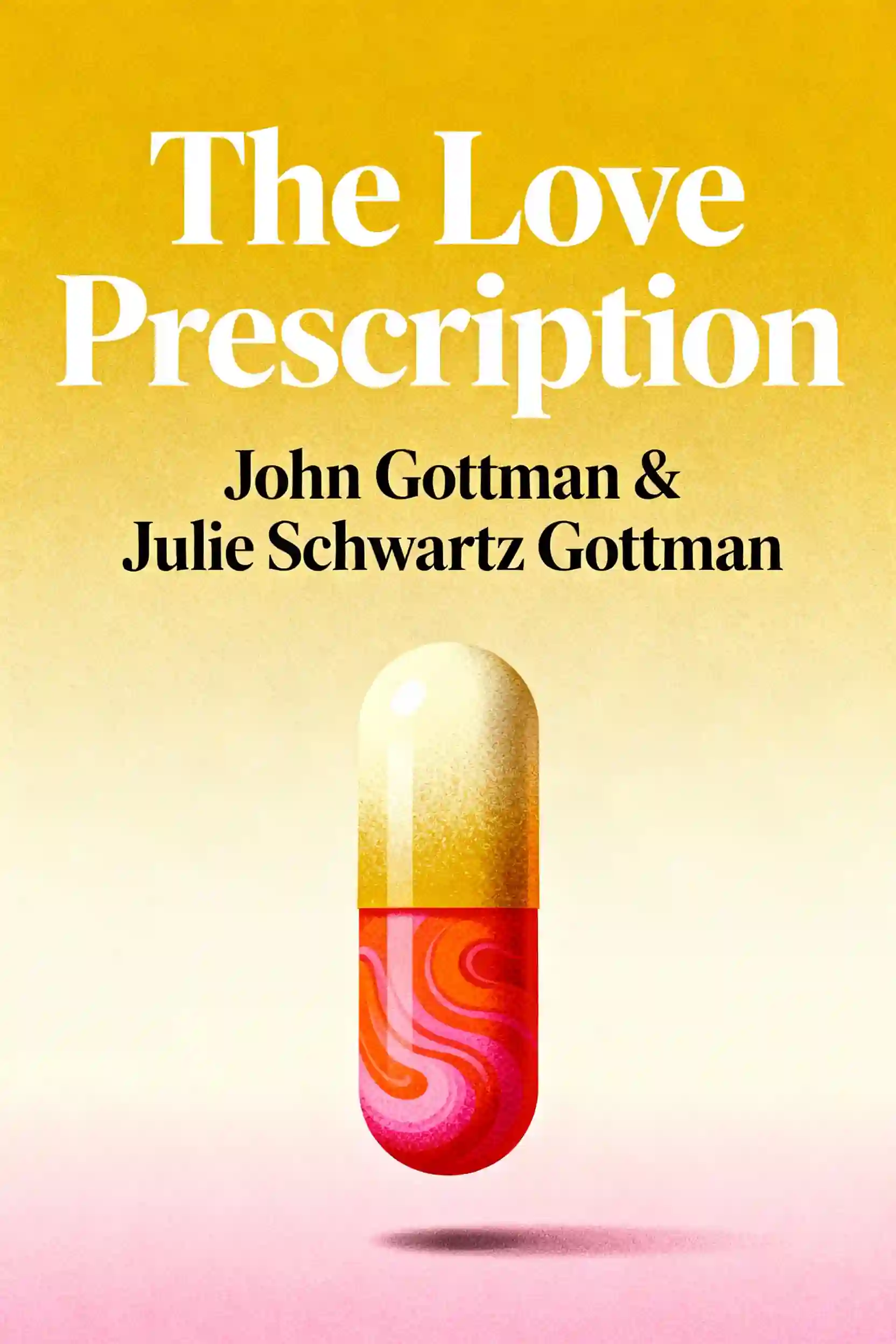
A "Love Map" is a concept from the Gottman Method that refers to how well you know your partner’s inner world, including their current stresses, joys, and dreams. Many couples struggle because they are operating off outdated maps from years ago. When a wife doesn't feel "seen" or known in her current life, physical intimacy can feel transactional or invasive. Updating your Love Map by asking open-ended questions about her daily life and feelings helps rebuild the foundation of emotional intimacy necessary for physical desire.
Accepting influence is the practice of actively listening to your wife’s perspective and weaving her needs into your decision-making process. It is not about being a "pushover," but rather about exercising emotional intelligence and moving from a "me" to a "we" mindset. Research shows that in heterosexual marriages, when a husband rejects his wife’s influence, there is an 81 percent chance the marriage will eventually fail. By yielding to a "win-win" mentality, you create a sanctuary of mutual respect rather than a battlefield.
A "bid" is any attempt a partner makes for attention, affirmation, or affection, such as pointing out a bird or asking about your day. "Turning toward" these small bids builds an "Emotional Bank Account." If a husband ignores these small bids throughout the day but then makes a bid for sex at night, the wife often feels used. However, if he has been consistently turning toward her all day, a bid for physical intimacy feels like a natural continuation of a day spent connecting, rather than a sudden "ask."
When your heart rate spikes and you feel yourself shutting down—a state called "diffuse physiological arousal"—it is best to practice "Emotional Leadership" by calling for a self-soothing break. You should tell your partner that you are feeling overwhelmed and want to listen properly but need 20 minutes to calm down. Crucially, as the one who called the break, you must be the one to re-initiate the conversation once you are regulated. This prevents "stonewalling" and ensures the conflict leads to repair rather than abandonment.
Creato da alumni della Columbia University a San Francisco
"Instead of endless scrolling, I just hit play on BeFreed. It saves me so much time."


"I never knew where to start with nonfiction—BeFreed’s book lists turned into podcasts gave me a clear path."


"Perfect balance between learning and entertainment. Finished ‘Thinking, Fast and Slow’ on my commute this week."
"Crazy how much I learned while walking the dog. BeFreed = small habits → big gains."
"Reading used to feel like a chore. Now it’s just part of my lifestyle."

"Feels effortless compared to reading. I’ve finished 6 books this month already."
"BeFreed turned my guilty doomscrolling into something that feels productive and inspiring."

"BeFreed turned my commute into learning time. 20-min podcasts are perfect for finishing books I never had time for."
"BeFreed replaced my podcast queue. Imagine Spotify for books — that’s it. 🙌"

"It is great for me to learn something from the book without reading it."
"The themed book list podcasts help me connect ideas across authors—like a guided audio journey."
"Makes me feel smarter every time before going to work"
Creato da alumni della Columbia University a San Francisco
"Instead of endless scrolling, I just hit play on BeFreed. It saves me so much time."
"I never knew where to start with nonfiction—BeFreed’s book lists turned into podcasts gave me a clear path."
"Perfect balance between learning and entertainment. Finished ‘Thinking, Fast and Slow’ on my commute this week."
"Crazy how much I learned while walking the dog. BeFreed = small habits → big gains."
"Reading used to feel like a chore. Now it’s just part of my lifestyle."
"Feels effortless compared to reading. I’ve finished 6 books this month already."
"BeFreed turned my guilty doomscrolling into something that feels productive and inspiring."
"BeFreed turned my commute into learning time. 20-min podcasts are perfect for finishing books I never had time for."
"BeFreed replaced my podcast queue. Imagine Spotify for books — that’s it. 🙌"
"It is great for me to learn something from the book without reading it."
"The themed book list podcasts help me connect ideas across authors—like a guided audio journey."
"Makes me feel smarter every time before going to work"
"Instead of endless scrolling, I just hit play on BeFreed. It saves me so much time."
"I never knew where to start with nonfiction—BeFreed’s book lists turned into podcasts gave me a clear path."
"Perfect balance between learning and entertainment. Finished ‘Thinking, Fast and Slow’ on my commute this week."
"Crazy how much I learned while walking the dog. BeFreed = small habits → big gains."
"Reading used to feel like a chore. Now it’s just part of my lifestyle."
"Feels effortless compared to reading. I’ve finished 6 books this month already."
"BeFreed turned my guilty doomscrolling into something that feels productive and inspiring."
"BeFreed turned my commute into learning time. 20-min podcasts are perfect for finishing books I never had time for."
"BeFreed replaced my podcast queue. Imagine Spotify for books — that’s it. 🙌"
"It is great for me to learn something from the book without reading it."
"The themed book list podcasts help me connect ideas across authors—like a guided audio journey."
"Makes me feel smarter every time before going to work"
"Instead of endless scrolling, I just hit play on BeFreed. It saves me so much time."
"I never knew where to start with nonfiction—BeFreed’s book lists turned into podcasts gave me a clear path."
"Perfect balance between learning and entertainment. Finished ‘Thinking, Fast and Slow’ on my commute this week."
"Crazy how much I learned while walking the dog. BeFreed = small habits → big gains."
"Reading used to feel like a chore. Now it’s just part of my lifestyle."
"Feels effortless compared to reading. I’ve finished 6 books this month already."
"BeFreed turned my guilty doomscrolling into something that feels productive and inspiring."
"BeFreed turned my commute into learning time. 20-min podcasts are perfect for finishing books I never had time for."
"BeFreed replaced my podcast queue. Imagine Spotify for books — that’s it. 🙌"
"It is great for me to learn something from the book without reading it."
"The themed book list podcasts help me connect ideas across authors—like a guided audio journey."
"Makes me feel smarter every time before going to work"