From Average to Topper: The Class 10 Success Blueprint
Discover how to master Class 10 by shifting from hard work to smart strategy. Learn why NCERT mastery, active recall, and a 90-day revision cycle are the secrets to jumping from average grades to a perfect 100%.

Miglior citazione da From Average to Topper: The Class 10 Success Blueprint
Scoring 95% or higher isn't about pulling all-nighters or being a 'genius.' It’s about moving from 'hard' study to 'smart' study by using tools like active recall and previous years' papers.

Questa lezione audio è stata creata da un membro della comunità BeFreed
How to start a new board class like class 10 and study smartly from the starting for acting exh exam and got 100% and jumping from average to topper

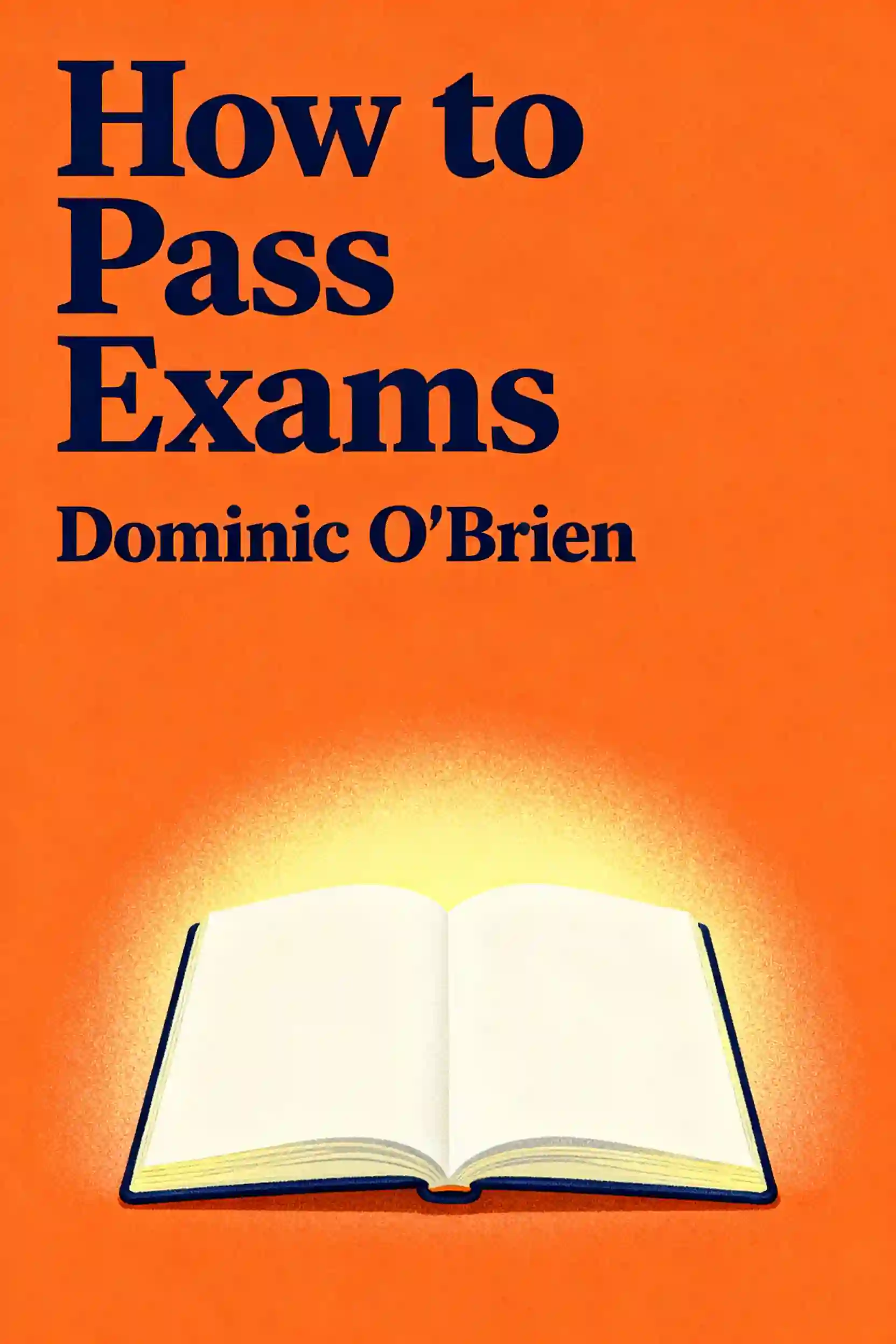
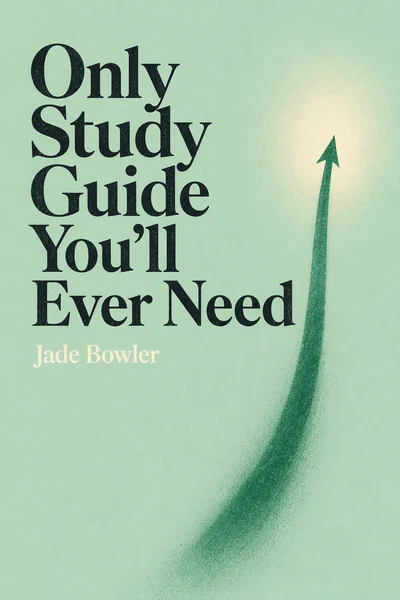
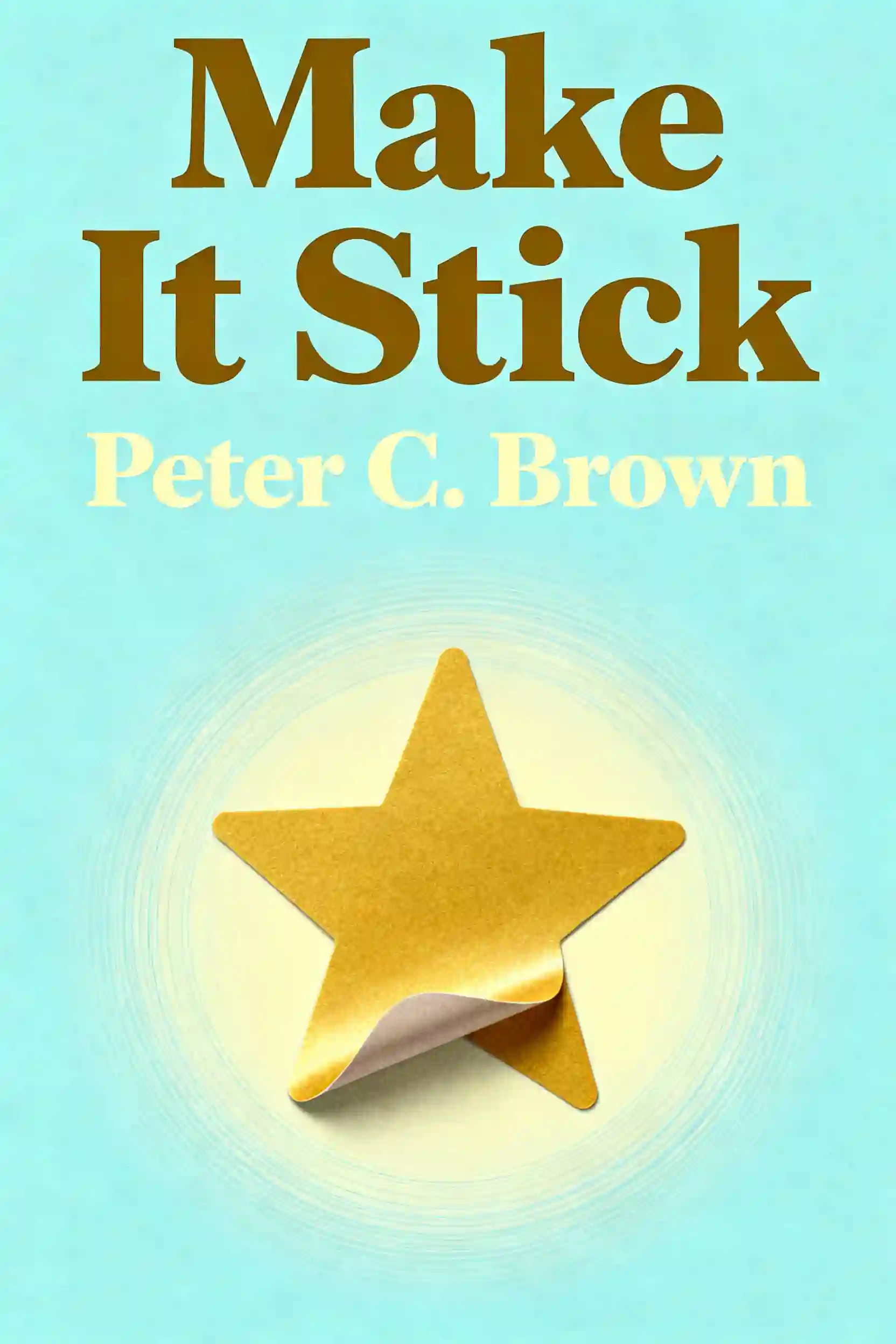
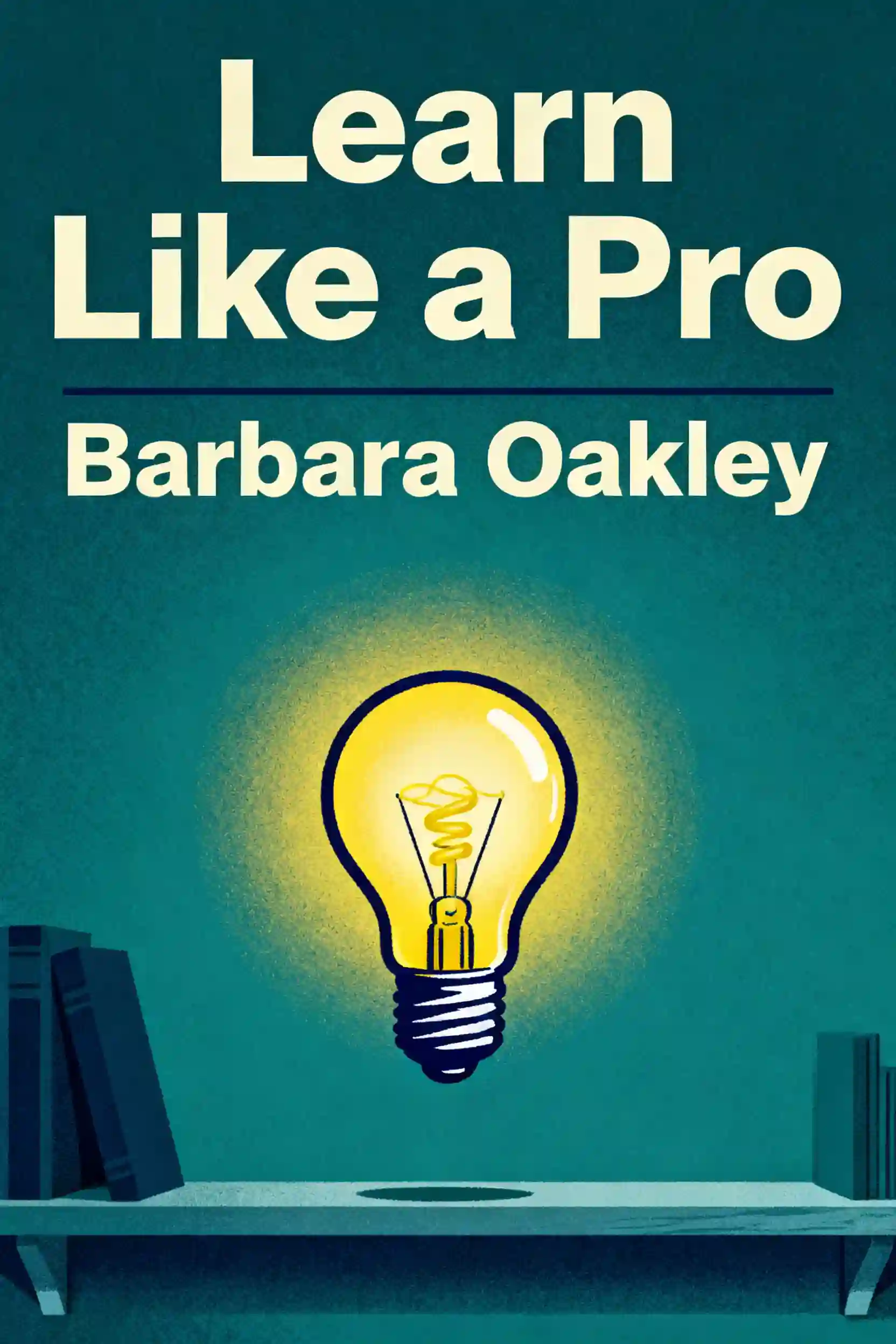
Domande frequenti
The traffic light system is a method used to categorize study topics based on your level of understanding. You mark topics as "Red" if they are completely unfamiliar or difficult, "Amber" if you have a basic understanding but cannot explain them clearly, and "Green" for topics you have fully mastered. This allows you to prioritize your study time effectively, focusing first on moving "Red" topics toward "Green."
Passive studying, such as re-reading or highlighting, often creates an "illusion of competence" where you recognize information but cannot reproduce it. Active Recall is a high-effort technique where you close your book and force your brain to retrieve information from memory. Methods include the "Blank Page" technique, where you write down everything you remember about a topic, or the Feynman Technique, which involves explaining a concept in simple terms as if teaching it to someone else.
Solving past papers acts as a "time machine" because board exams like the CBSE often follow predictable patterns. Beyond testing your knowledge, practicing with PYQs helps you build exam stamina, improve time management, and understand the "language" of the exam. By reviewing the official marking schemes, students can also learn exactly which keywords and steps examiners require to award full marks.
Spaced repetition is a technique designed to counteract the brain's natural tendency to forget information over time. The 3-stage formula suggests reviewing material at specific intervals to strengthen long-term retention: the first revision should happen within 24 hours of initial learning, the second revision after one week, and the third revision one month later. This "resets" the forgetting curve and ensures the information sticks.
An Error Notebook is a dedicated space where a student records every mistake they make during homework, classwork, or mock tests. Instead of generally reviewing all material, the student uses this notebook to systematically "patch" specific gaps in their knowledge. Reviewing this notebook every Sunday ensures that the same mistakes are not repeated during the actual board exam.
Scopri di più

Start revising as GCSE student coasting
This plan is designed for high-potential GCSE students who have relied on natural ability but now need structured systems to excel. It bridges the gap between passive learning and peak exam performance by introducing scientific study habits and mental resilience.

Improve school performance
This learning plan is essential for students who feel overwhelmed by their workload or struggle to translate effort into high grades. It provides a comprehensive roadmap for anyone looking to transition from passive learning to strategic academic mastery through proven systems.

The Science of Test Mastery
This learning plan is essential for students and professionals facing high-stakes technical or academic examinations. It provides a comprehensive framework that bridges cognitive science with practical test-taking strategies to ensure peak performance under pressure.

The High-Achiever’s Guide to Calm Productivity
This plan is essential for ambitious professionals and students who struggle with burnout and the 'always-on' mentality. It provides the tactical tools needed to balance peak performance with neurological recovery, making it ideal for those facing high-stakes milestones.

Master Focus, Energy, and Productivity
In an era of constant digital distraction, mastering your attention is the ultimate competitive advantage. This plan is designed for professionals and high-achievers who want to stop feeling busy and start being effective by aligning their biology with their work habits.

Master Mindset, Wealth, Career & Connections
This learning plan is essential for ambitious professionals and aspiring entrepreneurs who feel stuck despite their hard work. It provides a holistic blueprint for success by integrating psychological resilience with practical financial and social strategies.

TOEFL C1: From B2 to Academic Mastery
This plan is essential for B2-level students aiming for elite university admissions that require a 2026-standard C1 score. It focuses on the specific structural shifts in speaking and writing necessary to demonstrate academic fluency and professional communication.

From Classroom to Client Revenue
This plan is essential for aspiring bookkeepers who have the technical knowledge but lack the business acumen to launch. It provides a practical roadmap for transitioning from a student mindset to a profitable service provider by focusing on local client acquisition and professional pricing.
Creato da alumni della Columbia University a San Francisco
"Instead of endless scrolling, I just hit play on BeFreed. It saves me so much time."


"I never knew where to start with nonfiction—BeFreed’s book lists turned into podcasts gave me a clear path."


"Perfect balance between learning and entertainment. Finished ‘Thinking, Fast and Slow’ on my commute this week."
"Crazy how much I learned while walking the dog. BeFreed = small habits → big gains."
"Reading used to feel like a chore. Now it’s just part of my lifestyle."

"Feels effortless compared to reading. I’ve finished 6 books this month already."
"BeFreed turned my guilty doomscrolling into something that feels productive and inspiring."

"BeFreed turned my commute into learning time. 20-min podcasts are perfect for finishing books I never had time for."
"BeFreed replaced my podcast queue. Imagine Spotify for books — that’s it. 🙌"

"It is great for me to learn something from the book without reading it."
"The themed book list podcasts help me connect ideas across authors—like a guided audio journey."
"Makes me feel smarter every time before going to work"
Creato da alumni della Columbia University a San Francisco
"Instead of endless scrolling, I just hit play on BeFreed. It saves me so much time."
"I never knew where to start with nonfiction—BeFreed’s book lists turned into podcasts gave me a clear path."
"Perfect balance between learning and entertainment. Finished ‘Thinking, Fast and Slow’ on my commute this week."
"Crazy how much I learned while walking the dog. BeFreed = small habits → big gains."
"Reading used to feel like a chore. Now it’s just part of my lifestyle."
"Feels effortless compared to reading. I’ve finished 6 books this month already."
"BeFreed turned my guilty doomscrolling into something that feels productive and inspiring."
"BeFreed turned my commute into learning time. 20-min podcasts are perfect for finishing books I never had time for."
"BeFreed replaced my podcast queue. Imagine Spotify for books — that’s it. 🙌"
"It is great for me to learn something from the book without reading it."
"The themed book list podcasts help me connect ideas across authors—like a guided audio journey."
"Makes me feel smarter every time before going to work"
"Instead of endless scrolling, I just hit play on BeFreed. It saves me so much time."
"I never knew where to start with nonfiction—BeFreed’s book lists turned into podcasts gave me a clear path."
"Perfect balance between learning and entertainment. Finished ‘Thinking, Fast and Slow’ on my commute this week."
"Crazy how much I learned while walking the dog. BeFreed = small habits → big gains."
"Reading used to feel like a chore. Now it’s just part of my lifestyle."
"Feels effortless compared to reading. I’ve finished 6 books this month already."
"BeFreed turned my guilty doomscrolling into something that feels productive and inspiring."
"BeFreed turned my commute into learning time. 20-min podcasts are perfect for finishing books I never had time for."
"BeFreed replaced my podcast queue. Imagine Spotify for books — that’s it. 🙌"
"It is great for me to learn something from the book without reading it."
"The themed book list podcasts help me connect ideas across authors—like a guided audio journey."
"Makes me feel smarter every time before going to work"
"Instead of endless scrolling, I just hit play on BeFreed. It saves me so much time."
"I never knew where to start with nonfiction—BeFreed’s book lists turned into podcasts gave me a clear path."
"Perfect balance between learning and entertainment. Finished ‘Thinking, Fast and Slow’ on my commute this week."
"Crazy how much I learned while walking the dog. BeFreed = small habits → big gains."
"Reading used to feel like a chore. Now it’s just part of my lifestyle."
"Feels effortless compared to reading. I’ve finished 6 books this month already."
"BeFreed turned my guilty doomscrolling into something that feels productive and inspiring."
"BeFreed turned my commute into learning time. 20-min podcasts are perfect for finishing books I never had time for."
"BeFreed replaced my podcast queue. Imagine Spotify for books — that’s it. 🙌"
"It is great for me to learn something from the book without reading it."
"The themed book list podcasts help me connect ideas across authors—like a guided audio journey."
"Makes me feel smarter every time before going to work"