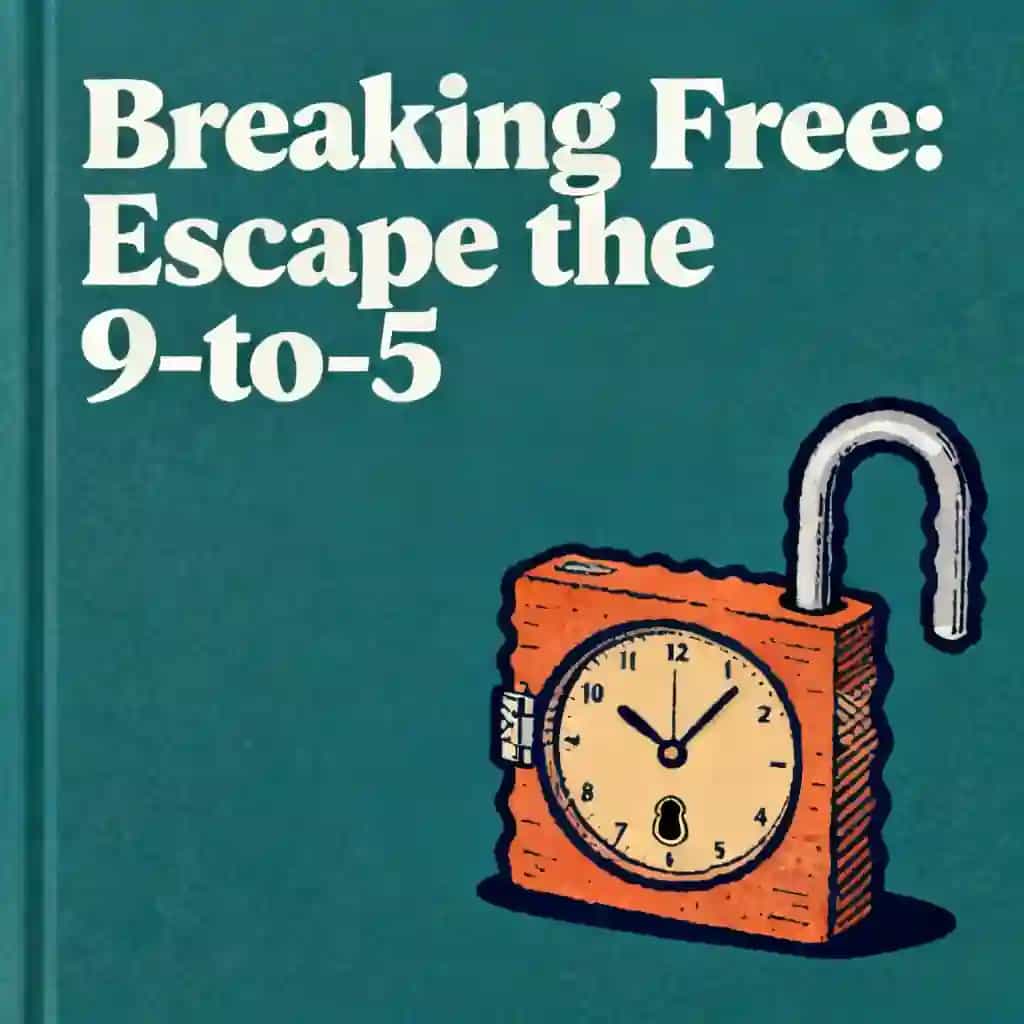
Escape Your 9-to-5 Without Going Broke
Discover the proven '3-2-1 rule' for transitioning from corporate life to freedom, with strategic steps to replace your income in months, not years—all while minimizing risk and maximizing security.

Miglior citazione da Escape Your 9-to-5 Without Going Broke
True security in the modern economy comes from having multiple income streams, diverse skills, and the confidence that you can create value independently. When you can generate income from multiple sources, losing any one of them isn't catastrophic.

Questa lezione audio è stata creata da un membro della comunità BeFreed
I want to leave my 9 - 5

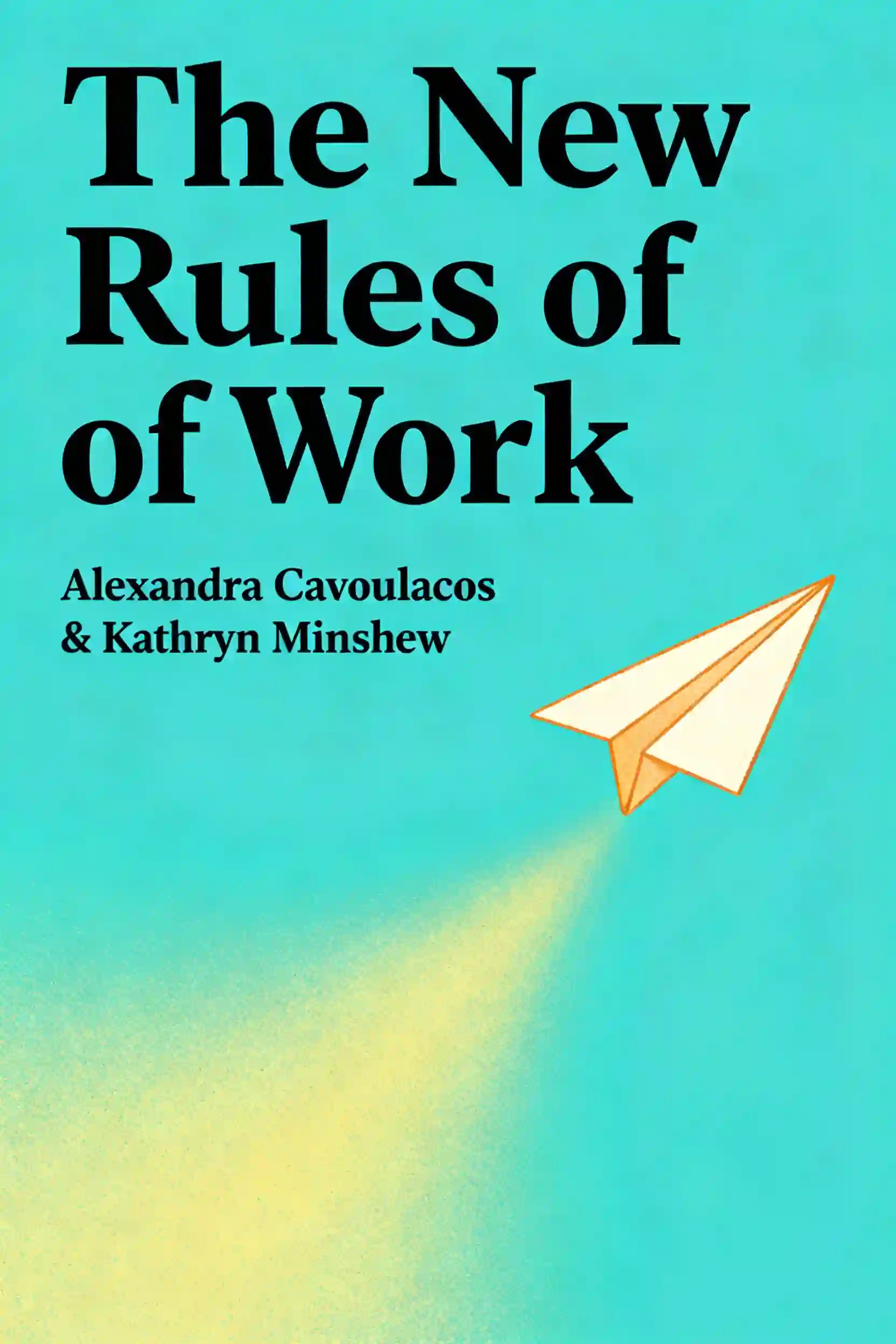
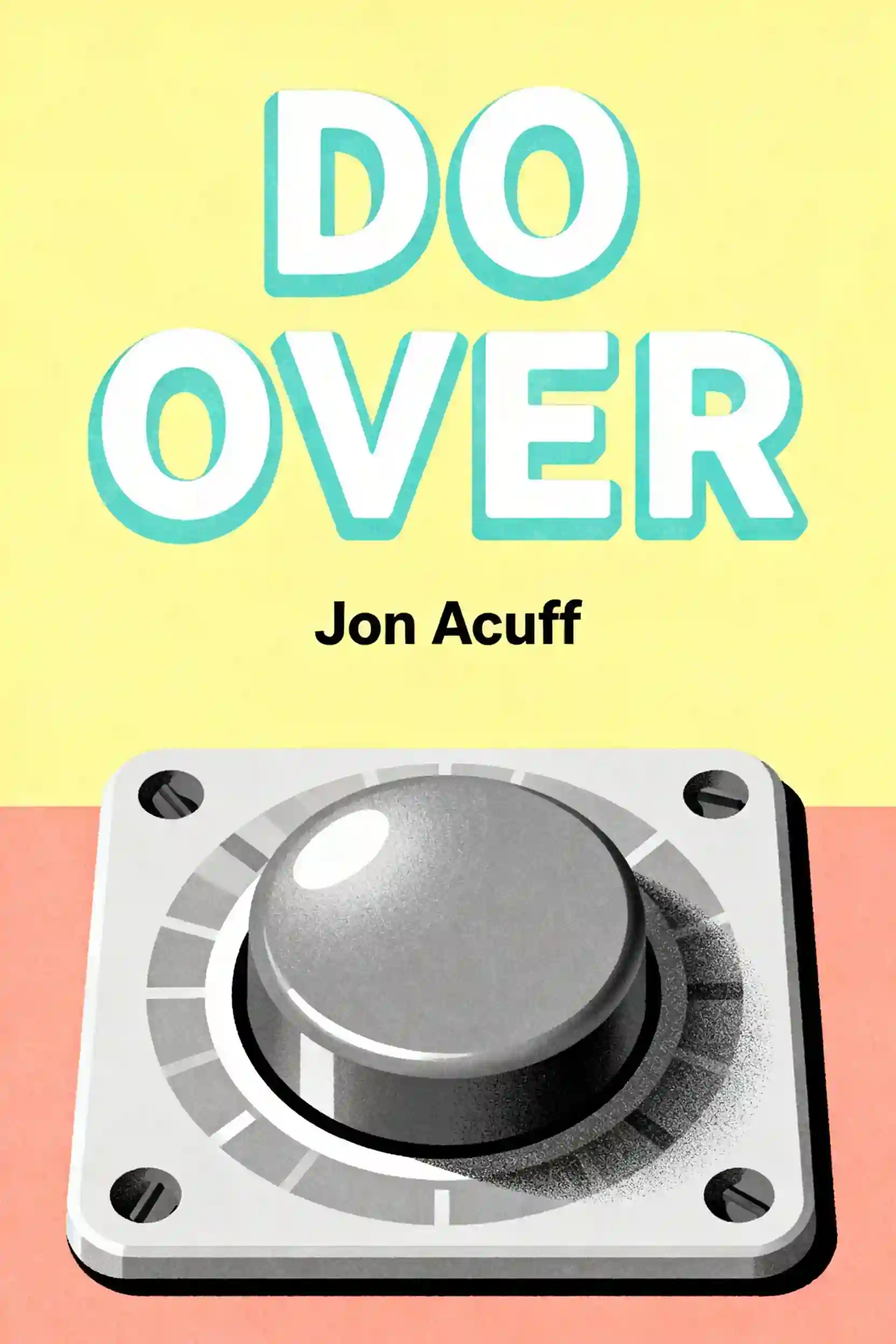
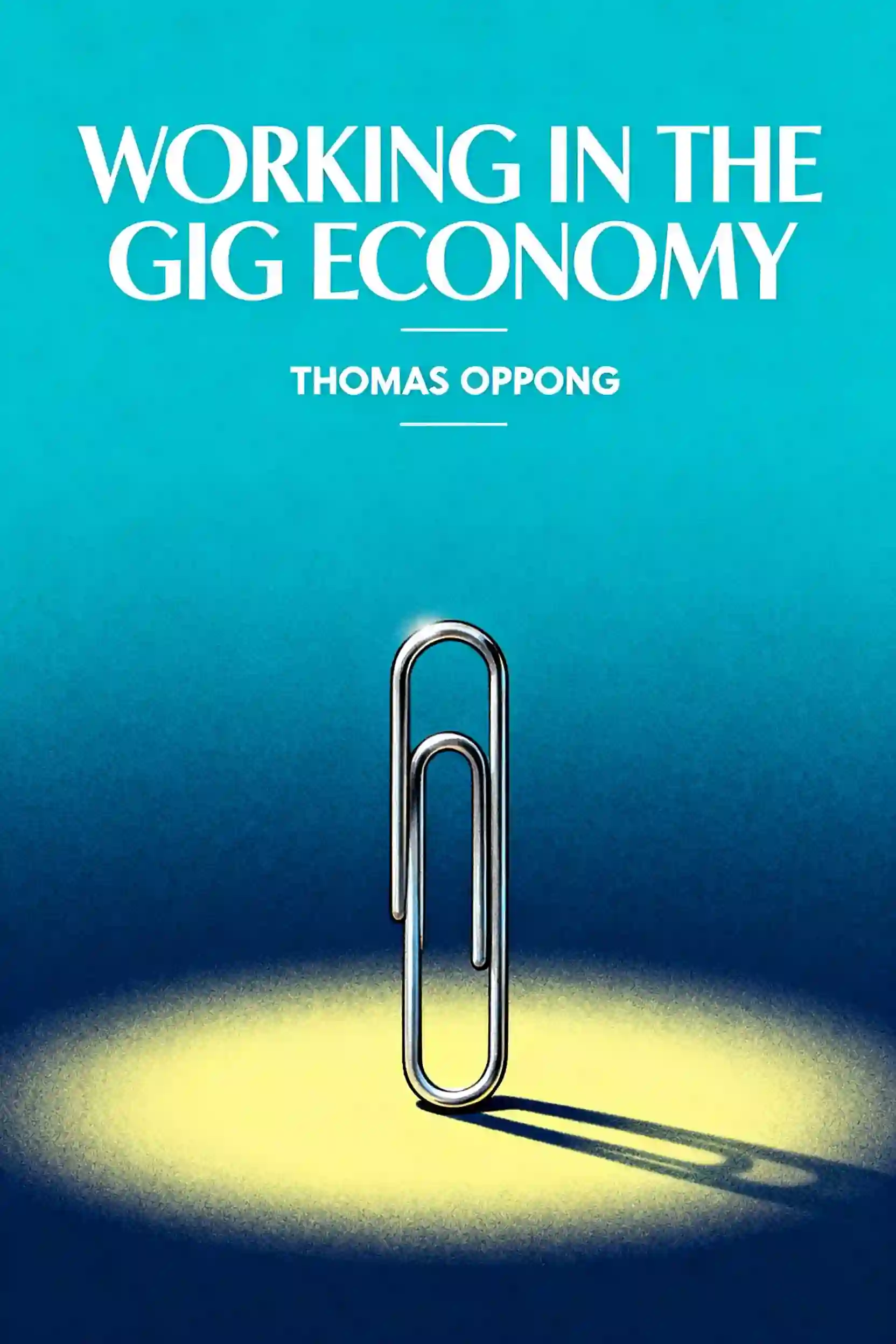
Scopri di più

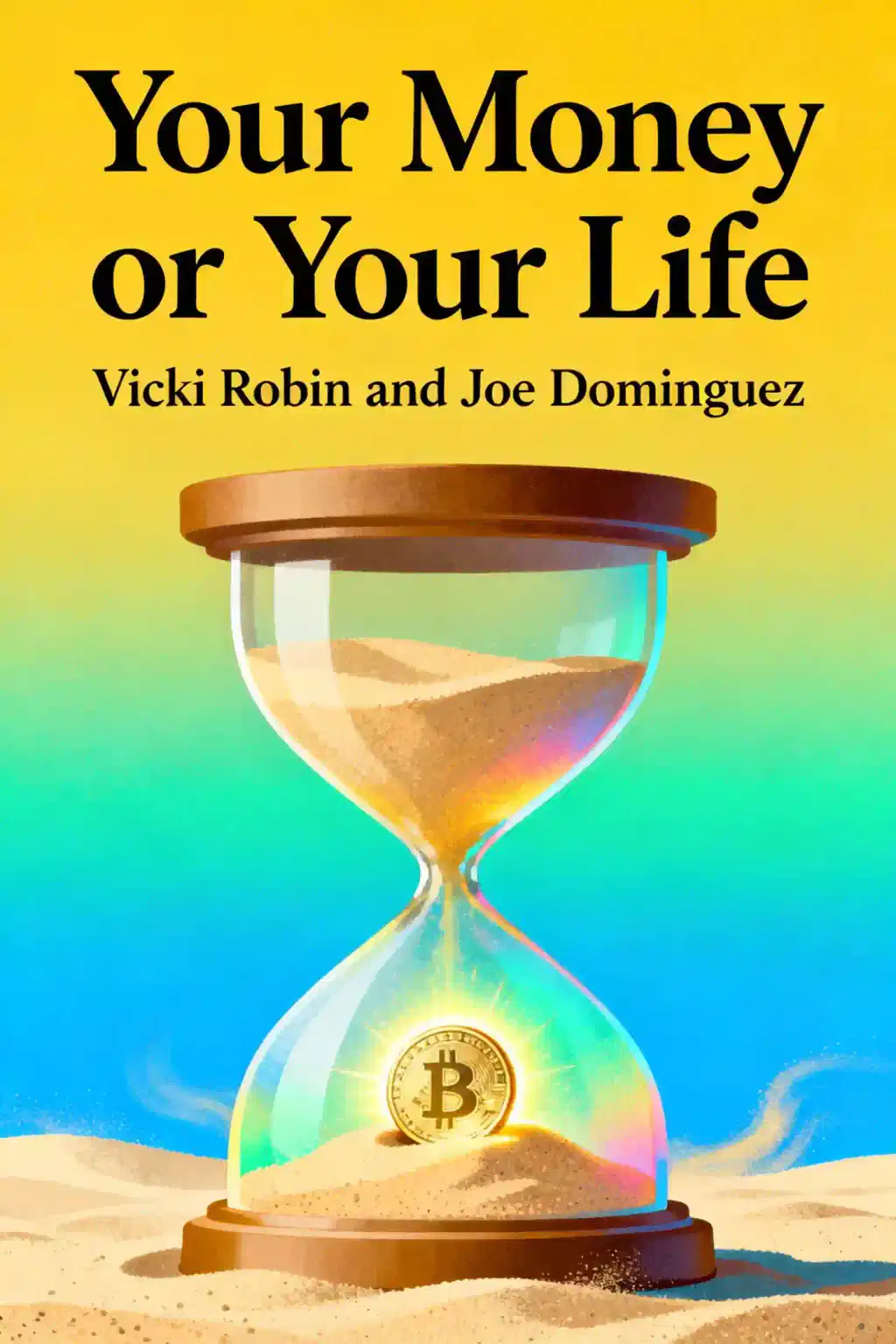
Reach financial freedom via 3 income streams
This plan is designed for professionals seeking to break free from the single-income trap and build long-term security. It provides a practical roadmap for balancing active side hustles with passive investment strategies to achieve total financial independence.

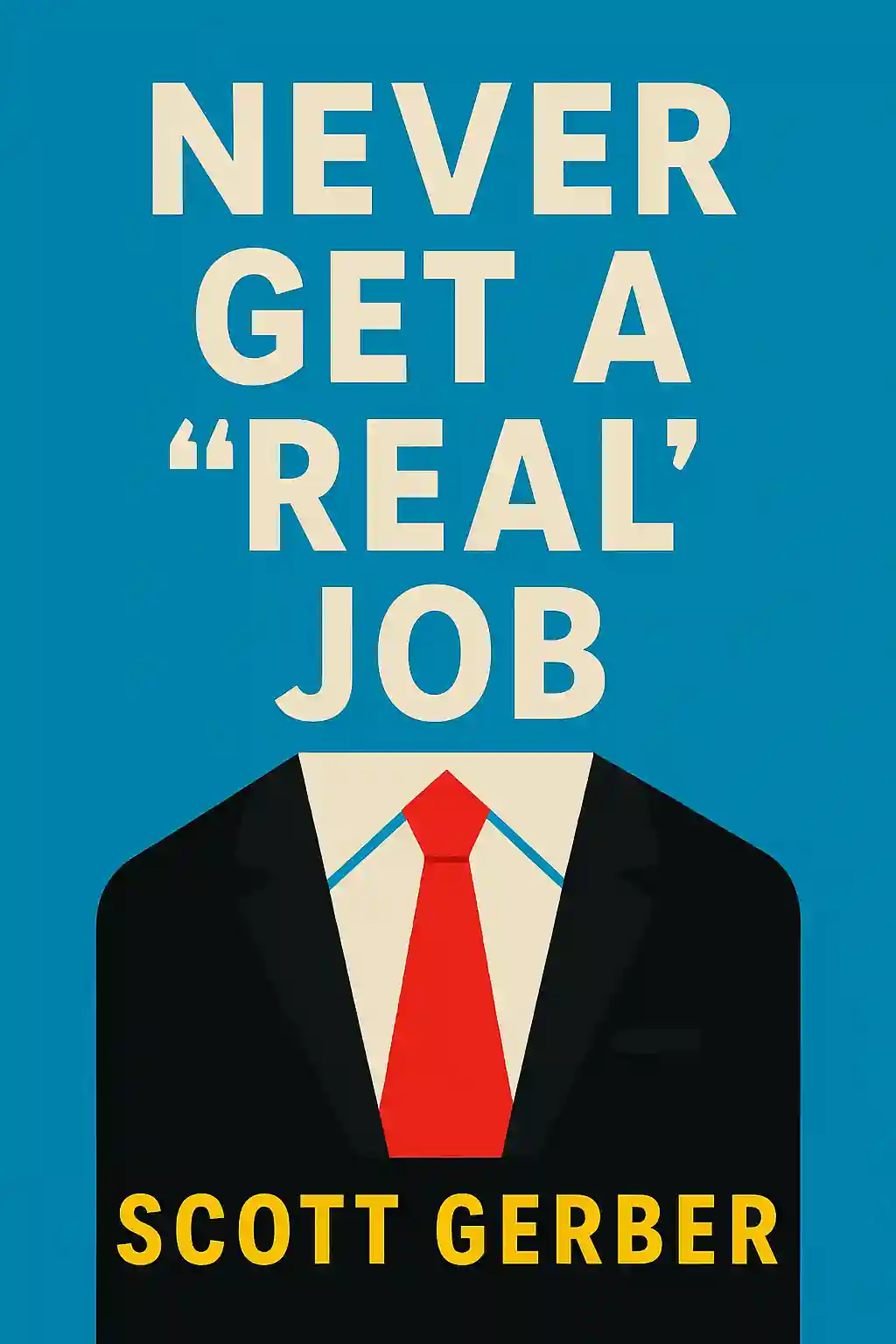
The Calculated Leap to Ownership
This plan is designed for corporate professionals who want to transition into entrepreneurship without reckless risk. It provides a strategic framework for securing finances, choosing the right model, and validating ideas while still employed.

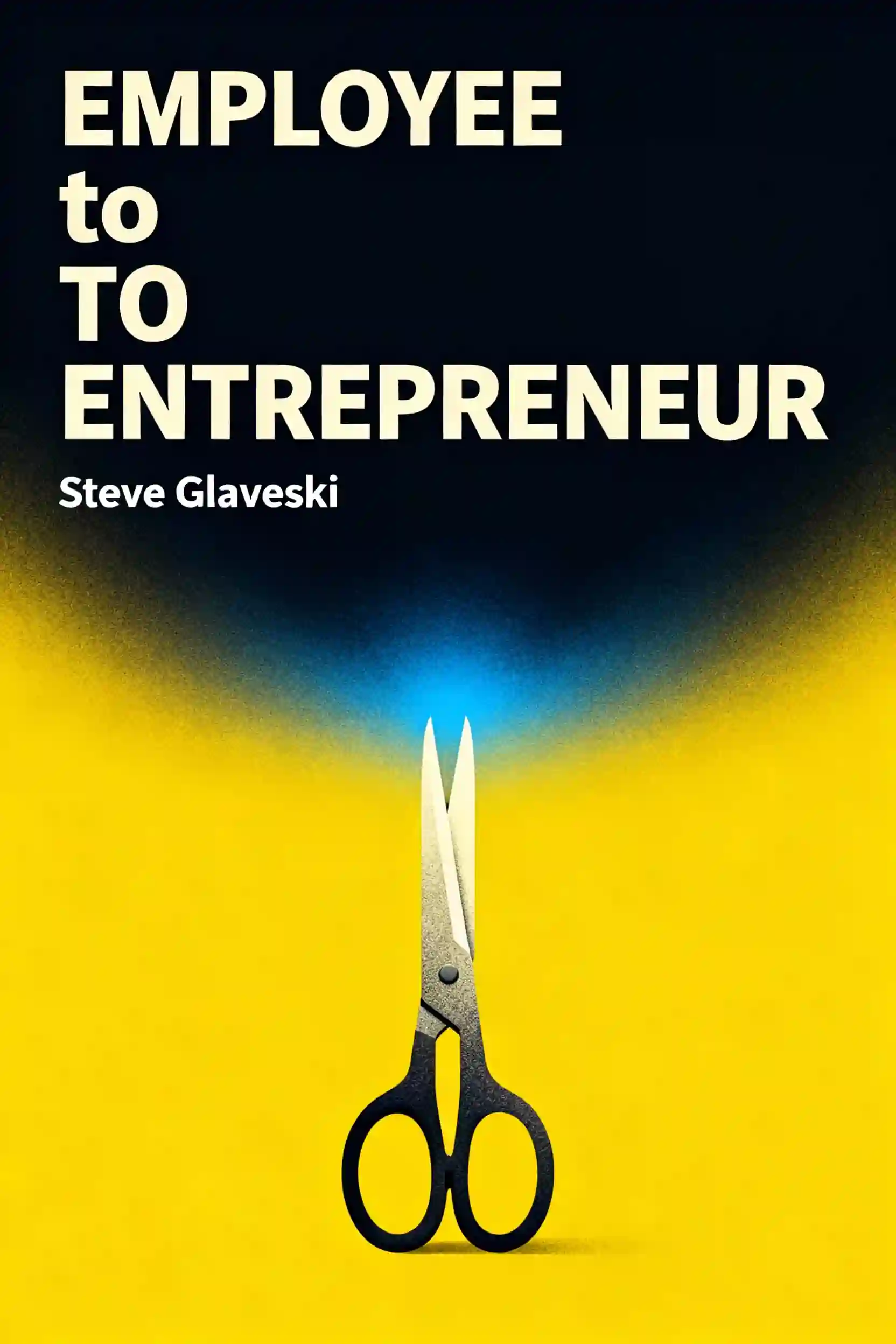
Escape the Nine-to-Five
This plan is designed for professionals who want to transition into entrepreneurship without the typical financial risks. It provides a structured roadmap for building sustainable marketing assets and operational stability before leaving a steady paycheck.

The 9-to-5 Escape Velocity Plan
This plan is essential for professionals who feel trapped in the corporate cycle but lack a clear roadmap for transition. It provides a structured approach to building a side business that eventually replaces full-time income through automation and strategic scaling.
From 9-to-5 to Freedom Business
This plan is essential for professionals trapped in the trading-time-for-money cycle who seek true autonomy. It provides a roadmap for corporate employees to transition into entrepreneurship by focusing on scalable systems and high-value positioning.

The Strategic Exit: From Paycheck to Profits
This plan is essential for professionals who want to transition into entrepreneurship without risking their financial security. It provides a structured framework for validating ideas and managing the logistics of leaving a corporate role responsibly.

The 30-Day Paycheck Exit
This plan is designed for aspiring entrepreneurs currently working a 9-to-5 who want to transition into solo-foundership without reckless financial risk. It provides a practical framework for validating ideas and securing pre-sales to ensure a sustainable exit from corporate life.

The 24-Month Bridge to Freedom
This plan is essential for professionals seeking a calculated, low-risk path from a steady paycheck to full-time entrepreneurship. It provides the financial frameworks and validation techniques needed to ensure your business is viable before you ever hand in your resignation.
Creato da alumni della Columbia University a San Francisco
"Instead of endless scrolling, I just hit play on BeFreed. It saves me so much time."


"I never knew where to start with nonfiction—BeFreed’s book lists turned into podcasts gave me a clear path."


"Perfect balance between learning and entertainment. Finished ‘Thinking, Fast and Slow’ on my commute this week."
"Crazy how much I learned while walking the dog. BeFreed = small habits → big gains."
"Reading used to feel like a chore. Now it’s just part of my lifestyle."

"Feels effortless compared to reading. I’ve finished 6 books this month already."
"BeFreed turned my guilty doomscrolling into something that feels productive and inspiring."

"BeFreed turned my commute into learning time. 20-min podcasts are perfect for finishing books I never had time for."
"BeFreed replaced my podcast queue. Imagine Spotify for books — that’s it. 🙌"

"It is great for me to learn something from the book without reading it."
"The themed book list podcasts help me connect ideas across authors—like a guided audio journey."
"Makes me feel smarter every time before going to work"
Creato da alumni della Columbia University a San Francisco
"Instead of endless scrolling, I just hit play on BeFreed. It saves me so much time."
"I never knew where to start with nonfiction—BeFreed’s book lists turned into podcasts gave me a clear path."
"Perfect balance between learning and entertainment. Finished ‘Thinking, Fast and Slow’ on my commute this week."
"Crazy how much I learned while walking the dog. BeFreed = small habits → big gains."
"Reading used to feel like a chore. Now it’s just part of my lifestyle."
"Feels effortless compared to reading. I’ve finished 6 books this month already."
"BeFreed turned my guilty doomscrolling into something that feels productive and inspiring."
"BeFreed turned my commute into learning time. 20-min podcasts are perfect for finishing books I never had time for."
"BeFreed replaced my podcast queue. Imagine Spotify for books — that’s it. 🙌"
"It is great for me to learn something from the book without reading it."
"The themed book list podcasts help me connect ideas across authors—like a guided audio journey."
"Makes me feel smarter every time before going to work"
"Instead of endless scrolling, I just hit play on BeFreed. It saves me so much time."
"I never knew where to start with nonfiction—BeFreed’s book lists turned into podcasts gave me a clear path."
"Perfect balance between learning and entertainment. Finished ‘Thinking, Fast and Slow’ on my commute this week."
"Crazy how much I learned while walking the dog. BeFreed = small habits → big gains."
"Reading used to feel like a chore. Now it’s just part of my lifestyle."
"Feels effortless compared to reading. I’ve finished 6 books this month already."
"BeFreed turned my guilty doomscrolling into something that feels productive and inspiring."
"BeFreed turned my commute into learning time. 20-min podcasts are perfect for finishing books I never had time for."
"BeFreed replaced my podcast queue. Imagine Spotify for books — that’s it. 🙌"
"It is great for me to learn something from the book without reading it."
"The themed book list podcasts help me connect ideas across authors—like a guided audio journey."
"Makes me feel smarter every time before going to work"
"Instead of endless scrolling, I just hit play on BeFreed. It saves me so much time."
"I never knew where to start with nonfiction—BeFreed’s book lists turned into podcasts gave me a clear path."
"Perfect balance between learning and entertainment. Finished ‘Thinking, Fast and Slow’ on my commute this week."
"Crazy how much I learned while walking the dog. BeFreed = small habits → big gains."
"Reading used to feel like a chore. Now it’s just part of my lifestyle."
"Feels effortless compared to reading. I’ve finished 6 books this month already."
"BeFreed turned my guilty doomscrolling into something that feels productive and inspiring."
"BeFreed turned my commute into learning time. 20-min podcasts are perfect for finishing books I never had time for."
"BeFreed replaced my podcast queue. Imagine Spotify for books — that’s it. 🙌"
"It is great for me to learn something from the book without reading it."
"The themed book list podcasts help me connect ideas across authors—like a guided audio journey."
"Makes me feel smarter every time before going to work"