Electronic Stability Control: The Physics of Grip & Vehicle Safety
Explore the engineering behind Electronic Stability Control (ESC). Learn how this active safety system manages understeer and oversteer to maintain vehicle grip.
Miglior citazione da Electronic Stability Control: The Physics of Grip & Vehicle Safety
To truly master vehicle dynamics, you must stop thinking of the car as a single unit and start thinking of it as a conflict between the driver’s intent and the physical reality of the road.
Generated by EPSTARTER
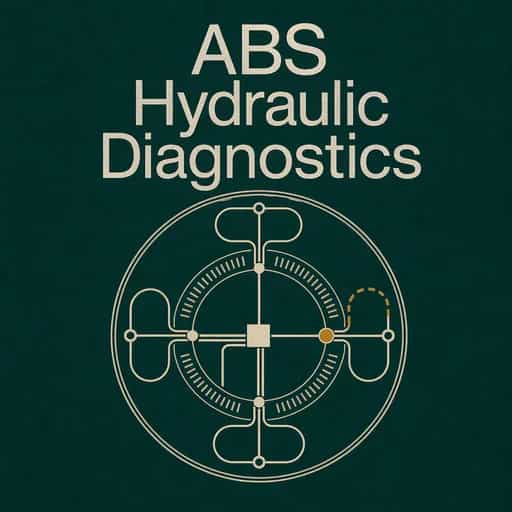
An intermediate-to-advanced technical lesson on Electronic Stability Control (ESC) based on Episode 028 of the EPSTARTER Automotive Intelligence Academy. Focus on how the system compares driver intent (steering angle, speed) with actual vehicle motion (yaw rate, lateral acceleration) to detect and correct understeer or oversteer. Cover the diagnostic workflow for the full control chain, including identifying false activations versus genuine instability, and sensor fault analysis (steering-angle, yaw-rate, wheel-speed). Preserving the original content from: EPSTARTER Automotive Intelligence Academy™ Episode 028 — Electronic Stability Control.

Domande frequenti
Electronic Stability Control, or ESC, is an advanced active vehicle safety system that acts as an invisible co-driver. It functions by constantly monitoring driver inputs and comparing them to the laws of physics and actual vehicle behavior. When the system detects a loss of traction, it uses high-speed data processing and mechanical intervention to help the driver maintain control during dangerous driving maneuvers.
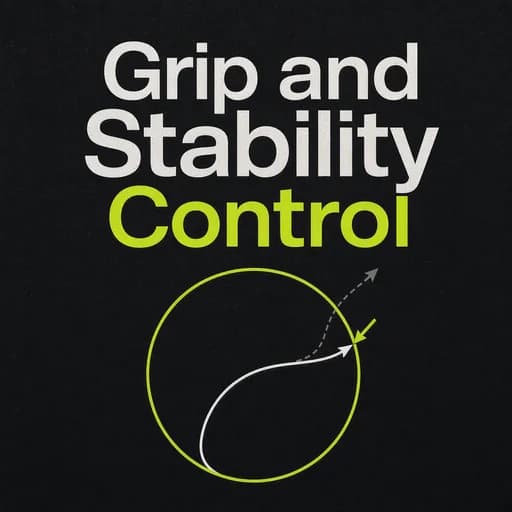
In situations like understeer, where front tires lose grip and the car plows straight, or oversteer, where the rear swings out in a spin, ESC intervenes faster than human reflexes. The system applies specific mechanical corrections to counteract these loss-of-control scenarios. By managing the physics of grip on rain-slicked or sharp corners, it prevents the vehicle from deviating from the driver's intended path.
According to the EPSTARTER Automotive Intelligence Academy, ESC is perhaps the most significant advancement in active vehicle safety since hydraulic brakes. It provides a masterclass in engineering logic by processing data at high speeds to prevent accidents that occur when human reflexes are too slow or panicked. The system's ability to provide precise, split-second intervention makes it a cornerstone of modern vehicle safety engineering.
Creato da alumni della Columbia University a San Francisco
BeFreed Riunisce Una Community Globale Di Menti Curiose


"Instead of endless scrolling, I just hit play on BeFreed. It saves me so much time."


"I never knew where to start with nonfiction—BeFreed’s book lists turned into podcasts gave me a clear path."


"Perfect balance between learning and entertainment. Finished ‘Thinking, Fast and Slow’ on my commute this week."
"Crazy how much I learned while walking the dog. BeFreed = small habits → big gains."
"Reading used to feel like a chore. Now it’s just part of my lifestyle."

"Feels effortless compared to reading. I’ve finished 6 books this month already."
"BeFreed turned my guilty doomscrolling into something that feels productive and inspiring."

"BeFreed turned my commute into learning time. 20-min podcasts are perfect for finishing books I never had time for."
"BeFreed replaced my podcast queue. Imagine Spotify for books — that’s it. 🙌"

"It is great for me to learn something from the book without reading it."
"The themed book list podcasts help me connect ideas across authors—like a guided audio journey."
"Makes me feel smarter every time before going to work"
Creato da alumni della Columbia University a San Francisco
BeFreed Riunisce Una Community Globale Di Menti Curiose
"Instead of endless scrolling, I just hit play on BeFreed. It saves me so much time."
"I never knew where to start with nonfiction—BeFreed’s book lists turned into podcasts gave me a clear path."
"Perfect balance between learning and entertainment. Finished ‘Thinking, Fast and Slow’ on my commute this week."
"Crazy how much I learned while walking the dog. BeFreed = small habits → big gains."
"Reading used to feel like a chore. Now it’s just part of my lifestyle."
"Feels effortless compared to reading. I’ve finished 6 books this month already."
"BeFreed turned my guilty doomscrolling into something that feels productive and inspiring."
"BeFreed turned my commute into learning time. 20-min podcasts are perfect for finishing books I never had time for."
"BeFreed replaced my podcast queue. Imagine Spotify for books — that’s it. 🙌"
"It is great for me to learn something from the book without reading it."
"The themed book list podcasts help me connect ideas across authors—like a guided audio journey."
"Makes me feel smarter every time before going to work"
"Instead of endless scrolling, I just hit play on BeFreed. It saves me so much time."
"I never knew where to start with nonfiction—BeFreed’s book lists turned into podcasts gave me a clear path."
"Perfect balance between learning and entertainment. Finished ‘Thinking, Fast and Slow’ on my commute this week."
"Crazy how much I learned while walking the dog. BeFreed = small habits → big gains."
"Reading used to feel like a chore. Now it’s just part of my lifestyle."
"Feels effortless compared to reading. I’ve finished 6 books this month already."
"BeFreed turned my guilty doomscrolling into something that feels productive and inspiring."
"BeFreed turned my commute into learning time. 20-min podcasts are perfect for finishing books I never had time for."
"BeFreed replaced my podcast queue. Imagine Spotify for books — that’s it. 🙌"
"It is great for me to learn something from the book without reading it."
"The themed book list podcasts help me connect ideas across authors—like a guided audio journey."
"Makes me feel smarter every time before going to work"
"Instead of endless scrolling, I just hit play on BeFreed. It saves me so much time."
"I never knew where to start with nonfiction—BeFreed’s book lists turned into podcasts gave me a clear path."
"Perfect balance between learning and entertainment. Finished ‘Thinking, Fast and Slow’ on my commute this week."
"Crazy how much I learned while walking the dog. BeFreed = small habits → big gains."
"Reading used to feel like a chore. Now it’s just part of my lifestyle."
"Feels effortless compared to reading. I’ve finished 6 books this month already."
"BeFreed turned my guilty doomscrolling into something that feels productive and inspiring."
"BeFreed turned my commute into learning time. 20-min podcasts are perfect for finishing books I never had time for."
"BeFreed replaced my podcast queue. Imagine Spotify for books — that’s it. 🙌"
"It is great for me to learn something from the book without reading it."
"The themed book list podcasts help me connect ideas across authors—like a guided audio journey."
"Makes me feel smarter every time before going to work"