The DRS Era: Formula 1’s Battle with Dirty Air and Overtaking
Explore the history of Formula 1's Drag Reduction System (DRS). Learn how this active rear wing technology battles dirty air to solve the sport's overtaking drought.
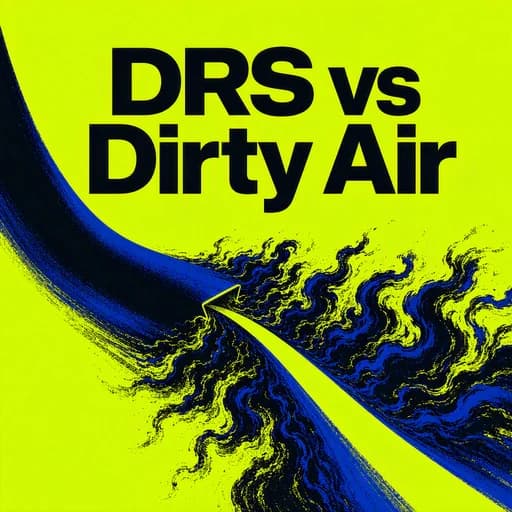
Miglior citazione da The DRS Era: Formula 1’s Battle with Dirty Air and Overtaking
DRS isn't an 'overtake button' as much as it is a 'get-alongside button,' leaving the actual battle for the corner to the skill of the driver.
Generated by Mpournis
F1's Drag Reduction System (DRS), focusing specifically on the rules governing its use and how the system has evolved since its introduction in racing.






Domande frequenti
The Drag Reduction System, or DRS, is a piece of active aerodynamic technology introduced in 2011 to facilitate overtaking in Formula 1. It works by allowing the rear wing to flap open, which temporarily reduces air resistance and increases top speed on straights. This system turned the rear wing from a static piece of carbon fiber into a functional tool designed to overcome the technical limitations caused by dirty air.
F1 introduced DRS to combat the 'procession' era, where aerodynamically sensitive cars struggled to follow each other through corners. This sensitivity created 'dirty air,' causing trailing drivers to lose front-end grip and making it nearly impossible to get close enough to overtake. DRS was the radical solution implemented to end this overtaking drought and maintain the entertainment value of the sport by helping faster cars close the gap.
Dirty air refers to the turbulent wake left by a leading car, which disrupts the aerodynamics of the car following behind. Before the DRS era, this turbulence meant that even significantly faster drivers could not maintain enough grip to challenge for a position. By reducing air resistance on the straights, DRS allows drivers to overcome the disadvantages of dirty air, balancing the pure art of racing with the technical necessity of the modern show.
As Formula 1 approaches a massive regulatory shift in 2026, the role of the Drag Reduction System remains a central topic of discussion. Understanding the lifespan of DRS, from its controversial birth in 2011 to its current sophisticated form, is essential for grasping how future rules will balance aerodynamics and overtaking. The 2026 regulations represent the next step in F1's ongoing battle to keep racing competitive while managing the complexities of car design.
Creato da alumni della Columbia University a San Francisco
BeFreed Riunisce Una Community Globale Di Menti Curiose


"Instead of endless scrolling, I just hit play on BeFreed. It saves me so much time."


"I never knew where to start with nonfiction—BeFreed’s book lists turned into podcasts gave me a clear path."


"Perfect balance between learning and entertainment. Finished ‘Thinking, Fast and Slow’ on my commute this week."
"Crazy how much I learned while walking the dog. BeFreed = small habits → big gains."
"Reading used to feel like a chore. Now it’s just part of my lifestyle."

"Feels effortless compared to reading. I’ve finished 6 books this month already."
"BeFreed turned my guilty doomscrolling into something that feels productive and inspiring."

"BeFreed turned my commute into learning time. 20-min podcasts are perfect for finishing books I never had time for."
"BeFreed replaced my podcast queue. Imagine Spotify for books — that’s it. 🙌"

"It is great for me to learn something from the book without reading it."
"The themed book list podcasts help me connect ideas across authors—like a guided audio journey."
"Makes me feel smarter every time before going to work"
Creato da alumni della Columbia University a San Francisco
BeFreed Riunisce Una Community Globale Di Menti Curiose
"Instead of endless scrolling, I just hit play on BeFreed. It saves me so much time."
"I never knew where to start with nonfiction—BeFreed’s book lists turned into podcasts gave me a clear path."
"Perfect balance between learning and entertainment. Finished ‘Thinking, Fast and Slow’ on my commute this week."
"Crazy how much I learned while walking the dog. BeFreed = small habits → big gains."
"Reading used to feel like a chore. Now it’s just part of my lifestyle."
"Feels effortless compared to reading. I’ve finished 6 books this month already."
"BeFreed turned my guilty doomscrolling into something that feels productive and inspiring."
"BeFreed turned my commute into learning time. 20-min podcasts are perfect for finishing books I never had time for."
"BeFreed replaced my podcast queue. Imagine Spotify for books — that’s it. 🙌"
"It is great for me to learn something from the book without reading it."
"The themed book list podcasts help me connect ideas across authors—like a guided audio journey."
"Makes me feel smarter every time before going to work"
"Instead of endless scrolling, I just hit play on BeFreed. It saves me so much time."
"I never knew where to start with nonfiction—BeFreed’s book lists turned into podcasts gave me a clear path."
"Perfect balance between learning and entertainment. Finished ‘Thinking, Fast and Slow’ on my commute this week."
"Crazy how much I learned while walking the dog. BeFreed = small habits → big gains."
"Reading used to feel like a chore. Now it’s just part of my lifestyle."
"Feels effortless compared to reading. I’ve finished 6 books this month already."
"BeFreed turned my guilty doomscrolling into something that feels productive and inspiring."
"BeFreed turned my commute into learning time. 20-min podcasts are perfect for finishing books I never had time for."
"BeFreed replaced my podcast queue. Imagine Spotify for books — that’s it. 🙌"
"It is great for me to learn something from the book without reading it."
"The themed book list podcasts help me connect ideas across authors—like a guided audio journey."
"Makes me feel smarter every time before going to work"
"Instead of endless scrolling, I just hit play on BeFreed. It saves me so much time."
"I never knew where to start with nonfiction—BeFreed’s book lists turned into podcasts gave me a clear path."
"Perfect balance between learning and entertainment. Finished ‘Thinking, Fast and Slow’ on my commute this week."
"Crazy how much I learned while walking the dog. BeFreed = small habits → big gains."
"Reading used to feel like a chore. Now it’s just part of my lifestyle."
"Feels effortless compared to reading. I’ve finished 6 books this month already."
"BeFreed turned my guilty doomscrolling into something that feels productive and inspiring."
"BeFreed turned my commute into learning time. 20-min podcasts are perfect for finishing books I never had time for."
"BeFreed replaced my podcast queue. Imagine Spotify for books — that’s it. 🙌"
"It is great for me to learn something from the book without reading it."
"The themed book list podcasts help me connect ideas across authors—like a guided audio journey."
"Makes me feel smarter every time before going to work"