The Silent Engine of Financial Independence
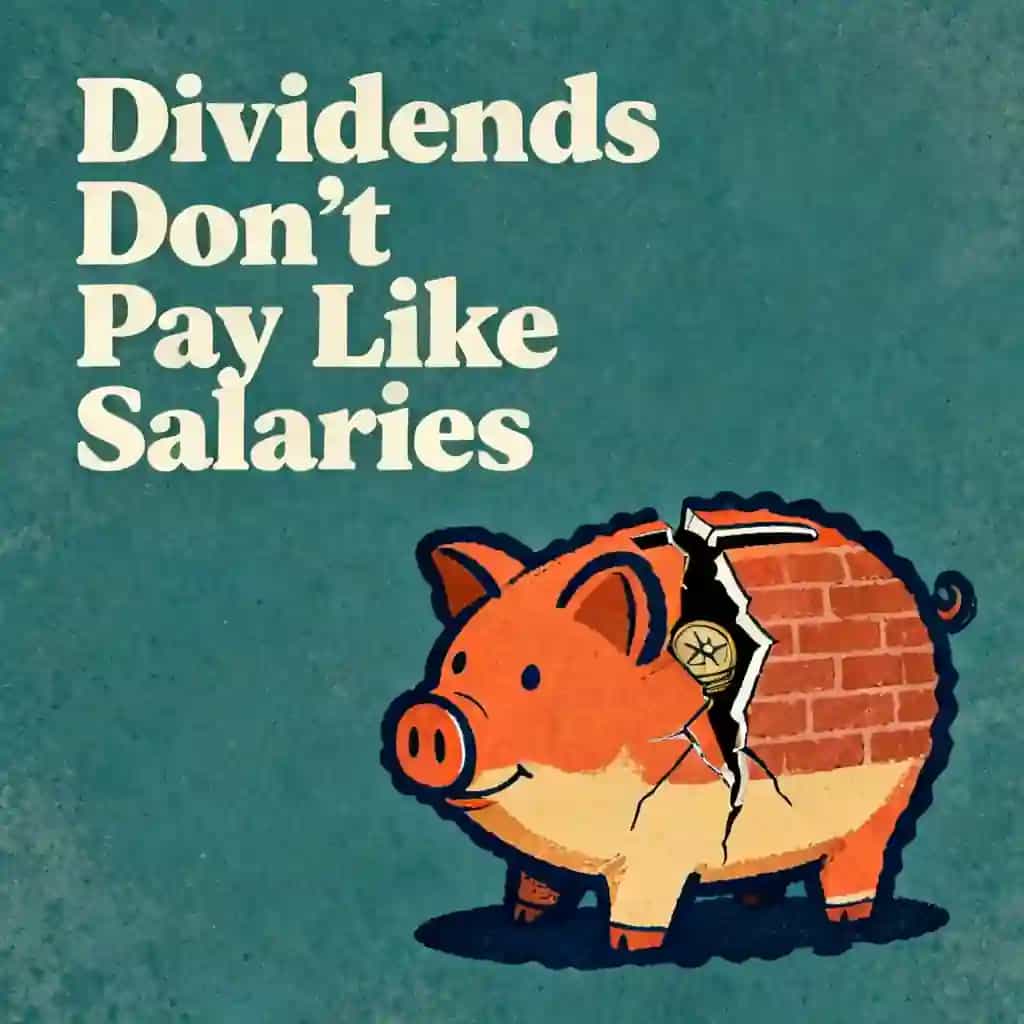
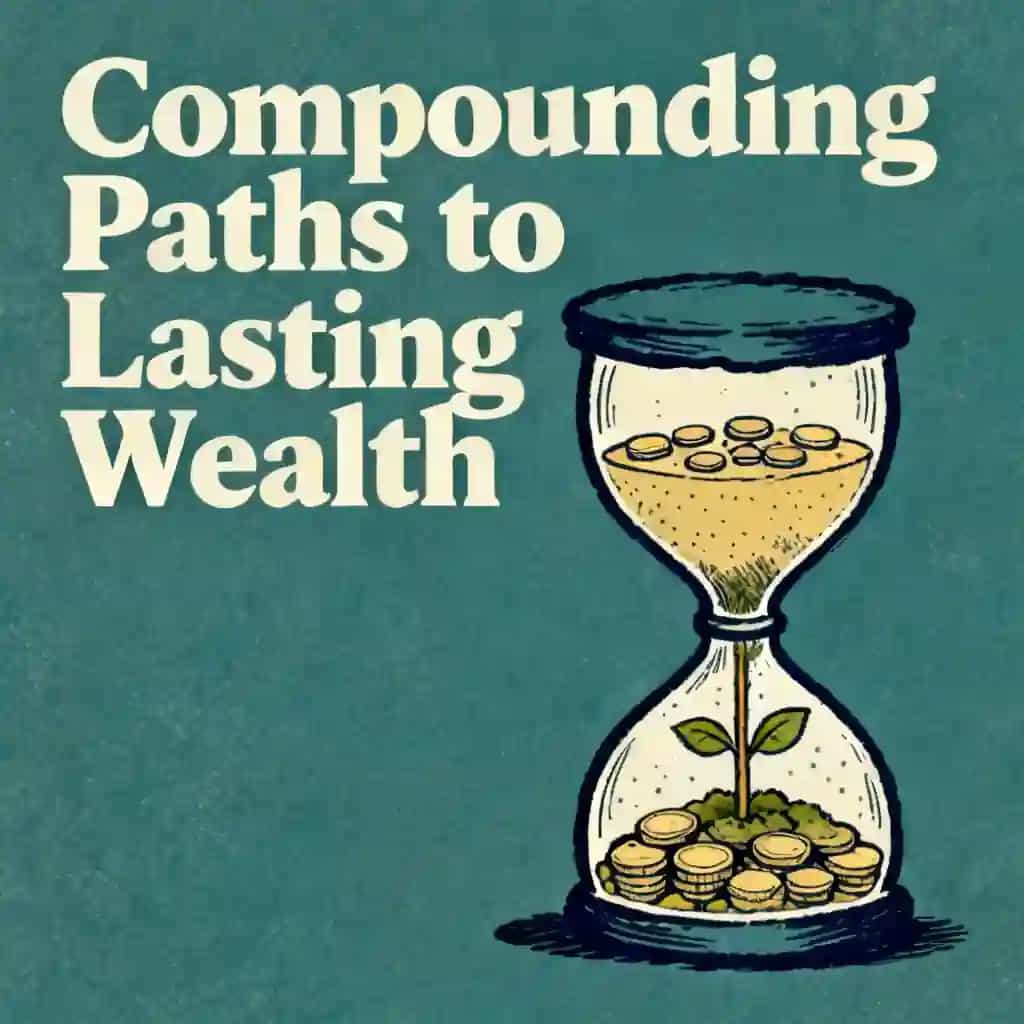
Imagine for a moment that you are checking your brokerage account on a random Tuesday afternoon. You haven't clocked into work yet, and you haven't sold a single piece of property, but there it is—a fresh deposit of cold, hard cash sitting in your settlement fund. This isn't a speculative gamble that finally paid off or a lucky break in the crypto market; it is a dividend payment, a literal "thank you" from a corporation for the simple act of owning their shares. This is the core appeal of dividend investing, yet so many people approach it with a mindset that sets them up for failure before they even buy their first share. They chase the highest yields they can find—those flashy 8% or 10% returns—only to realize too late that a high yield is often a distress signal, a warning that the market expects a dividend cut. If you are starting from scratch today, you have a unique advantage: you can build your foundation on quality rather than desperation. You can create a portfolio that doesn't just pay you today but grows its payments faster than inflation, effectively giving yourself a raise every single year without ever having to ask a boss for permission. The secret lies in understanding that dividend investing is less about picking "winners" in a race and more about building a machine—a compounding engine that turns small, consistent inputs into an unstoppable stream of passive income. We are going to look at why a 3% yield that grows might actually make you wealthier than an 8% yield that stays flat, and how you can identify the "Dividend Kings" that have managed to raise their payouts for over half a century through every war, recession, and market crash imaginable. By the end of our time together, you will see exactly how to structure your first $1,000 or $5,000 to maximize safety and growth. So, let’s dive into the mechanics of why this strategy works and how you can avoid the "yield traps" that claim so many beginners.