Miglior citazione da Decoding CAPM: Risk, Reward, and Reality
CAPM revolutionized how we think about risk and return by suggesting that investors should only be compensated for taking on systematic risks—the kind that affect the entire market and can't be eliminated through diversification.

Questa lezione audio è stata creata da un membro della comunità BeFreed
CAPM model


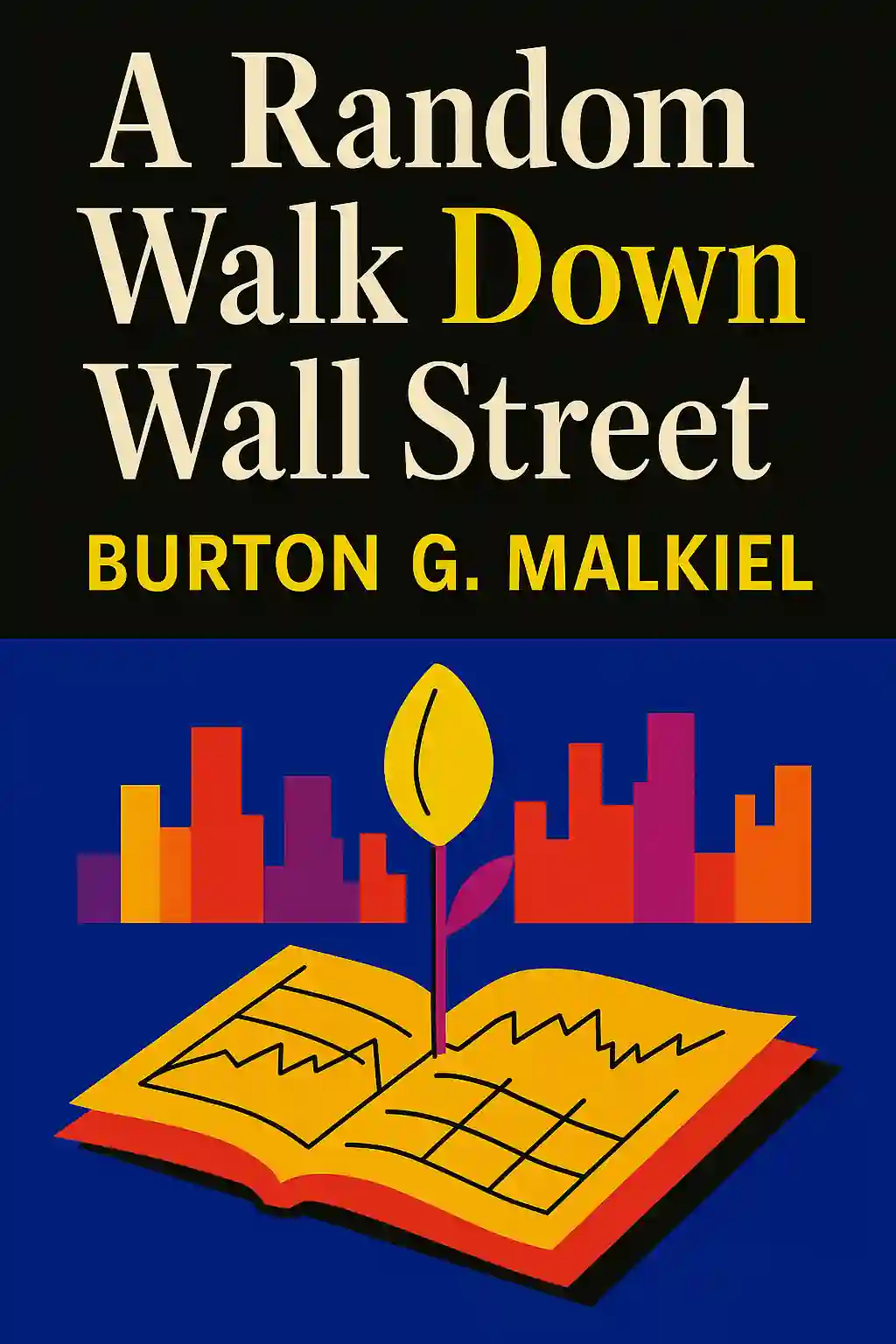
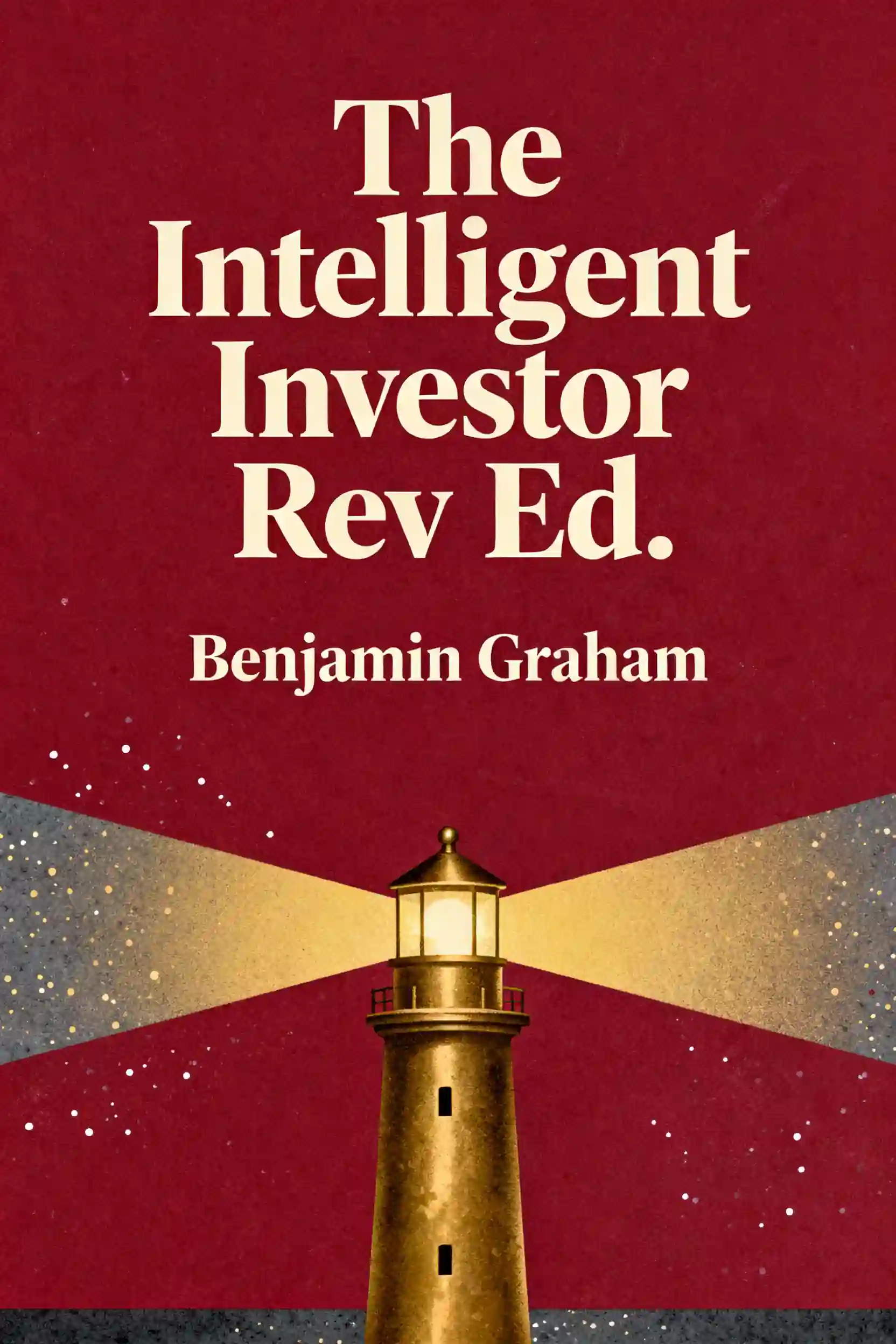
Scopri di più

Street-Smart Company Valuation Mastery
This comprehensive path bridges the gap between academic theory and Wall Street reality, making it essential for aspiring analysts and serious investors. It provides the technical rigor of DCF modeling alongside the timeless wisdom of value investing to help you value companies with confidence.

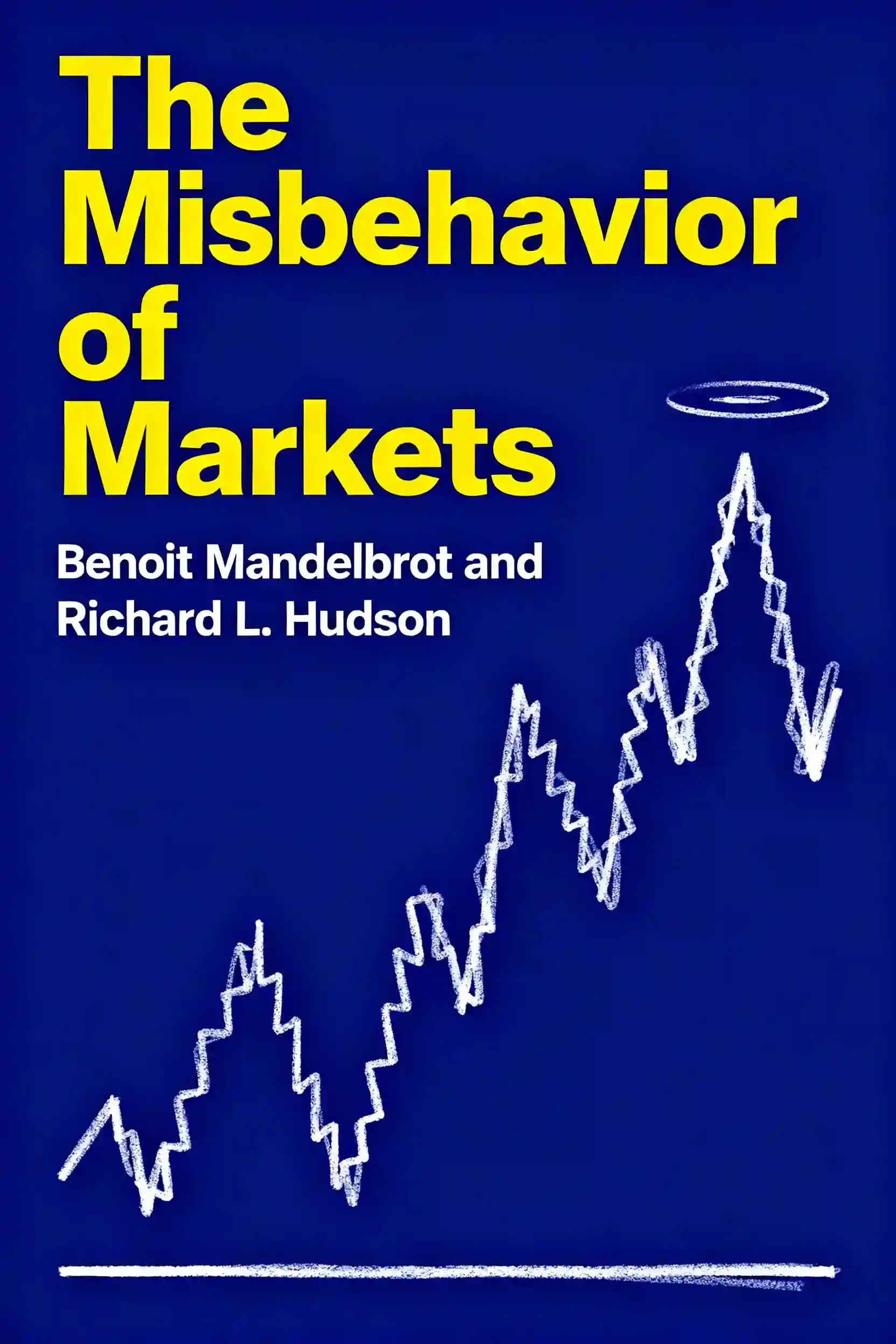
Learn The Misbehavior of Markets tenets
Modern finance often relies on outdated models that ignore the reality of extreme market events. This plan is essential for investors and analysts who want to move beyond standard deviations to understand the true nature of risk and fractal patterns in financial systems.

The Modern Economy for Investors
In an era of high volatility, understanding the machinery of credit and cycles is essential for capital preservation. This plan is designed for investors who want to bridge the gap between abstract macroeconomics and practical portfolio management while mastering their own psychological triggers.
Master Probability in Life, Work & Business
In an increasingly unpredictable world, the ability to quantify risk and think statistically is a critical competitive advantage. This plan is designed for professionals and decision-makers who want to replace guesswork with data-driven confidence and sharper mental models.

Macro Investing: From Data to Decisions
This plan is essential for investors looking to move beyond simple stock picking and understand the global forces driving market volatility. It is ideal for active traders and portfolio managers who want to align their strategy with the business cycle and economic data.

Macro Signals for Portfolio Protection
In an era of high volatility, understanding the bridge between economic data and market performance is essential for capital preservation. This plan is designed for investors and analysts who want to move beyond headlines to master yield curves, credit spreads, and recession signaling.

Macro Strategy for Personal Investing
This plan bridges the gap between high-level economic theory and practical portfolio management. It is designed for individual investors who want to move beyond stock picking and understand the systemic forces that drive market cycles and asset valuations.

Risk Arbitrage
Risk arbitrage is a sophisticated investment strategy that allows traders to profit from corporate events and market inefficiencies surrounding M&A activity. This learning plan is ideal for finance professionals, aspiring hedge fund analysts, and active investors seeking to understand how institutional players generate returns from deal-making and special situations while managing downside risk.
Creato da alumni della Columbia University a San Francisco
"Instead of endless scrolling, I just hit play on BeFreed. It saves me so much time."


"I never knew where to start with nonfiction—BeFreed’s book lists turned into podcasts gave me a clear path."


"Perfect balance between learning and entertainment. Finished ‘Thinking, Fast and Slow’ on my commute this week."
"Crazy how much I learned while walking the dog. BeFreed = small habits → big gains."
"Reading used to feel like a chore. Now it’s just part of my lifestyle."

"Feels effortless compared to reading. I’ve finished 6 books this month already."
"BeFreed turned my guilty doomscrolling into something that feels productive and inspiring."

"BeFreed turned my commute into learning time. 20-min podcasts are perfect for finishing books I never had time for."
"BeFreed replaced my podcast queue. Imagine Spotify for books — that’s it. 🙌"

"It is great for me to learn something from the book without reading it."
"The themed book list podcasts help me connect ideas across authors—like a guided audio journey."
"Makes me feel smarter every time before going to work"
Creato da alumni della Columbia University a San Francisco
"Instead of endless scrolling, I just hit play on BeFreed. It saves me so much time."
"I never knew where to start with nonfiction—BeFreed’s book lists turned into podcasts gave me a clear path."
"Perfect balance between learning and entertainment. Finished ‘Thinking, Fast and Slow’ on my commute this week."
"Crazy how much I learned while walking the dog. BeFreed = small habits → big gains."
"Reading used to feel like a chore. Now it’s just part of my lifestyle."
"Feels effortless compared to reading. I’ve finished 6 books this month already."
"BeFreed turned my guilty doomscrolling into something that feels productive and inspiring."
"BeFreed turned my commute into learning time. 20-min podcasts are perfect for finishing books I never had time for."
"BeFreed replaced my podcast queue. Imagine Spotify for books — that’s it. 🙌"
"It is great for me to learn something from the book without reading it."
"The themed book list podcasts help me connect ideas across authors—like a guided audio journey."
"Makes me feel smarter every time before going to work"
"Instead of endless scrolling, I just hit play on BeFreed. It saves me so much time."
"I never knew where to start with nonfiction—BeFreed’s book lists turned into podcasts gave me a clear path."
"Perfect balance between learning and entertainment. Finished ‘Thinking, Fast and Slow’ on my commute this week."
"Crazy how much I learned while walking the dog. BeFreed = small habits → big gains."
"Reading used to feel like a chore. Now it’s just part of my lifestyle."
"Feels effortless compared to reading. I’ve finished 6 books this month already."
"BeFreed turned my guilty doomscrolling into something that feels productive and inspiring."
"BeFreed turned my commute into learning time. 20-min podcasts are perfect for finishing books I never had time for."
"BeFreed replaced my podcast queue. Imagine Spotify for books — that’s it. 🙌"
"It is great for me to learn something from the book without reading it."
"The themed book list podcasts help me connect ideas across authors—like a guided audio journey."
"Makes me feel smarter every time before going to work"
"Instead of endless scrolling, I just hit play on BeFreed. It saves me so much time."
"I never knew where to start with nonfiction—BeFreed’s book lists turned into podcasts gave me a clear path."
"Perfect balance between learning and entertainment. Finished ‘Thinking, Fast and Slow’ on my commute this week."
"Crazy how much I learned while walking the dog. BeFreed = small habits → big gains."
"Reading used to feel like a chore. Now it’s just part of my lifestyle."
"Feels effortless compared to reading. I’ve finished 6 books this month already."
"BeFreed turned my guilty doomscrolling into something that feels productive and inspiring."
"BeFreed turned my commute into learning time. 20-min podcasts are perfect for finishing books I never had time for."
"BeFreed replaced my podcast queue. Imagine Spotify for books — that’s it. 🙌"
"It is great for me to learn something from the book without reading it."
"The themed book list podcasts help me connect ideas across authors—like a guided audio journey."
"Makes me feel smarter every time before going to work"