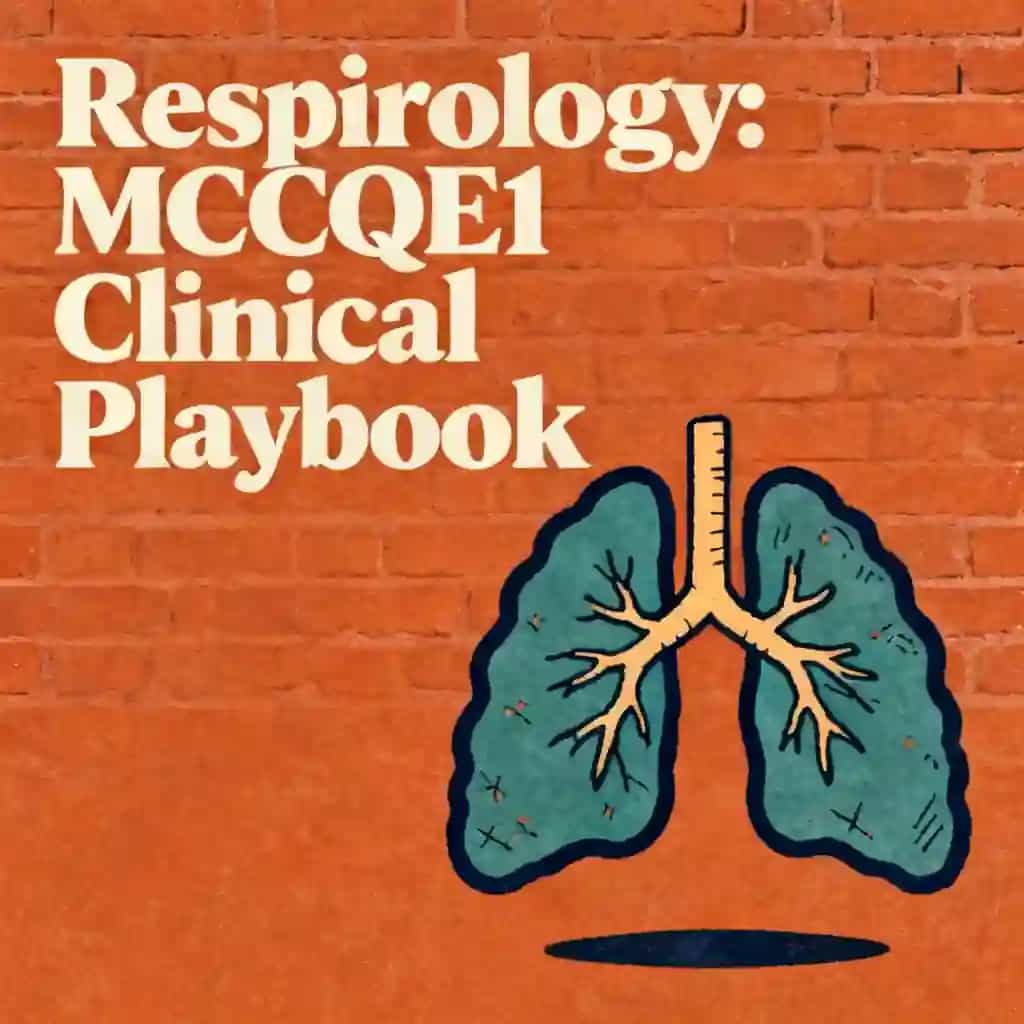
A comprehensive guide to managing COPD, asthma, pneumonia and respiratory failure with evidence-based nursing interventions. Learn when oxygen becomes dangerous and how to recognize subtle assessment findings that signal deterioration.
Miglior citazione da Critical Respiratory Care Mastery
“
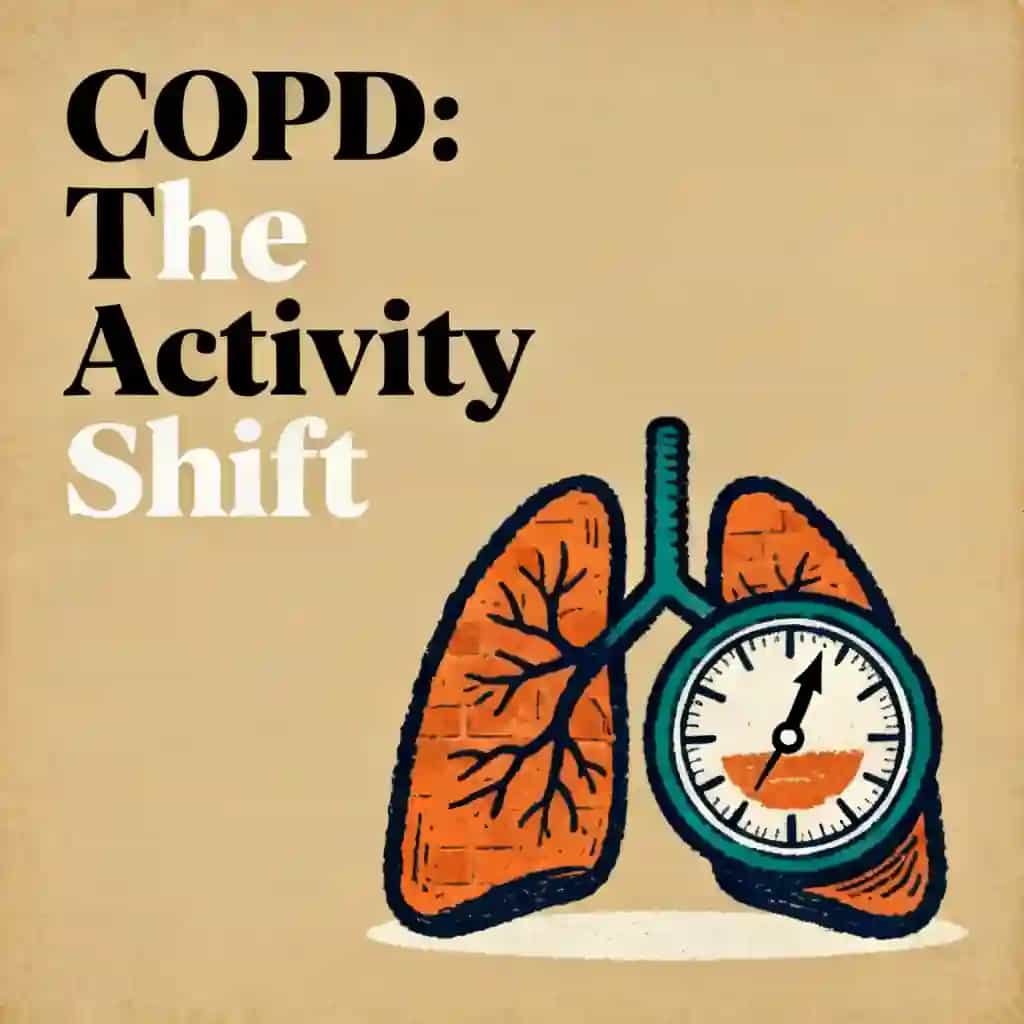
The '50-50 club' concept is where COPD patients often live with a PaO2 around 50 and pCO2 around 50; their bodies adapt to this new normal, and their breathing stimulus actually shifts from high CO2 to low oxygen.
”
M
Generated by Michelle
Domanda di input
Teach Med-Surg Respiratory Nursing at an RN level in audio. Cover COPD, asthma, pneumonia, respiratory failure. For each, explain pathophysiology, assessment findings, priority nursing interventions, oxygen/ABG management, medications, complications, and red flags. 40 minutes
Voci dei presentatori
Lena
Miles
Fonti di conoscenza
Creato da alumni della Columbia University | a San Francisco
BeFreed Riunisce Una Community Globale Di Menti Curiose
4.7
valutazione media
Oltre 7,84 mila valutazioni dell’app
Community BeFreed
Sul serio, non ho ancora esplorato l'app fino in fondo, ma dopo questi primi giorni sono davvero colpita… BeFreed è su un altro livello rispetto a qualsiasi altra app di apprendimento che abbia usato. Ti coinvolge tantissimo e migliora davvero la concentrazione: perfetta per chi non riesce a smettere di scrollare!
@ladyInfinity
Ho comprato BeFreed esattamente 23 giorni fa e da allora l'ho usata ogni singolo giorno. Si è integrata completamente nel mio flusso di lavoro e nelle mie abitudini di studio.
@jayallen
La verità è che l'app ha superato tutte le mie aspettative. Posso chiederle di generare audio su qualunque argomento, qualsiasi esso sia, e il risultato è impressionante. Il mio campo professionale è una specializzazione in psicoterapia, molto multidisciplinare; eppure le risposte sono molto accurate.
@Raguipa
Quello che apprezzo di più è quanto abbia ridotto il mio scrolling: passo meno tempo a cercare e più tempo ad assorbire informazioni. La combinazione di audiolibri completi, podcast e piani di apprendimento è brillante.
@colonyofcreatorsNGO
Sono istruttore di apprendimento accelerato PhotoReading da 24 anni… libri, lettura e apprendimento sono il mio pane, e BeFreed ha fatto un ottimo lavoro offrendo un approccio innovativo per trasmettere le informazioni in un modo facile da assimilare.
@BeFreed user
Non è solo un'app di riassunti di libri: ho usato l'opzione di lettura divertente ed è un riassunto molto migliore, un modo più efficace di afferrare le idee rispetto al metodo tradizionale. Solo questo vale la spesa.
@austinakon
Adoro questa app. La uso da diversi giorni e non riesco a smettere di ascoltare. Un ottimo modo per iniziare.
@jcrules328
Il programma mi piace davvero; lo sto provando da circa un mese e lo trovo una vera gemma. Funziona così bene perché con BeFreed posso creare i miei argomenti, e la voce è ottima, con una scelta illimitata di narrazioni.
@DanielCZ
Sul serio, non ho ancora esplorato l'app fino in fondo, ma dopo questi primi giorni sono davvero colpita… BeFreed è su un altro livello rispetto a qualsiasi altra app di apprendimento che abbia usato. Ti coinvolge tantissimo e migliora davvero la concentrazione: perfetta per chi non riesce a smettere di scrollare!
@ladyInfinity
Ho comprato BeFreed esattamente 23 giorni fa e da allora l'ho usata ogni singolo giorno. Si è integrata completamente nel mio flusso di lavoro e nelle mie abitudini di studio.
@jayallen
La verità è che l'app ha superato tutte le mie aspettative. Posso chiederle di generare audio su qualunque argomento, qualsiasi esso sia, e il risultato è impressionante. Il mio campo professionale è una specializzazione in psicoterapia, molto multidisciplinare; eppure le risposte sono molto accurate.
@Raguipa
Quello che apprezzo di più è quanto abbia ridotto il mio scrolling: passo meno tempo a cercare e più tempo ad assorbire informazioni. La combinazione di audiolibri completi, podcast e piani di apprendimento è brillante.
@colonyofcreatorsNGO
Sono istruttore di apprendimento accelerato PhotoReading da 24 anni… libri, lettura e apprendimento sono il mio pane, e BeFreed ha fatto un ottimo lavoro offrendo un approccio innovativo per trasmettere le informazioni in un modo facile da assimilare.
@BeFreed user
Non è solo un'app di riassunti di libri: ho usato l'opzione di lettura divertente ed è un riassunto molto migliore, un modo più efficace di afferrare le idee rispetto al metodo tradizionale. Solo questo vale la spesa.
@austinakon
Adoro questa app. La uso da diversi giorni e non riesco a smettere di ascoltare. Un ottimo modo per iniziare.
@jcrules328
Il programma mi piace davvero; lo sto provando da circa un mese e lo trovo una vera gemma. Funziona così bene perché con BeFreed posso creare i miei argomenti, e la voce è ottima, con una scelta illimitata di narrazioni.
@DanielCZ
Adoro poter ricevere informazioni e idee utili e condensate in un audio in stile podcast da 8-15 minuti. Non sono un grande fan dei podcast per via di tutto il riempitivo, ma qui si va dritti al punto.
@BeFreed user
Sto finendo il dottorato e devo leggere un sacco di materiale che non conosco… Con BeFreed basta inserire un prompt: l'app trova le fonti per te e genera un podcast audio. Trovo il processo di BeFreed più scorrevole di NotebookLM.
@Brad
Cerco spesso su YouTube qualcosa da ascoltare mentre preparo la colazione, cammino o sono in viaggio, e BeFreed offre un approccio ancora più mirato, senza pubblicità e senza riempitivi!
@BeFreed user
La cosa in assoluto migliore di questa piattaforma è la versatilità. Non c'è letteralmente nessun argomento fuori portata. Gestisce qualsiasi cosa le proponi… È raro trovare uno strumento di apprendimento senza limiti che mantenga davvero le promesse.
@jayallen
BeFreed è fantastica. Il design intuitivo mi fa passare meno tempo a navigare e più tempo a imparare. Il mix di audiolibri, podcast e piani di apprendimento è una combinazione geniale che ha cambiato completamente la mia routine quotidiana.
@BeFreed user
All'inizio mi ci è voluto un po' per capire come creare podcast in italiano e poi… boom! È fantastico! Posso chiedergli di spiegarmi qualsiasi argomento e lo fa benissimo, con grande intelligenza!
@matteo77
BeFreed è diventata la mia app quotidiana per gli audiolibri… Quello che mi piace di più è che inserisci il tuo testo e ottieni un audio da ascoltare ovunque.
@kotanzu1
Adoro poter ricevere informazioni e idee utili e condensate in un audio in stile podcast da 8-15 minuti. Non sono un grande fan dei podcast per via di tutto il riempitivo, ma qui si va dritti al punto.
@BeFreed user
Sto finendo il dottorato e devo leggere un sacco di materiale che non conosco… Con BeFreed basta inserire un prompt: l'app trova le fonti per te e genera un podcast audio. Trovo il processo di BeFreed più scorrevole di NotebookLM.
@Brad
Cerco spesso su YouTube qualcosa da ascoltare mentre preparo la colazione, cammino o sono in viaggio, e BeFreed offre un approccio ancora più mirato, senza pubblicità e senza riempitivi!
@BeFreed user
La cosa in assoluto migliore di questa piattaforma è la versatilità. Non c'è letteralmente nessun argomento fuori portata. Gestisce qualsiasi cosa le proponi… È raro trovare uno strumento di apprendimento senza limiti che mantenga davvero le promesse.
@jayallen
BeFreed è fantastica. Il design intuitivo mi fa passare meno tempo a navigare e più tempo a imparare. Il mix di audiolibri, podcast e piani di apprendimento è una combinazione geniale che ha cambiato completamente la mia routine quotidiana.
@BeFreed user
All'inizio mi ci è voluto un po' per capire come creare podcast in italiano e poi… boom! È fantastico! Posso chiedergli di spiegarmi qualsiasi argomento e lo fa benissimo, con grande intelligenza!
@matteo77
BeFreed è diventata la mia app quotidiana per gli audiolibri… Quello che mi piace di più è che inserisci il tuo testo e ottieni un audio da ascoltare ovunque.
A comprehensive guide to mastering the Certified Rehabilitation Registered Nurse exam with proven study strategies, practice approaches, and domain-specific content review for a 93% pass rate.
From heart failure classifications to spotting early decompensation, this guide breaks down cardiac nursing essentials with clinical pearls for bedside care. Master the foundations you need for confident cardiac patient management.
Explore how understanding the body's interconnected systems transforms critical care nursing from reactive to proactive, revealing why the heart's role isn't what you think and how pathophysiology guides lifesaving decisions at the bedside.
Discover the complete roadmap to earning the respected Certified Rehabilitation Registered Nurse credential, from eligibility requirements to exam preparation, and how this versatile certification can elevate your nursing career across multiple healthcare settings.











![[ad50d653-f6cf-4231-893f-34e4f1b5992d:c0000] Chapter Objectives After studying this chapter, you will … p1-1](/_next/image?url=https%3A%2F%2Fd1y2du6z1jfm9e.cloudfront.net%2Fassets%2Fpodcast%2Fyellow.png&w=1024&q=50)