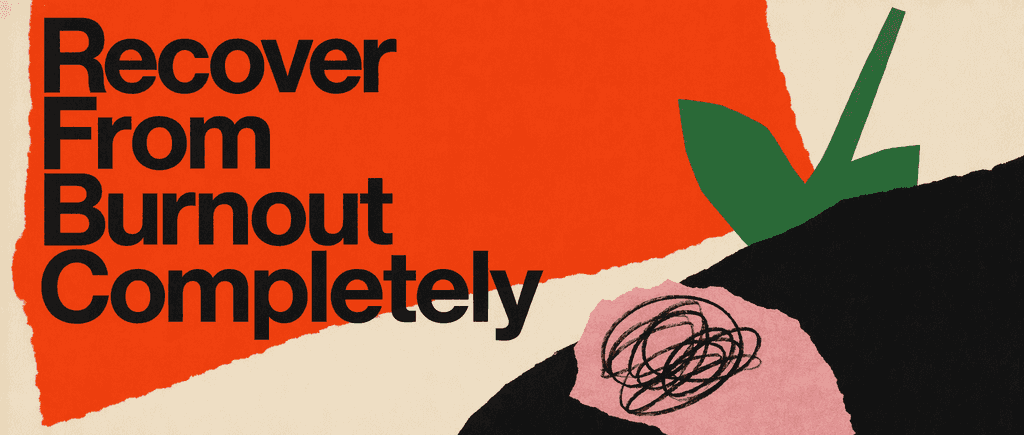
Burnout causes and how to actually recover
Feeling exhausted and cynical? Learn why a vacation won't fix burnout and how to use the five pillars of recovery to reclaim your life and energy.

Miglior citazione da Burnout causes and how to actually recover
We have to stop treating burnout like a 'you' problem and start seeing it as a 'system' problem. If the engine in your car is smoking because you’ve been driving it at 100 miles per hour without coolant, you don’t tell the engine it needs more resilience—you give it some coolant and slow the heck down.
Generated by Freedee_2BFCF5FD
给我说一下burnout的原因和常见解决办法


Domande frequenti
Burnout is more than just general tiredness; it is a psychological syndrome characterized by a "three-headed monster" of symptoms. The first is emotional exhaustion, where a person feels their "soul is a dry sponge" and cannot replenish spent energy. The second is depersonalization or cynicism, which acts as a maladaptive defense mechanism where colleagues or clients are viewed as objects rather than people. The third is a sense of reduced personal accomplishment, leading an individual to believe their work no longer makes a difference or that they are no longer competent in their role.
A vacation is a reactive measure that fails to address the "systemic friction" or the "mismatch" between an individual and their work environment. According to the script, burnout is often caused by a structural imbalance between job demands (like high workload) and job resources (like autonomy or social support). If a person takes a week off but returns to the same "pile of garbage" without changing the underlying workload, lack of control, or toxic culture, the burnout will inevitably return within a few weeks because the source of the stress remains unmanaged.
Researchers identify six specific categories where a mismatch between an employee and their organization creates the friction that leads to burnout. These include workload (too much to do in too little time), control (having responsibility without the authority to make decisions), reward (a lack of social recognition or financial compensation), community (a lack of trust or civility among peers), fairness (perceived favoritism or inequity), and values (a conflict between personal integrity and company practices). Identifying which of these areas has the largest mismatch is the first step in a "Burnout Audit."
Reactive management happens after the damage is done, such as taking a leave of absence once you've hit a wall. In contrast, proactive management involves four key competencies: reducing sources of stress (delegating or deleting tasks), cognitive reframing (changing how you think about failure), planning and prevention (organizing tasks to avoid stress before it starts), and relaxation techniques. Proactive individuals act as "architects of their own peace" by setting hard boundaries, such as specific communication windows for email, to prevent work from invading their personal life.
Moral injury occurs when a person is forced to act in ways that conflict with their deeply held values, a common issue in healthcare and high-pressure environments. For example, a doctor may experience psychological distress not just from a high workload, but from systemic inefficiencies that prevent them from providing the quality of care they believe patients deserve. This gap between who a professional wants to be and what the system forces them to do creates a "wound" that is distinct from simple exhaustion and requires addressing the systemic source rather than just individual resilience.
Creato da alumni della Columbia University a San Francisco
"Instead of endless scrolling, I just hit play on BeFreed. It saves me so much time."


"I never knew where to start with nonfiction—BeFreed’s book lists turned into podcasts gave me a clear path."


"Perfect balance between learning and entertainment. Finished ‘Thinking, Fast and Slow’ on my commute this week."
"Crazy how much I learned while walking the dog. BeFreed = small habits → big gains."
"Reading used to feel like a chore. Now it’s just part of my lifestyle."

"Feels effortless compared to reading. I’ve finished 6 books this month already."
"BeFreed turned my guilty doomscrolling into something that feels productive and inspiring."

"BeFreed turned my commute into learning time. 20-min podcasts are perfect for finishing books I never had time for."
"BeFreed replaced my podcast queue. Imagine Spotify for books — that’s it. 🙌"

"It is great for me to learn something from the book without reading it."
"The themed book list podcasts help me connect ideas across authors—like a guided audio journey."
"Makes me feel smarter every time before going to work"
Creato da alumni della Columbia University a San Francisco
"Instead of endless scrolling, I just hit play on BeFreed. It saves me so much time."
"I never knew where to start with nonfiction—BeFreed’s book lists turned into podcasts gave me a clear path."
"Perfect balance between learning and entertainment. Finished ‘Thinking, Fast and Slow’ on my commute this week."
"Crazy how much I learned while walking the dog. BeFreed = small habits → big gains."
"Reading used to feel like a chore. Now it’s just part of my lifestyle."
"Feels effortless compared to reading. I’ve finished 6 books this month already."
"BeFreed turned my guilty doomscrolling into something that feels productive and inspiring."
"BeFreed turned my commute into learning time. 20-min podcasts are perfect for finishing books I never had time for."
"BeFreed replaced my podcast queue. Imagine Spotify for books — that’s it. 🙌"
"It is great for me to learn something from the book without reading it."
"The themed book list podcasts help me connect ideas across authors—like a guided audio journey."
"Makes me feel smarter every time before going to work"
"Instead of endless scrolling, I just hit play on BeFreed. It saves me so much time."
"I never knew where to start with nonfiction—BeFreed’s book lists turned into podcasts gave me a clear path."
"Perfect balance between learning and entertainment. Finished ‘Thinking, Fast and Slow’ on my commute this week."
"Crazy how much I learned while walking the dog. BeFreed = small habits → big gains."
"Reading used to feel like a chore. Now it’s just part of my lifestyle."
"Feels effortless compared to reading. I’ve finished 6 books this month already."
"BeFreed turned my guilty doomscrolling into something that feels productive and inspiring."
"BeFreed turned my commute into learning time. 20-min podcasts are perfect for finishing books I never had time for."
"BeFreed replaced my podcast queue. Imagine Spotify for books — that’s it. 🙌"
"It is great for me to learn something from the book without reading it."
"The themed book list podcasts help me connect ideas across authors—like a guided audio journey."
"Makes me feel smarter every time before going to work"
"Instead of endless scrolling, I just hit play on BeFreed. It saves me so much time."
"I never knew where to start with nonfiction—BeFreed’s book lists turned into podcasts gave me a clear path."
"Perfect balance between learning and entertainment. Finished ‘Thinking, Fast and Slow’ on my commute this week."
"Crazy how much I learned while walking the dog. BeFreed = small habits → big gains."
"Reading used to feel like a chore. Now it’s just part of my lifestyle."
"Feels effortless compared to reading. I’ve finished 6 books this month already."
"BeFreed turned my guilty doomscrolling into something that feels productive and inspiring."
"BeFreed turned my commute into learning time. 20-min podcasts are perfect for finishing books I never had time for."
"BeFreed replaced my podcast queue. Imagine Spotify for books — that’s it. 🙌"
"It is great for me to learn something from the book without reading it."
"The themed book list podcasts help me connect ideas across authors—like a guided audio journey."
"Makes me feel smarter every time before going to work"