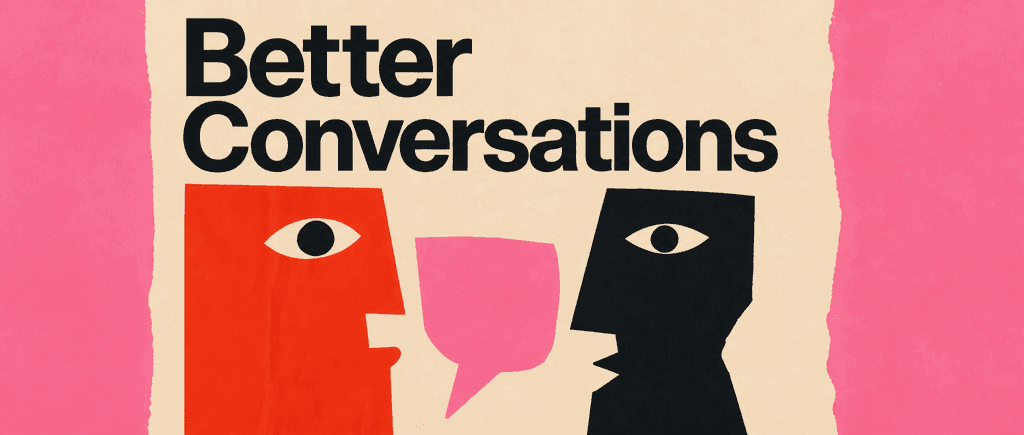
Building social skills and confidence without the shyness
Struggling with social anxiety? Learn why shyness is a learned behavior and how to use practical drills to rewire your brain for better connection.

Miglior citazione da Building social skills and confidence without the shyness
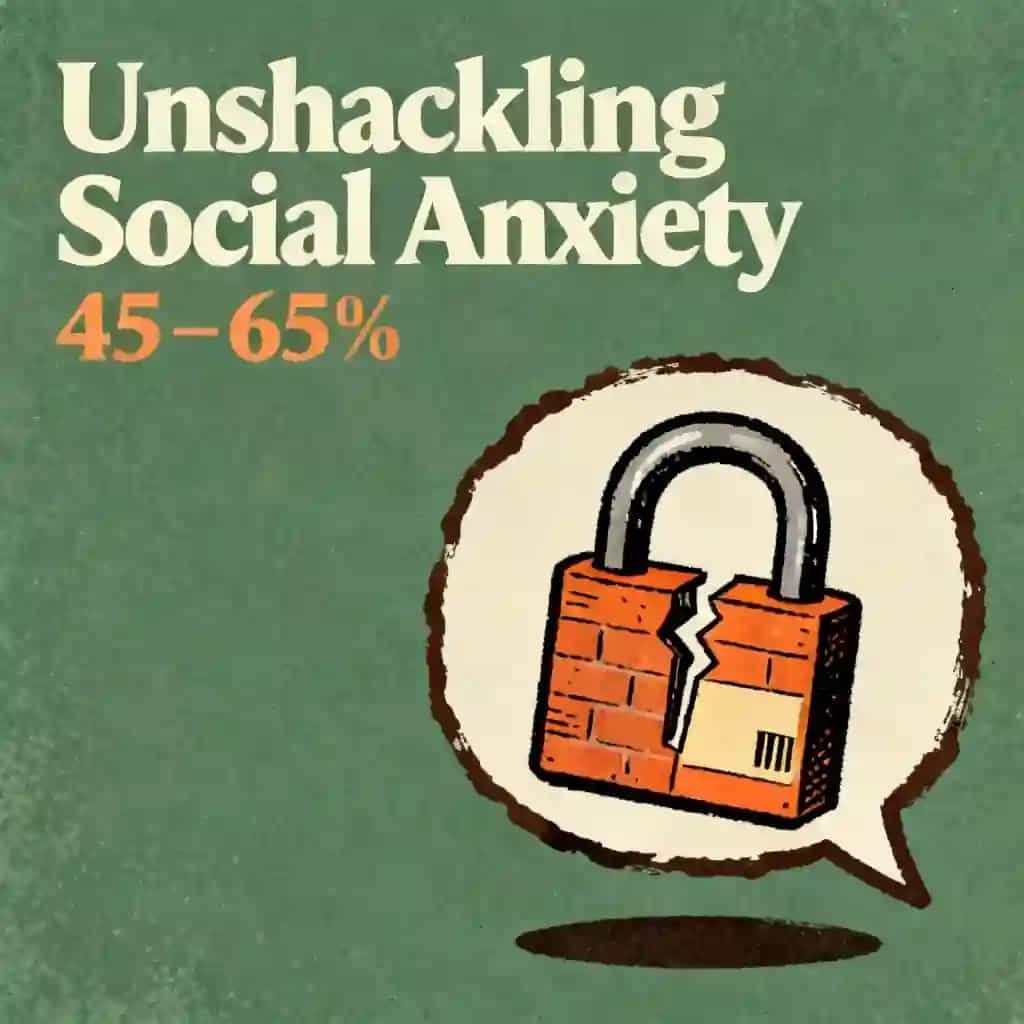
Shyness is often just a gap between your intelligence and your social experience, not a character flaw. Because it is a skill, we have to stop seeing social competence as one big, scary monster and start seeing it as a set of distinct, buildable abilities.
Generated by Trevor
Improve social skills and confidence.

Domande frequenti
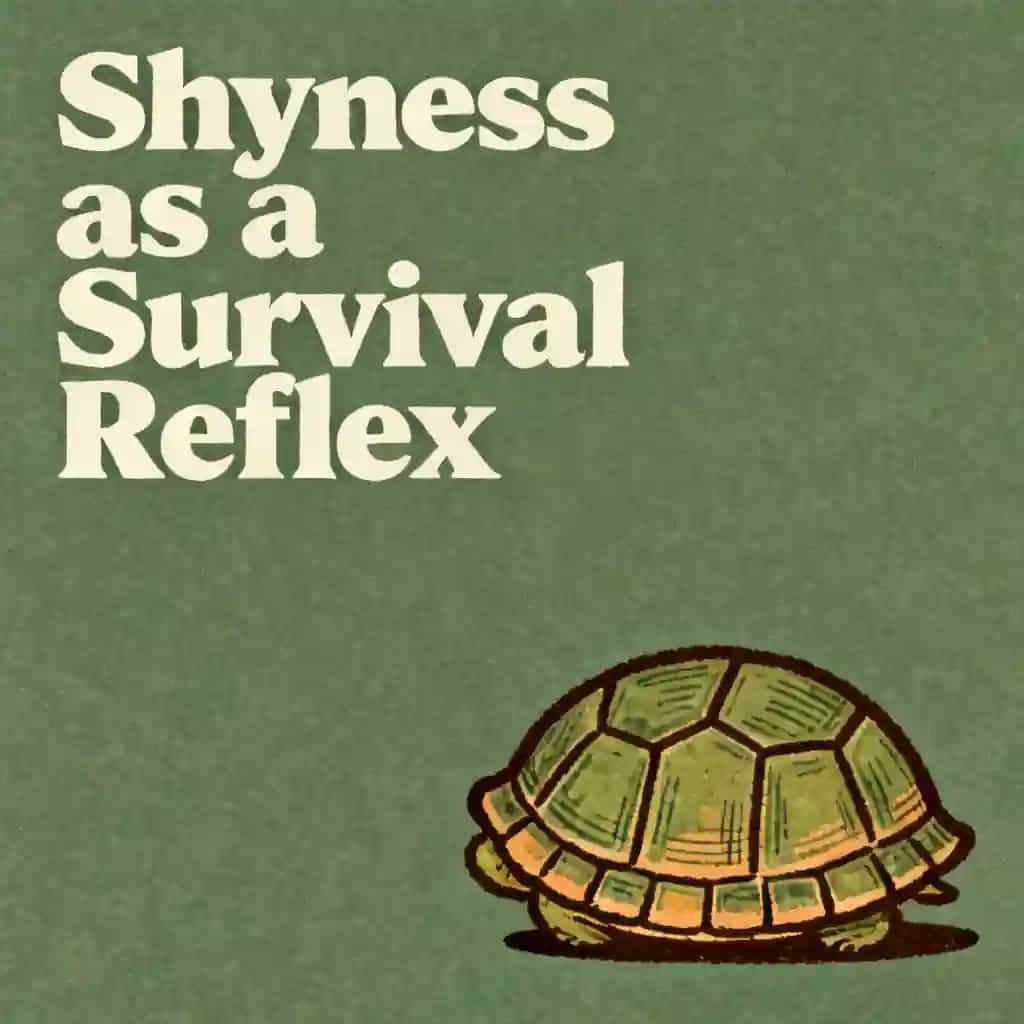
Shyness is not a permanent character flaw or a fixed biological trait like eye color; rather, it is often a gap between a person's intelligence and their social experience. Research indicates that shyness is a universal phenomenon experienced by about 40% of people in the West and is actually a learned behavior. Because socializing is a skill similar to a physical muscle, it can be developed and strengthened through consistent practice and structured effort.
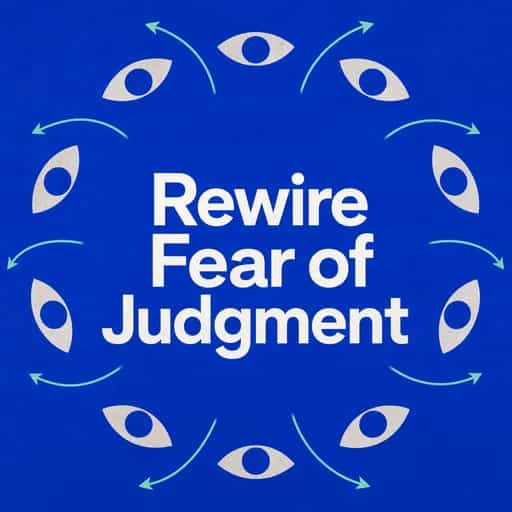
This reaction is caused by the "Spotlight Effect," an evolutionary survival mechanism where the brain's amygdala perceives social rejection as a mortal threat. To manage this physical anxiety, you can activate the vagus nerve—which acts as a brake pedal for the nervous system—by practicing diaphragmatic breathing with long exhales. Other physical "bio-hacks" include splashing cold water on your face to trigger the diving reflex, which forces the heart rate to drop and allows the logical prefrontal cortex to regain control.
Safety behaviors are actions taken to hide anxiety or avoid perceived judgment, such as checking a phone to look busy, avoiding eye contact, or over-rehearsing lines before speaking. While these behaviors feel protective, they actually keep social anxiety alive by preventing the brain from learning that the situation is safe without them. The process of "inhibitory learning" requires dropping these crutches so the brain can build new "safety memories" that eventually override old fear-based pathways.
The best way to start is by becoming a "social detective" and keeping a journal for one week to identify specific patterns, such as feeling comfortable in one-on-one settings but freezing in meetings. Once you have this data, you can set SMART goals—Specific, Measurable, Achievable, Relevant, and Time-bound—such as asking a barista one open-ended question. Using "activity-based socializing," where the focus is on a shared hobby like a hiking club or knitting group, can also reduce pressure by providing a natural "prop" for conversation.
Creato da alumni della Columbia University a San Francisco
BeFreed Riunisce Una Community Globale Di Menti Curiose


"Instead of endless scrolling, I just hit play on BeFreed. It saves me so much time."


"I never knew where to start with nonfiction—BeFreed’s book lists turned into podcasts gave me a clear path."


"Perfect balance between learning and entertainment. Finished ‘Thinking, Fast and Slow’ on my commute this week."
"Crazy how much I learned while walking the dog. BeFreed = small habits → big gains."
"Reading used to feel like a chore. Now it’s just part of my lifestyle."

"Feels effortless compared to reading. I’ve finished 6 books this month already."
"BeFreed turned my guilty doomscrolling into something that feels productive and inspiring."

"BeFreed turned my commute into learning time. 20-min podcasts are perfect for finishing books I never had time for."
"BeFreed replaced my podcast queue. Imagine Spotify for books — that’s it. 🙌"

"It is great for me to learn something from the book without reading it."
"The themed book list podcasts help me connect ideas across authors—like a guided audio journey."
"Makes me feel smarter every time before going to work"
Creato da alumni della Columbia University a San Francisco
BeFreed Riunisce Una Community Globale Di Menti Curiose
"Instead of endless scrolling, I just hit play on BeFreed. It saves me so much time."
"I never knew where to start with nonfiction—BeFreed’s book lists turned into podcasts gave me a clear path."
"Perfect balance between learning and entertainment. Finished ‘Thinking, Fast and Slow’ on my commute this week."
"Crazy how much I learned while walking the dog. BeFreed = small habits → big gains."
"Reading used to feel like a chore. Now it’s just part of my lifestyle."
"Feels effortless compared to reading. I’ve finished 6 books this month already."
"BeFreed turned my guilty doomscrolling into something that feels productive and inspiring."
"BeFreed turned my commute into learning time. 20-min podcasts are perfect for finishing books I never had time for."
"BeFreed replaced my podcast queue. Imagine Spotify for books — that’s it. 🙌"
"It is great for me to learn something from the book without reading it."
"The themed book list podcasts help me connect ideas across authors—like a guided audio journey."
"Makes me feel smarter every time before going to work"
"Instead of endless scrolling, I just hit play on BeFreed. It saves me so much time."
"I never knew where to start with nonfiction—BeFreed’s book lists turned into podcasts gave me a clear path."
"Perfect balance between learning and entertainment. Finished ‘Thinking, Fast and Slow’ on my commute this week."
"Crazy how much I learned while walking the dog. BeFreed = small habits → big gains."
"Reading used to feel like a chore. Now it’s just part of my lifestyle."
"Feels effortless compared to reading. I’ve finished 6 books this month already."
"BeFreed turned my guilty doomscrolling into something that feels productive and inspiring."
"BeFreed turned my commute into learning time. 20-min podcasts are perfect for finishing books I never had time for."
"BeFreed replaced my podcast queue. Imagine Spotify for books — that’s it. 🙌"
"It is great for me to learn something from the book without reading it."
"The themed book list podcasts help me connect ideas across authors—like a guided audio journey."
"Makes me feel smarter every time before going to work"
"Instead of endless scrolling, I just hit play on BeFreed. It saves me so much time."
"I never knew where to start with nonfiction—BeFreed’s book lists turned into podcasts gave me a clear path."
"Perfect balance between learning and entertainment. Finished ‘Thinking, Fast and Slow’ on my commute this week."
"Crazy how much I learned while walking the dog. BeFreed = small habits → big gains."
"Reading used to feel like a chore. Now it’s just part of my lifestyle."
"Feels effortless compared to reading. I’ve finished 6 books this month already."
"BeFreed turned my guilty doomscrolling into something that feels productive and inspiring."
"BeFreed turned my commute into learning time. 20-min podcasts are perfect for finishing books I never had time for."
"BeFreed replaced my podcast queue. Imagine Spotify for books — that’s it. 🙌"
"It is great for me to learn something from the book without reading it."
"The themed book list podcasts help me connect ideas across authors—like a guided audio journey."
"Makes me feel smarter every time before going to work"