Breaking the Anxiety Loop
If you can't logic your way out of worry, your brain may treat anxiety as a habit. Learn to unwind the loop and update your brain's reward system.
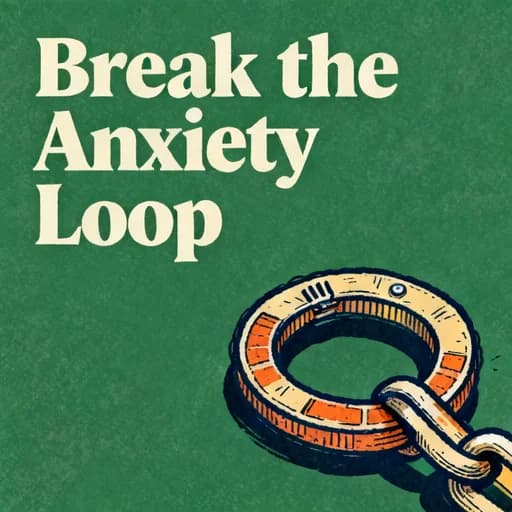
Miglior citazione da Breaking the Anxiety Loop
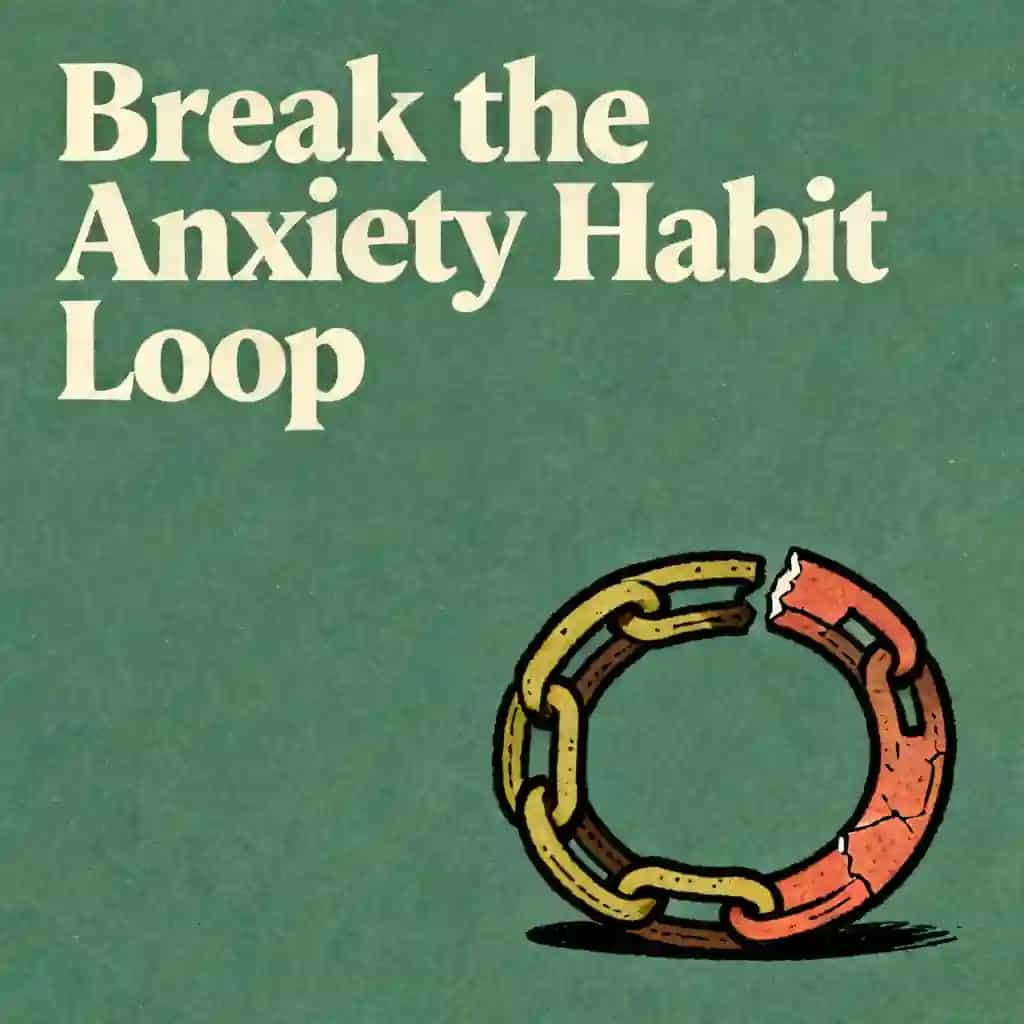
Anxiety is not a character flaw or a chemical imbalance, but a habit—a learned pattern that your brain runs on repeat because it treats uncertainty like a life-threatening danger and uses worry as a way to provide a false sense of control.
Generated with BeFreed
How the Anxiety Loop Breaks






Domande frequenti
Willpower and logic are functions of the prefrontal cortex, which is the newest and most fragile part of the brain. When you are stressed or anxious, this part of the brain often goes offline, making it difficult to "think" your way out of a panic attack. Furthermore, anxiety is often stored as a habit in the basal ganglia, the brain's automatic "basement." Because this part of the brain responds to rewards rather than logic, arguing with your worries can actually backfire by signaling to your brain that the worry is a legitimate threat worth fighting.
The brain treats uncertainty as a physical danger and seeks a way to regain control. Worrying provides a "fake" sense of control through mental rehearsal, which the brain mistakes for productive problem-solving. When the anxiety eventually drops—either because the situation passes or you become exhausted—the brain incorrectly credits the act of worrying for that relief. This creates a reinforced habit loop where the brain learns to repeat the worry to achieve that temporary drop in tension.
The brain is a reward-based learner and will only give up a habit if it finds a more rewarding alternative, known as a Bigger Better Offer. Curiosity serves as a powerful BBO because it is neurochemically incompatible with anxiety; while anxiety is a state of contraction and fear, curiosity is a state of expansion and interest. By becoming curious about the physical sensations of anxiety rather than the content of the thoughts, you shift from being a victim of the "worry trick" to an observer, which helps update the brain's reward value for that habit.
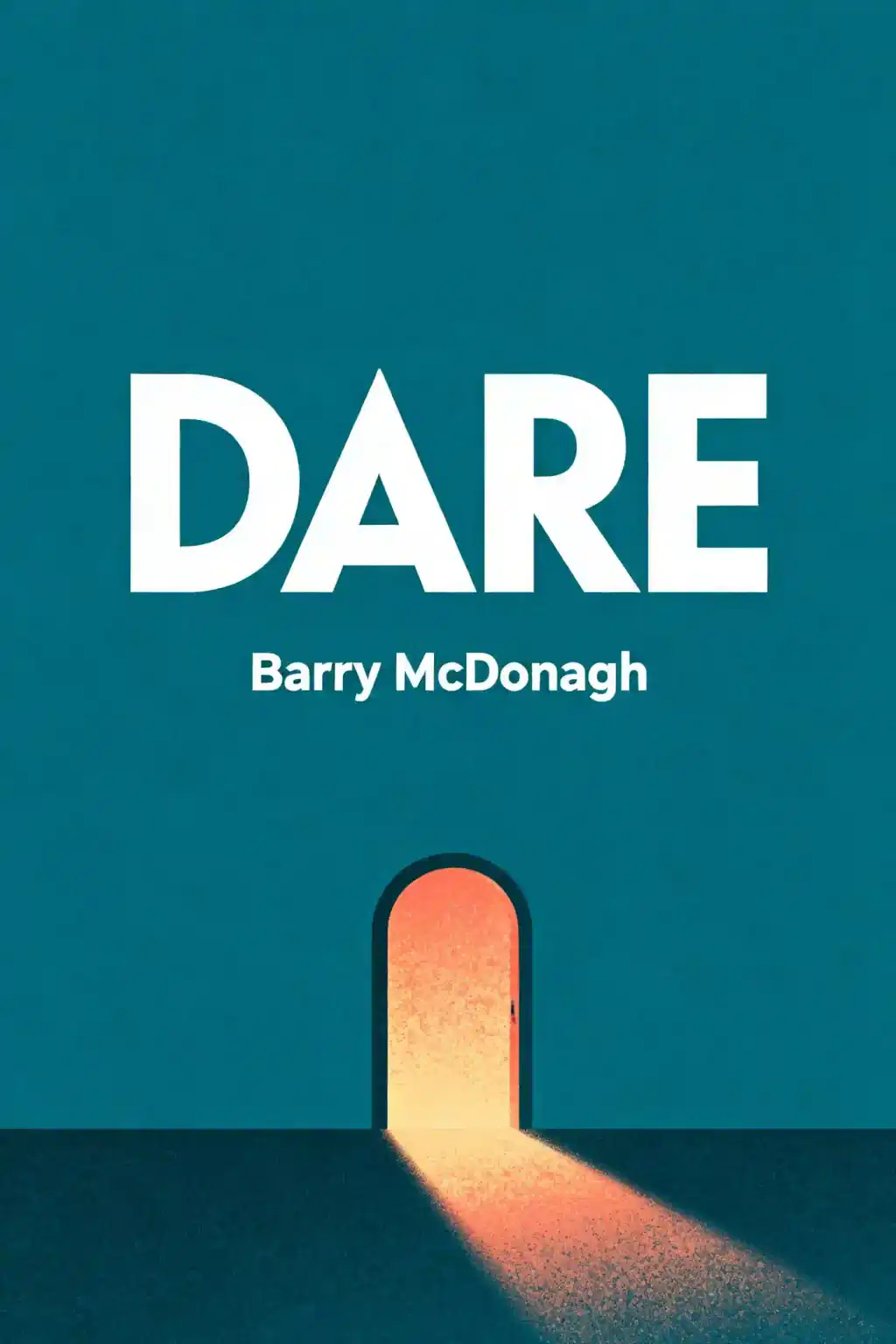
The DARE Response is a framework designed to call anxiety’s bluff by breaking the "fear of fear." It involves four steps: Defusing the thought with a dismissive "So what?"; Allowing the physical sensations to exist without trying to fix them; Running Toward the anxiety by paradoxically demanding more of it; and Engaging in your current activity. This process signals to the amygdala that there is no real danger, eventually flipping the "fear switch" off because you have stopped resisting the sensations.
Worry appointments are a strategy to contain anxiety by scheduling a specific time, such as fifteen minutes at 4:00 PM, to focus entirely on your worries. Instead of letting anxious thoughts run in the background all day and drain your mental battery, you postpone them by telling your brain you will address them during their scheduled time. This practice helps prove that you have control over your attention and prevents worry from becoming a constant, automatic background process.
Creato da alumni della Columbia University a San Francisco
"Instead of endless scrolling, I just hit play on BeFreed. It saves me so much time."


"I never knew where to start with nonfiction—BeFreed’s book lists turned into podcasts gave me a clear path."


"Perfect balance between learning and entertainment. Finished ‘Thinking, Fast and Slow’ on my commute this week."
"Crazy how much I learned while walking the dog. BeFreed = small habits → big gains."
"Reading used to feel like a chore. Now it’s just part of my lifestyle."

"Feels effortless compared to reading. I’ve finished 6 books this month already."
"BeFreed turned my guilty doomscrolling into something that feels productive and inspiring."

"BeFreed turned my commute into learning time. 20-min podcasts are perfect for finishing books I never had time for."
"BeFreed replaced my podcast queue. Imagine Spotify for books — that’s it. 🙌"

"It is great for me to learn something from the book without reading it."
"The themed book list podcasts help me connect ideas across authors—like a guided audio journey."
"Makes me feel smarter every time before going to work"
Creato da alumni della Columbia University a San Francisco
"Instead of endless scrolling, I just hit play on BeFreed. It saves me so much time."
"I never knew where to start with nonfiction—BeFreed’s book lists turned into podcasts gave me a clear path."
"Perfect balance between learning and entertainment. Finished ‘Thinking, Fast and Slow’ on my commute this week."
"Crazy how much I learned while walking the dog. BeFreed = small habits → big gains."
"Reading used to feel like a chore. Now it’s just part of my lifestyle."
"Feels effortless compared to reading. I’ve finished 6 books this month already."
"BeFreed turned my guilty doomscrolling into something that feels productive and inspiring."
"BeFreed turned my commute into learning time. 20-min podcasts are perfect for finishing books I never had time for."
"BeFreed replaced my podcast queue. Imagine Spotify for books — that’s it. 🙌"
"It is great for me to learn something from the book without reading it."
"The themed book list podcasts help me connect ideas across authors—like a guided audio journey."
"Makes me feel smarter every time before going to work"
"Instead of endless scrolling, I just hit play on BeFreed. It saves me so much time."
"I never knew where to start with nonfiction—BeFreed’s book lists turned into podcasts gave me a clear path."
"Perfect balance between learning and entertainment. Finished ‘Thinking, Fast and Slow’ on my commute this week."
"Crazy how much I learned while walking the dog. BeFreed = small habits → big gains."
"Reading used to feel like a chore. Now it’s just part of my lifestyle."
"Feels effortless compared to reading. I’ve finished 6 books this month already."
"BeFreed turned my guilty doomscrolling into something that feels productive and inspiring."
"BeFreed turned my commute into learning time. 20-min podcasts are perfect for finishing books I never had time for."
"BeFreed replaced my podcast queue. Imagine Spotify for books — that’s it. 🙌"
"It is great for me to learn something from the book without reading it."
"The themed book list podcasts help me connect ideas across authors—like a guided audio journey."
"Makes me feel smarter every time before going to work"
"Instead of endless scrolling, I just hit play on BeFreed. It saves me so much time."
"I never knew where to start with nonfiction—BeFreed’s book lists turned into podcasts gave me a clear path."
"Perfect balance between learning and entertainment. Finished ‘Thinking, Fast and Slow’ on my commute this week."
"Crazy how much I learned while walking the dog. BeFreed = small habits → big gains."
"Reading used to feel like a chore. Now it’s just part of my lifestyle."
"Feels effortless compared to reading. I’ve finished 6 books this month already."
"BeFreed turned my guilty doomscrolling into something that feels productive and inspiring."
"BeFreed turned my commute into learning time. 20-min podcasts are perfect for finishing books I never had time for."
"BeFreed replaced my podcast queue. Imagine Spotify for books — that’s it. 🙌"
"It is great for me to learn something from the book without reading it."
"The themed book list podcasts help me connect ideas across authors—like a guided audio journey."
"Makes me feel smarter every time before going to work"