The Brain’s Off Switch for Stress
When pressure builds, your brain has a literal biological circuit to shut down anxiety. Learn how to trigger this neural pathway for instant calm.
Miglior citazione da The Brain’s Off Switch for Stress
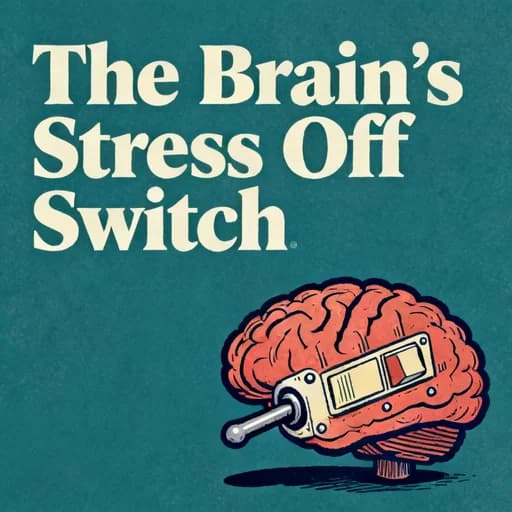
Your brain actually contains a physical, hard-wired circuit designed specifically to act as an off switch for stress; it is a literal biological mechanism that, when activated, can shut down the chemical alarms of anxiety.
Generated with BeFreed
Finding the Brain's Off Switch for Stress






Domande frequenti
The physiological sigh is a specific breathing pattern used to offload excess carbon dioxide, which is the primary chemical trigger for the brain's "suffocation alarm" and feelings of stress. To perform it, you take a deep inhale through the nose, followed by a second, shorter "pop" inhale to fully expand the tiny air sacs in the lungs, and finish with a long, slow exhale through the mouth. This technique reinflates collapsed air sacs and shifts the chemistry of your blood and the electrical firing of your brain to a calmer state in real time.
This urge is a protective biological program driven by a cluster of neurons in the midbrain's ventral tegmental area (VTA). These neurons act as stress sensors that detect spikes in stress hormones and then initiate deep, restorative sleep to "reset" your emotional baseline. This "emergency sleep" protocol is designed to inhibit the release of stress-inducing chemicals and allow the brain to mop up emotional residue, preventing chronic anxiety from setting in.
Splashing cold water on your face or applying a cold compress around your eyes and nose triggers the "diving reflex," an ancient survival mechanism. This reflex activates the parasympathetic nervous system, which instantly slows the heart rate and calms the brain's fear network. Research shows that just 30 seconds of cold facial immersion can drop a racing heart rate by 30 to 35 beats per minute, acting as a physiological "hard reset" for the body's alarm system.
According to a randomized controlled study, five minutes of daily exhale-focused breathwork, such as cyclic sighing, was found to be more effective at increasing positive affect than five minutes of mindfulness meditation. While both are beneficial, the breathwork group saw a greater improvement in mood and a significant reduction in their resting respiratory rate. This suggests that actively controlling your physiology builds "interoceptive agency," teaching the brain that you are in control of your internal state.
The ventromedial prefrontal cortex (vmPFC) acts as the "CEO" by appraising whether a situation is a threat and then sending instructions to the brainstem's "engine room." In a healthy system, the vmPFC sends signals to activate inhibitory neurons that "turn on the brakes" for the stress response, suppressing the release of adrenaline and stress hormones. Chronic stress can fray this connection, but "bottom-up" tools like breathing and cold exposure can help bypass the struggling CEO to communicate directly with the brainstem.
Creato da alumni della Columbia University a San Francisco
"Instead of endless scrolling, I just hit play on BeFreed. It saves me so much time."


"I never knew where to start with nonfiction—BeFreed’s book lists turned into podcasts gave me a clear path."


"Perfect balance between learning and entertainment. Finished ‘Thinking, Fast and Slow’ on my commute this week."
"Crazy how much I learned while walking the dog. BeFreed = small habits → big gains."
"Reading used to feel like a chore. Now it’s just part of my lifestyle."

"Feels effortless compared to reading. I’ve finished 6 books this month already."
"BeFreed turned my guilty doomscrolling into something that feels productive and inspiring."

"BeFreed turned my commute into learning time. 20-min podcasts are perfect for finishing books I never had time for."
"BeFreed replaced my podcast queue. Imagine Spotify for books — that’s it. 🙌"

"It is great for me to learn something from the book without reading it."
"The themed book list podcasts help me connect ideas across authors—like a guided audio journey."
"Makes me feel smarter every time before going to work"
Creato da alumni della Columbia University a San Francisco
"Instead of endless scrolling, I just hit play on BeFreed. It saves me so much time."
"I never knew where to start with nonfiction—BeFreed’s book lists turned into podcasts gave me a clear path."
"Perfect balance between learning and entertainment. Finished ‘Thinking, Fast and Slow’ on my commute this week."
"Crazy how much I learned while walking the dog. BeFreed = small habits → big gains."
"Reading used to feel like a chore. Now it’s just part of my lifestyle."
"Feels effortless compared to reading. I’ve finished 6 books this month already."
"BeFreed turned my guilty doomscrolling into something that feels productive and inspiring."
"BeFreed turned my commute into learning time. 20-min podcasts are perfect for finishing books I never had time for."
"BeFreed replaced my podcast queue. Imagine Spotify for books — that’s it. 🙌"
"It is great for me to learn something from the book without reading it."
"The themed book list podcasts help me connect ideas across authors—like a guided audio journey."
"Makes me feel smarter every time before going to work"
"Instead of endless scrolling, I just hit play on BeFreed. It saves me so much time."
"I never knew where to start with nonfiction—BeFreed’s book lists turned into podcasts gave me a clear path."
"Perfect balance between learning and entertainment. Finished ‘Thinking, Fast and Slow’ on my commute this week."
"Crazy how much I learned while walking the dog. BeFreed = small habits → big gains."
"Reading used to feel like a chore. Now it’s just part of my lifestyle."
"Feels effortless compared to reading. I’ve finished 6 books this month already."
"BeFreed turned my guilty doomscrolling into something that feels productive and inspiring."
"BeFreed turned my commute into learning time. 20-min podcasts are perfect for finishing books I never had time for."
"BeFreed replaced my podcast queue. Imagine Spotify for books — that’s it. 🙌"
"It is great for me to learn something from the book without reading it."
"The themed book list podcasts help me connect ideas across authors—like a guided audio journey."
"Makes me feel smarter every time before going to work"
"Instead of endless scrolling, I just hit play on BeFreed. It saves me so much time."
"I never knew where to start with nonfiction—BeFreed’s book lists turned into podcasts gave me a clear path."
"Perfect balance between learning and entertainment. Finished ‘Thinking, Fast and Slow’ on my commute this week."
"Crazy how much I learned while walking the dog. BeFreed = small habits → big gains."
"Reading used to feel like a chore. Now it’s just part of my lifestyle."
"Feels effortless compared to reading. I’ve finished 6 books this month already."
"BeFreed turned my guilty doomscrolling into something that feels productive and inspiring."
"BeFreed turned my commute into learning time. 20-min podcasts are perfect for finishing books I never had time for."
"BeFreed replaced my podcast queue. Imagine Spotify for books — that’s it. 🙌"
"It is great for me to learn something from the book without reading it."
"The themed book list podcasts help me connect ideas across authors—like a guided audio journey."
"Makes me feel smarter every time before going to work"