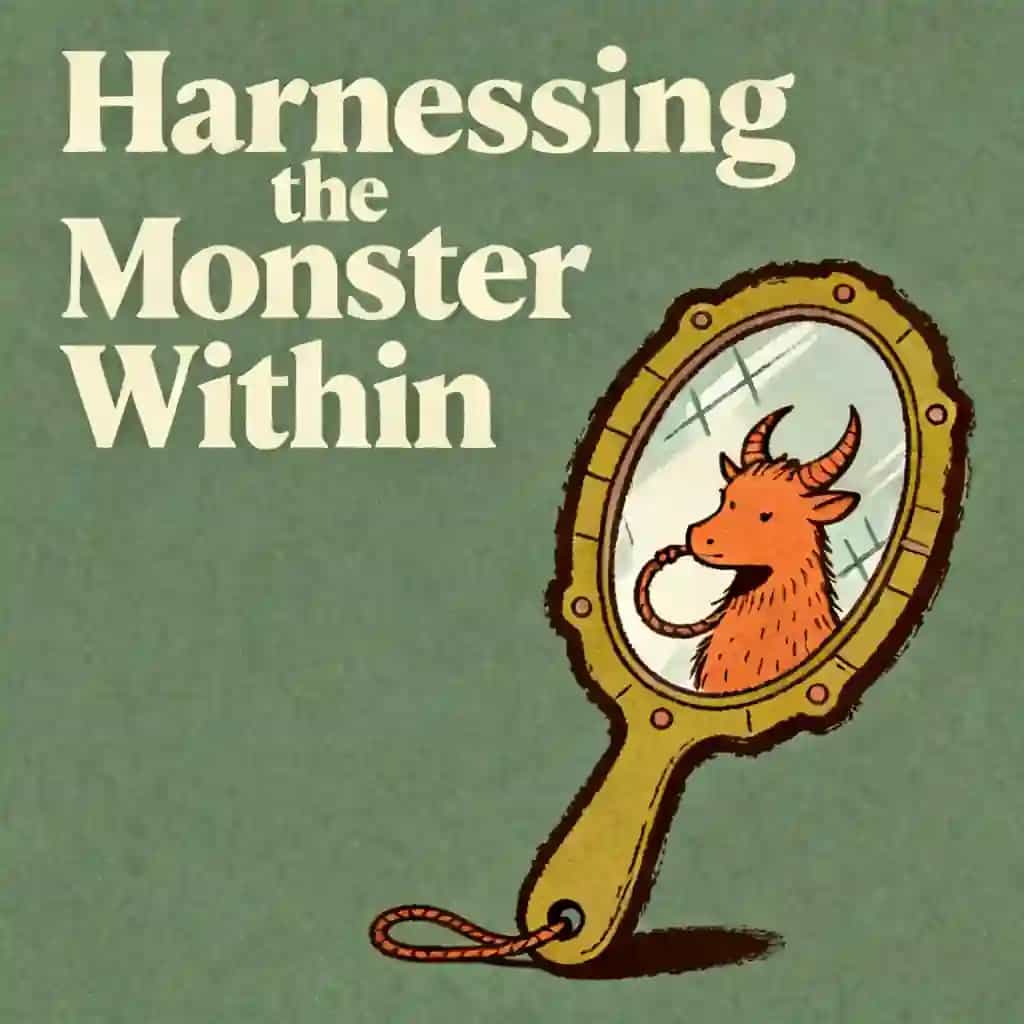
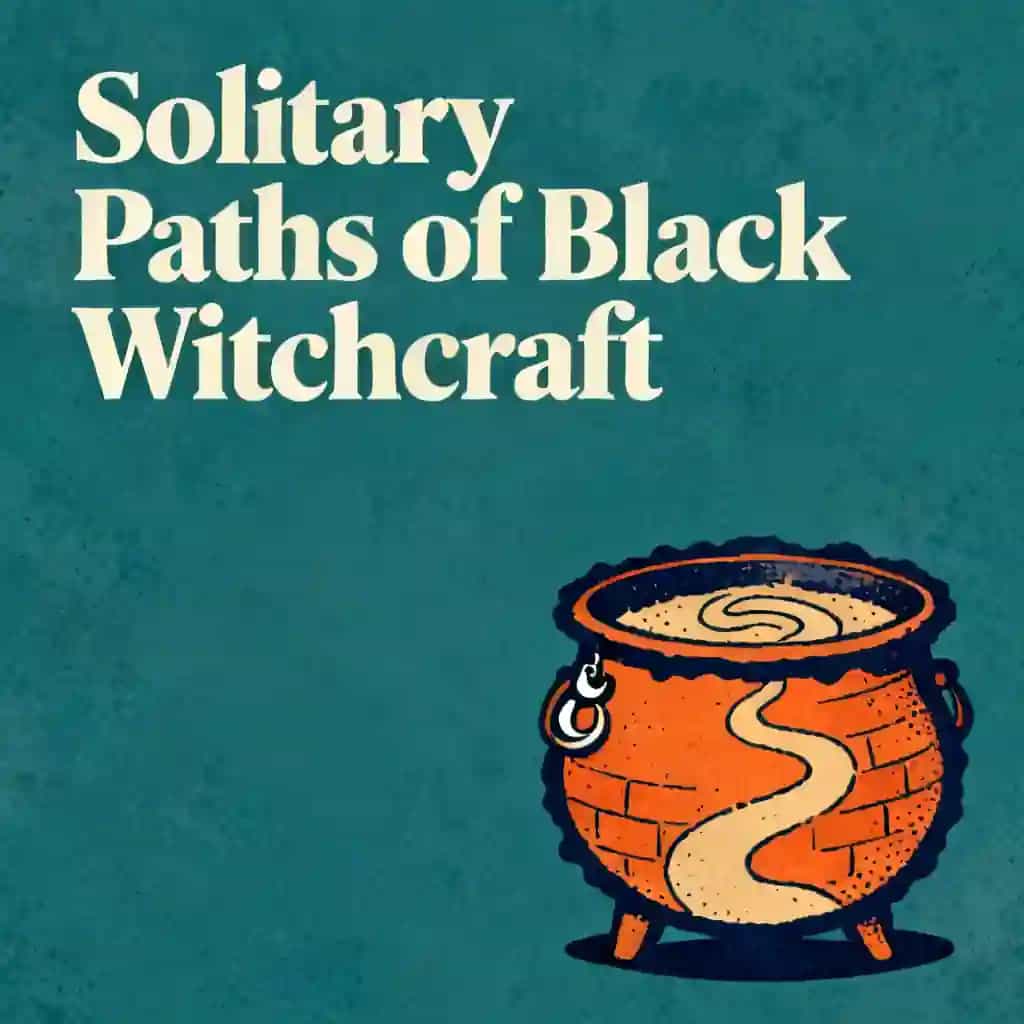
Black magic and the reality of the crooked path
Forget the myths of blind fury. Discover how traditional occultism uses technical discipline and shadow work to reclaim power when systems fail.

Miglior citazione da Black magic and the reality of the crooked path
The shadow isn't a demon to be exorcised; it’s a part of you that’s often just misguided or wounded. By stepping into its darkness with a lantern, you reclaim the energy tied up in that suppression and turn it into medicine.
Generated by Luci
Black witch practice, occultism, deeper analysis of a black witch


Domande frequenti
In traditional practice, these terms represent a hierarchy of intent and severity. A jinx is considered a minor nuisance or a "spiritual tripwire" designed to cause small inconveniences, like losing one's keys, to signal someone to back off. A hex is more serious, intended to cause temporary disruption or physical discomfort as a disciplined "lesson" that expires once the message is received. A curse is the most severe form, often referred to as "heavy artillery," meant to inflict long-lasting harm that can sometimes impact an entire family lineage or fate.
The term "Black Witch" carries a dual meaning. While it can refer to someone who practices "baneful" or dark magic, it is also a powerful reclamation of racial and cultural identity. For practitioners of African descent, it is a political and spiritual act of reclaiming traditions like Hoodoo, Voodoo, and Obeah that were historically demonized and labeled as "evil" by colonial powers. By using this title, practitioners honor ancestors who maintained these survival-based systems of protection and healing under the threat of oppression.
Shadow Work is the internal process of facing repressed parts of the psyche, such as fears, traumas, and "unacceptable" desires. In a magical context, this is viewed as essential "spiritual hygiene" because suppressed emotions carry energetic weight that can sabotage a practitioner's intentions. By integrating the "Shadow Self," an occultist prevents their hidden insecurities from poisoning their spells, ultimately turning chaotic or "acausal" energy into a source of personal power and authenticity.
According to the script, many practitioners view Maleficia—the Latin term for "doing wrong" or changing circumstances—as a neutral tool rather than a moral absolute. This perspective suggests that a witch who cannot hex cannot truly heal, as understanding the "poison" is necessary to formulate the "antidote." The craft is often seen as a "shadow-court" used for justice when legal or social systems fail, focusing on technical mastery and cause-and-effect rather than a binary of good versus evil.
These concepts represent the darker, "Nightside" architecture of the universe. The Qliphoth, often called the "Tree of Death," is viewed as the shell or husk that surrounds divine light; some practitioners seek to enter these shells to harness raw, chaotic energy. The "Tunnels of Set" are described as "wormholes in the psyche" that connect these shadow-spheres. Navigating these areas is considered advanced and dangerous work intended for "Apotheosis," or the evolution of the individual into a more powerful, god-like state.
Creato da alumni della Columbia University a San Francisco
"Instead of endless scrolling, I just hit play on BeFreed. It saves me so much time."


"I never knew where to start with nonfiction—BeFreed’s book lists turned into podcasts gave me a clear path."


"Perfect balance between learning and entertainment. Finished ‘Thinking, Fast and Slow’ on my commute this week."
"Crazy how much I learned while walking the dog. BeFreed = small habits → big gains."
"Reading used to feel like a chore. Now it’s just part of my lifestyle."

"Feels effortless compared to reading. I’ve finished 6 books this month already."
"BeFreed turned my guilty doomscrolling into something that feels productive and inspiring."

"BeFreed turned my commute into learning time. 20-min podcasts are perfect for finishing books I never had time for."
"BeFreed replaced my podcast queue. Imagine Spotify for books — that’s it. 🙌"

"It is great for me to learn something from the book without reading it."
"The themed book list podcasts help me connect ideas across authors—like a guided audio journey."
"Makes me feel smarter every time before going to work"
Creato da alumni della Columbia University a San Francisco
"Instead of endless scrolling, I just hit play on BeFreed. It saves me so much time."
"I never knew where to start with nonfiction—BeFreed’s book lists turned into podcasts gave me a clear path."
"Perfect balance between learning and entertainment. Finished ‘Thinking, Fast and Slow’ on my commute this week."
"Crazy how much I learned while walking the dog. BeFreed = small habits → big gains."
"Reading used to feel like a chore. Now it’s just part of my lifestyle."
"Feels effortless compared to reading. I’ve finished 6 books this month already."
"BeFreed turned my guilty doomscrolling into something that feels productive and inspiring."
"BeFreed turned my commute into learning time. 20-min podcasts are perfect for finishing books I never had time for."
"BeFreed replaced my podcast queue. Imagine Spotify for books — that’s it. 🙌"
"It is great for me to learn something from the book without reading it."
"The themed book list podcasts help me connect ideas across authors—like a guided audio journey."
"Makes me feel smarter every time before going to work"
"Instead of endless scrolling, I just hit play on BeFreed. It saves me so much time."
"I never knew where to start with nonfiction—BeFreed’s book lists turned into podcasts gave me a clear path."
"Perfect balance between learning and entertainment. Finished ‘Thinking, Fast and Slow’ on my commute this week."
"Crazy how much I learned while walking the dog. BeFreed = small habits → big gains."
"Reading used to feel like a chore. Now it’s just part of my lifestyle."
"Feels effortless compared to reading. I’ve finished 6 books this month already."
"BeFreed turned my guilty doomscrolling into something that feels productive and inspiring."
"BeFreed turned my commute into learning time. 20-min podcasts are perfect for finishing books I never had time for."
"BeFreed replaced my podcast queue. Imagine Spotify for books — that’s it. 🙌"
"It is great for me to learn something from the book without reading it."
"The themed book list podcasts help me connect ideas across authors—like a guided audio journey."
"Makes me feel smarter every time before going to work"
"Instead of endless scrolling, I just hit play on BeFreed. It saves me so much time."
"I never knew where to start with nonfiction—BeFreed’s book lists turned into podcasts gave me a clear path."
"Perfect balance between learning and entertainment. Finished ‘Thinking, Fast and Slow’ on my commute this week."
"Crazy how much I learned while walking the dog. BeFreed = small habits → big gains."
"Reading used to feel like a chore. Now it’s just part of my lifestyle."
"Feels effortless compared to reading. I’ve finished 6 books this month already."
"BeFreed turned my guilty doomscrolling into something that feels productive and inspiring."
"BeFreed turned my commute into learning time. 20-min podcasts are perfect for finishing books I never had time for."
"BeFreed replaced my podcast queue. Imagine Spotify for books — that’s it. 🙌"
"It is great for me to learn something from the book without reading it."
"The themed book list podcasts help me connect ideas across authors—like a guided audio journey."
"Makes me feel smarter every time before going to work"







![[461a2042-5359-413f-bab8-2b162f45ca14:c0000] Mysticism_ Secrets of the Mystics, Occultism, Alchemy and Hermeticism.epub p1-1](/_next/image?url=https%3A%2F%2Fd1y2du6z1jfm9e.cloudfront.net%2Fassets%2Fpodcast%2Fblue.png&w=1024&q=50)
![[461a2042-5359-413f-bab8-2b162f45ca14:c0003] Mysticism_ Secrets of the Mystics, Occultism, Alchemy and Hermeticism.epub p1-1](/_next/image?url=https%3A%2F%2Fd1y2du6z1jfm9e.cloudfront.net%2Fassets%2Fpodcast%2Fyellow.png&w=1024&q=50)