AI-Powered Customer Experience Platforms for Loyalty and Retention
Learn how AI-powered customer experience platforms help power users create tailored engagement, build strong relationships, and drive long-term loyalty and retention.

Miglior citazione da AI-Powered Customer Experience Platforms for Loyalty and Retention
The 'Power User' secret is that AI shouldn't replace the human touch—it should amplify it. It’s about moving from 'What can this bot do?' to 'How can this system make my customer feel seen?'
Generated by VIKASH KUMAR JAIN
Utilizing AI-powered customer experience platforms to create tailored and engaging experiences, empowering power users to build strong relationships with their customers and drive loyalty and retention

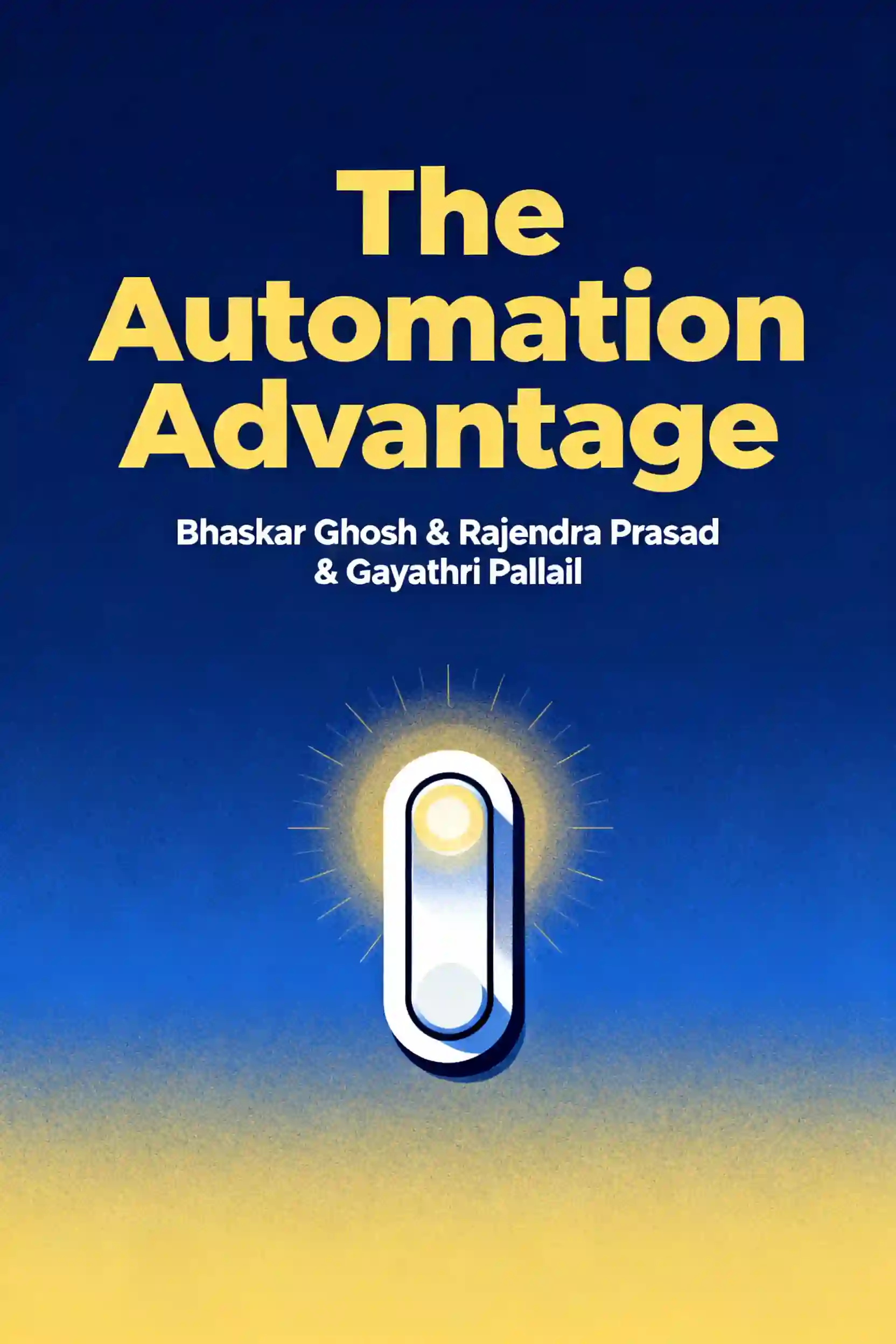
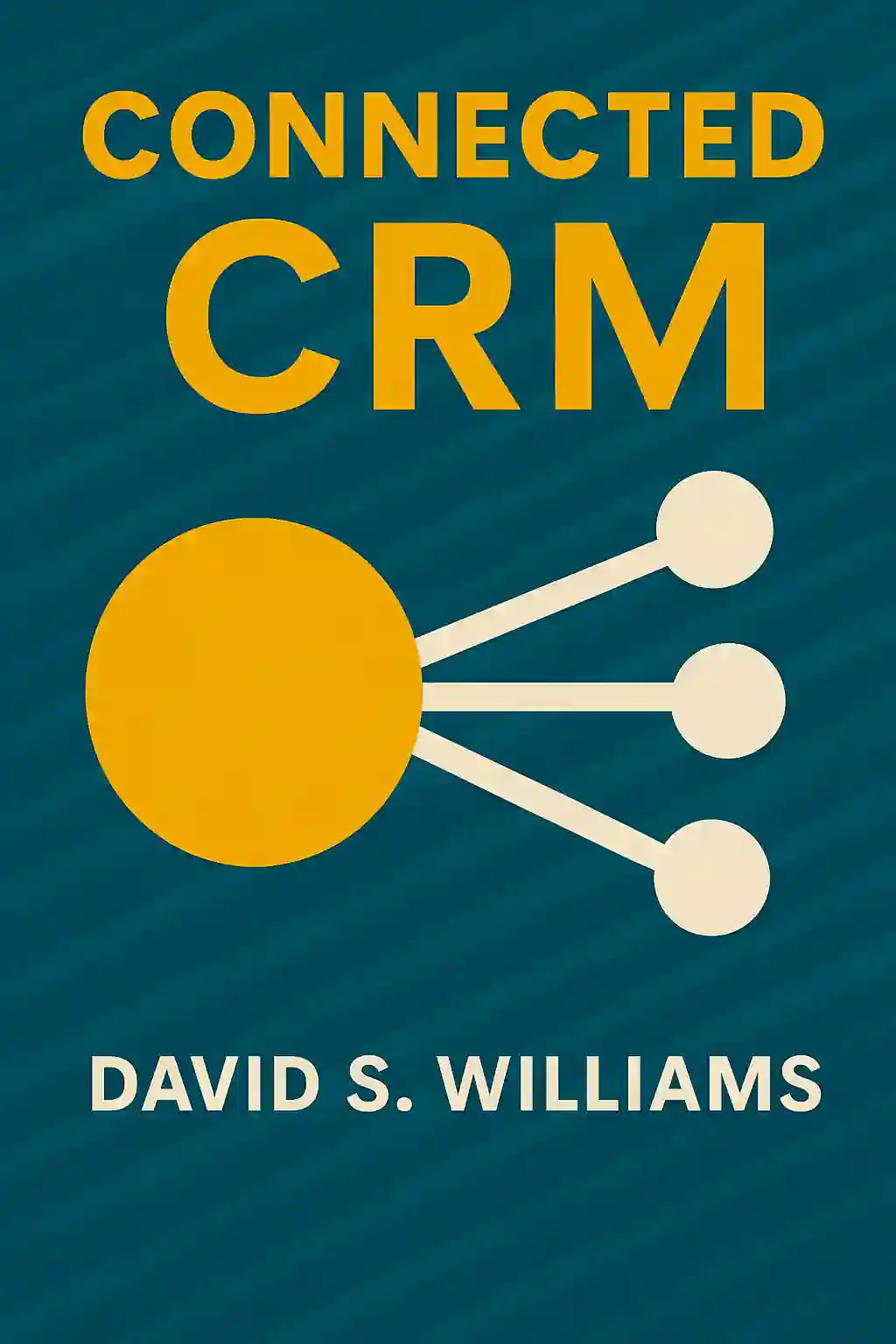
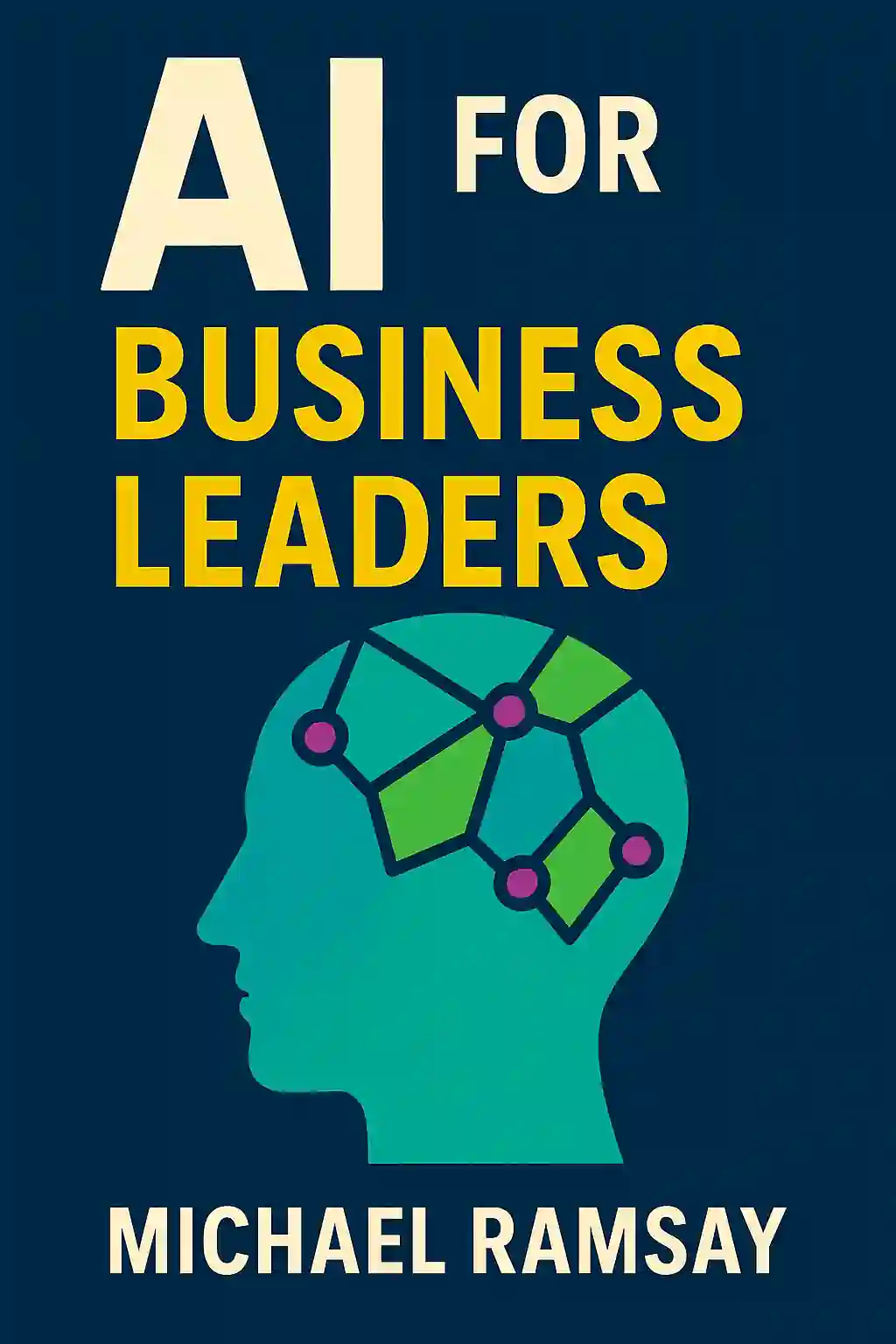
Domande frequenti
AI-powered customer experience platforms improve loyalty by utilizing data to create tailored and engaging experiences for every user. By automating personalized engagement, these platforms help brands build stronger, more meaningful relationships with their audience. This consistent relevance ensures that customers feel valued, which directly drives long-term retention and reduces churn for power users looking to scale their relationship-building efforts effectively.
AI plays a critical role in customer relationship building by providing the tools necessary to deliver personalized engagement at scale. These CX platforms empower power users to move beyond generic interactions, offering sophisticated insights that lead to more meaningful connections. By focusing on tailored customer experiences, AI ensures that every touchpoint is optimized to foster trust and strengthen the bond between the brand and its customers.
Tailored customer experiences are essential for retention because they address the specific needs and preferences of individual users. When a platform uses AI to deliver personalized content and solutions, it creates a more engaging environment that encourages repeat interaction. By focusing on these high-quality, relevant experiences, businesses can significantly increase customer satisfaction, making it much more likely that users will remain loyal to the brand over time.
Creato da alumni della Columbia University a San Francisco
"Instead of endless scrolling, I just hit play on BeFreed. It saves me so much time."


"I never knew where to start with nonfiction—BeFreed’s book lists turned into podcasts gave me a clear path."


"Perfect balance between learning and entertainment. Finished ‘Thinking, Fast and Slow’ on my commute this week."
"Crazy how much I learned while walking the dog. BeFreed = small habits → big gains."
"Reading used to feel like a chore. Now it’s just part of my lifestyle."

"Feels effortless compared to reading. I’ve finished 6 books this month already."
"BeFreed turned my guilty doomscrolling into something that feels productive and inspiring."

"BeFreed turned my commute into learning time. 20-min podcasts are perfect for finishing books I never had time for."
"BeFreed replaced my podcast queue. Imagine Spotify for books — that’s it. 🙌"

"It is great for me to learn something from the book without reading it."
"The themed book list podcasts help me connect ideas across authors—like a guided audio journey."
"Makes me feel smarter every time before going to work"
Creato da alumni della Columbia University a San Francisco
"Instead of endless scrolling, I just hit play on BeFreed. It saves me so much time."
"I never knew where to start with nonfiction—BeFreed’s book lists turned into podcasts gave me a clear path."
"Perfect balance between learning and entertainment. Finished ‘Thinking, Fast and Slow’ on my commute this week."
"Crazy how much I learned while walking the dog. BeFreed = small habits → big gains."
"Reading used to feel like a chore. Now it’s just part of my lifestyle."
"Feels effortless compared to reading. I’ve finished 6 books this month already."
"BeFreed turned my guilty doomscrolling into something that feels productive and inspiring."
"BeFreed turned my commute into learning time. 20-min podcasts are perfect for finishing books I never had time for."
"BeFreed replaced my podcast queue. Imagine Spotify for books — that’s it. 🙌"
"It is great for me to learn something from the book without reading it."
"The themed book list podcasts help me connect ideas across authors—like a guided audio journey."
"Makes me feel smarter every time before going to work"
"Instead of endless scrolling, I just hit play on BeFreed. It saves me so much time."
"I never knew where to start with nonfiction—BeFreed’s book lists turned into podcasts gave me a clear path."
"Perfect balance between learning and entertainment. Finished ‘Thinking, Fast and Slow’ on my commute this week."
"Crazy how much I learned while walking the dog. BeFreed = small habits → big gains."
"Reading used to feel like a chore. Now it’s just part of my lifestyle."
"Feels effortless compared to reading. I’ve finished 6 books this month already."
"BeFreed turned my guilty doomscrolling into something that feels productive and inspiring."
"BeFreed turned my commute into learning time. 20-min podcasts are perfect for finishing books I never had time for."
"BeFreed replaced my podcast queue. Imagine Spotify for books — that’s it. 🙌"
"It is great for me to learn something from the book without reading it."
"The themed book list podcasts help me connect ideas across authors—like a guided audio journey."
"Makes me feel smarter every time before going to work"
"Instead of endless scrolling, I just hit play on BeFreed. It saves me so much time."
"I never knew where to start with nonfiction—BeFreed’s book lists turned into podcasts gave me a clear path."
"Perfect balance between learning and entertainment. Finished ‘Thinking, Fast and Slow’ on my commute this week."
"Crazy how much I learned while walking the dog. BeFreed = small habits → big gains."
"Reading used to feel like a chore. Now it’s just part of my lifestyle."
"Feels effortless compared to reading. I’ve finished 6 books this month already."
"BeFreed turned my guilty doomscrolling into something that feels productive and inspiring."
"BeFreed turned my commute into learning time. 20-min podcasts are perfect for finishing books I never had time for."
"BeFreed replaced my podcast queue. Imagine Spotify for books — that’s it. 🙌"
"It is great for me to learn something from the book without reading it."
"The themed book list podcasts help me connect ideas across authors—like a guided audio journey."
"Makes me feel smarter every time before going to work"




![[6b03fb56-119d-43d9-8b4e-831cbdfcf20d:c0000] [Applause] Today we're lucky to have with us on No Prior … p1-1](/_next/image?url=https%3A%2F%2Fd1y2du6z1jfm9e.cloudfront.net%2Fassets%2Fpodcast%2Fyellow.png&w=1024&q=50)