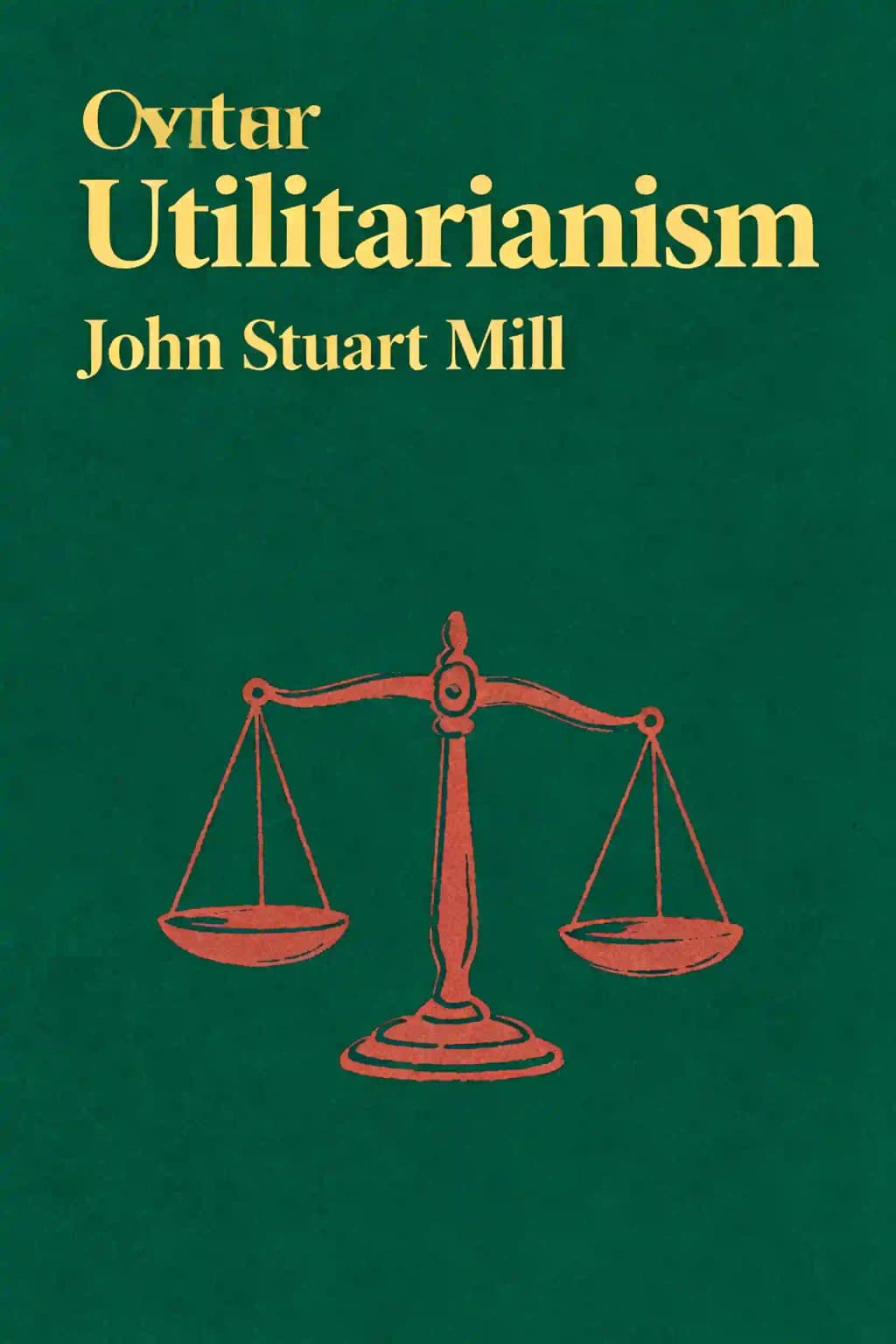
Mill's "Utilitarianism" revolutionized ethics with its "greatest happiness principle" - a cornerstone in philosophy classrooms worldwide. Despite fierce initial criticism, this 1861 work continues shaping policy debates, challenging readers with a provocative question: Can morality truly be measured by happiness alone?
Senti il libro attraverso la voce dell'autore
Trasforma la conoscenza in spunti coinvolgenti e ricchi di esempi
Cattura le idee chiave in un lampo per un apprendimento veloce
Goditi il libro in modo divertente e coinvolgente
What if every decision you made-from choosing a career to casting a vote-could be guided by a single, elegant principle? In 1863, philosopher John Stuart Mill proposed exactly that: a moral framework so compelling it would reshape ethics, politics, and social reform for generations to come. His slim volume "Utilitarianism" tackled an ancient question-what makes actions right or wrong?-with startling clarity. The answer? Actions are right when they maximize happiness for the greatest number of people. This wasn't mere philosophical speculation. Mill's ideas would influence everything from modern healthcare systems to animal rights movements, from effective altruism to policy debates on climate change. What makes this 150-year-old text feel urgently contemporary is its practical wisdom: it offers a moral compass for an age drowning in ethical complexity. For over two millennia, philosophers have wrestled with ethics' foundations without reaching consensus. Unlike mathematics or physics, which advance despite uncertainty about first principles, moral philosophy seems paralyzed by disagreement. Competing schools-virtue ethics, divine command theory, deontology-offer conflicting answers to basic questions about right and wrong. Yet Mill noticed something curious: despite theoretical disagreement, remarkable consistency exists in moral beliefs across cultures and eras. Why? Because utility-the consideration of actions' effects on happiness-tacitly influences moral reasoning, even among those who explicitly reject it. When we condemn theft or deception, we're implicitly considering their negative impact on human welfare.
Scomponi le idee chiave di Utilitarianism in punti facili da capire per comprendere come i team innovativi creano, collaborano e crescono.
Distilla Utilitarianism in rapidi promemoria che evidenziano i principi chiave di franchezza, lavoro di squadra e resilienza creativa.

Vivi Utilitarianism attraverso narrazioni vivide che trasformano le lezioni di innovazione in momenti che ricorderai e applicherai.
Chiedi qualsiasi cosa, scegli la voce e co-crea spunti che risuonino davvero con te.

Creato da alumni della Columbia University a San Francisco
"Instead of endless scrolling, I just hit play on BeFreed. It saves me so much time."
"I never knew where to start with nonfiction—BeFreed’s book lists turned into podcasts gave me a clear path."
"Perfect balance between learning and entertainment. Finished ‘Thinking, Fast and Slow’ on my commute this week."
"Crazy how much I learned while walking the dog. BeFreed = small habits → big gains."
"Reading used to feel like a chore. Now it’s just part of my lifestyle."
"Feels effortless compared to reading. I’ve finished 6 books this month already."
"BeFreed turned my guilty doomscrolling into something that feels productive and inspiring."
"BeFreed turned my commute into learning time. 20-min podcasts are perfect for finishing books I never had time for."
"BeFreed replaced my podcast queue. Imagine Spotify for books — that’s it. 🙌"
"It is great for me to learn something from the book without reading it."
"The themed book list podcasts help me connect ideas across authors—like a guided audio journey."
"Makes me feel smarter every time before going to work"
Creato da alumni della Columbia University a San Francisco

Ottieni il riassunto di Utilitarianism in formato PDF o EPUB gratuito. Stampalo o leggilo offline quando vuoi.