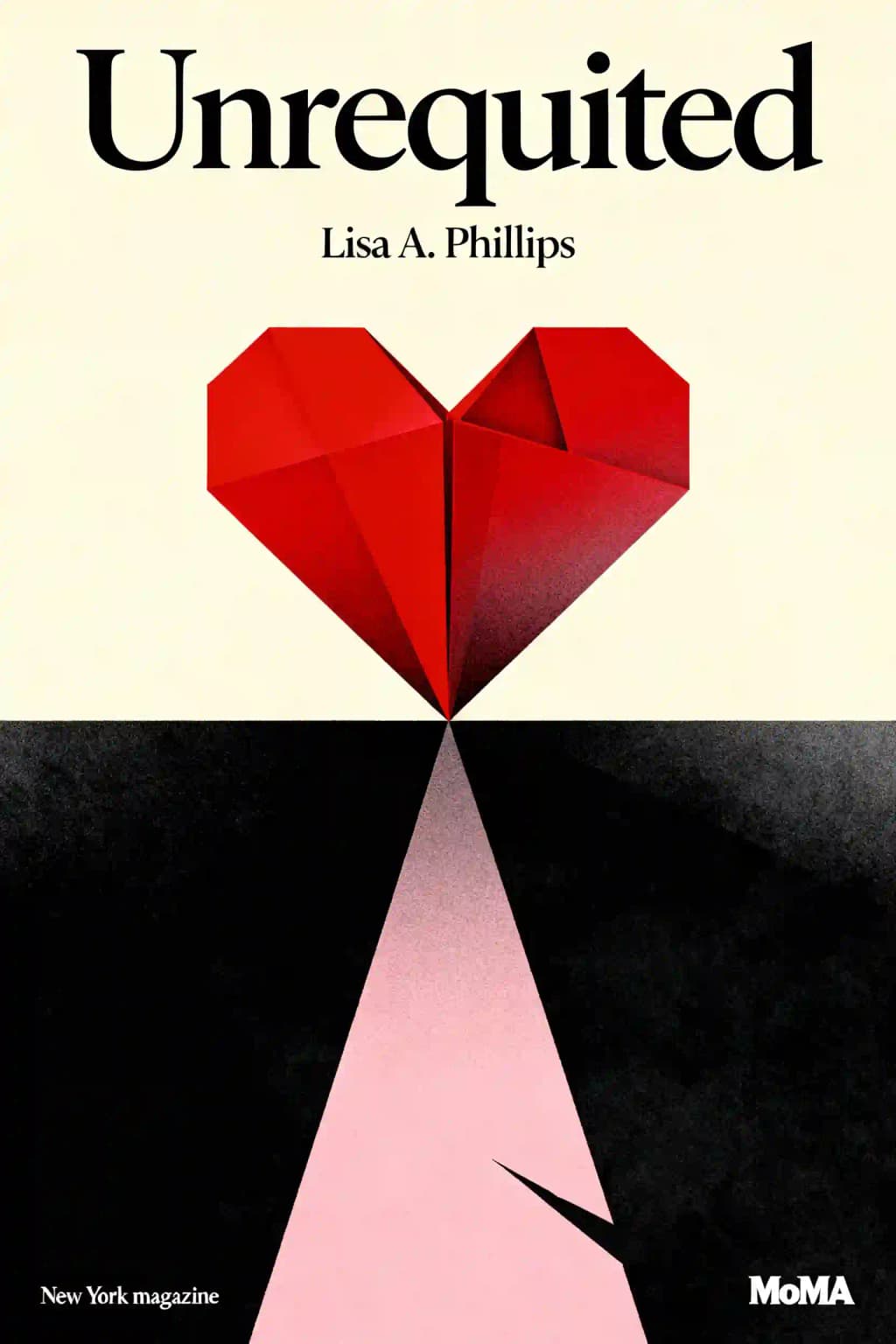
Unrequited
Women and Romantic Obsession
Panoramica di Unrequited
Unrequited love drives women to obsession - Lisa Phillips courageously explores this taboo through personal stories and cultural analysis. Featured in Psychology Today and NPR, this book validates the silent suffering millions experience. What dangerous line separates devotion from destruction?
Temi chiave in Unrequited
- romantic obsession
- female desire
- unreturned affection
- gendered double standards
- stalking behavior
Citazioni da Unrequited
Wanting, not having, generates the most powerful emotions.
Rejecters often indulge their admirers.
Personaggi di Unrequited
- Lisa A. PhillipsAuthor and narrator who shares her own obsession
- B.The man who was the object of the author's pursuit
- KatherineA woman whose cycles of love reveal emotional truth
- Taylor SwiftMusician cited for exploring rejection's potential
- Lady GagaArtist who credits rejection with making her a fighter
Sull'autore
Sull'autore di Unrequited
Lisa A. Phillips, author of Unrequited: Women and Romantic Obsession, is an award-winning journalist and professor renowned for her expertise in relationships, mental health, and the psychology of love.
A former public radio reporter and four-time Edward R. Murrow Award winner, Phillips blends rigorous research with empathetic storytelling to explore themes of longing and emotional resilience. Her work has been featured in The New York Times, The Washington Post, and Psychology Today, and she regularly contributes insights on NPR and media outlets like Oprah Daily.
Phillips teaches journalism and a popular “Love and Heartbreak” seminar at SUNY New Paltz, where her interdisciplinary approach bridges academic research and real-world emotional challenges. She is also the author of Public Radio: Behind the Voices and the forthcoming guide First Love: Guiding Teens Through Relationships and Heartbreak.
Unrequited has been praised for its groundbreaking analysis of romantic obsession, drawing from Phillips’ decades of journalistic inquiry and her nuanced understanding of human behavior.
Scarica il riassunto di Unrequited
Ottieni il riassunto di Unrequited in formato PDF o EPUB gratuito. Stampalo o leggilo offline quando vuoi.
FAQ su questo libro
Unrequited examines one-sided romantic obsession through psychological, cultural, and historical lenses, blending memoir, case studies, and research. Lisa A. Phillips critiques societal perceptions of women’s obsessive love, exploring its roots in brain chemistry, gendered double standards, and literary tropes while offering insights into healing.
This book suits readers interested in psychology, gender studies, or relationship dynamics, as well as individuals navigating unrequited feelings. Mental health professionals and educators will find its analysis of obsession’s societal implications valuable for discussions on gender norms and emotional health.
Yes, for its thorough exploration of romantic obsession’s complexities. While some critics note its broad scope limits depth, it remains a compelling resource for understanding obsession’s psychological mechanisms and cultural context, particularly regarding women’s experiences.
- Societal double standards: How women’s romantic pursuit is pathologized vs. men’s.
- Brain science: The role of dopamine and reward systems in obsession.
- Literary parallels: From Twelfth Night to modern media, framing obsession as tragic or transformative.
- Healing pathways: Strategies to reframe obsession into personal growth.
Phillips interweaves interviews with women and their obsessions, revealing patterns like idealization, rejection trauma, and boundary-crossing. These narratives humanize the science, illustrating how societal pressures amplify emotional turmoil.
Some reviewers argue the book’s wide-ranging approach—covering history, literature, psychology, and self-help—results in surface-level analysis rather than deep dives. However, this breadth makes it accessible to general readers.
Phillips highlights societal biases: women’s obsession is often dismissed as “craziness,” while men’s similar behavior is normalized. She ties this to historic stereotypes (e.g., “hysterical” women) and modern media tropes.
The book suggests reframing obsession into self-reflection, setting boundaries, and seeking therapy. Phillips emphasizes acknowledging pain without letting it define self-worth, advocating for emotional resilience over fixation.
Unlike clinical guides, Unrequited blends memoir, cultural critique, and science, focusing specifically on women’s experiences. It complements works like Attached but stands out for its gendered analysis.
- “Romantic obsession is a mirror, reflecting what we fear we lack.”
- “Society forgives a man’s persistence but condemns a woman’s as desperation.”
These lines underscore the book’s exploration of identity and societal judgment.
As a journalist and educator, Phillips combines rigorous research with narrative storytelling. Her public radio experience shines in the book’s interview-driven structure, adding authenticity to case studies.
In an era of social media and dating apps, the book’s insights into digital-age obsession (e.g., cyberstalking, idealized online personas) remain timely. It also addresses evolving conversations about consent and emotional health.