Capitolo 1
Embrace Your Chaos, Just Be Genius-er
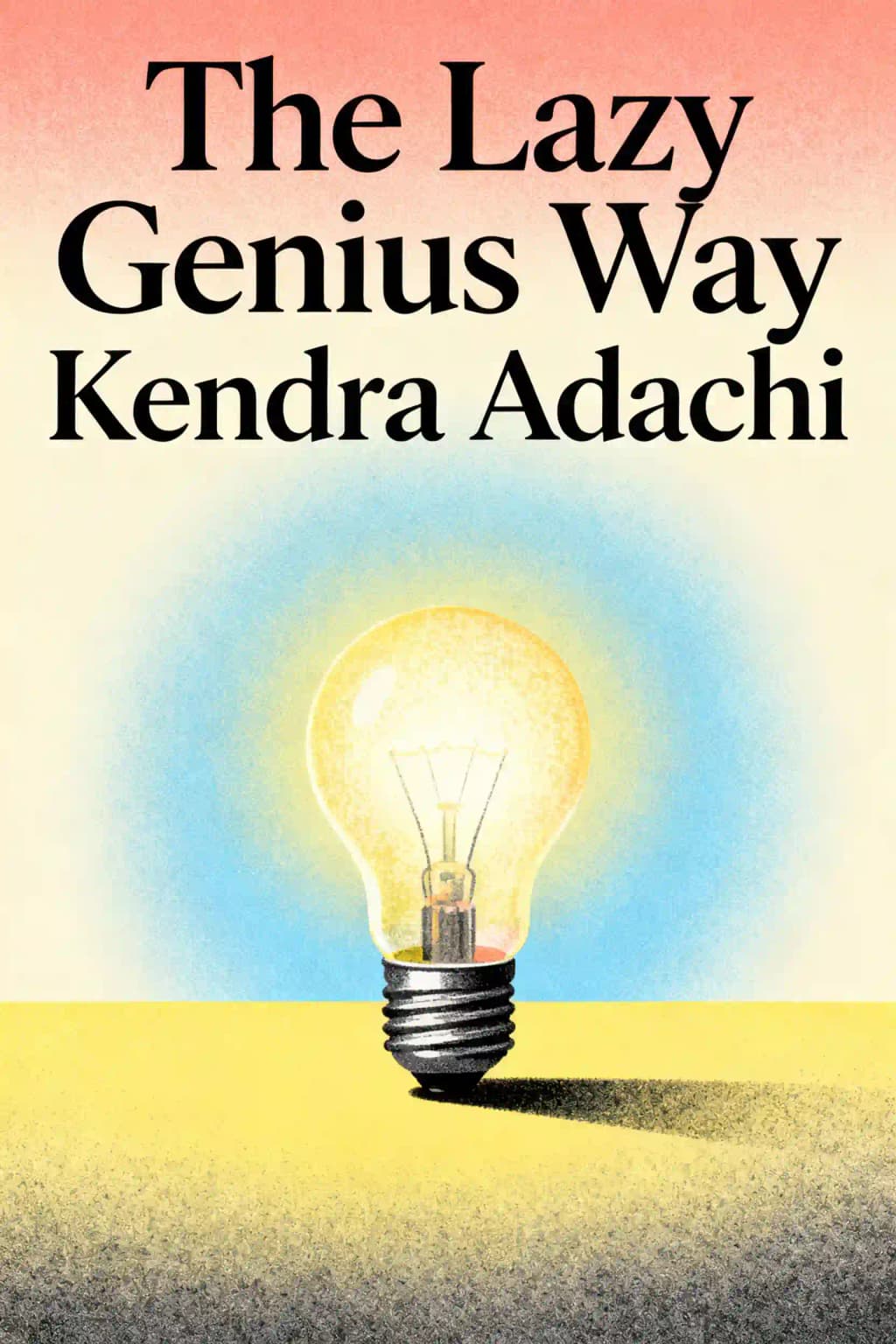
Ever found yourself drowning in productivity hacks while your kitchen's still a disaster? Kendra Adachi gets it. After years of failing at being that Instagram-perfect supermom, she created a system that's helped over 200,000 women stop trying to do it all. "The Lazy Genius Way" isn't about doing more - it's about doing what matters.
What began as a modest podcast now fuels a movement with millions of downloads, where Adachi's revolutionary 13 principles show you how to be a genius about what matters and lazy about what doesn't. No more guilt-spiraling when you can't maintain impossible standards!
The beauty here isn't just organization advice - it's permission to abandon someone else's version of perfect. Whether you're drowning in laundry or wondering why meal planning always fails you, Adachi delivers customizable solutions rather than rigid rules.
This isn't just another self-help book. It's the anti-perfectionist manifesto that finally answers the question: What if getting your life together meant embracing your beautiful mess?
Capitolo 2
The Trap of Trying Too Hard
We've all been there-standing in a kitchen at 6 AM, attempting to make stuffed French toast for a church breakfast, desperately wanting to impress others with our culinary prowess. That was Kendra Adachi, covered in egg mixture, watching her ambitious breakfast plans crumble before her eyes. Why do we push ourselves to these breaking points? Often, it stems from a deep-seated belief that our worth is tied to our performance.
For many of us, this pattern begins in childhood. Perhaps we learned that safety came from perfection-from being the "good" child who excelled at everything. This conditioning follows us into adulthood, where we spread ourselves thin trying to be exceptional in every domain of life. We exhaust ourselves maintaining picture-perfect homes, advancing in demanding careers, nurturing relationships, staying fit, and keeping up with cultural trends-all while making it look effortless.
The problem isn't ambition itself but the misguided belief that excellence must be universal. When we try to be outstanding at everything, we become mediocre at most things and exceptional at nothing. We sacrifice depth for breadth, authenticity for appearance. The constant striving leaves little room for genuine connection, growth, or joy. It's a hamster wheel of perfectionism that keeps us running but never arriving.
What if, instead, we directed our energy selectively? What if we allowed ourselves to care deeply about some things and let others slide? This isn't about lowering standards-it's about strategic allocation of our finite resources. By recognizing where excellence truly matters to us personally, we can stop the exhausting performance and start living with intention.
Capitolo 3
The Danger of Not Trying Hard Enough
The pendulum can swing too far in the opposite direction as well. When overwhelmed by the pressure to excel at everything, some of us retreat into apathy. We convince ourselves that nothing is worth the effort, that caring too much only leads to disappointment. This defensive posture might feel safe, but it's equally problematic.
Disengagement robs us of the satisfaction that comes from meaningful effort. There's genuine fulfillment in caring deeply about something-whether it's nurturing a garden, mastering a craft, or building a relationship. When we adopt a stance of not caring about anything, we miss out on the rich experiences that make life worth living.
The Lazy Genius Way proposes a middle path: selective caring. This approach acknowledges that some things genuinely matter to us individually, while others don't need our focused attention. It's about honoring your unique wiring and preferences rather than conforming to external expectations.
Perhaps you genuinely love cooking elaborate meals but couldn't care less about seasonal decor. Maybe you're passionate about your career but comfortable with a less-than-pristine car interior. These aren't failings-they're authentic expressions of what matters to you. By embracing this selective approach, you free yourself from both the tyranny of perfectionism and the emptiness of disengagement.
The key is discernment. Ask yourself: "Does this matter to me, or am I doing it because I think I should?" This simple question can be revolutionary, cutting through layers of social conditioning to reveal what truly deserves your energy and attention.
Capitolo 4
Embracing Both Struggle and Success
Our culture often glorifies struggle as the marker of authenticity. We've created a strange hierarchy where the person with the most overwhelming to-do list or the most chaotic morning routine somehow wins the "realness" competition. Social media has amplified this tendency, with "messy reality" posts becoming their own carefully curated aesthetic.
But what if both order and chaos are equally real? What if both struggle and success are authentic parts of the human experience? The Lazy Genius Way challenges the notion that only hardship defines authenticity.
When we share only our struggles, we perpetuate the myth that life must be difficult to be genuine. This creates a distorted view where success becomes something to hide or apologize for, lest we appear inauthentic or privileged. But denying our successes is as dishonest as hiding our struggles.
True authenticity embraces the full spectrum of human experience-the messy mornings and the smooth-running systems, the failures and the victories. There's no shame in having aspects of life that function well, just as there's no shame in areas where we struggle.
By rejecting the false dichotomy between struggle and success, we open ourselves to a more nuanced understanding of authenticity. We can celebrate our well-ordered pantry without feeling like an impostor, and we can admit when we're overwhelmed without feeling like a failure. This balanced perspective allows us to be honest about both our capabilities and our limitations.
Capitolo 5
The Genius of Selective Effort
The heart of the Lazy Genius philosophy is simple yet profound: be a genius about the things that matter and lazy about the things that don't. This isn't about finding universal shortcuts or one-size-fits-all efficiency hacks. It's about aligning your efforts with your personal values and priorities.
Being a "genius" in this context doesn't mean having extraordinary talent or intelligence. It means bringing intentional focus, creativity, and care to the areas that matter most to you. Similarly, being "lazy" isn't about neglect or sloth-it's about consciously choosing not to invest unnecessary energy where it doesn't serve your core values.
This approach requires honest self-reflection. What truly matters to you? Not what should matter according to social media influencers, your mother-in-law, or even your past self-but what genuinely matters to the person you are today?
For one person, a meticulously organized home might be essential for mental well-being. For another, home might simply be a comfortable place to gather with loved ones, regardless of aesthetic perfection. Neither approach is inherently better-they simply reflect different priorities.
The beauty of this philosophy is its flexibility. Your priorities will shift with different seasons of life, and the Lazy Genius approach shifts with you. What matters during a career-building phase might differ from what matters when raising young children or caring for aging parents. By regularly reassessing what deserves your genius and what can receive your laziness, you remain responsive to your evolving needs and circumstances.
Capitolo 6
The Power of Deciding Once
Decision fatigue is a silent energy drain that affects us all. Every choice we make-from what to wear to what to cook to how to respond to an email-requires mental resources. When we exhaust these resources on repetitive or low-impact decisions, we have less capacity for the choices that truly matter.
The solution? Decide once. By making a single, thoughtful decision about recurring situations, we free our minds from the burden of constant deliberation. This principle can be applied to countless areas of life:
Consider the power of a Monday outfit-a pre-selected ensemble that eliminates morning wardrobe deliberation. Or a standard gift for teachers, children's friends, or relatives that removes the stress of last-minute shopping. These aren't rigid rules but helpful defaults that preserve mental energy for more important matters.
This principle extends beyond material decisions. You might decide once about your exercise routine (always Tuesday and Thursday mornings), your meal planning approach (tacos on Tuesdays, pasta on Wednesdays), or your cleaning schedule (bathrooms on Fridays, sheets on Sundays).
The beauty of deciding once isn't just efficiency-it's the peace of mind that comes from removing unnecessary deliberation. When you know that birthday gifts for your children's friends will always be a book and art supplies, you eliminate the mental load of evaluating options each time an invitation arrives.
Importantly, deciding once doesn't mean sacrificing spontaneity or flexibility. It simply means creating helpful defaults that serve as your baseline. You can always choose to deviate when inspiration or circumstances call for something different. The goal isn't rigid adherence to systems but freedom from unnecessary decision-making.
Capitolo 7
The Power of Small Steps
We live in a culture that celebrates dramatic transformations and overnight success stories. The reality of meaningful change, however, is far less cinematic. Real, lasting progress usually happens through small, consistent steps rather than grand gestures.
The "go big or go home" mentality often backfires. When we set ambitious goals without a realistic plan for implementation, we set ourselves up for failure. The perfectionist trap convinces us that anything less than a complete overhaul isn't worth attempting. So we wait for the perfect conditions-more time, more energy, more resources-to make our move. Meanwhile, life passes by.
Small steps offer an alternative approach. Like a stonecutter who hammers at a rock hundreds of times before it finally splits, consistent small actions eventually yield significant results. The key is persistence and patience.
Consider the example of developing a yoga practice. Rather than committing to hour-long sessions five days a week (which might be unsustainable for a beginner), starting with a single down dog pose daily builds the foundation for a lasting habit. This might seem ridiculously inadequate compared to your ultimate vision, but it's precisely this modest beginning that makes success possible.
Small steps matter even when pursuing goals aligned with your deepest values. In fact, they may matter more in these cases, as the stakes feel higher and the temptation to wait for perfect conditions grows stronger. By breaking meaningful aspirations into tiny, manageable actions, you make progress possible even within the constraints of a busy life.
Remember: reading ten minutes daily makes you a reader. Writing one paragraph makes you a writer. These small actions count not just as steps toward a goal but as legitimate expressions of the identity you're cultivating. By honoring these incremental efforts, you build both progress and confidence simultaneously.
Capitolo 8
The Magic Question for Proactive Living
One of the most transformative tools in the Lazy Genius arsenal is what Adachi calls "the Magic Question": What can I do now to make life easier later? This simple inquiry shifts your perspective from reactive to proactive, helping you anticipate needs before they become urgent problems.
Consider the chaos of after-school hours. Children return home hungry, tired, and often emotional. By asking the Magic Question in advance, you might prepare a snack platter before pickup, transforming the afternoon dynamic. This small act of preparation doesn't just satisfy hunger-it creates space for connection, eases transitions, and prevents meltdowns (from both children and adults).
The Magic Question can revolutionize countless areas of life:
For dinner preparation: What can I do now (filling a pot with water, chopping vegetables, defrosting protein) to make cooking easier later?
For laundry: What systems (divided hampers, mesh bags for socks, designated laundry days) can I implement now to prevent overwhelming piles later?
For returning from vacation: What preparations (cleaning the house before leaving, planning a simple meal for return, unpacking immediately) will ease the transition back to normal life?
The beauty of this approach is that it doesn't require massive time investments or elaborate systems. Small, strategic actions can yield disproportionate benefits when timed correctly. By addressing needs before they become urgent, you create a more peaceful rhythm in daily life.
This principle isn't about controlling every variable or eliminating all spontaneity. Rather, it's about identifying pressure points in your routine and applying targeted solutions before they become problems. The goal is to reduce the "Whac-A-Mole" feeling of constantly responding to emergencies, creating space for what truly matters.
Capitolo 9
Living in Your Season
Life moves through distinct seasons, each with its own challenges, joys, and demands. Resisting these natural rhythms only creates frustration and missed opportunities. The Lazy Genius approach encourages embracing your current season rather than fighting against it or wishing it away.
This principle applies both to literal seasons-spring's renewal, summer's abundance, fall's structure, winter's reflection-and to life seasons like new parenthood, career building, caregiving, or empty nesting. Each phase brings unique gifts and limitations that shape our experience.
Living in your season means acknowledging: "It won't always be this way, but it is this way now." This simple recognition creates space for both acceptance of current realities and hope for future change. It allows you to work with your circumstances rather than against them.
For instance, a parent of young children might recognize that elaborate, adult-centered dinner parties aren't compatible with their current season. Rather than abandoning hospitality altogether, they might embrace simpler gatherings that accommodate early bedtimes and picky eaters. The focus shifts from what isn't possible to what is.
Similarly, someone in a demanding career phase might acknowledge limitations on their personal time without abandoning self-care entirely. Perhaps lengthy daily workouts aren't feasible, but brief movement breaks throughout the day are. This adaptive approach honors both ambition and well-being.
When feeling overwhelmed by your current season, focus on "the next right thing"-a concept borrowed from author Emily P. Freeman. Rather than getting lost in the enormity of your circumstances, attend to the immediate step before you. This grounding practice connects you to the present moment and builds momentum through small actions.
By respecting the natural ebb and flow of life's seasons, you develop resilience and adaptability. You learn to extract the unique wisdom each phase offers while maintaining hope for what lies ahead. This balanced perspective fosters both contentment with the present and readiness for change.
Capitolo 10
Building the Right Routines
Routines often get a bad rap. We associate them with rigidity, boredom, or lack of spontaneity. Yet thoughtfully designed routines can actually create more freedom and joy by automating necessary tasks and creating space for what matters most.
The key is understanding that routines aren't the destination-they're the on-ramp. A morning routine isn't valuable in itself; it's valuable because it prepares you for a day lived with intention. A bedtime routine matters because it facilitates restful sleep and connection with loved ones. When we mistake routines for the end goal, we become slaves to process rather than beneficiaries of it.
Effective routines start small. Just as you wouldn't attempt to surf massive waves on your first day at the beach, you shouldn't try to implement elaborate systems all at once. Begin with a single foundational step that makes everything else easier. For a morning routine, this might be as simple as deciding what truly matters to you in those early hours-whether it's quiet reflection, physical movement, or connection with family.
Your routines should reflect your unique priorities rather than someone else's ideal. If the thought of journaling makes you cringe, don't force it into your morning just because it works for someone on Instagram. If meditation feels more stressful than calming, find another way to center yourself. The most sustainable routines align with your authentic preferences and values.
Remember that routines serve different purposes in different contexts. A work-starting routine might focus on concentration and creativity, while an evening routine might prioritize winding down and connecting with loved ones. Each deserves its own thoughtful design based on the outcomes you're seeking.
By building routines that genuinely support what matters to you, you create structure without rigidity. These flexible frameworks provide stability during chaotic times while remaining responsive to your evolving needs and circumstances.
Capitolo 11
Setting House Rules for Peace
House rules aren't about control or perfection-they're about preventing the first domino from falling and triggering a cascade of stress. By identifying the specific friction points that consistently disrupt your peace, you can implement targeted solutions that protect what matters most: connection with yourself and others.
These rules are deeply personal. What creates chaos in one household might be inconsequential in another. The goal isn't to adopt someone else's standards but to honestly assess what repeatedly causes distress in your unique context.
For instance, if school items scattered across the floor consistently trigger frustration and morning panic, a simple rule like "school stuff goes on the counter" can transform your daily experience. This isn't about imposing arbitrary order but about removing a specific obstacle to peace and connection.
Similarly, if a cluttered kitchen counter makes meal preparation stressful and unpleasant, the rule "the counter isn't storage" might significantly improve your relationship with cooking and feeding your family. The focus isn't on achieving a magazine-worthy kitchen but on creating a functional space that supports what matters to you.
House rules can address emotional patterns as well as physical spaces. If comparing yourself to others consistently undermines your confidence, a personal rule like "only buy clothes that feel good now" can protect your sense of self in vulnerable moments like getting dressed.
The most effective house rules are specific, simple, and directly connected to your core values. They're not comprehensive life philosophies but practical guardrails that prevent common disruptions. By implementing a few targeted rules in areas that consistently challenge your peace, you create space for more meaningful engagement with what truly matters.
Capitolo 12
The Freedom of Enough
In a culture obsessed with more-more productivity, more possessions, more achievements-embracing "enough" is a radical act. The Lazy Genius Way encourages a thoughtful examination of what constitutes enough in various areas of life, freeing you from the treadmill of endless acquisition and optimization.
This principle begins with physical spaces. Every home has finite capacity, and exceeding that capacity creates stress regardless of organizational skills. Rather than constantly seeking storage solutions for excess belongings, consider whether you might already have enough-or perhaps too much. By putting everything in its proper place and being mindful about new acquisitions, you create breathing room in your environment.
The concept extends beyond material possessions to activities, commitments, and even relationships. Having enough doesn't mean settling for less than you desire; it means recognizing the sufficiency of what serves your core values and releasing what doesn't.
Practical habits support this philosophy:
• Put things away promptly to prevent accumulation
• Consider where new items will live before bringing them home
• Regularly discard what no longer serves you
• Address small areas of clutter consistently rather than waiting for major purges
• Listen to what your stuff is telling you about your priorities and preferences
This approach isn't about minimalism for its own sake but about creating space-physical, mental, and emotional-for what truly matters to you. By releasing the excess, you gain clarity about what's essential and freedom from the burden of maintaining what isn't.
Capitolo 13
Conclusion: The Lazy Genius Life
Living as a Lazy Genius means consistently returning to a simple question: What matters to me? This ongoing inquiry guides how you allocate your limited resources of time, energy, and attention. It helps you distinguish between what deserves your focused effort and what can receive minimal investment.
This approach isn't about finding universal shortcuts or one-size-fits-all solutions. It's about developing personalized systems that honor your unique priorities and preferences. What works brilliantly for someone else might be completely wrong for you-and that's not just okay, it's the point.
The thirteen principles outlined in The Lazy Genius Way provide a flexible framework for navigating life's complexities with intention. From deciding once to scheduling rest, from batching tasks to essentializing possessions, these strategies help create space for what matters most while minimizing energy spent on what doesn't.
Perhaps most importantly, this philosophy embraces self-kindness as a fundamental practice. It recognizes that worth isn't tied to productivity or perfection but is inherent in being human. By treating yourself with the same compassion you'd offer a dear friend, you create the conditions for authentic living and genuine connection.
The Lazy Genius Way isn't about doing more or doing less-it's about doing what matters with intention and grace. It's about creating a life that reflects your deepest values rather than external expectations. And it's about finding peace in the present moment while remaining open to growth and change.
In a world that constantly demands more, choosing to be a Lazy Genius is a revolutionary act of self-definition. It's saying: I know what matters to me, and I'll direct my energy accordingly. Everything else can wait.