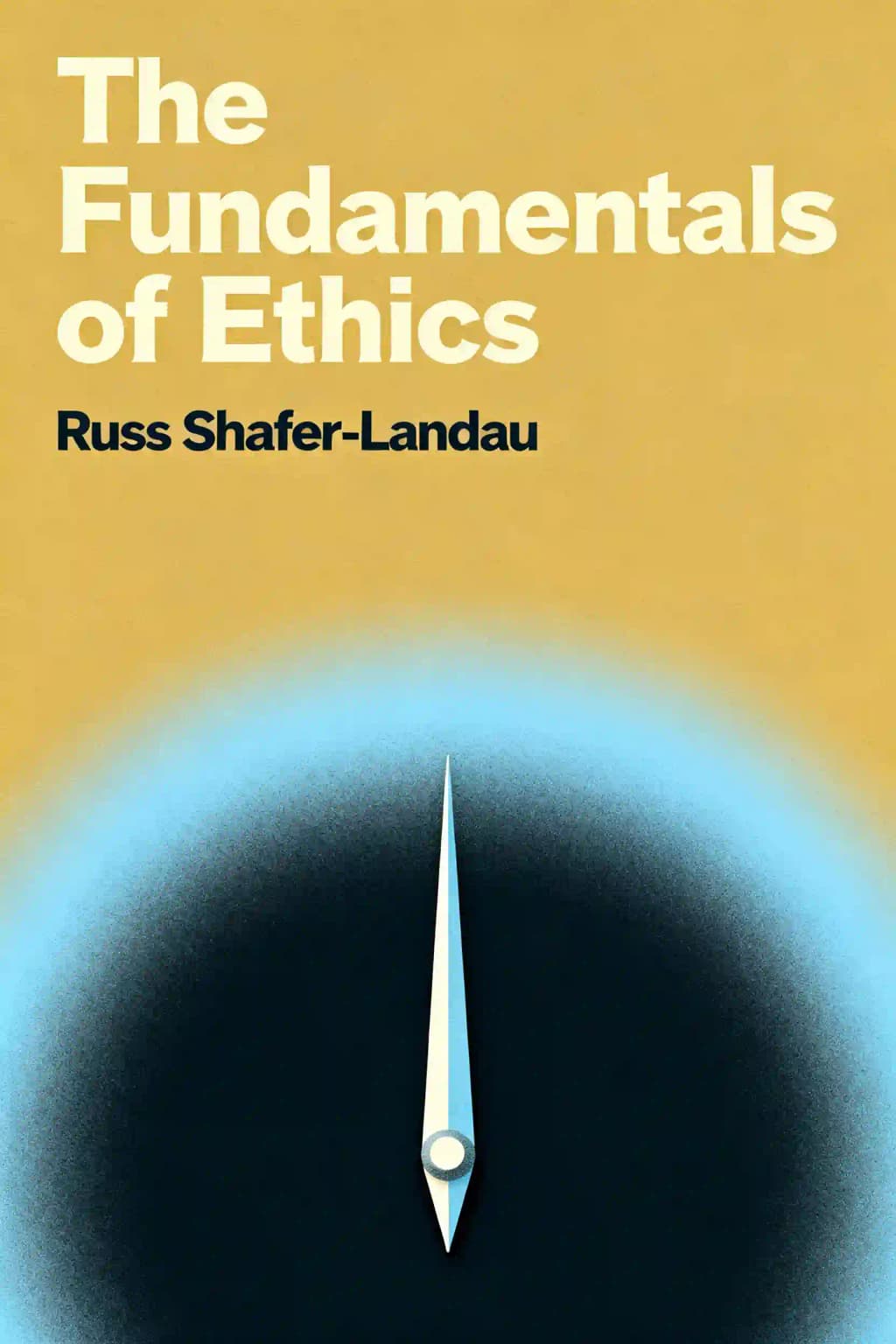
I fondamenti dell'etica
Panoramica di I fondamenti dell'etica
In "I fondamenti dell'etica" (Fundamentals of Ethics) dell'acclamato Shafer-Landau, le questioni più spinose della filosofia diventano sorprendentemente accessibili. Giunto alla sua sesta edizione, questo pilastro accademico affronta dilemmi morali che altri libri di testo evitano. Quali quadri etici plasmano le nostre decisioni più profonde? Scopri perché migliaia di studenti definiscono quest'opera come il proprio punto di svolta intellettuale.
Temi chiave in I fondamenti dell'etica
- normative ethical theory
- moral skepticism
- hedonism vs autonomy
- well-being and desire
- objective moral truth
Citazioni da I fondamenti dell'etica
Morality is, at the very least, the effort to guide one’s conduct by reason—that is, to do what there are the best reasons for doing—while giving equal weight to the interests of each individual affected by one’s decision.
If morality is objective, then its rules apply to everyone, even if people don’t believe that they do, even if people are indifferent to them, and even if obeying them fails to satisfy anyone’s desires.
The very idea of morality is that we can do better; that we can improve.
Moral skepticism is the view that there are no objective moral standards.
The crucial question is whether there are any moral standards that apply to everyone, regardless of what anyone happens to think of them.
Personaggi di I fondamenti dell'etica
- Russ Shafer-LandauAuthor and philosopher exploring ethical theories
- John Stuart MillPhilosopher who defended intellectual pleasures
- Robert NozickPhilosopher who created the experience machine
- John McEnroeTennis champion used as a case study for desire
Scarica il riassunto di I fondamenti dell'etica
Ottieni il riassunto di I fondamenti dell'etica in formato PDF o EPUB gratuito. Stampalo o leggilo offline quando vuoi.