Capitolo 1
The Science of Sleep: Transforming Your Life One Night at a Time
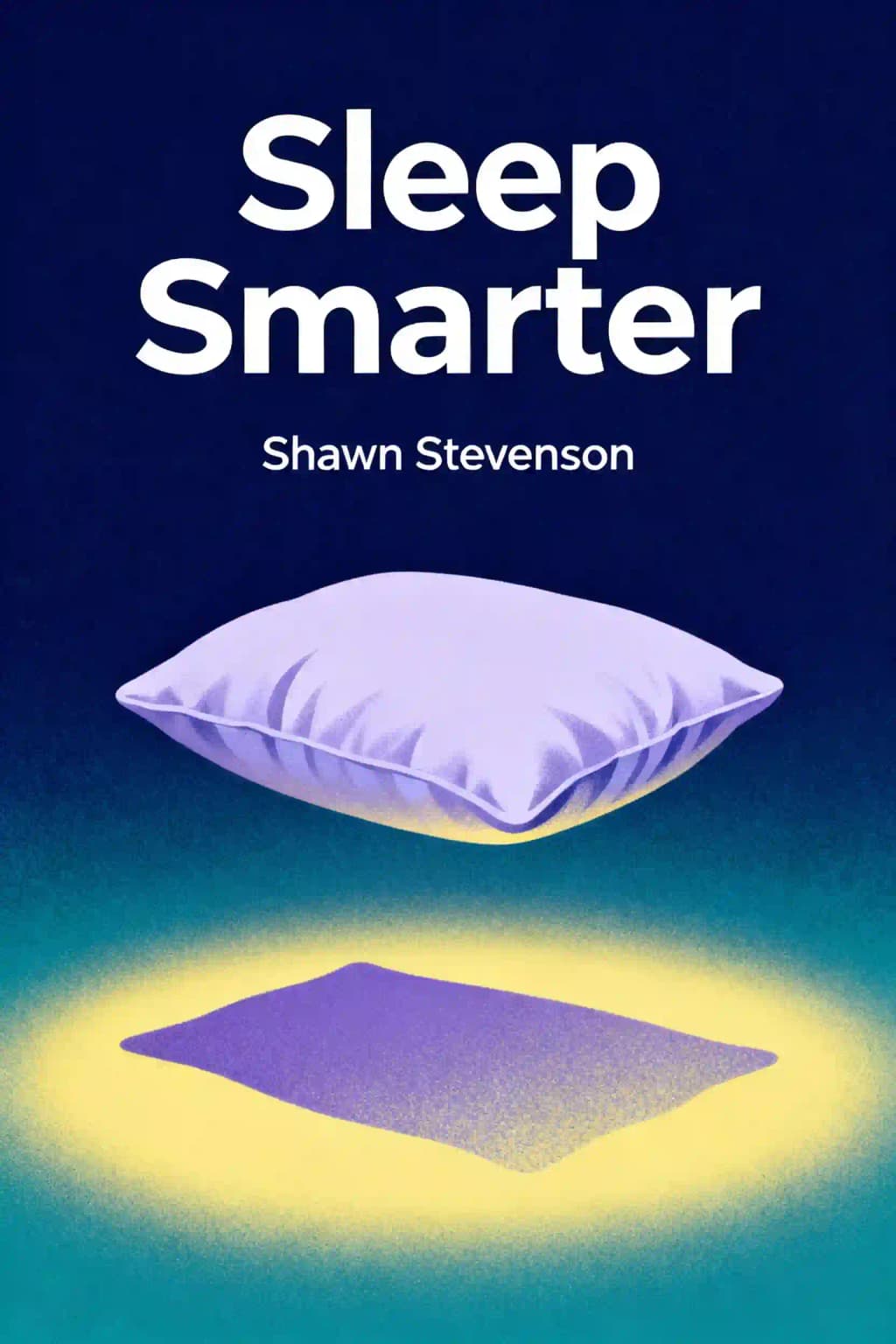
Ever wonder why some people seem to have boundless energy, mental clarity, and vibrant health while others struggle through each day in a fog? The secret might be simpler than you think. In his groundbreaking book "Sleep Smarter," Shawn Stevenson reveals that quality sleep is the foundation upon which all other aspects of health are built. This isn't just another self-help book-it's a manual for reclaiming your biological birthright to restorative rest. Since its publication, the book has gained a cult following among professional athletes, CEOs, and celebrities like Tim Ferriss who praise its practical, science-backed approach. What makes this book particularly powerful is how it challenges our hustle culture's glorification of sleep deprivation. As Arianna Huffington (who experienced her own sleep-deprivation wake-up call) puts it: "We are in the midst of a sleep deprivation crisis," and Stevenson's work offers a comprehensive solution that has transformed thousands of lives.
Capitolo 2
Sleep: The Ultimate Performance Enhancer
Sleep isn't merely a passive state of unconsciousness-it's an active process of restoration that affects every aspect of your physical and mental performance. Yet in our hyper-connected, always-on culture, sleep is often the first thing we sacrifice in pursuit of productivity. This widespread sleep deprivation has become so normalized that many wear their minimal sleep hours as a badge of honor, despite mounting evidence of its detrimental effects.
This mindset couldn't be more counterproductive. Research shows that after just 24 hours of sleep deprivation, glucose reaching your brain drops by six percent-essentially making you measurably less intelligent. But this reduction isn't distributed equally across your brain. Your prefrontal cortex-the region responsible for decision-making, social behavior, and complex cognitive functions-loses a staggering 12-14 percent of its glucose supply. This selective impairment explains why sleep-deprived individuals often maintain basic motor functions while experiencing significant decline in judgment and emotional regulation.
What does this mean in practical terms? When you're sleep-deprived, you're essentially being hijacked by a significantly dumber version of yourself. A landmark study published in The Lancet found that sleep-deprived individuals took 14 percent longer to complete tasks and made 20 percent more errors than their well-rested counterparts. In real-world scenarios, this translates to missed deadlines, compromised quality, and increased accident risk. For instance, driving after 18 hours without sleep is equivalent to having a blood alcohol content of .05%, and after 24 hours, it rises to .10%-legally drunk in most countries.
The consequences extend far beyond temporary cognitive impairment. Just one night of poor sleep can make you as insulin resistant as a type-2 diabetic, accelerating aging and increasing fat storage. Studies published in the Canadian Medical Association Journal demonstrated that sleep-deprived subjects (those getting less than six hours per night) consistently lost less weight than their well-rested counterparts, despite following identical diet and exercise programs. Furthermore, chronic sleep deprivation has been linked to increased risk of cardiovascular disease, weakened immune function, and elevated stress hormones that can trigger inflammation throughout the body.
Sleep isn't an obstacle to productivity-it's the foundation of it. Elite athletes understand this principle well; LeBron James and Roger Federer famously get 12 and 11-12 hours of sleep respectively during training periods. By structuring your time to prioritize sleep, you'll work faster and more effectively than if you zombie-walked through your tasks. This means establishing a consistent sleep schedule, creating a proper sleep environment (dark, cool, and quiet), and implementing a digital sunset routine where screens are avoided for at least an hour before bed. As Benjamin Franklin wisely noted, "By failing to prepare, you are preparing to fail." When it comes to sleep, this couldn't be more accurate.
The most successful professionals treat sleep as a strategic advantage rather than a luxury. Companies like Google and Nike have even introduced nap pods and relaxation rooms, acknowledging that well-rested employees are more creative, productive, and make better decisions. The evidence is clear: investing in quality sleep isn't just about feeling better-it's about performing better in every aspect of life.
Capitolo 3
Sunlight: Your Body's Natural Sleep Timer
Have you ever noticed how much better you sleep after spending a day at the beach or hiking in the mountains? This isn't coincidental-it's biological. Counterintuitively, getting more sunlight during the day is one of the most effective ways to improve your sleep at night.
Your body operates on a 24-hour circadian rhythm regulated by the suprachiasmatic nucleus, a cluster of cells in your hypothalamus that functions as your internal master clock. This biological timekeeper controls not just sleep but also hunger, thirst, body temperature, and hormone production. Morning sunlight exposure is the primary signal that resets this clock each day, triggering a cascade of hormonal processes that ultimately prepare your body for sleep 14-16 hours later.
The relationship between light exposure and sleep quality is so profound that a groundbreaking study of office workers revealed those without window access received 173% less natural white light and slept an average of 46 minutes less each night than colleagues with windows. These window-deprived workers also reported more physical ailments and lower overall vitality.
The timing of light exposure matters tremendously. Morning sunlight between 6:00 a.m. and 8:30 a.m. has the most powerful effect on regulating your sleep-wake cycle. During this period, the specific wavelengths of morning light trigger optimal production of serotonin (which later converts to melatonin) and cortisol (which, contrary to popular belief, is beneficial when released in the morning rather than evening).
Even on overcast days, beneficial light still penetrates clouds to positively influence your hormone function. If you're trapped in an office environment without natural light access, strategic breaks outdoors can make a significant difference. Just 10-15 minutes of morning sunlight exposure can reset your internal clock and improve that night's sleep quality.
For those in extreme situations where natural light is unavailable-such as during winter in far northern latitudes-specially designed light therapy boxes can help, though they're less effective than actual sunlight. Even 30 minutes outside on an overcast day provides more phototherapy benefit than the best artificial light source.
Capitolo 4
The Blue Light Problem: Why Screens Sabotage Sleep
While daytime light exposure benefits sleep, evening light-particularly from electronic devices-can devastate it. The artificial blue light emitted by smartphones, tablets, computers, and televisions is perhaps the most destructive force in modern sleep hygiene.
These devices emit blue spectrum light that mimics midday sunlight, triggering daytime hormones like cortisol while suppressing melatonin production. Research by Mariana Figueiro at Rensselaer Polytechnic Institute found that just two hours of iPad use at maximum brightness was enough to suppress normal nighttime melatonin release by about 22 percent. Over time, this chronic circadian disruption can contribute to serious health issues including cancer, diabetes, heart disease, and obesity.
The problem is that our bodies haven't evolved to handle these artificial light sources, which have only become widespread in the last few decades. For hundreds of thousands of years, the only evening light humans experienced came from fire, which contains very little blue light and doesn't significantly disrupt melatonin production.
The solution is surprisingly simple: establish a non-negotiable rule to turn off all screens at least 90 minutes before bedtime. This digital sunset gives your body the darkness signal it needs to initiate proper sleep hormone production. Instead of scrolling through social media or binge-watching shows, engage in alternative activities like reading physical books or having face-to-face conversations with loved ones.
When circumstances absolutely require evening screen use, employ blue light blocking technology. Applications like f.lux for computers automatically filter out blue wavelengths at scheduled times, and amber-tinted glasses can block approximately 90% of sleep-disrupting light. While these tools help mitigate damage, they don't eliminate it entirely-the best approach remains a complete digital disconnect before bed.
What's particularly interesting is how this technological intrusion into our evenings has coincided with widespread sleep problems. As our devices have become more pervasive, our collective sleep quality has declined. By establishing boundaries with technology, you reclaim not just better sleep but a more balanced relationship with the digital world.
Capitolo 5
Caffeine: The Double-Edged Sword
That afternoon coffee might be sabotaging your sleep more than you realize. Caffeine is a powerful nervous system stimulant that can disrupt sleep quality even when consumed many hours before bedtime. Research published in the Journal of Clinical Sleep Medicine found that caffeine consumed even six hours before bedtime caused significant sleep disruptions, with participants losing a full hour of sleep according to monitoring devices-yet remarkably, they didn't subjectively notice this reduction in their sleep journals.
This creates a vicious cycle: poor sleep from caffeine consumption makes you tired, leading to more caffeine consumption, which further worsens sleep problems. To understand why caffeine is so disruptive, we need to examine how it works in your brain.
Caffeine functions by mimicking adenosine, a neurotransmitter byproduct that naturally accumulates in your brain throughout the day. As adenosine builds up, it signals your body that it's time to rest. Because caffeine's molecular structure resembles adenosine, it can occupy adenosine receptor sites without activating them-essentially blocking the "I'm tired" signal while adenosine continues accumulating.
What many people don't realize is caffeine's surprisingly long half-life-5 to 8 hours for most people. This means that after 8 hours, approximately half of the caffeine from your afternoon pick-me-up is still actively blocking adenosine receptors. For perspective, a cup of coffee consumed at 3:00 p.m. will still have 25% of its caffeine active in your system at midnight.
Another complication is tolerance development. Regular caffeine consumers can develop tolerance in as little as 12 days, requiring increasing amounts to achieve the same alertness effect. This escalation further compounds sleep disruption while providing diminishing returns in terms of energy and focus.
To optimize both your caffeine use and sleep quality, establish a firm caffeine curfew-for most people, this means no caffeine after 2:00 p.m., though sensitive individuals may need an earlier cutoff. Additionally, consider strategic caffeine cycling to maintain sensitivity and maximize benefits. Effective approaches include using caffeine for two days followed by three days off, alternating two months on with one month off, or reserving caffeine only for occasions when you truly need enhanced performance.
By treating caffeine as a tactical tool rather than a daily necessity, you'll enjoy its benefits while preserving your sleep quality. Remember that caffeine isn't inherently problematic-it's the timing and quantity that determine whether it enhances or undermines your performance.
Capitolo 6
Temperature: The Overlooked Sleep Essential
When it comes to optimizing sleep, temperature might be the most underappreciated factor. Your body temperature naturally drops as part of the sleep initiation process, and research shows the ideal bedroom temperature for sleep is between 60-68 degrees Fahrenheit (15.5-20 degrees Celsius)-significantly cooler than most people keep their bedrooms.
This isn't just a matter of comfort. Studies have found that insomniacs typically have warmer core body temperatures before bed, creating physiological arousal that makes sleep difficult. Your hypothalamus-the same brain region that regulates your circadian rhythm-also functions as your internal thermostat, and both environmental temperature and your mental-emotional state affect its ability to properly cool your body for sleep.
Even in a perfectly cool room, high stress levels can prevent proper temperature regulation. This explains why you might find yourself kicking off covers during periods of anxiety or worry-your internal thermostat is being overridden by stress hormones.
To leverage temperature for better sleep, maintain your bedroom at around 68 degrees Fahrenheit. While this might seem cool to some people, this temperature optimizes the natural drop in core body temperature that signals your brain it's time for deep sleep. You can still use covers and pajamas for comfort, but avoid excessive layers that might trap too much heat.
A particularly effective technique for improving sleep onset is taking a warm bath 90-120 minutes before bedtime. The initial increase in core temperature from the bath creates a more pronounced subsequent drop as your body cools down, helping trigger sleep initiation. This technique works especially well for helping children fall asleep and stay asleep through the night.
Interestingly, while a cooler room temperature is ideal, cold extremities can actually hinder sleep. If your hands and feet tend to get cold, wearing socks to bed can help balance your body temperature by improving circulation to your extremities. This seemingly contradictory advice-cool room but warm extremities-reflects the complexity of thermoregulation during sleep.
By making these temperature adjustments, you're working with your body's natural physiology rather than against it. Just as our ancestors slept in cooler environments as night temperatures dropped, your body is programmed to associate temperature reduction with sleep onset. In our climate-controlled modern environments, we need to consciously recreate these conditions for optimal sleep quality.
Capitolo 7
Timing: Aligning Sleep with Your Biological Clock
When you sleep matters almost as much as how much you sleep. The hours between 10 p.m. and 2 a.m. provide the most beneficial hormonal secretions and recovery-what Stevenson calls "Money Time." This isn't arbitrary; humans are part of nature's rhythm, designed to sleep when darkness falls.
Modern lighting has allowed us to ignore these natural cues, but our biology hasn't changed. By aligning your sleep with natural hormonal rhythms, you maximize benefits from melatonin, human growth hormone, and other rejuvenating compounds. You might get eight hours of sleep from 1 a.m. to 9 a.m., but you'll miss the prime hormonal window, potentially waking fatigued despite adequate sleep duration.
Around 10 p.m., your body increases internal metabolic energy for repair and rejuvenation, with heightened production of antioxidant hormones to protect DNA and improve brain function. If you're awake during this phase, you experience this energy surge as a "second wind"-feeling suddenly alert despite earlier fatigue. By staying up and using this energy for activities like social media or streaming shows, you're diverting resources meant for internal repair.
Rather than obsessing about hitting exactly 10 p.m. bedtime across different time zones and seasons, aim to get to bed within a few hours of darkness falling-typically between 9-11 p.m. for most people throughout the year. This gives you a hormonal advantage. Follow nature's cues by sleeping more and earlier during winter months, while allowing yourself to stay up slightly later during summer's longer daylight hours.
To reset your sleep cycle, get sunlight exposure as soon as possible after waking. This natural light exposure boosts cortisol levels and fully activates your system. With consistent good sleep hygiene, your body will naturally find its optimal sleep rhythm.
Another timing consideration is aligning your wake time with your 90-minute sleep cycles to avoid mid-cycle interruptions that cause grogginess. For example, if you fall asleep at 10 p.m., set your alarm for either 5:30 a.m. (after five complete cycles) or 7:00 a.m. (after six cycles) rather than 6:00 a.m., which would interrupt a cycle. When sleep-deprived, aim for at least four complete cycles (six hours) for optimal functioning.
By respecting these natural rhythms, you're not just getting more sleep-you're getting more effective sleep. The quality of your rest improves dramatically when it aligns with your body's innate biological programming.
Capitolo 8
Magnesium: The Sleep Mineral Most People Miss
Magnesium might be the most important mineral you're not paying attention to. This powerful anti-stress mineral balances blood sugar, optimizes circulation, relaxes tense muscles, reduces pain, and calms the nervous system. Due to its many functions, it depletes quickly from our bodies, especially during periods of stress.
Magnesium deficiency affects approximately 80 percent of Americans-possibly more-making it likely the most common mineral deficiency today. Studies show deficient individuals are twice as likely to die prematurely. Since magnesium is responsible for over 300 enzyme reactions and chronic insomnia is a central symptom of deficiency, increasing your levels can rapidly improve sleep quality.
While supplementation is one approach to increasing magnesium levels, oral supplements often cause digestive issues as much is lost during digestion. Topical application through the skin (transdermal magnesium) offers a more effective alternative. High-quality transdermal magnesium from supercritical extracts is 100 percent bioavailable compared to bath flakes and standard oils at only 20 percent absorbable.
For optimal results, keep a high-quality magnesium oil spray by your bedside and apply it right before bed. Focus on sore areas, the center of your chest (aligned with your heart, one of the most magnesium-dependent organs), and around your neck and shoulders where stress accumulates. Use four to six sprays per area and massage it in thoroughly.
Additionally, incorporate magnesium-rich foods in your diet. Research from the Human Nutrition Research Center found that diets high in magnesium and low in aluminum were associated with deeper, uninterrupted sleep. Green leafy vegetables, pumpkin and sesame seeds, and superfoods like spirulina and Brazil nuts provide concentrated sources of dietary magnesium.
What makes magnesium particularly valuable for sleep improvement is its multifaceted approach-it doesn't just address one aspect of sleep problems but works on multiple systems simultaneously. By relaxing muscles, calming the nervous system, and supporting proper enzyme function, magnesium creates the physiological conditions necessary for deep, restorative sleep.
Capitolo 9
Creating Your Sleep Sanctuary
Your bedroom should be a sacred space dedicated primarily to sleep and intimacy-not an entertainment hub or workspace. Humans are creatures of habit and habitat, and even young children develop strong sleep associations with their bedrooms. Creating a proper sleep sanctuary means eliminating work and distractions while incorporating elements that promote relaxation and better air quality.
Fresh air is vital for quality sleep. The ions in stagnant air lose their negative charge over time, making the air feel "dead" or stale. Opening windows, using fans, or high-quality air ionizers can re-energize your breathing space. Negative ions, abundant near waterfalls, oceans, and mountains, make air more energizing by providing free electrons, oxidize odors and toxins, and bind to allergens to remove them from your environment.
Plants are essential elements in a true sleep sanctuary. English Ivy, NASA's top-rated air-filtering houseplant, excels at absorbing formaldehyde and is adaptable as either hanging or floor plant. The Snake Plant requires minimal care and uniquely releases oxygen at night while most plants do this during daylight. Jasmine not only beautifies your space but studies from Wheeling Jesuit University show it improves sleep quality by decreasing anxiety and reducing interruptions in normal sleep patterns.
Beyond air quality and plants, consider the overall sensory environment of your bedroom. Keep lighting dim in the evening, using amber or red lights that don't suppress melatonin. Eliminate electronic noise from devices, and consider using white noise or nature sounds if you live in a noisy environment. The temperature should be cool, ideally around 68F, and your bedding should be comfortable but not too warm.
If you share your sleeping space, have a heart-to-heart conversation to ensure everyone understands this is a sacred space reserved only for sleep and intimacy. The most important person to hold to this agreement is yourself-maintain the discipline to keep your bed for its intended purposes.
By transforming your bedroom into a true sleep sanctuary, you're creating powerful environmental cues that signal your brain it's time for rest. These cues work with your body's natural tendencies to create the perfect conditions for deep, restorative sleep.
Capitolo 10
The Mind-Body Connection: Calming Inner Chatter for Better Sleep
Many people struggle with racing thoughts when trying to sleep, mentally reviewing their entire life when they should be resting. This "inner chatter" is normal-experts estimate we have about 50,000 thoughts daily-but in our over-informed, hyper-sensitized world, we need tools to quiet our minds. Meditation provides a powerful solution that not only improves sleep but can transform your life by buffering daily stress.
MIT research published in Brain Research Bulletin found that people trained in meditation over eight weeks gained better control of their alpha brain rhythms. Lead neuroscientist Christopher Moore explained that meditation training improves focus by helping regulate how stimuli impact you, effectively minimizing distractions. Meditation literally changes your brain structure, with Harvard Medical School finding it thickens regions associated with attention and sensory processing.
The American Academy of Sleep Medicine found meditation effectively treats insomnia. Over a two-month period, patients experienced improvements in sleep latency, total sleep time, wake time, sleep efficiency, quality, and depression. Dr. Gourineni noted that "teaching deep relaxation techniques during the daytime can help improve sleep at night." Unlike sleep medications with harmful side effects, meditation offers only positive life improvements.
Our brains produce four main wave frequencies, each representing different states of consciousness: Beta waves (15-40 Hz) during normal wakefulness and conscious problem-solving; Alpha waves (9-14 Hz) during relaxation and the beginning of meditation; Theta waves (4-8 Hz) during deep meditation and light sleep; and Delta waves (1-3 Hz) during deep, dreamless sleep when healing occurs. Meditation works by consciously changing these brain wave patterns.
The optimal times for meditation are when you're naturally close to alpha and theta brain waves-upon waking or before bed. Morning meditation creates a neuro-pathway to relaxation that helps you sleep better at night. Starting with just 5-10 minutes daily creates cumulative benefits for energy, focus, and sleep quality.
When meditating at night to prepare for sleep, do it before getting into bed, not while in bed. This maintains the neuro-association that your bed is only for sleep and intimacy. For beginners, guided meditations help busy-minded people by directing attention through instructions.
For a simple in-bed meditation to help you fall asleep: Lie on your back comfortably, breathe deeply (5 seconds in, hold 5, out 5, hold 5) three times. Then focus on circulating oxygen to your toes, feet, ankles, shins, knees, and upward through your body using the same breathing pattern. Many people drift off before reaching their knees.
By incorporating meditation into your daily routine, you're not just improving sleep-you're developing a powerful tool for managing stress and enhancing overall well-being. The mind-body connection is bidirectional: calming your mind relaxes your body, and relaxing your body calms your mind. This virtuous cycle creates the perfect conditions for restorative sleep.






![[70d4895c-be4f-4929-99a5-e3d6cd664063:c0000] My Advanced Guide To Better Sleep | Bryan Johnson Podcast p1-1](/_next/image?url=https%3A%2F%2Fd1y2du6z1jfm9e.cloudfront.net%2Fassets%2Fpodcast%2Fgreen.png&w=1024&q=50)
![[70d4895c-be4f-4929-99a5-e3d6cd664063:c0001] My Advanced Guide To Better Sleep | Bryan Johnson Podcast p1-1](/_next/image?url=https%3A%2F%2Fd1y2du6z1jfm9e.cloudfront.net%2Fassets%2Fpodcast%2Fblue.png&w=1024&q=50)
![[70d4895c-be4f-4929-99a5-e3d6cd664063:c0002] My Advanced Guide To Better Sleep | Bryan Johnson Podcast p1-1](/_next/image?url=https%3A%2F%2Fd1y2du6z1jfm9e.cloudfront.net%2Fassets%2Fpodcast%2Fpurple.png&w=1024&q=50)