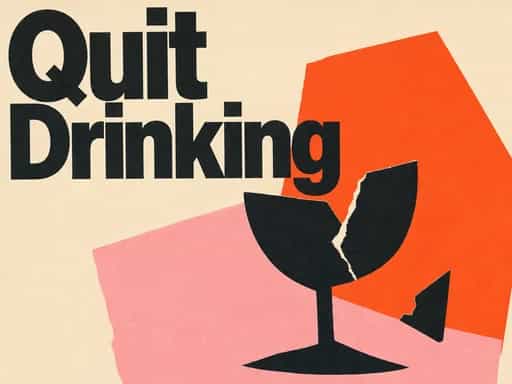
Quit Like a Woman
The Radical Choice to Not Drink in a Culture Obsessed with Alcohol
Panoramica di Quit Like a Woman
Discover why alcohol culture targets women in Holly Whitaker's NYT bestseller that's transforming sobriety. Endorsed by Glennon Doyle as "unflinching" and "gorgeous," this feminist manifesto offers what traditional recovery programs don't - a path to freedom beyond patriarchal models.

Temi chiave in Quit Like a Woman
- sober curiosity
- feminist recovery
- alcohol marketing critique
- mommy wine culture
- addiction binary
Citazioni da Quit Like a Woman
Addiction was the best thing that happened to me.
We're sold the lie that safety equals happiness.
We're drinking poison.
Work became both suffocating and my escape.
I couldn't pretend I was okay anymore.
Personaggi di Quit Like a Woman
- Holly WhitakerAuthor and healthcare executive who found sobriety
- Paris HiltonCelebrity used as a comparison for drinking habits
Sull'autore
Sull'autore di Quit Like a Woman
Holly Whitaker, New York Times bestselling author of Quit Like a Woman: The Radical Choice to Not Drink in a Culture Obsessed with Alcohol, is a leading voice in redefining sobriety and recovery through a feminist lens. A California-born entrepreneur and recovery advocate, she founded Tempest (formerly Hip Sobriety) in 2014 after overcoming her own struggles with alcohol. She created a trauma-informed digital platform that has supported thousands in achieving holistic sobriety, and her work challenges traditional recovery narratives, blending personal experience with critiques of systemic issues in addiction treatment.
Whitaker’s insights have been featured in Vogue, Time, The Wall Street Journal, and Fortune. She hosts the Quitted podcast, offering candid discussions on alcohol-free living.
A disruptor in wellness spaces, she was named to Inc.’s 2019 Female Founders 100 List. Her follow-up guide, 30 Days to a New Relationship with Alcohol, provides actionable steps for reevaluating drinking habits. Quit Like a Woman has sold over 500,000 copies worldwide and has been translated into multiple languages, solidifying its status as a modern recovery classic.
Scarica il riassunto di Quit Like a Woman
Ottieni il riassunto di Quit Like a Woman in formato PDF o EPUB gratuito. Stampalo o leggilo offline quando vuoi.
FAQ su questo libro
Quit Like a Woman combines memoir and social critique to dismantle societal norms around alcohol, particularly for women. Holly Whitaker challenges patriarchal recovery systems like Alcoholics Anonymous, exposes predatory marketing by alcohol companies, and offers a feminist roadmap to sobriety. The book emphasizes self-empowerment through sobriety, reframing addiction as a systemic issue rather than a personal failing.
This book is ideal for women questioning their relationship with alcohol, advocates of feminist health frameworks, or anyone seeking alternatives to traditional recovery programs. It also resonates with readers interested in critiques of consumer culture, corporate exploitation, and wellness trends.
Yes—readers praise its unflinching honesty, relatable narrative, and actionable strategies for sobriety. It’s particularly valuable for those disillusioned with one-size-fits-all recovery models. Reviews highlight its transformative impact on redefining self-care and societal conditioning around drinking.
Whitaker argues AA’s male-centric, religious undertones fail to address women’s unique needs, such as trauma or societal pressures. She critiques its emphasis on powerlessness, advocating instead for a self-directed approach that prioritizes identity rediscovery and systemic analysis of addiction.
The book parallels alcohol marketing to tobacco’s historical targeting of marginalized groups, detailing how companies exploit feminist messaging (e.g., “wine mom” culture) to normalize excessive drinking. Whitaker ties this to rising alcohol-related health issues among women.
Whitaker’s framework focuses on self-trust, boundary-setting, and dismantling patriarchal norms. Key pillars include addressing root causes (trauma, societal expectations), rejecting abstinence-only shame, and creating holistic support systems through her Tempest program.
- “Sobriety is the radical act of listening to yourself.”
- “Alcohol is the only drug we have to justify not using.”
These lines underscore the book’s themes of self-advocacy and cultural critique.
While both advocate for mindful sobriety, Whitaker’s work uniquely integrates intersectional feminism and systemic analysis. Unlike Annie Grace’s cognitive-behavioral focus, Quit Like a Woman prioritizes dismantling oppressive structures influencing addiction.
Some recovery traditionalists argue it oversimplifies AA’s effectiveness. Others note its narrow focus on middle-class experiences. However, supporters praise its inclusivity for non-severe addicts and trauma-informed perspective.
Whitaker’s journey—from corporate burnout to founding Tempest—anchors the narrative. Her struggles with bulimia, addiction, and societal pressure illustrate systemic flaws in how women’s health is framed, lending authenticity to her arguments.
As wellness culture grapples with alcohol’s role in mental health, the book remains a critical resource for redefining sobriety as self-care. Its analysis of Big Alcohol’s lobbying and gender-targeted ads grows more urgent amid rising addiction rates.
- Audit alcohol’s role in your life.
- Build a “sober toolbox” (therapy, community, hobbies).
- Reframe cravings as cultural conditioning.
- Prioritize rest and boundary-setting to avoid burnout.