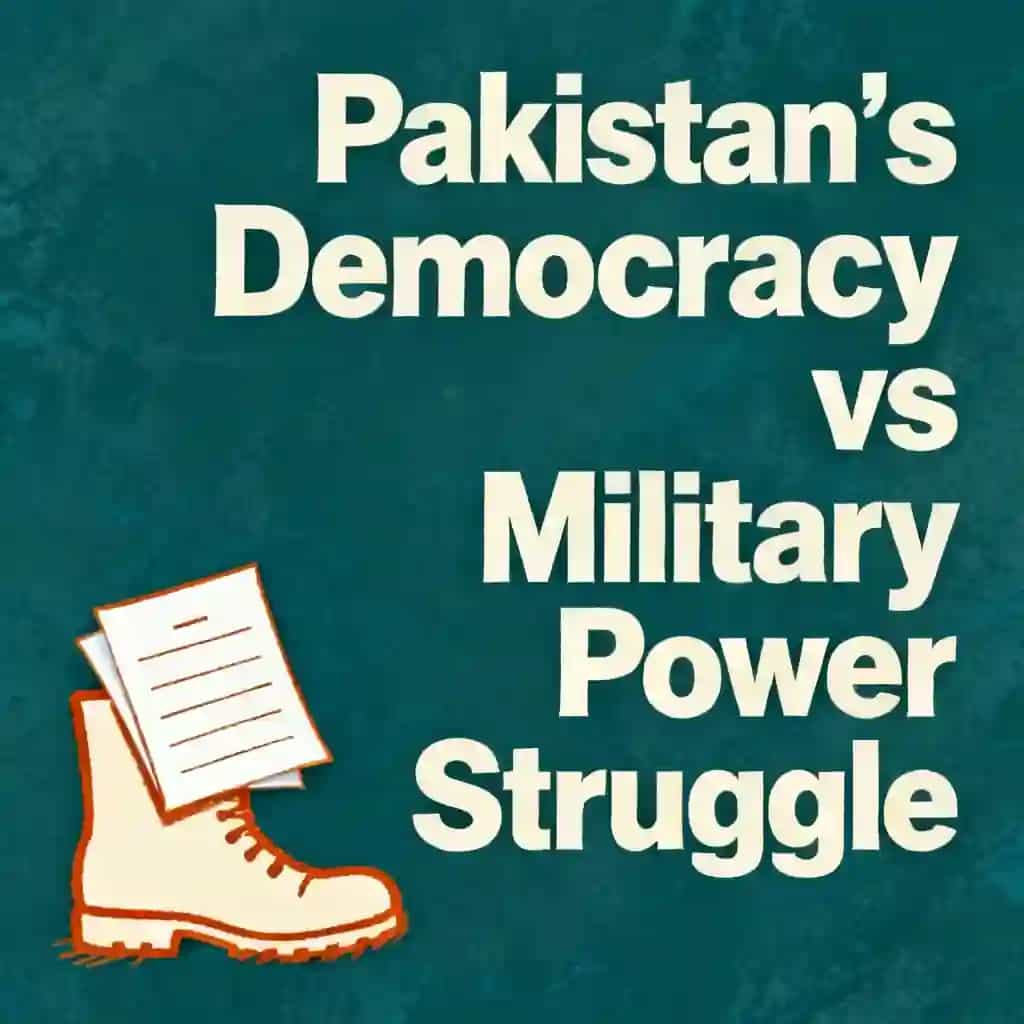
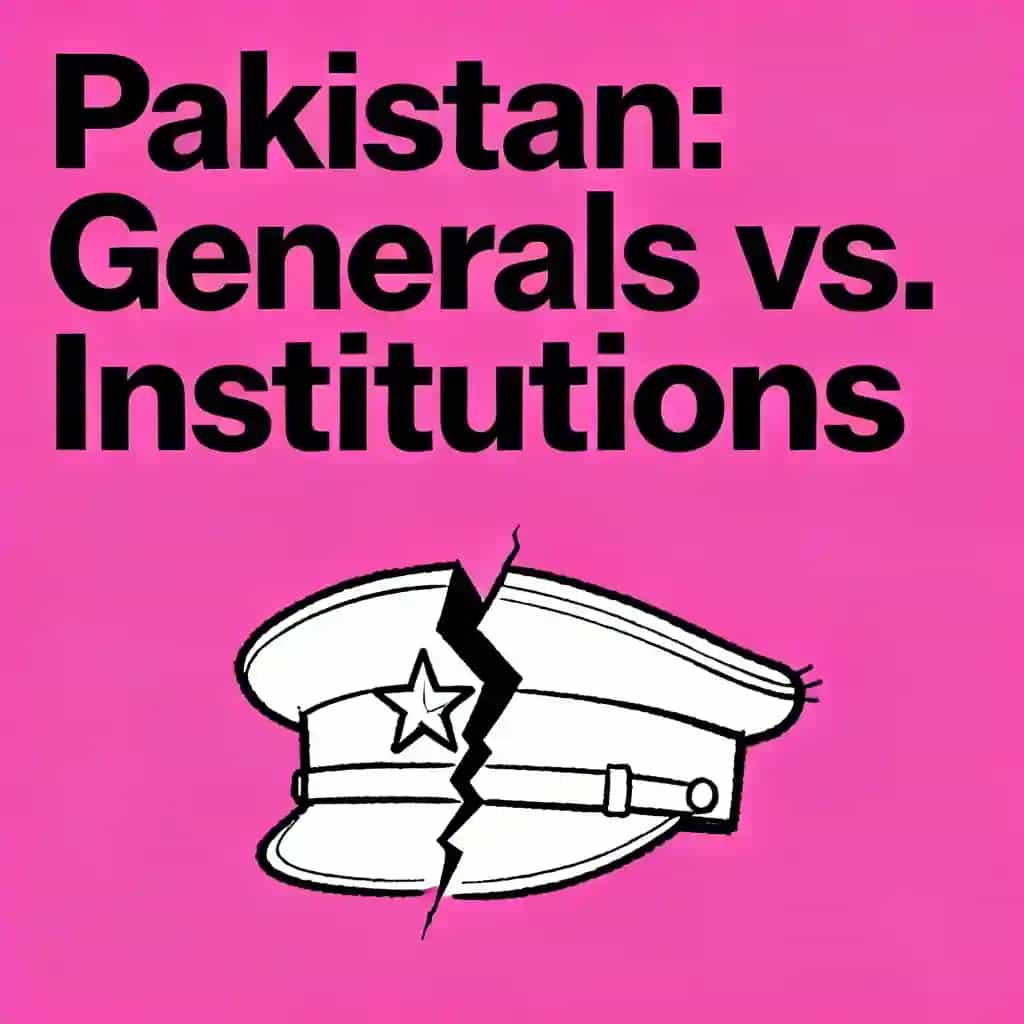
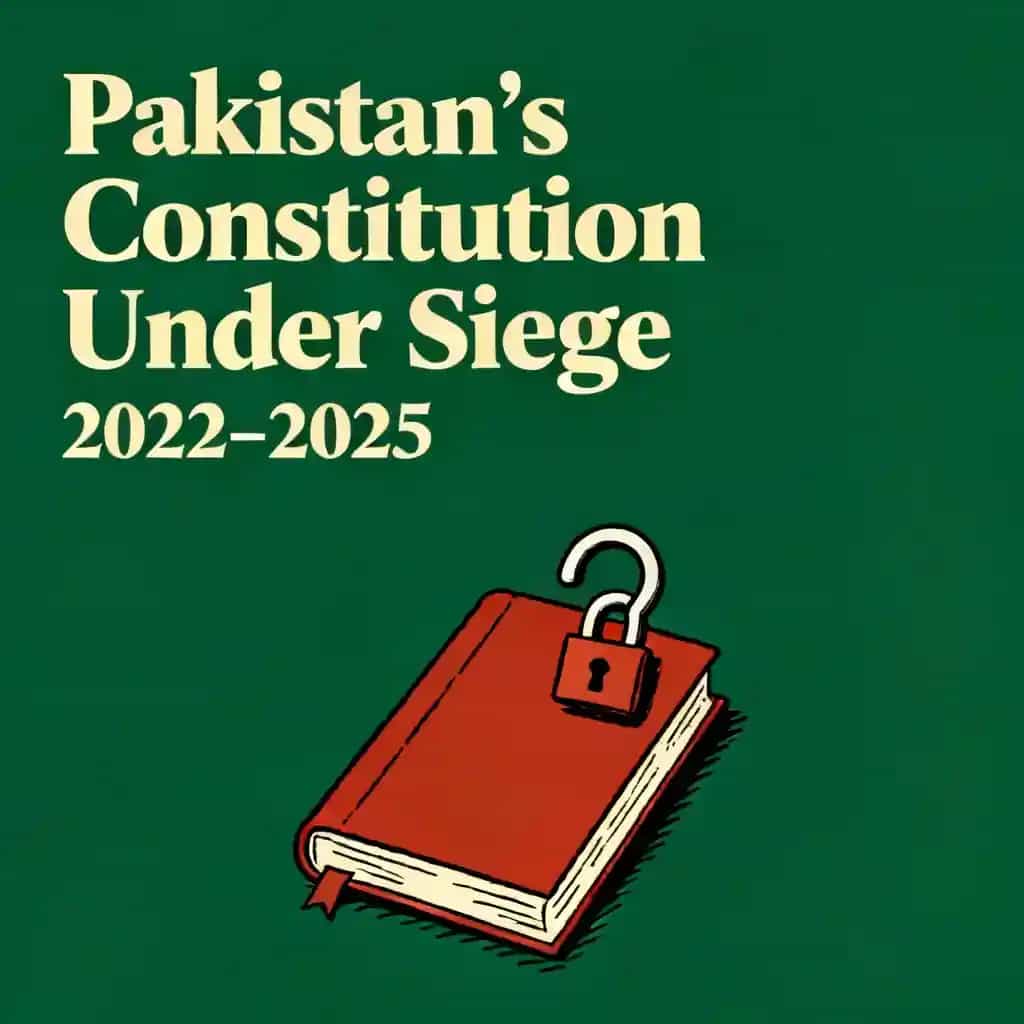
Panoramica di Military Inc.
Exposing Pakistan's $20 billion military-controlled economic empire, this Bronze Medal-winning expose sparked government outrage while earning praise from Brookings scholars. What dangerous truths did author Ayesha Siddiqa uncover that military leaders desperately wanted silenced?
- Ayesha Siddiqa coins Milbus to describe Pakistan military's hidden economic empire
- Pakistan's military controls twenty billion dollars in unrecorded capital assets
- Military Inc reveals armed forces own hotels banks airlines and farms
- Officer cadre benefits from land acquisitions while ordinary soldiers receive nothing
- Pakistan's military operates businesses beyond government audit and civilian accountability
- Siddiqa argues military economic power undermines democracy and civilian governance structures
- Military foundations like Bahria and Shaheen control Pakistan's finance banking sectors
- The book exposes how military dominance creates deep societal inequality
- Pakistan's army has transformed into an independent economic class
- Military Inc documents decades of land grabs and preferential resource allocation
- Siddiqa's research shows military economy funnels wealth to officer elite
- The book questions whether democracy can survive Pakistan's military capitalism
Sull'autore di Military Inc.
Ayesha Siddiqa, born in 1966 in Lahore, is the author of Military Inc.: Inside Pakistan's Military Economy and a leading political scientist specializing in civil-military relations and defense economics.
With a PhD in War Studies from King's College London, she became the first civilian woman to serve as director of naval research with the Pakistan Navy, providing unique insider access to the military establishment.
Her research examines the political economy of military power, drawing on extensive fieldwork and her civil service experience. Siddiqa has taught at Johns Hopkins University and the University of Pennsylvania, and currently serves as a research associate at the SOAS South Asia Institute. She also authored Pakistan's Arms Procurement and Military Buildup (2001) and regularly contributes critical analysis to Dawn, Daily Times, and Express Tribune.
Published in 2007, her critically acclaimed Military Inc. exposed the vast economic empire of Pakistan's military, sparking significant controversy for challenging official narratives about military influence in Pakistani politics and society.
FAQ su Military Inc.
What is Military Inc by Ayesha Siddiqa about?
Military Inc.: Inside Pakistan's Military Economy examines how Pakistan's military has built a vast economic empire worth at least $20 billion through businesses ranging from banks and insurance companies to farms and airlines. Ayesha Siddiqa analyzes how this military-corporate merger affects Pakistan's political development, democratic prospects, and resource distribution, revealing how economic power reinforces the military's control over Pakistani society.
Who is Ayesha Siddiqa and why did she write Military Inc?
Ayesha Siddiqa is a Pakistani strategic analyst and researcher who wrote Military Inc. to expose the hidden economic activities of Pakistan's military establishment. She dared to illuminate the military as an oppressive holding company operating in the shadows, documenting how a tiny minority of senior army officials control the country's largest companies and vast real estate holdings. Her work provides empirical evidence of how military capital operates outside the defense budget.
Who should read Military Inc Inside Pakistan's Military Economy?
Military Inc. is essential reading for anyone interested in understanding Pakistan's political economy, civil-military relations, and the challenges facing South Asian democracies. The book is particularly valuable for policy analysts, students of military studies, researchers examining corruption and elite capture, and readers seeking to understand why democratic governance struggles in military-dominated states. Pakistani youth and international observers benefit from its detailed investigation of power structures.
Is Military Inc by Ayesha Siddiqa worth reading?
Military Inc. is widely regarded as a brave, well-researched exposé that provides eye-opening insights into Pakistan's power dynamics. Despite being information-dense and occasionally technical, readers praise its daring documentation of military corruption and economic control. The book's empirical richness and detailed case study of how military interests overshadow civilian development make it a compelling read for those willing to engage with its comprehensive analysis.
What does Milbus mean in Military Inc?
Milbus refers to "military capital that is used for the personal benefit of the military fraternity, especially the officer cadre, but is neither recorded nor part of the defense budget". Ayesha Siddiqa uses this term to describe the hidden economic activities through which Pakistan's military extracts tribute for providing national security services. Milbus operates through deliberate concealment, allowing the military to project itself as more honest than civilian players while exploiting national resources.
What are the main ideas in Military Inc by Ayesha Siddiqa?
Military Inc. argues that Pakistan's military stake in the political process manifests through control of economic resources, creating a military-driven economy that transforms societal power structures. The book demonstrates how military-owned enterprises operate without civilian scrutiny, leading to corruption, hollow economic growth, and elitism. Siddiqa's central thesis reveals how economic power reinforces political dominance, making the military an independent class that hinders democratic governance and equitable development.
What businesses does Pakistan's military control according to Military Inc?
According to Military Inc., Pakistan's military owns and operates hotels, shopping malls, insurance companies, banks, farms, construction companies, and even an airline. The military controls the country's largest companies, vast tracts of real estate, and has expanded into agriculture, manufacturing, service industries, and the finance sector through institutions like Bahria Foundation and Shaheen Foundation. This corporate empire spans security-related and civilian businesses alike.
How much is Pakistan's military economy worth according to Ayesha Siddiqa?
Ayesha Siddiqa estimates the cost of Milbus—the military's hidden economic activities—at at least $20 billion. This figure represents military capital used for the personal benefit of the military fraternity, particularly the officer cadre, which operates outside the defense budget and without transparent accounting. The book's Chapter 9 specifically analyzes the financial cost of this military economy and its drain on Pakistan's development resources.
What are the ten chapters of Military Inc about?
Military Inc. systematically examines Pakistan's military economy across ten chapters:
- defining military-civilian relationships globally
- explaining the Pakistan Army's political growth and organizational structure
- highlighting officer financial interests
- outlining command structures
- documenting business expansion from 1954-1977 and 1977-2005
- discussing land acquisition
- analyzing welfare programs and resource distribution
- calculating financial costs
- evaluating effects on military professionalism and state politics
Each chapter builds the case for how economic power shapes political outcomes.
Why was Military Inc banned in Pakistan?
Military Inc. was banned in Pakistan because it dared to expose the military's vast economic empire and reveal corruption within the powerful military establishment. The book documents how senior army officials control national resources and companies for personal benefit, challenging the military's carefully maintained image of honesty and professionalism. Readers describe it as a "real eye opener" that threatened entrenched power structures by bringing hidden economic activities into public scrutiny.
What impact does military economy have on democracy according to Military Inc?
Military Inc. reveals that Pakistan's military economy creates a deeply undemocratic society where money flows toward military enterprises rather than impoverished citizens. The military's economic dominance allows it to maintain political control, making civilian governments dependent on sharing power with generals who possess leverages to challenge democratic agendas. This economic entrenchment means Pakistan remains far from becoming a true democracy, as the military's financial interests perpetuate its grip on governance.
How does Military Inc analyze the consequences of merging military and corporate sectors?
Military Inc. examines how merging military and corporate sectors in Pakistan leads to an imbalance where military interests overshadow civilian economic growth and democratic governance. Ayesha Siddiqa demonstrates that military businesses operate without the transparency and accountability required of civilian enterprises, resulting in potential corruption, inefficiency, and inequitable resource distribution that shows bias toward the military fraternity. The book questions whether generals will ever withdraw to the barracks when economic incentives perpetuate their political involvement.
Senti il libro attraverso la voce dell'autore
Trasforma la conoscenza in spunti coinvolgenti e ricchi di esempi
Cattura le idee chiave in un lampo per un apprendimento veloce
Goditi il libro in modo divertente e coinvolgente
Personaggi di Military Inc.
- Ayesha SiddiqaAuthor and scholar who exposed the Milbus economy
- Pervez MusharrafFormer President and military general of Pakistan
- Ayub KhanGeneral who led Pakistan's first military takeover
- Stephen CohenScholar and expert on the Pakistan Army
Temi chiave in Military Inc.
- military business empires
- civil-military relations
- defense housing authorities
- institutionalized corruption
- state-sponsored capitalism
Citazioni da Military Inc.
The Pakistani military establishment attempted to suppress the book.
Milbus operates in shadows.
Military officers become invested in maintaining political influence.
The military gained its central role by positioning itself as the state's protector.
The military enhanced its corporate interests.
Esplora il Tuo Modo di Imparare
 Modalità Riassunto Rapido
Leggi o ascolta il riassunto di Military Inc. in 10 minuti
Scomponi le idee chiave di Military Inc. in punti facili da capire per comprendere come i team innovativi creano, collaborano e crescono.

 Modalità Divertente
Lezioni da Military Inc. Raccontate in Storie di 24 Min
Vivi Military Inc. attraverso narrazioni vivide che trasformano le lezioni di innovazione in momenti che ricorderai e applicherai.
 Modalità Personalizza
Vivi Military Inc. nel tuo stile di apprendimento
Chiedi qualsiasi cosa, scegli il tuo stile di apprendimento e co-crea intuizioni che risuonano davvero con te.

Creato da alumni della Columbia University a San Francisco
"Instead of endless scrolling, I just hit play on BeFreed. It saves me so much time."


"I never knew where to start with nonfiction—BeFreed’s book lists turned into podcasts gave me a clear path."


"Perfect balance between learning and entertainment. Finished ‘Thinking, Fast and Slow’ on my commute this week."
"Crazy how much I learned while walking the dog. BeFreed = small habits → big gains."
"Reading used to feel like a chore. Now it’s just part of my lifestyle."

"Feels effortless compared to reading. I’ve finished 6 books this month already."
"BeFreed turned my guilty doomscrolling into something that feels productive and inspiring."

"BeFreed turned my commute into learning time. 20-min podcasts are perfect for finishing books I never had time for."
"BeFreed replaced my podcast queue. Imagine Spotify for books — that’s it. 🙌"

"It is great for me to learn something from the book without reading it."
"The themed book list podcasts help me connect ideas across authors—like a guided audio journey."
"Makes me feel smarter every time before going to work"
Creato da alumni della Columbia University a San Francisco
"Instead of endless scrolling, I just hit play on BeFreed. It saves me so much time."
"I never knew where to start with nonfiction—BeFreed’s book lists turned into podcasts gave me a clear path."
"Perfect balance between learning and entertainment. Finished ‘Thinking, Fast and Slow’ on my commute this week."
"Crazy how much I learned while walking the dog. BeFreed = small habits → big gains."
"Reading used to feel like a chore. Now it’s just part of my lifestyle."
"Feels effortless compared to reading. I’ve finished 6 books this month already."
"BeFreed turned my guilty doomscrolling into something that feels productive and inspiring."
"BeFreed turned my commute into learning time. 20-min podcasts are perfect for finishing books I never had time for."
"BeFreed replaced my podcast queue. Imagine Spotify for books — that’s it. 🙌"
"It is great for me to learn something from the book without reading it."
"The themed book list podcasts help me connect ideas across authors—like a guided audio journey."
"Makes me feel smarter every time before going to work"
"Instead of endless scrolling, I just hit play on BeFreed. It saves me so much time."
"I never knew where to start with nonfiction—BeFreed’s book lists turned into podcasts gave me a clear path."
"Perfect balance between learning and entertainment. Finished ‘Thinking, Fast and Slow’ on my commute this week."
"Crazy how much I learned while walking the dog. BeFreed = small habits → big gains."
"Reading used to feel like a chore. Now it’s just part of my lifestyle."
"Feels effortless compared to reading. I’ve finished 6 books this month already."
"BeFreed turned my guilty doomscrolling into something that feels productive and inspiring."
"BeFreed turned my commute into learning time. 20-min podcasts are perfect for finishing books I never had time for."
"BeFreed replaced my podcast queue. Imagine Spotify for books — that’s it. 🙌"
"It is great for me to learn something from the book without reading it."
"The themed book list podcasts help me connect ideas across authors—like a guided audio journey."
"Makes me feel smarter every time before going to work"
"Instead of endless scrolling, I just hit play on BeFreed. It saves me so much time."
"I never knew where to start with nonfiction—BeFreed’s book lists turned into podcasts gave me a clear path."
"Perfect balance between learning and entertainment. Finished ‘Thinking, Fast and Slow’ on my commute this week."
"Crazy how much I learned while walking the dog. BeFreed = small habits → big gains."
"Reading used to feel like a chore. Now it’s just part of my lifestyle."
"Feels effortless compared to reading. I’ve finished 6 books this month already."
"BeFreed turned my guilty doomscrolling into something that feels productive and inspiring."
"BeFreed turned my commute into learning time. 20-min podcasts are perfect for finishing books I never had time for."
"BeFreed replaced my podcast queue. Imagine Spotify for books — that’s it. 🙌"
"It is great for me to learn something from the book without reading it."
"The themed book list podcasts help me connect ideas across authors—like a guided audio journey."
"Makes me feel smarter every time before going to work"

Scarica il riassunto di Military Inc.
Ottieni il riassunto di Military Inc. in formato PDF o EPUB gratuito. Stampalo o leggilo offline quando vuoi.



![[PDF] BOOK REVIEWS - IPRI](/_next/image?url=https%3A%2F%2Fd1y2du6z1jfm9e.cloudfront.net%2Fassets%2Fpodcast%2Fpurple.png&w=1024&q=50)