Capitolo 1
The Chemical Quartet Behind Your Happiness
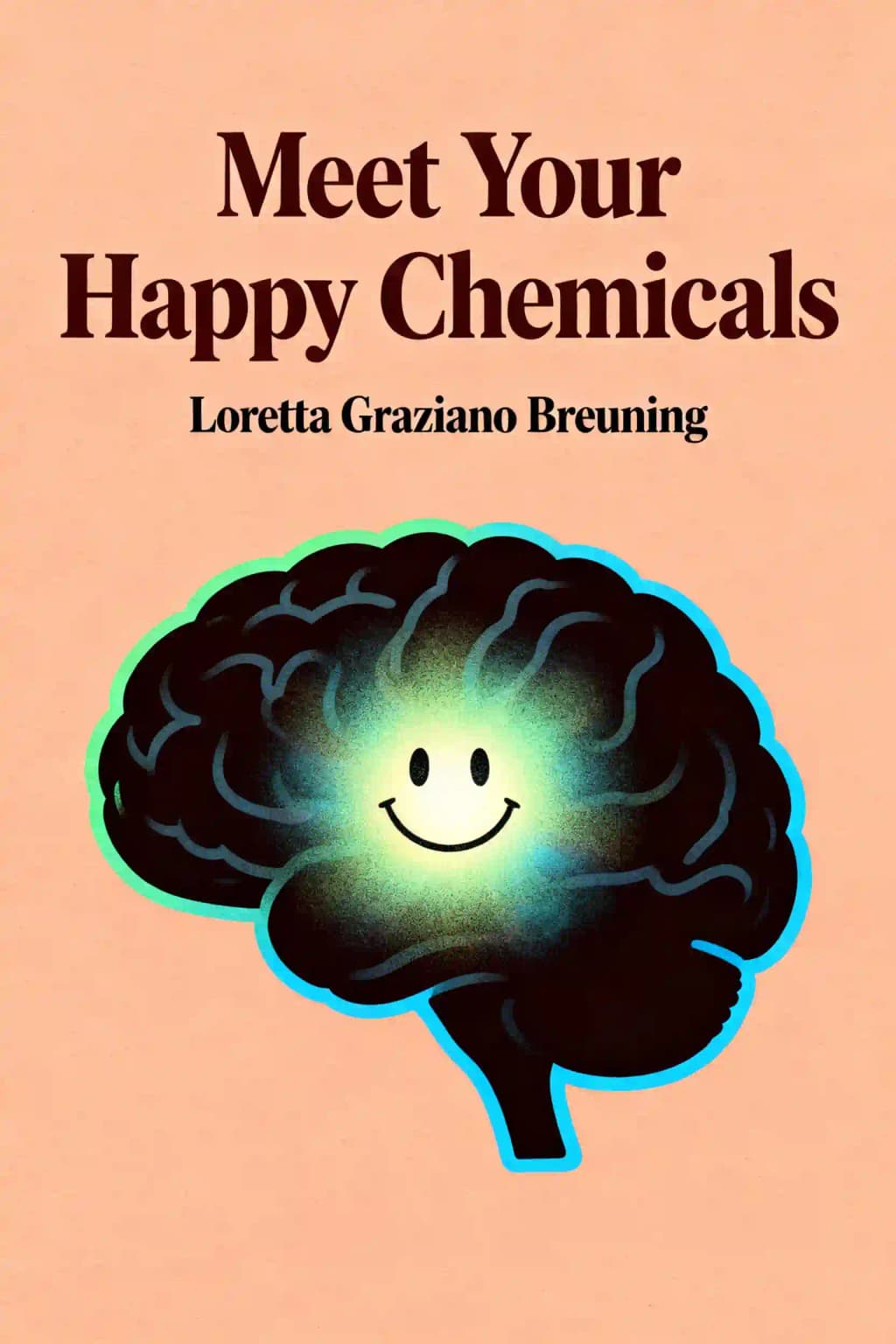
Ever wondered why that burst of joy after accomplishment fades so quickly? Or why the thrill of a new relationship inevitably dims? The answer lies in four special chemicals in your brain: dopamine, endorphin, oxytocin, and serotonin. These "happy chemicals" aren't designed for constant bliss but for survival-they surge when your brain detects something beneficial, then quickly turn off to be ready for the next opportunity.
Loretta Graziano Breuning's groundbreaking work has influenced millions worldwide, from corporate executives seeking better leadership strategies to individuals battling depression. Her approach bridges neuroscience and psychology in uniquely accessible ways, earning praise from figures like Deepak Chopra who called it "a revolutionary approach to understanding happiness." The book has become required reading in many psychology programs and has been translated into 12 languages since its publication, reflecting its cross-cultural relevance in our understanding of human emotions.
Capitolo 2
Your Brain's Unique Neural Highways
Your brain contains a vast network of neural pathways built from your unique life experiences, forming an intricate web of connections as distinctive as your fingerprint. When something made you feel good as a child - whether it was receiving praise, achieving a goal, or feeling safe - happy chemicals like dopamine and serotonin built specific neural connections in your brain. The pathways you used most frequently developed into superhighways through repetition, creating what Breuning calls your "happy trails." This process begins in early childhood and continues throughout adolescence, forming the foundation of your emotional responses.
This neurological architecture explains why your happiness triggers differ from everyone else's. Perhaps you feel a surge of joy when organizing your closet because tidiness meant praise from your parents, while your partner gets the same feeling from spontaneous adventures because their childhood rewards came from exploration and novelty. These aren't random preferences but the result of your personal neural architecture-a quirky survival system built from your individual experiences. Even siblings raised in the same household develop different neural patterns based on their unique interpretations of shared experiences.
The challenge becomes apparent when trying to build new pathways in adulthood. Creating new neural connections feels like slashing trails through dense jungle, requiring significant energy and persistent effort, while your brain naturally prefers its established superhighways. This explains why changing habits feels so uncomfortable initially-you're literally carving new paths through your neural forest. The process requires consistent repetition over weeks or months before these new pathways become established enough to feel natural.
Why does this matter? Understanding your brain's wiring helps explain why happiness feels fleeting and why certain behaviors become compulsive despite their downsides. Your brain isn't designed for constant happiness but for survival, using brief chemical rewards to motivate behaviors that historically promoted survival. These temporary bursts of feel-good chemicals - dopamine for achievement, oxytocin for social bonds, serotonin for status recognition - served our ancestors well by encouraging beneficial behaviors. Modern life, however, presents us with novel challenges that our ancient reward systems weren't designed to handle.
This knowledge becomes particularly valuable when trying to break old habits or establish new ones. By understanding that discomfort is a natural part of creating new neural pathways, you can approach personal change with more patience and self-compassion. It also explains why returning to old habits feels so easy - you're simply sliding back onto those well-worn neural superhighways that your brain constructed long ago.
Capitolo 3
The Vicious Cycle That Traps Us
When unhappy chemicals like cortisol flow, we instinctively seek ways to trigger happy ones. This creates what Breuning calls "the vicious cycle of happy chemicals"-we develop behaviors that simultaneously trigger happiness and unhappiness, like driving with one foot on the accelerator and one on the brake. Our brain's reward system, evolved over millions of years, doesn't always serve our modern needs effectively.
Consider common examples: alcohol provides temporary dopamine while creating health problems; comfort eating offers momentary pleasure followed by regret; shopping sprees deliver brief excitement followed by financial stress. Even seemingly positive behaviors like constantly rescuing others or pursuing romantic thrills can create similar cycles. Social media addiction perfectly illustrates this pattern - each notification brings a tiny dopamine hit, while hours of scrolling leave us feeling empty and disconnected.
The cycle typically follows a predictable pattern: discomfort triggers a craving for relief, the relief-seeking behavior provides temporary pleasure, negative consequences follow, creating more discomfort, and the cycle continues. Take Tom, who deals with work stress by gaming late into the night. The gaming provides immediate escape and pleasure, but leads to sleep deprivation, poor work performance, and increased stress - feeding right back into the cycle.
Imagine Sarah, who experiences anxiety in social situations. She discovers that a glass of wine helps her feel comfortable at parties (triggering dopamine and temporarily reducing cortisol). This works so well that her brain builds a strong neural pathway connecting social events with alcohol. Eventually, she can't imagine attending gatherings without drinking, and one glass becomes three. The very solution to her anxiety has created new problems, including dependency and health issues.
Breaking these cycles requires resisting the urge to immediately relieve discomfort. Instead, we must build alternative happy circuits-though this takes consistent practice. The brain needs about 45 days of repetition to establish new neural pathways strong enough to compete with old ones. This explains why most habit-change attempts fail in the first month - we haven't yet built the neural infrastructure to support new behaviors.
Have you ever wondered why breaking habits feels nearly impossible for the first few weeks, then suddenly becomes easier? This timeline explains that neurological shift-you're literally building new brain architecture that eventually becomes strong enough to compete with established patterns. Success requires understanding that initial discomfort is not just normal but necessary - it's the sensation of your brain literally rewiring itself for healthier patterns.
The key to breaking these cycles lies in developing multiple healthy alternatives for managing discomfort. Exercise, meditation, deep breathing, and engaging hobbies can all serve as replacement behaviors. The goal isn't to eliminate discomfort entirely - that's impossible - but to respond to it in ways that create positive long-term outcomes rather than temporary relief followed by deeper problems.
Capitolo 4
The Evolutionary Purpose of Your Happy Chemicals
Each happy chemical evolved to reward specific survival behaviors, creating different feelings when triggered. Understanding their distinct purposes helps explain why happiness feels so elusive and temporary.
Dopamine creates the "I did it!" feeling when you're about to meet a need. It evolved to help our ancestors conserve energy until spotting potential rewards, then providing the motivation to pursue them. Think of dopamine as your brain's way of saying "Keep going! You're about to get something good!"
Contrary to popular belief, dopamine responds more to the expectation of reward than the reward itself. This explains why anticipating vacation often feels better than the vacation itself, and why computer games with incremental achievements can be so addictive-they're perfectly designed dopamine machines.
Endorphin produces euphoria but evolved not for pleasure but to mask physical pain. When injured, animals need a brief window to escape danger-like a zebra breaking free from a lion despite injuries. This respite is intentionally short because pain signals have survival value. Endorphin is literally your body's natural morphine (or rather, morphine is artificial endorphin).
Modern life offers fewer opportunities for endorphin through physical pain, which explains why some people unconsciously create physical distress through excessive exercise or even self-harm. Healthier triggers include laughter and crying, which create mild physical distress that activates small endorphin releases.
Oxytocin creates feelings of trust and social belonging. It evolved to help mammals form the social bonds necessary for survival, particularly the parent-child bond that allows for extended caregiving. Touch triggers oxytocin, which is why primates groom each other to establish alliances and why physical contact feels so essential to human well-being.
Without regular oxytocin, we feel something fundamental is missing-which explains why we seek communities, concerts, or online forums where "everybody knows your name." The flip side? Betrayed trust feels terrible, teaching mammals to choose social connections carefully.
Serotonin produces feelings of respect and social importance. In the animal world, social dominance promotes reproductive success-dominant animals gain better access to food, territory, and mates. Your brain constantly seeks ways to feel important without losing social trust or triggering conflict.
Life experience wires each brain to perceive respect differently-some people feel satisfied with modest recognition while others need constant admiration. This explains why some individuals seem perpetually status-hungry while others appear content with less recognition.
Capitolo 5
Your Brain's Essential Warning System
While we often view unhappy chemicals as problems to eliminate, Breuning argues they're essential survival tools. Cortisol functions as your brain's emergency broadcast system-creating pain, fear, anxiety, and stress to get your attention when potential danger appears. This chemical cascade prepares your body for fight-or-flight responses by increasing heart rate, sharpening focus, and redirecting energy from non-essential functions.
Like meerkats that flee from overhead planes mistaking them for predatory birds, our brains evolved to err on the side of caution. False alarms were less costly than missing real threats. This explains why we sometimes catastrophize minor problems-our brains are running ancient survival software designed for a very different world. For instance, public speaking anxiety triggers the same stress response as facing a predator because social threats were equally dangerous to our ancestors.
Social pain functions remarkably like physical pain, triggering the same neural pathways. This makes evolutionary sense-for mammals, social rejection could be as deadly as physical threats. Being ostracized from the group meant losing protection from predators and access to resources. Research shows that social exclusion activates the same brain regions as physical pain, which is why heartbreak can feel like actual physical agony.
This explains why social media rejection can feel physically painful and why exclusion triggers such intense distress even when rationally we know it poses no survival threat. Your brain's warning system doesn't distinguish between physical and social dangers-both register as threats requiring immediate attention. Even something as simple as being left out of a group chat or receiving few likes on a post can trigger genuine physiological stress responses.
Our human cortex amplifies these mammalian responses. Unlike animals who may overreact to real threats but never imagine nonexistent ones, humans can scare ourselves with our own thoughts. Our ability to process abstractions means we understand our mortality, giving us constant incentive to scan for threats. We can worry about future scenarios, replay past traumas, and create elaborate worst-case scenarios that trigger very real stress responses.
Interestingly, finding threats makes us feel curiously safe-we get a dopamine boost from confirming our fears, sometimes a serotonin boost from being right, and oxytocin from bonding with others who share our concerns. This explains the strange satisfaction people sometimes find in discovering evidence supporting their worst fears. It's why we're drawn to negative news, conspiracy theories, and disaster scenarios - our brains reward us for identifying potential threats, even if they're unlikely or exaggerated. This mechanism helped our ancestors survive but can lead to unnecessary anxiety in our modern world where many perceived threats are psychological rather than physical.
The warning system becomes particularly complex in modern environments where threats are often abstract or social rather than immediate physical dangers. Our brains process a harsh email from a boss with the same urgency as a predator's footprints, leading to chronic stress in environments our warning system wasn't designed to navigate.
Capitolo 6
When Happiness Disappoints
Each happy chemical inevitably disappoints because they weren't designed for constant stimulation. Understanding these natural cycles helps explain why happiness feels so fleeting and why we often double down on behaviors that no longer serve us.
Dopamine responds to novelty but quickly habituates. The first bite of chocolate cake is heavenly, but by the tenth bite, your attention wanders. America's top-rated restaurant, The French Laundry, applies this science by serving only small plates, recognizing that pleasure peaks in the first few bites.
When dopamine dips, unhappy chemicals get our attention. We can either accept these feelings or seek another dopamine hit. This explains why romantic love inevitably changes-the excitement of new love fades not because something's wrong but because dopamine naturally habituates to familiar rewards.
Endorphin disappointment drives escalation in pain-seeking behaviors. Athletes continue despite injuries, taking anti-inflammatories to mask pain signals. People with eating disorders may experience a temporary high from starvation that stops when they eat. The body quickly habituates to pain while the brain keeps seeking the good feeling, allowing damage to occur without notice.
Oxytocin disappointment feels like receiving a massage-the first moments feel phenomenal, but soon your mind drifts and you forget you're even getting it. The pain of disappointed trust enters every life, whether through disillusioning experiences with idealized groups or relationships where trust has been broken.
This explains why people sometimes remain in unhealthy relationships-they're desperately trying to rekindle trust with familiar partners rather than building new relationships where trust must be established from scratch. The known path, even when painful, often feels safer than the unknown.
Serotonin disappointment drives status-seeking behavior. When people respect you, it feels good, and your brain seeks ways to recreate that feeling. But the same level of respect eventually stops thrilling you, driving you to seek more. This explains why achievements that once seemed like they would bring lasting happiness-a promotion, award, or recognition-quickly become the new normal.
Capitolo 7
Rewiring Your Brain for Sustainable Happiness
Building new neural circuits is challenging but possible. Breuning offers practical strategies for creating sustainable happiness by understanding and working with your brain's natural tendencies. This neuroplasticity-based approach recognizes that while our brain's patterns are deeply ingrained, they remain malleable throughout our lives.
The first step involves doing nothing-accepting unhappy chemicals rather than rushing to fix or mask them. This teaches your brain you won't die despite how it feels. Doing nothing gives your brain time to generate alternatives, allowing new pathways to grow. For example, when feeling anxious about a work presentation, instead of immediately reaching for distractions or comfort food, sit with the discomfort for 3-5 minutes while acknowledging these feelings are temporary.
Building new dopamine circuits requires strategic implementation of reward patterns. Rather than waiting for major achievements, celebrate small victories daily. This might mean acknowledging completing your morning routine, finishing a difficult email, or making a healthy food choice. By finding something worthy of celebration each day and allowing yourself that "Touchdown!" feeling, you create regular, sustainable dopamine releases without the crashes that follow bigger highs. Create a "victory journal" to document these daily wins.
For endorphin development, varying your exercise routine is crucial. This might include alternating between yoga, swimming, and walking, which stimulates development by engaging neglected muscles. Daily stretching improves circulation in constricted areas without causing pain. After consistent practice, you'll likely enjoy it enough to continue voluntarily. Start with just 5 minutes of morning stretching and gradually increase duration.
Building oxytocin circuits involves placing "stepping stones" of trust-small, low-risk interactions that gradually build positive expectations. This could mean starting with simple gestures like remembering a colleague's coffee preference or following through on minor commitments. Being trustworthy yourself stimulates oxytocin bidirectionally-being trusted feels good whether or not you trust the other person. Regular acts of reliability, even in small matters, strengthen these circuits.
For serotonin, taking pride in accomplishments without waiting for external validation builds sustainable pathways. Set personal standards and celebrate meeting them privately. Learning to enjoy both dominant and subordinate positions-appreciating being free from responsibility when subordinate and enjoying respect when dominant-creates peace with your mammal brain's constant status-tracking. Practice finding satisfaction in both leading projects and supporting others' initiatives.
These new circuits feel wrong initially because abandoning familiar pathways triggers survival anxiety. Several strategies can help maintain the difficult process until new circuits become established:
1. Mirror others who already have your desired habit - find a mentor or role model
2. Balance your neurochemical portfolio rather than reinforcing strengths - if you're already social, focus on individual achievements
3. Graft new behaviors onto existing happy circuits - add meditation to your enjoyable morning coffee routine
4. Connect activities to your legacy for natural chemical triggers - frame exercise as modeling health for your children
5. Make repetition fun through gamification or social engagement
6. Chunk overwhelming tasks into manageable 5-minute segments
7. Practice patience-new neural pathways require 45 days of consistent repetition, with small daily actions being more effective than occasional major efforts
Remember to track progress using concrete metrics while accepting that setbacks are part of the rewiring process. The key is consistent, small actions rather than sporadic large changes.
Capitolo 8
Why We Choose Unhappiness
Despite knowing better, people often reject happiness strategies, choosing familiar unhappiness patterns instead. These choices create vicious cycles that feel natural because they trigger small amounts of happy chemicals while perpetuating overall dissatisfaction. Like a person who stays in a toxic relationship because the moments of reconciliation feel intensely good, we become addicted to these unhealthy patterns.
Many believe happiness comes from big achievements or perfect conditions, claiming it's unethical to be happy while others suffer. This creates a cycle where you momentarily feel important through suffering (triggering serotonin and oxytocin), but then need more suffering to feel good again. For example, someone might refuse to celebrate personal successes because of ongoing global problems, or reject simple pleasures out of solidarity with those who can't enjoy them. This martyrdom provides a sense of moral superiority but traps people in perpetual dissatisfaction.
Others believe happiness should come effortlessly, resenting the work required to build new neural pathways. This perceived unfairness becomes permission to indulge in unhealthy consolations. People might say, "Others seem naturally happy, so why should I have to work at it?" Blaming others for unhappiness ironically triggers temporary happy chemicals: feeling important battling injustice (serotonin), bonding with fellow sufferers (oxytocin), and getting excited finding evidence of unfairness (dopamine). Social media complaints, workplace grievances, and family feuds often serve this function.
Some fear happiness will lower their guard against potential threats. This belief becomes self-fulfilling as the brain finds what it looks for. A person might think, "If I let myself be too happy, something bad will happen," or "Being optimistic means being naive." The vicious cycle begins when happy chemicals naturally dip, triggering disaster preparation, which increases focus on danger signals, producing more unhappy chemicals. Like a hypervigilant security guard, the mind becomes exhausted from constant threat assessment.
Fear of failure prevents many from attempting to build new circuits. The prospect of spending 45 days worried about failing seems worse than not trying at all. Someone might avoid learning a new skill, starting a business, or pursuing a relationship because the anticipated anxiety feels overwhelming. Building a success circuit doesn't mean lying to yourself, but honestly recognizing that trial and error leads to success. Each small step forward, even with setbacks, strengthens positive neural pathways and builds resilience.
Understanding these patterns helps break them. Recognizing that temporary discomfort in building new habits is preferable to permanent unhappiness can motivate change. Just as physical exercise initially feels uncomfortable but leads to strength, emotional growth requires pushing through resistance to create healthier patterns.
Capitolo 9
The Freedom and Burden of Choice
Life presents constant trade-offs with no perfect path to happiness. When choices lead to disappointment, it's tempting to let others decide for you. But every decision can seem flawed when you focus on its downsides rather than accepting inevitable trade-offs. For instance, choosing a demanding career might bring financial security but reduce family time, while prioritizing work-life balance could limit professional advancement.
We constantly weigh immediate rewards against future benefits, known security against unknown possibilities, and individual desires against group belonging. A promotion might offer higher pay but require relocation away from loved ones. Pursuing creative passions might mean sacrificing stable income. Starting a business could mean trading predictable employment for potential independence. There's no permanent solution-each choice reveals its disadvantages up close, tempting us to second-guess our decisions and imagine alternative paths as more fulfilling.
Unlike animals that simply respond to stimuli without self-judgment, humans constantly evaluate themselves against abstract expectations and societal standards. We compare our lives to idealized versions seen on social media, question our career trajectories against peers' success, and measure relationships against romantic narratives. This ability for self-reflection helps us improve but becomes problematic when we fixate on perceived failures while overlooking daily achievements and small victories.
With modern freedom to choose careers, partners, beliefs, and lifestyles comes responsibility that doesn't guarantee happiness. Previous generations often had their paths predetermined by family, culture, or circumstance. Today's abundance of options can paradoxically lead to decision paralysis and chronic dissatisfaction. But you can decide to be happy by finding things to appreciate in your choices, whether it's the learning opportunities in challenges or the unexpected joys in compromise. Your happy chemicals-dopamine, serotonin, oxytocin-cannot surge constantly, but you needn't interpret their natural dips as personal failures or life crises.
Managing this inherited brain, with its ancient survival circuits and modern complexities, is life's fundamental challenge. By understanding the neurochemistry behind your emotions-how dopamine drives pursuit, serotonin affects status feelings, and oxytocin influences trust-you gain the power to build sustainable happiness rather than chasing fleeting chemical highs or surrendering to familiar unhappiness. Small, consistent choices in thought patterns and behaviors can reshape neural pathways toward more positive perspectives. The choice, ultimately, is yours-and that freedom, while sometimes burdensome, offers the possibility of creating a life rich in varied and sustainable happiness through conscious decision-making and acceptance of life's inherent trade-offs.