Marriage, a History
Panoramica di Marriage, a History
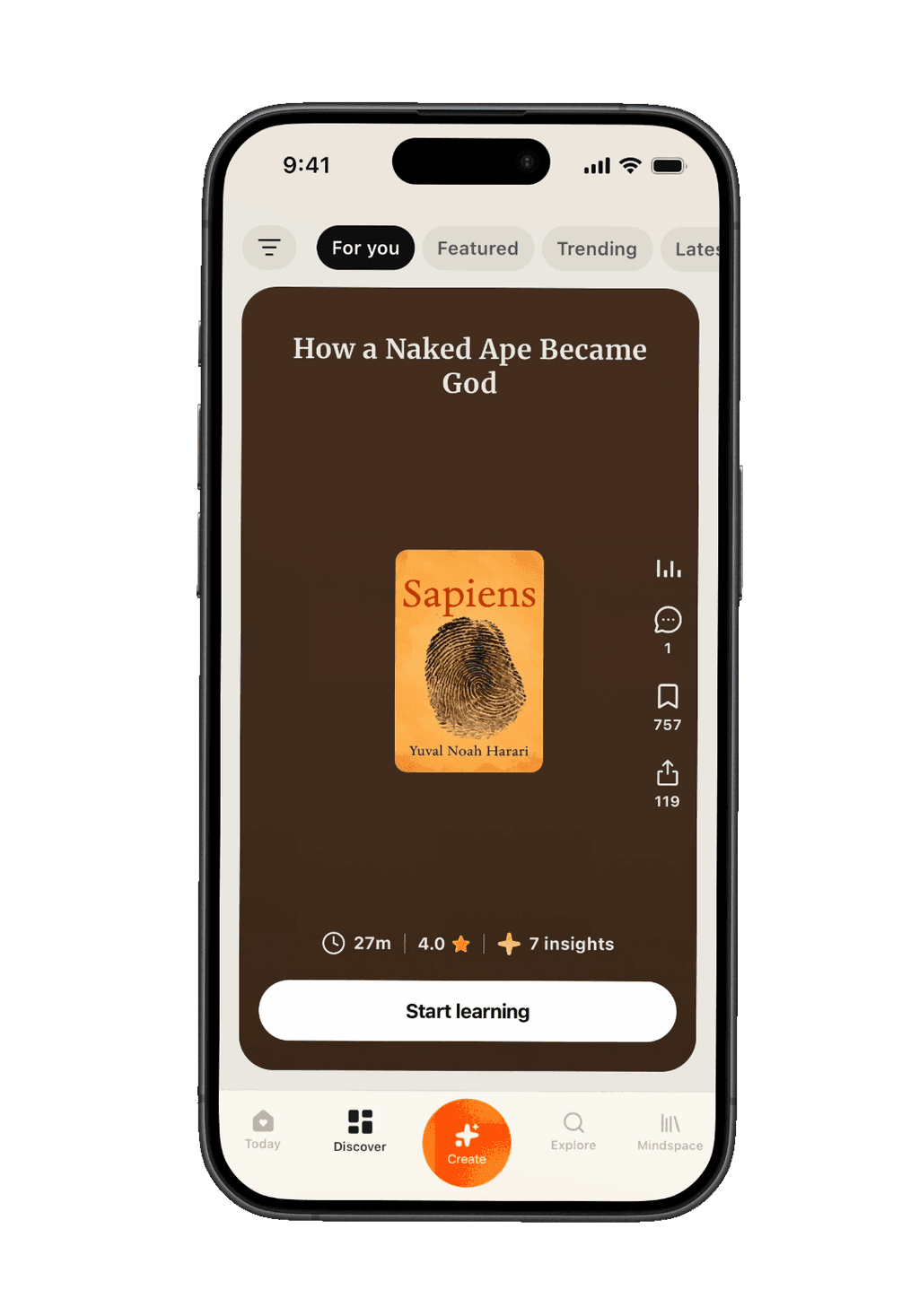
Stephanie Coontz's "Marriage, a History" shatters the myth of "traditional marriage," revealing how this ever-evolving institution transformed from economic arrangement to love-based partnership. With a stellar 3.98 Goodreads rating, it's reshaped academic discourse on relationships. What if everything you believed about marriage was wrong?
Temi chiave in Marriage, a History
- romantic love evolution
- political alliance marriage
- kinship survival strategies
- social history marriage
- institutional transformation
Citazioni da Marriage, a History
marrying for love was considered absurd and dangerous.
Marriage served practical purposes.
First we marry, then we'll fall in love.
marriage wasn't primarily about regulating sexual behavior.
marriage converted strangers into relatives.
Personaggi di Marriage, a History
- Stephanie CoontzAuthor and historian of marriage and family
- George Bernard ShawPlaywright who critiqued modern romantic marriage
- Countess of Champagne12th-century noble who separated love from marriage
- Ernestine FriedlAnthropologist who studied marriage functions
Sull'autore
Sull'autore di Marriage, a History
Stephanie Coontz, author of Marriage, A History: How Love Conquered Marriage, is a renowned historian and family studies scholar whose work reshapes understanding of social institutions.
A professor emeritus at The Evergreen State College and Director of Research for the Council on Contemporary Families, Coontz combines academic rigor with accessible storytelling to dissect evolving family dynamics.
Her expertise spans gender roles, marital traditions, and cultural nostalgia, exemplified in bestselling works like The Way We Never Were: American Families and the Nostalgia Trap.
Frequently featured on NPR, PBS NewsHour, and The Today Show, Coontz bridges scholarly research and public discourse, earning accolades including the Visionary Leadership Award and a landmark citation in the U.S. Supreme Court’s marriage equality ruling. Marriage, A History has been translated into 12 languages and remains essential reading for understanding love’s radical transformation of marriage.
Scarica il riassunto di Marriage, a History
Ottieni il riassunto di Marriage, a History in formato PDF o EPUB gratuito. Stampalo o leggilo offline quando vuoi.
FAQ su questo libro
Marriage, A History explores how marriage evolved from a pragmatic institution focused on politics, economics, and survival into a voluntary union centered on love and intimacy. Coontz traces this transformation across 5,000 years, debunking myths of "traditional marriage" by revealing its dynamic adaptations in societies worldwide. The book highlights how the 19th-century emphasis on romantic love paradoxically destabilized marriage as an institution while elevating personal fulfillment.
This book is ideal for history enthusiasts, sociology students, policymakers, and anyone curious about marriage’s cultural evolution. It offers critical insights for readers navigating modern debates on gender roles, same-sex unions, or marital norms. Coontz’s accessible yet scholarly approach balances academic rigor with engaging storytelling.
Yes—it’s a seminal work cited in the U.S. Supreme Court’s marriage equality ruling. Coontz combines meticulous research with witty prose, dismantling nostalgic myths about marriage. Though dense, its revelations about love’s disruptive role in reshaping marital norms make it a vital read for understanding contemporary relationships.
Coontz argues that the "traditional" marriage of male breadwinners and female homemakers was a mid-20th-century anomaly, not a timeless norm. She reveals how premodern marriages prioritized alliances, labor, or property over companionship, with love emerging as a destabilizing force in the 1800s. This undermines claims that modern shifts are unprecedented.
Medieval nobility used marriage to secure power, often arranging unions between children. For peasants, marriage was an economic partnership where both spouses worked equally. Coontz contrasts these class-based dynamics, showing how neither group prioritized romantic love—a stark difference from later ideals.
Post-WWII prosperity created a brief era of male-breadwinner marriages, fueled by rising wages and suburbanization. Coontz calls this a historical outlier, noting that single-earner households were unsustainable before the 20th century. By the 1970s, economic shifts and feminism revived older patterns of dual-income partnerships.
Some critics argue the book’s academic depth may overwhelm casual readers, and its focus on Western history overlooks non-European traditions. Others contest Coontz’s dismissal of gender-role nostalgia, asserting that mid-20th-century norms offered stability.
Coontz calls love a "revolutionary force" that upended marriage’s pragmatic foundations. While fostering deeper intimacy, it also made unions more fragile by prioritizing personal satisfaction over communal obligations. This shift explains rising divorce rates alongside higher expectations for marital fulfillment.
The book cites dowry contracts from ancient Babylon, medieval European inheritance disputes, Victorian love letters, and 20th-century census data. Coontz also analyzes legal reforms, religious doctrines, and literary works to demonstrate marriage’s evolving purposes.
Written before nationwide U.S. legalization, Coontz frames same-sex unions as the latest evolution in marriage’s 5,000-year reinvention. She argues that extending marital rights aligns with historical patterns of adapting institutions to new cultural values—a perspective later cited in Obergefell v. Hodges.
Coontz urges readers to view marital challenges as part of a long history of adaptation rather than decline. She emphasizes flexibility, arguing that embracing marriage’s evolving nature—from love-based partnerships to egalitarian models—can help couples navigate contemporary expectations.
Her work informs policies on parental leave, LGBTQ+ rights, and workplace equality by contextualizing modern family structures. Coontz’s analysis is frequently cited by organizations like the American Academy of Pediatrics and media outlets covering marital trends.