
How to Lead Smart People: Leadership for Professionals

Panoramica di How to Lead Smart People
Leading smart people isn't about authority - it's about influence. Singh and Mister's acclaimed guide offers 46 practical strategies for managing high-performers across industries. Recommended by executives worldwide, it reveals why traditional leadership fails when managing the brightest minds in your organization.
- Assertive communication balances authority with open dialogue to align smart teams.
- Conscious listening fosters collaboration by validating team expertise over top-down decision-making.
- Reverse mentoring bridges generational gaps while updating leaders on emerging trends.
- Energy radiators maintain momentum through visible enthusiasm and purpose-driven recognition.
- Trust-building requires transparency in decisions and consistent follow-through on commitments.
- Instead of dictating vision, co-create it with your team for stronger buy-in.
- Cultural fluency becomes critical when leading global teams of high-IQ professionals.
- Delegation frameworks transform specialists into owners through measured autonomy.
- Body language mastery amplifies leadership presence during high-stakes negotiations.
- Smart conflict resolution prioritizes face-saving exits over public reprimands.
- Multitasking erodes focus—design "deep work" buffers for complex problem-solving.
- Stakeholder storytelling aligns technical experts with organizational priorities.
Sull'autore di How to Lead Smart People
Arun Singh, co-author of How to Lead Smart People: Leadership for Professionals, is a distinguished international corporate lawyer, visiting professor, and advisor to the UK government on trade. With decades of experience as a former KPMG Law partner and educator in leadership and negotiations across global institutions, his insights stem from real-world challenges in managing high-performing teams.
Mike Mister, his collaborator, brings over 25 years of executive development expertise as a partner at the University of Cambridge’s Møller Institute, shaping leadership frameworks for Fortune 500 companies and academic programs.
Together, they combine legal, academic, and corporate perspectives to address modern leadership dilemmas, particularly in professional sectors like law, finance, and healthcare. The book’s 50 actionable lessons on communication, delegation, and empowering teams reflect their hands-on approach to resolving conflicts and fostering collaboration among equals.
How to Lead Smart People has become a go-to resource for managers and CEOs seeking strategies to inspire talent, endorsed for its concise, toolkit-driven methodology applicable across industries.
FAQ su How to Lead Smart People
What is How to Lead Smart People by Arun Singh about?
How to Lead Smart People provides actionable strategies for managing high-performing teams of knowledge workers. Structured into three sections—leading yourself, your team, and your organization—it offers over 40 lessons on assertive communication, delegation, and fostering innovation. The book emphasizes creating environments where intelligent professionals thrive, not just comply.
Who should read How to Lead Smart People?
This book is ideal for new managers, executives in technology, legal, or finance sectors, and leaders navigating teams of highly skilled professionals. It’s also valuable for career-driven individuals seeking structured frameworks to manage peers or mentors.
Is How to Lead Smart People worth reading?
Yes, reviewers praise its practicality for real-world leadership challenges, though some note the breadth of topics can feel overwhelming. Its concise, reference-style format makes it easy to revisit specific advice during critical moments.
What are the key leadership concepts in How to Lead Smart People?
Core ideas include:
- Assertive communication to align teams without micromanaging.
- Conscious listening to harness collective intelligence.
- Empowerment through delegation, fostering ownership and accountability.
How does How to Lead Smart People address leading technical experts?
The book advises balancing autonomy with clear expectations, emphasizing trust-building and aligning individual expertise with organizational goals. It warns against over-managing and highlights strategies to resolve conflicts among specialists.
What critiques exist about How to Lead Smart People?
Some readers feel the book’s broad scope sacrifices depth on individual topics. Others note it leans heavily on conventional leadership principles, though it adapts them for knowledge-worker contexts.
How does How to Lead Smart People compare to other leadership books?
Unlike generic leadership guides, it specifically targets managing highly educated, opinionated teams. It’s more tactical than theoretical, offering checklists and scenarios over abstract concepts.
What real-world applications does the book suggest?
Examples include:
- Resolving conflicts between senior experts by reframing debates around shared objectives.
- Delegating creatively in tech teams to prevent burnout while maintaining innovation.
What is the significance of the quote, “Leading smart people is about creating an environment where they can thrive”?
This mantra underscores the book’s focus on psychological safety and intellectual freedom. It advises leaders to remove bureaucratic barriers and provide resources for self-directed problem-solving.
How does Arun Singh’s background influence the book?
Singh’s 30+ years as a corporate lawyer and educator inform its pragmatic tone. His experience training global organizations ensures advice is tested in high-stakes, multicultural environments.
Why is How to Lead Smart People relevant in 2025?
As remote work and AI reshape industries, the book’s emphasis on adaptability, emotional intelligence, and decentralizing decision-making aligns with modern workplace trends.
What frameworks does the book provide for organizational leadership?
It introduces tools like the 360-degree management model, which balances self-awareness, team dynamics, and organizational strategy. Templates for feedback loops and stakeholder mapping are also included.
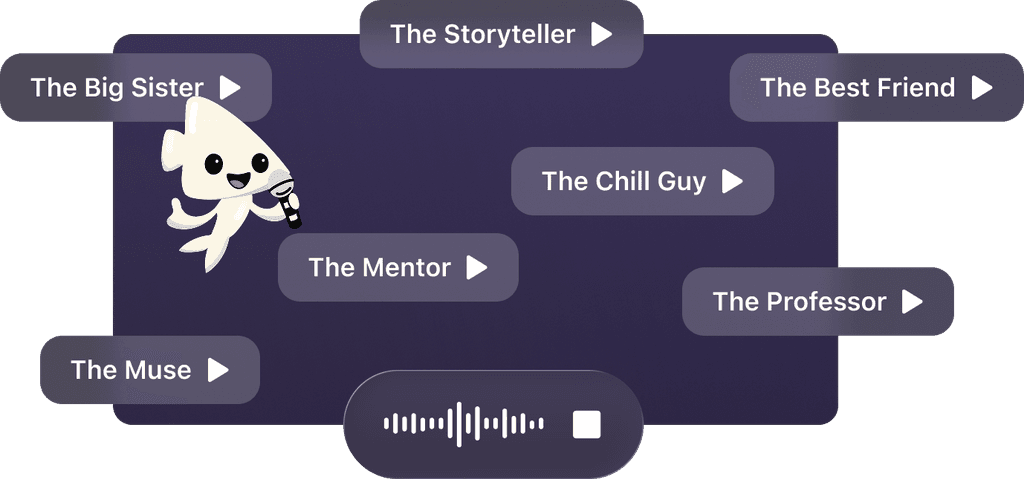
Senti il libro attraverso la voce dell'autore
Trasforma la conoscenza in spunti coinvolgenti e ricchi di esempi
Cattura le idee chiave in un lampo per un apprendimento veloce
Goditi il libro in modo divertente e coinvolgente
Personaggi di How to Lead Smart People
- Arun SinghCo-author and expert on leading knowledge workers
- Mike MisterCo-author and leadership consultant
- GeoffLeader who used emotional intelligence to help Mary
- JohanManaging partner who used empathic listening
- AsisaProfessional who built trust through consistency
Temi chiave in How to Lead Smart People
- managing knowledge workers
- leading intellectual peers
- professional services leadership
- earning credibility
- psychological safety
Citazioni da How to Lead Smart People
Smart people follow leaders they like, respect and trust.
Trust is the lubricant that makes relationships and organizations work.
Effective teams are typically small.
Stories provide crucial context that makes lessons valuable.
Esplora il Tuo Modo di Imparare
 Modalità Riassunto Rapido
Leggi o ascolta il riassunto di How to Lead Smart People in 9 minuti
Scomponi le idee chiave di How to Lead Smart People in punti facili da capire per comprendere come i team innovativi creano, collaborano e crescono.

 Modalità Divertente
Lezioni da How to Lead Smart People Raccontate in Storie di 19 Min
Vivi How to Lead Smart People attraverso narrazioni vivide che trasformano le lezioni di innovazione in momenti che ricorderai e applicherai.
 Modalità Personalizza
Vivi How to Lead Smart People nel tuo stile di apprendimento
Chiedi qualsiasi cosa, scegli il tuo stile di apprendimento e co-crea intuizioni che risuonano davvero con te.
Creato da alumni della Columbia University a San Francisco
"Instead of endless scrolling, I just hit play on BeFreed. It saves me so much time."


"I never knew where to start with nonfiction—BeFreed’s book lists turned into podcasts gave me a clear path."


"Perfect balance between learning and entertainment. Finished ‘Thinking, Fast and Slow’ on my commute this week."
"Crazy how much I learned while walking the dog. BeFreed = small habits → big gains."
"Reading used to feel like a chore. Now it’s just part of my lifestyle."

"Feels effortless compared to reading. I’ve finished 6 books this month already."
"BeFreed turned my guilty doomscrolling into something that feels productive and inspiring."

"BeFreed turned my commute into learning time. 20-min podcasts are perfect for finishing books I never had time for."
"BeFreed replaced my podcast queue. Imagine Spotify for books — that’s it. 🙌"

"It is great for me to learn something from the book without reading it."
"The themed book list podcasts help me connect ideas across authors—like a guided audio journey."
"Makes me feel smarter every time before going to work"
Creato da alumni della Columbia University a San Francisco
"Instead of endless scrolling, I just hit play on BeFreed. It saves me so much time."
"I never knew where to start with nonfiction—BeFreed’s book lists turned into podcasts gave me a clear path."
"Perfect balance between learning and entertainment. Finished ‘Thinking, Fast and Slow’ on my commute this week."
"Crazy how much I learned while walking the dog. BeFreed = small habits → big gains."
"Reading used to feel like a chore. Now it’s just part of my lifestyle."
"Feels effortless compared to reading. I’ve finished 6 books this month already."
"BeFreed turned my guilty doomscrolling into something that feels productive and inspiring."
"BeFreed turned my commute into learning time. 20-min podcasts are perfect for finishing books I never had time for."
"BeFreed replaced my podcast queue. Imagine Spotify for books — that’s it. 🙌"
"It is great for me to learn something from the book without reading it."
"The themed book list podcasts help me connect ideas across authors—like a guided audio journey."
"Makes me feel smarter every time before going to work"
"Instead of endless scrolling, I just hit play on BeFreed. It saves me so much time."
"I never knew where to start with nonfiction—BeFreed’s book lists turned into podcasts gave me a clear path."
"Perfect balance between learning and entertainment. Finished ‘Thinking, Fast and Slow’ on my commute this week."
"Crazy how much I learned while walking the dog. BeFreed = small habits → big gains."
"Reading used to feel like a chore. Now it’s just part of my lifestyle."
"Feels effortless compared to reading. I’ve finished 6 books this month already."
"BeFreed turned my guilty doomscrolling into something that feels productive and inspiring."
"BeFreed turned my commute into learning time. 20-min podcasts are perfect for finishing books I never had time for."
"BeFreed replaced my podcast queue. Imagine Spotify for books — that’s it. 🙌"
"It is great for me to learn something from the book without reading it."
"The themed book list podcasts help me connect ideas across authors—like a guided audio journey."
"Makes me feel smarter every time before going to work"
"Instead of endless scrolling, I just hit play on BeFreed. It saves me so much time."
"I never knew where to start with nonfiction—BeFreed’s book lists turned into podcasts gave me a clear path."
"Perfect balance between learning and entertainment. Finished ‘Thinking, Fast and Slow’ on my commute this week."
"Crazy how much I learned while walking the dog. BeFreed = small habits → big gains."
"Reading used to feel like a chore. Now it’s just part of my lifestyle."
"Feels effortless compared to reading. I’ve finished 6 books this month already."
"BeFreed turned my guilty doomscrolling into something that feels productive and inspiring."
"BeFreed turned my commute into learning time. 20-min podcasts are perfect for finishing books I never had time for."
"BeFreed replaced my podcast queue. Imagine Spotify for books — that’s it. 🙌"
"It is great for me to learn something from the book without reading it."
"The themed book list podcasts help me connect ideas across authors—like a guided audio journey."
"Makes me feel smarter every time before going to work"

Scarica il riassunto di How to Lead Smart People
Ottieni il riassunto di How to Lead Smart People in formato PDF o EPUB gratuito. Stampalo o leggilo offline quando vuoi.


