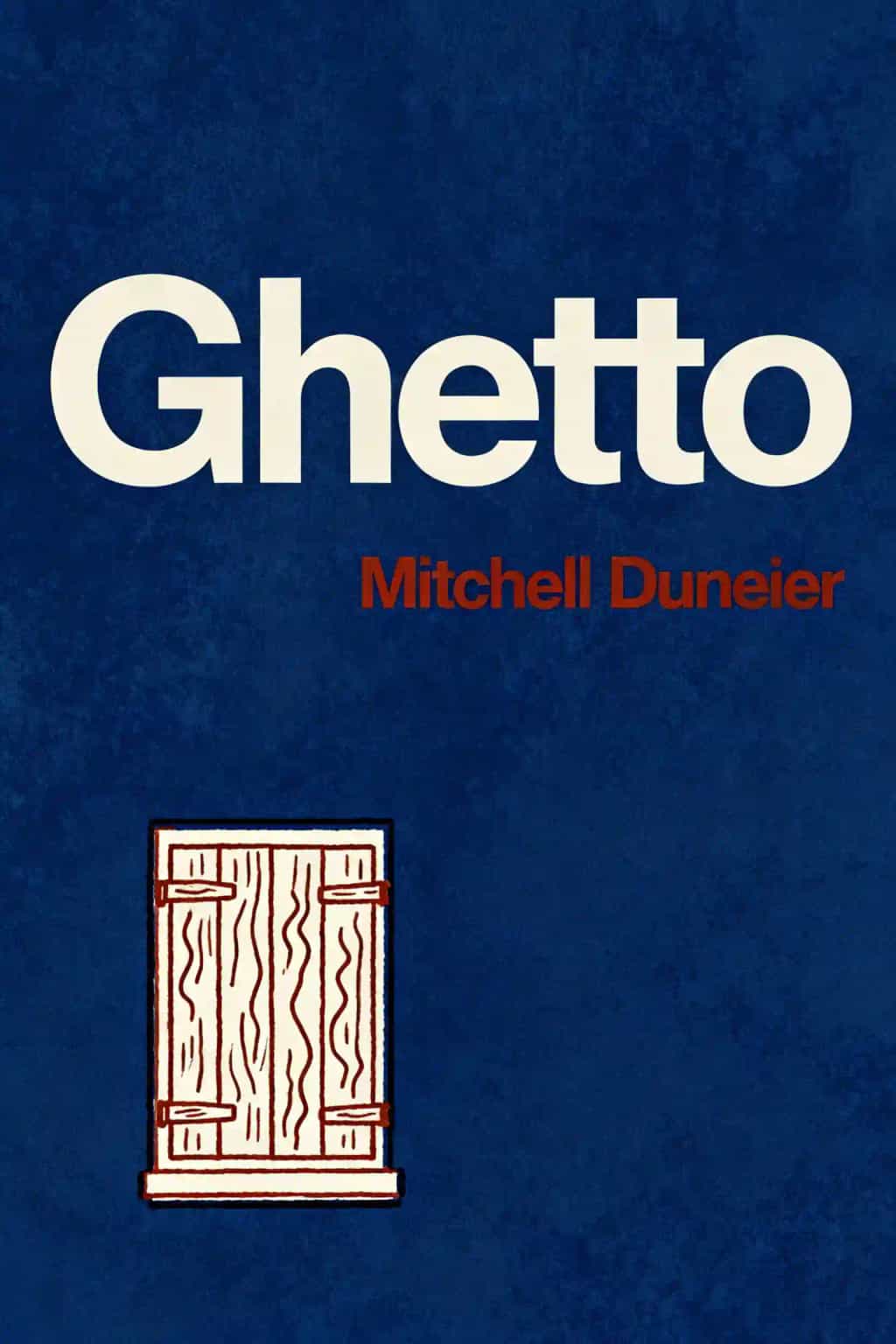
Panoramica di Ghettoside
In "Ghettoside," journalist Leovy exposes America's hidden epidemic - black homicide rates rivaling war zones. Called "the most important book about urban violence in a generation" by The Washington Post, it reveals why solving these murders might be our justice system's greatest moral test.
- Black communities face lethal violence epidemics due to systemic legal failures.
- Solving murders swiftly prevents retaliatory violence and breaks crime cycles.
- Under-policing homicide investigations perpetuate distrust in marginalized urban areas.
- Effective detective work requires cultural fluency and relentless community engagement.
- Witness intimidation fuels unreported crimes and unsolved cases in ghettoside zones.
- Jill Leovy argues urban homicides drop when murders are prioritized institutionally.
- Media indifference normalizes black-on-black violence as inevitable cultural behavior.
- Over-policing minor offenses distracts resources from solving major violent crimes.
- "Almocide" survivors face lifelong trauma without justice or institutional support.
- Legal system saturation fails to protect black men from preventable deaths.
- Community trust in police hinges on consistent homicide case resolution.
- Ghettoside exposes how institutional neglect fuels America’s racial violence divide.
Sull'autore di Ghettoside
Jill Leovy is the New York Times bestselling author of Ghettoside: A True Story of Murder in America and an award-winning journalist specializing in urban violence and criminal justice.
A former crime reporter for The Los Angeles Times, she spent over a decade documenting gang-related homicides in South Los Angeles, pioneering the groundbreaking “Homicide Report” project that chronicled every murder in the county.
Her work, praised as “Tolstoyan in its sympathies” by The New York Times, explores systemic failures in policing and the devastating consequences of unsolved killings in marginalized communities. Leovy’s expertise is bolstered by affiliations with USC’s Annenberg Center and Harvard’s sociology department, alongside recognition from the National Book Critics Circle, PEN Center USA, and the Ridenhour Prize for truth-telling.
Ghettoside has been translated into 12 languages and hailed by criminologists as “the most important book about urban violence in a generation.” Her upcoming work, Haters, examines historical patterns of interpersonal conflict.
FAQ su Ghettoside
What is Ghettoside by Jill Leovy about?
Ghettoside investigates the 2007 murder of Bryant Tennelle, a Black teenager in South Los Angeles, alongside a broader examination of systemic neglect in solving Black homicides. Through Detective John Skaggs’ relentless pursuit of justice, Jill Leovy exposes how under-policing and institutional failures perpetuate cycles of violence in marginalized communities.
Who should read Ghettoside?
This book is essential for true crime enthusiasts, advocates of criminal justice reform, and readers interested in urban sociology. Its blend of narrative storytelling and social analysis appeals to those seeking to understand racial disparities in law enforcement and the human cost of America’s homicide epidemic.
Is Ghettoside worth reading?
Yes. Leovy’s meticulous reporting and gripping prose offer a nuanced perspective on policing, making it a seminal work for understanding violence in marginalized communities. It balances a specific murder case with broader critiques of systemic indifference, earning praise as a “masterful blend of true crime and social commentary.”
What are the main themes in Ghettoside?
Key themes include systemic neglect of Black homicide victims, the collapse of community trust in law enforcement, and the societal toll of retaliatory violence. Leovy argues that improving murder clearance rates—not reducing policing—is critical to breaking cycles of urban violence.
How does Ghettoside explore community-police relations?
The book highlights detectives like Skaggs who earn community trust through dogged investigations, contrasting them with departments prioritizing “proactive policing” over solving murders. Leovy suggests that justice for victims’ families is foundational to restoring faith in law enforcement.
Who is Detective John Skaggs in Ghettoside?
Skaggs is a veteran LAPD homicide investigator central to the Tennelle case. Portrayed as meticulous and compassionate, he embodies the book’s argument that diligent detective work—not just patrols—is vital to reducing violence.
What critiques exist about Ghettoside?
Some critics note Leovy’s focus on police heroism overlooks systemic racism in policing, such as brutality or unjust stops. Others highlight the absence of discussions about police killings of Black Americans, a topic surging in relevance post-2015.
How does Ghettoside end?
The book concludes with the conviction of Tennelle’s killer, underscoring the impact of thorough investigations. Leovy ends on a cautiously hopeful note, citing declining homicide rates but emphasizing sustained investment in detective work.
What quote from Ghettoside encapsulates its message?
Leovy writes, “When the criminal justice system fails to respond to violence, it perpetuates a plague of retaliatory killings.” This underscores her thesis that solving murders disrupts cycles of vengeance.
How does Ghettoside compare to The New Jim Crow?
While both address racial injustice, Ghettoside focuses on homicide investigations rather than mass incarceration. Leovy advocates for more policing—albeit better-resourced and community-oriented—while Michelle Alexander critiques punitive systems.
Why is Ghettoside relevant today?
Despite declining homicide rates, Black communities still face disproportionate violence and under-policing. Leovy’s insights into detective work and community trust remain critical amid ongoing debates about police reform.
What is Jill Leovy’s background in writing Ghettoside?
Leovy, an L.A. Times journalist, spent a decade embedded with LAPD homicide detectives. Her immersion included attending trials, interviewing families, and analyzing crime data, lending authority to her narrative.
How does Ghettoside use real-life cases to support its arguments?
The Tennelle murder exemplifies how solving one case can foster community cooperation. Leovy shows that homicide resolution reduces retaliatory violence, as seen in declining local crime rates post-investigation.
Senti il libro attraverso la voce dell'autore
Trasforma la conoscenza in spunti coinvolgenti e ricchi di esempi
Cattura le idee chiave in un lampo per un apprendimento veloce
Goditi il libro in modo divertente e coinvolgente
Personaggi di Ghettoside
- Jill LeovyAuthor and reporter who embedded with the LAPD
- John SkaggsLead homicide detective in South Los Angeles
- James Forman Jr.Legal scholar who analyzes criminal justice trends
Temi chiave in Ghettoside
- homicide clearance rates
- legal abandonment
- witness intimidation
- urban violence epidemic
- investigative ethics
Citazioni da Ghettoside
Black men die at rates that would be considered national emergencies.
In America, these men are considered expendable.
She ain't a whore no more. She's some daddy's baby.
Nothing else matters after working murders.
Black people in Watts were governed by a complex system of etiquette backed by violence.
Esplora il Tuo Modo di Imparare
 Modalità Riassunto Rapido
Leggi o ascolta il riassunto di Ghettoside in 8 minuti
Scomponi le idee chiave di Ghettoside in punti facili da capire per comprendere come i team innovativi creano, collaborano e crescono.

 Modalità Divertente
Lezioni da Ghettoside Raccontate in Storie di 17 Min
Vivi Ghettoside attraverso narrazioni vivide che trasformano le lezioni di innovazione in momenti che ricorderai e applicherai.
 Modalità Personalizza
Vivi Ghettoside nel tuo stile di apprendimento
Chiedi qualsiasi cosa, scegli il tuo stile di apprendimento e co-crea intuizioni che risuonano davvero con te.

Creato da alumni della Columbia University a San Francisco
"Instead of endless scrolling, I just hit play on BeFreed. It saves me so much time."


"I never knew where to start with nonfiction—BeFreed’s book lists turned into podcasts gave me a clear path."


"Perfect balance between learning and entertainment. Finished ‘Thinking, Fast and Slow’ on my commute this week."
"Crazy how much I learned while walking the dog. BeFreed = small habits → big gains."
"Reading used to feel like a chore. Now it’s just part of my lifestyle."

"Feels effortless compared to reading. I’ve finished 6 books this month already."
"BeFreed turned my guilty doomscrolling into something that feels productive and inspiring."

"BeFreed turned my commute into learning time. 20-min podcasts are perfect for finishing books I never had time for."
"BeFreed replaced my podcast queue. Imagine Spotify for books — that’s it. 🙌"

"It is great for me to learn something from the book without reading it."
"The themed book list podcasts help me connect ideas across authors—like a guided audio journey."
"Makes me feel smarter every time before going to work"
Creato da alumni della Columbia University a San Francisco
"Instead of endless scrolling, I just hit play on BeFreed. It saves me so much time."
"I never knew where to start with nonfiction—BeFreed’s book lists turned into podcasts gave me a clear path."
"Perfect balance between learning and entertainment. Finished ‘Thinking, Fast and Slow’ on my commute this week."
"Crazy how much I learned while walking the dog. BeFreed = small habits → big gains."
"Reading used to feel like a chore. Now it’s just part of my lifestyle."
"Feels effortless compared to reading. I’ve finished 6 books this month already."
"BeFreed turned my guilty doomscrolling into something that feels productive and inspiring."
"BeFreed turned my commute into learning time. 20-min podcasts are perfect for finishing books I never had time for."
"BeFreed replaced my podcast queue. Imagine Spotify for books — that’s it. 🙌"
"It is great for me to learn something from the book without reading it."
"The themed book list podcasts help me connect ideas across authors—like a guided audio journey."
"Makes me feel smarter every time before going to work"
"Instead of endless scrolling, I just hit play on BeFreed. It saves me so much time."
"I never knew where to start with nonfiction—BeFreed’s book lists turned into podcasts gave me a clear path."
"Perfect balance between learning and entertainment. Finished ‘Thinking, Fast and Slow’ on my commute this week."
"Crazy how much I learned while walking the dog. BeFreed = small habits → big gains."
"Reading used to feel like a chore. Now it’s just part of my lifestyle."
"Feels effortless compared to reading. I’ve finished 6 books this month already."
"BeFreed turned my guilty doomscrolling into something that feels productive and inspiring."
"BeFreed turned my commute into learning time. 20-min podcasts are perfect for finishing books I never had time for."
"BeFreed replaced my podcast queue. Imagine Spotify for books — that’s it. 🙌"
"It is great for me to learn something from the book without reading it."
"The themed book list podcasts help me connect ideas across authors—like a guided audio journey."
"Makes me feel smarter every time before going to work"
"Instead of endless scrolling, I just hit play on BeFreed. It saves me so much time."
"I never knew where to start with nonfiction—BeFreed’s book lists turned into podcasts gave me a clear path."
"Perfect balance between learning and entertainment. Finished ‘Thinking, Fast and Slow’ on my commute this week."
"Crazy how much I learned while walking the dog. BeFreed = small habits → big gains."
"Reading used to feel like a chore. Now it’s just part of my lifestyle."
"Feels effortless compared to reading. I’ve finished 6 books this month already."
"BeFreed turned my guilty doomscrolling into something that feels productive and inspiring."
"BeFreed turned my commute into learning time. 20-min podcasts are perfect for finishing books I never had time for."
"BeFreed replaced my podcast queue. Imagine Spotify for books — that’s it. 🙌"
"It is great for me to learn something from the book without reading it."
"The themed book list podcasts help me connect ideas across authors—like a guided audio journey."
"Makes me feel smarter every time before going to work"

Scarica il riassunto di Ghettoside
Ottieni il riassunto di Ghettoside in formato PDF o EPUB gratuito. Stampalo o leggilo offline quando vuoi.