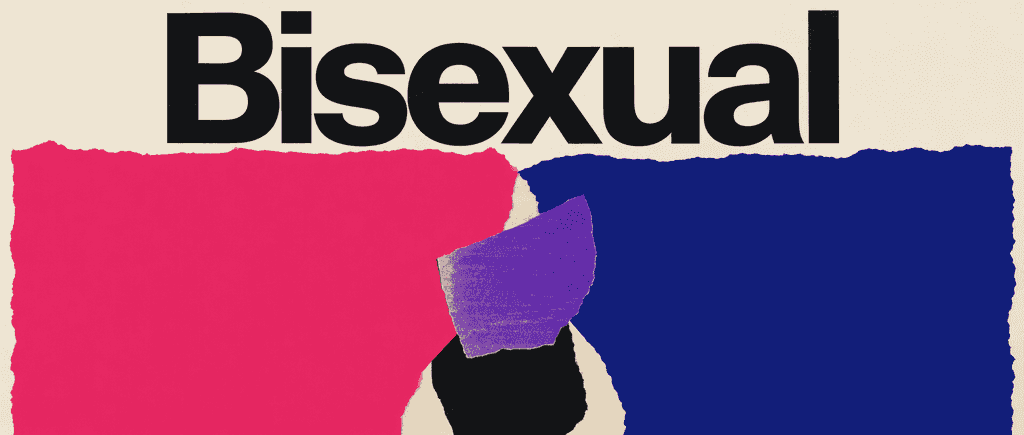
Panoramica di Fun Home
Alison Bechdel's groundbreaking graphic memoir explores family secrets, sexuality, and her complex relationship with her closeted father. Tony Award-winning and Time Magazine's "Best Book," Fun Home revolutionized LGBTQ+ storytelling. How did a meticulously researched family tragicomic become required reading for understanding identity?
- How a closeted father's double life mirrors a daughter's queer awakening
- Graphic memoir storytelling reveals trauma through literary allusions and visual metaphors
- Repressed homosexuality in 1960s America fuels family silence and dysfunction
- A father's perfectionism masks internalized shame and forbidden desires
- Queer identity emerges through juxtaposition of parental repression and self-acceptance
- Non-linear narrative structure mirrors the process of posthumous paternal understanding
- Funeral home setting symbolizes emotional detachment and childhood desensitization to death
- Alison Bechdel's Fun Home redefines autobiography through queer lens and comics
- Intergenerational trauma explored through shared but unspoken LGBTQ+ experiences
- Freudian analysis of mourning versus melancholia in unresolved father-daughter relationships
- How coming out narratives collide with family secrets and denial
- The American Dream's heteronormative facade crumbles through multigenerational queer perspective
Sull'autore di Fun Home
Alison Bechdel, acclaimed cartoonist and graphic memoirist, authored the groundbreaking book Fun Home: A Family Tragicomic, a genre-defining work that blends autobiography with literary introspection.
Born in 1960 in Beech Creek, Pennsylvania, Bechdel draws from her lived experience as a lesbian and her complex relationship with her closeted gay father to explore themes of identity, family secrets, and queer self-discovery.
A graduate of Oberlin College, she first gained recognition for her long-running comic strip Dykes to Watch Out For (1983–2008), which introduced the influential Bechdel test for gender representation in media. Her follow-up memoirs, Are You My Mother? and The Secret to Superhuman Strength, further cement her reputation for weaving psychological depth with stark visual storytelling.
A 2014 MacArthur Fellow, Bechdel’s work has been translated into over 20 languages. Fun Home became a cultural phenomenon as a Tony Award-winning Broadway musical in 2015, earning 12 nominations and winning five awards, including Best Musical.
FAQ su Fun Home
What is Fun Home by Alison Bechdel about?
Fun Home is a graphic memoir exploring Alison Bechdel’s complex relationship with her closeted gay father, Bruce, and her own journey of self-discovery as a lesbian. The narrative intertwines themes of family secrets, sexual identity, and Bruce’s mysterious death—possibly a suicide—after Alison comes out. Through vivid illustrations and literary references, Bechdel examines how her father’s repression shaped their fractured bond.
Who should read Fun Home by Alison Bechdel?
This memoir resonates with readers interested in LGBTQ+ narratives, graphic novels, and family dynamics. It’s ideal for those exploring themes of identity, intergenerational trauma, or the impact of societal repression on personal relationships. Academics and fans of autobiographical works will also appreciate its layered storytelling and visual-literary fusion.
Is Fun Home worth reading?
Yes—Fun Home is critically acclaimed for its innovative blend of art and prose, earning spots on The New York Times bestseller list and Time’s 2006 Book of the Year. Its raw exploration of grief, sexuality, and familial dissonance offers profound insights, making it a landmark work in graphic literature.
How does Fun Home explore LGBTQ+ identity?
Bechdel contrasts her open lesbian identity with her father’s hidden homosexuality, highlighting generational shifts in queer visibility. Bruce’s clandestine affairs and internalized shame—juxtaposed against Alison’s defiant self-acceptance—underscore the destructive effects of societal stigma. The memoir also critiques norms around gender expression, as Bruce polices Alison’s clothing to project his repressed femininity.
What role does the funeral home play in Fun Home?
Nicknamed the “Fun Home,” the family-run funeral home symbolizes Bruce’s obsession with appearances and emotional detachment. Its Gothic revival architecture mirrors his perfectionism, while the morbid setting reflects the family’s unspoken tensions. For Alison, it becomes a space of childhood play, contrasting with the dysfunction of their actual home.
How does Fun Home address the theme of family secrets?
The memoir揭露s Bruce’s extramarital affairs with men, which Helen (Alison’s mother) tolerated for years. Alison grapples with her father’s double life and the possibility that his death was suicide, questioning how secrecy perpetuated their emotional distance. These revelations reframe her childhood memories, emphasizing the cost of denial.
What literary references appear in Fun Home?
Bechdel weaves in allusions to Proust, Fitzgerald, and Joyce, particularly Ulysses, drawing parallels between her father and Joyce’s Leopold Bloom. These references deepen the narrative’s exploration of self-discovery and inherited trauma, positioning Bruce’s story within a broader literary canon.
How does Fun Home’s graphic novel format enhance its storytelling?
The visual medium juxtaposes detailed illustrations with sparse text, emphasizing contrasts—between Alison’s youthful innocence and adult retrospection, or the home’s orderly facade and its emotional chaos. Panels often mirror photographs or diary entries, creating a visceral connection to memory.
What is the significance of Alison’s coming-out timeline in Fun Home?
Alison comes out at 19, shortly before her father’s death, leaving unresolved questions about his reaction. Their mirrored sexualities—one repressed, one liberated—drive her quest to understand him posthumously, framing their relationship as a tragic collision of timing and societal pressure.
How does Fun Home compare to its musical adaptation?
The Tony-winning musical condenses the memoir’s non-linear structure into three Alisons (child, college student, adult) reflecting in real-time. While the book delves deeper into literary analysis, the adaptation amplifies emotional beats through song, particularly Bruce’s inner turmoil.
What critiques exist about Fun Home?
Some critics argue the memoir’s dense intertextuality and fragmented timeline alienate casual readers. Others note its focus on Bruce’s perspective risks marginalizing Helen’s experience. However, most praise its unflinching honesty and artistic ambition.
Why is Fun Home still relevant in 2025?
Its themes of identity, familial reconciliation, and LGBTQ+ visibility remain timely amid ongoing debates about gender norms and mental health. The memoir’s nuanced portrayal of intergenerational trauma also resonates in an era prioritizing holistic understandings of personal history.
Senti il libro attraverso la voce dell'autore
Trasforma la conoscenza in spunti coinvolgenti e ricchi di esempi
Cattura le idee chiave in un lampo per un apprendimento veloce
Goditi il libro in modo divertente e coinvolgente
Personaggi di Fun Home
- Alison BechdelThe author and protagonist of the memoir
- Bruce BechdelAlison's father, a funeral director and teacher
- The motherAlison's mother, an academic and actress
Temi chiave in Fun Home
- closeted fatherhood
- lesbian identity formation
- family secrets
- funeral home upbringing
- literary allusion
Citazioni da Fun Home
My dad and I both grew up in the same small Pennsylvania town, and he was gay, and I was gay, and he killed himself, and I became a lesbian cartoonist.
I had begun to suspect, with mounting excitement, that I was a lesbian.
Everyone is performing, and no one is truly seen.
Death is not an abstract concept but a daily reality.
Bruce contains multitudes that never quite harmonize.
Esplora il Tuo Modo di Imparare
 Modalità Riassunto Rapido
Leggi o ascolta il riassunto di Fun Home in 8 minuti
Scomponi le idee chiave di Fun Home in punti facili da capire per comprendere come i team innovativi creano, collaborano e crescono.

 Modalità Divertente
Lezioni da Fun Home Raccontate in Storie di 21 Min
Vivi Fun Home attraverso narrazioni vivide che trasformano le lezioni di innovazione in momenti che ricorderai e applicherai.
 Modalità Personalizza
Vivi Fun Home nel tuo stile di apprendimento
Chiedi qualsiasi cosa, scegli il tuo stile di apprendimento e co-crea intuizioni che risuonano davvero con te.
Creato da alumni della Columbia University a San Francisco
"Instead of endless scrolling, I just hit play on BeFreed. It saves me so much time."


"I never knew where to start with nonfiction—BeFreed’s book lists turned into podcasts gave me a clear path."


"Perfect balance between learning and entertainment. Finished ‘Thinking, Fast and Slow’ on my commute this week."
"Crazy how much I learned while walking the dog. BeFreed = small habits → big gains."
"Reading used to feel like a chore. Now it’s just part of my lifestyle."

"Feels effortless compared to reading. I’ve finished 6 books this month already."
"BeFreed turned my guilty doomscrolling into something that feels productive and inspiring."

"BeFreed turned my commute into learning time. 20-min podcasts are perfect for finishing books I never had time for."
"BeFreed replaced my podcast queue. Imagine Spotify for books — that’s it. 🙌"

"It is great for me to learn something from the book without reading it."
"The themed book list podcasts help me connect ideas across authors—like a guided audio journey."
"Makes me feel smarter every time before going to work"
Creato da alumni della Columbia University a San Francisco
"Instead of endless scrolling, I just hit play on BeFreed. It saves me so much time."
"I never knew where to start with nonfiction—BeFreed’s book lists turned into podcasts gave me a clear path."
"Perfect balance between learning and entertainment. Finished ‘Thinking, Fast and Slow’ on my commute this week."
"Crazy how much I learned while walking the dog. BeFreed = small habits → big gains."
"Reading used to feel like a chore. Now it’s just part of my lifestyle."
"Feels effortless compared to reading. I’ve finished 6 books this month already."
"BeFreed turned my guilty doomscrolling into something that feels productive and inspiring."
"BeFreed turned my commute into learning time. 20-min podcasts are perfect for finishing books I never had time for."
"BeFreed replaced my podcast queue. Imagine Spotify for books — that’s it. 🙌"
"It is great for me to learn something from the book without reading it."
"The themed book list podcasts help me connect ideas across authors—like a guided audio journey."
"Makes me feel smarter every time before going to work"
"Instead of endless scrolling, I just hit play on BeFreed. It saves me so much time."
"I never knew where to start with nonfiction—BeFreed’s book lists turned into podcasts gave me a clear path."
"Perfect balance between learning and entertainment. Finished ‘Thinking, Fast and Slow’ on my commute this week."
"Crazy how much I learned while walking the dog. BeFreed = small habits → big gains."
"Reading used to feel like a chore. Now it’s just part of my lifestyle."
"Feels effortless compared to reading. I’ve finished 6 books this month already."
"BeFreed turned my guilty doomscrolling into something that feels productive and inspiring."
"BeFreed turned my commute into learning time. 20-min podcasts are perfect for finishing books I never had time for."
"BeFreed replaced my podcast queue. Imagine Spotify for books — that’s it. 🙌"
"It is great for me to learn something from the book without reading it."
"The themed book list podcasts help me connect ideas across authors—like a guided audio journey."
"Makes me feel smarter every time before going to work"
"Instead of endless scrolling, I just hit play on BeFreed. It saves me so much time."
"I never knew where to start with nonfiction—BeFreed’s book lists turned into podcasts gave me a clear path."
"Perfect balance between learning and entertainment. Finished ‘Thinking, Fast and Slow’ on my commute this week."
"Crazy how much I learned while walking the dog. BeFreed = small habits → big gains."
"Reading used to feel like a chore. Now it’s just part of my lifestyle."
"Feels effortless compared to reading. I’ve finished 6 books this month already."
"BeFreed turned my guilty doomscrolling into something that feels productive and inspiring."
"BeFreed turned my commute into learning time. 20-min podcasts are perfect for finishing books I never had time for."
"BeFreed replaced my podcast queue. Imagine Spotify for books — that’s it. 🙌"
"It is great for me to learn something from the book without reading it."
"The themed book list podcasts help me connect ideas across authors—like a guided audio journey."
"Makes me feel smarter every time before going to work"

Scarica il riassunto di Fun Home
Ottieni il riassunto di Fun Home in formato PDF o EPUB gratuito. Stampalo o leggilo offline quando vuoi.