Capitolo 1
From Couch to Ultraman: One Man's Unlikely Journey
The crash comes out of nowhere. One second I'm cycling fast through pouring rain, the next I'm hurled off my bike, slamming my head to the ground as my body skids across wet pavement. It's the 2009 Ultraman World Championships in Hawaii-a grueling 320-mile triathlon-and just yesterday, I stunned everyone by winning Day One. Now my pedal is shattered, my helmet cracked, and my body bleeding. As I consider slinking away before anyone sees me, other competitors' crew members rush to help, miraculously producing an identical replacement pedal. Despite being hurt and having lost my lead, Peter McIntosh looks me straight in the eyes: "This is not over. Now, get back on your bike and get it done." In that moment of silence, I turn off the voice urging me to quit. I get back on the bike. My race, it seems, is only just beginning.
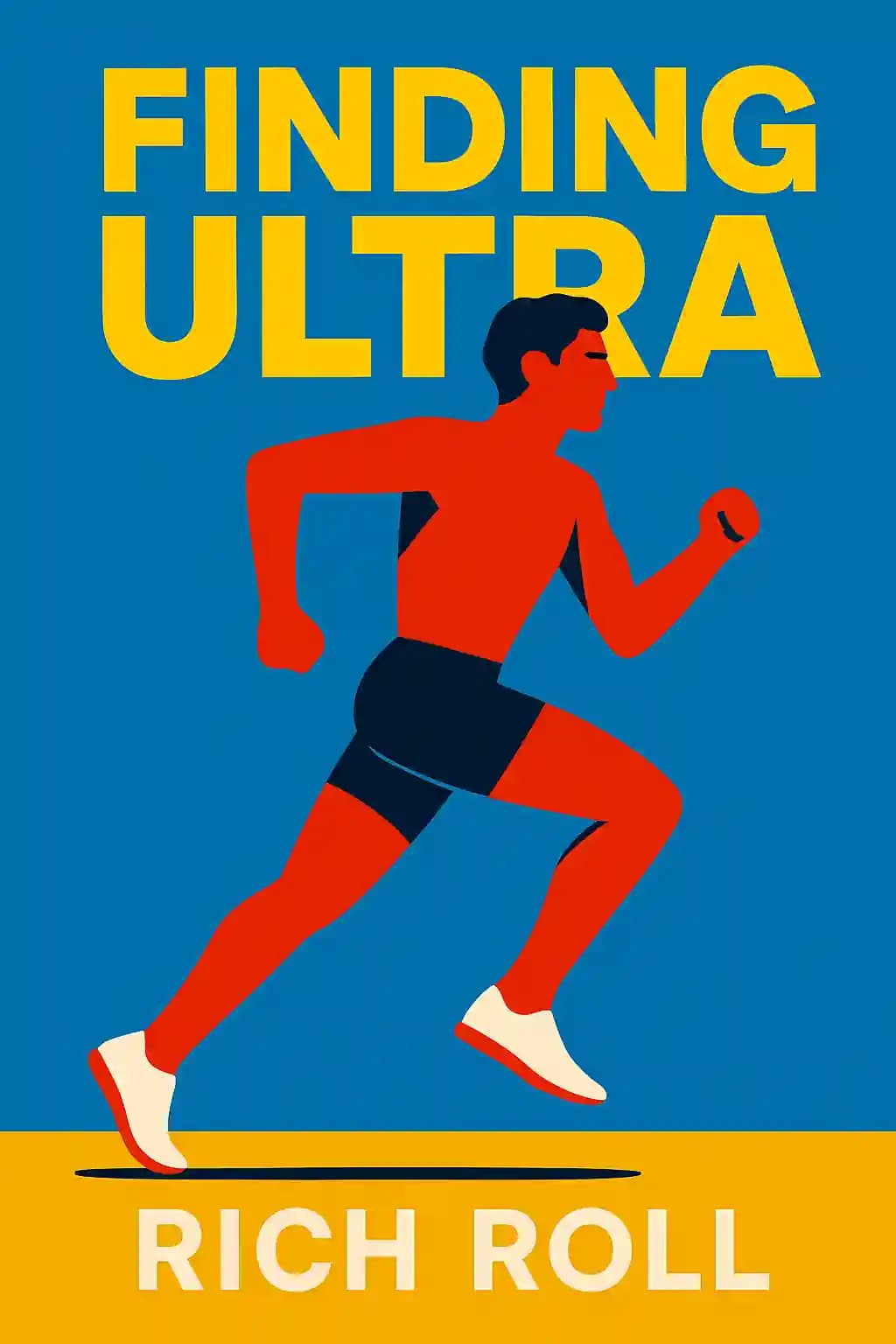
This scene from Rich Roll's "Finding Ultra" encapsulates the journey of a man who transformed from an overweight, alcoholic lawyer to one of the world's fittest men. Endorsed by celebrities like Jason Momoa and praised by publications from The New York Times to Men's Fitness, Roll's story has inspired millions to reimagine what's possible in midlife. His podcast now reaches over 200 million downloads, making him one of wellness culture's most influential voices-all from someone who once couldn't climb a flight of stairs without gasping for breath.
Capitolo 2
The Wake-Up Call That Changed Everything
It was the night before my fortieth birthday in October 2006. While my wife Julie and our three kids slept, I indulged in my nightly ritual-binging on cheeseburgers and nicotine gum while watching Law & Order reruns. Though I'd been sober from alcohol and drugs for eight years, I still felt entitled to my junk food habits.
That night, something changed. After checking on my sleeping stepsons, I struggled up our staircase, pausing halfway-winded and nauseous after just eight steps. At 208 pounds, I could barely breathe. Reaching our bedroom, I watched Julie and our two-year-old daughter sleeping in the moonlight. Tears streamed down my face as a vision flashed before me: Mathis on her wedding day, surrounded by family-but I wasn't there. I was dead.
In the bathroom mirror, I confronted the truth. Gone was the handsome swimming champion I'd once been. I was fat, unhealthy, and depressed-despite outward appearances of success. I'd built a perfect life-sobriety, my own law firm, a beautiful family, dream home-yet I was in free fall.
The next morning, I turned to Julie, who had always embraced yoga, meditation, and alternative nutrition while I mocked her "cardboard" health foods. Nervously, I asked about the cleanse she'd done the previous year. Without questioning my sudden interest, Julie helped me begin a seven-day regimen of herbs, teas, and vegetable juices. I quit caffeine, nicotine, and solid food simultaneously, spending the first days curled in a sweating ball. By day five, however, I felt reborn-clear-minded, energetic, and vibrant in ways I'd never imagined possible.
After completing the cleanse, I committed to a vegetarian diet and exercise three times weekly. But six months later, I remained 40 pounds overweight and lethargic. My "vegetarian" diet was actually filled with cheese pizza, nachos, and processed foods-technically meatless but far from healthy.
In desperation, I made a radical decision to go fully vegan, eliminating all animal products including dairy. After a brutal first week of dairy withdrawal, I recaptured the vibrant energy from my cleanse. Soon I was bouncing off walls, working out almost daily, and experiencing what I call "the Run"-a transformative four-hour, 24-mile spiritual journey on Dirt Mulholland trail that convinced me this middle-aged man would soon be making a competitive return to athletics.
Capitolo 3
The Swimming Prodigy Who Lost His Way
Long before veganism or running, water was my first love. Before I could walk, my mother tossed my diapered body into the deep end of our neighborhood pool, rescuing me only as I was about to drown. Rather than crying, I smiled as if asking when I could do it again.
Born in 1966 to high school sweethearts Nancy "Spinner" Spindle and Dave "Muffin" Roll, I arrived frail and sickly-a rawboned, cross-eyed weakling prone to earaches and allergies, with no indication of future athletic potential. My appearance made fitting in impossible-I wore an eye patch under thick glasses to correct my cross-eye, plus orthodontic headgear with metal wires pulled tight by an elastic head strap. On the playground, my poor coordination made me the last picked for every game.
Summer brought relief at Edgemoor, our neighborhood swim club, where I discovered my element. By eight, I was winning local swim meets regularly, finding joy in a sport where hard work and discipline left me solely responsible for the results. At fifteen, I petitioned my prestigious prep school for an unprecedented exemption from mandatory after-school sports to join the elite Curl Swim Club. My life transformed as I began rising at 4:44 AM for morning practice, choosing to specialize in the grueling 200-yard butterfly-an event most swimmers avoided.
I doubled down on training to compensate for my talent deficit, embracing special workouts designed to test my limits. The pain became addictive, unconsciously helping me exorcise the emotional numbness from my difficult school experience. By sixteen, I'd achieved national ranking-eighth in the country for my age in the 200-meter butterfly-and began competing at national-level meets alongside swimming legends.
My swimming prowess earned me a scholarship to Stanford University, where I joined the powerhouse swim team under legendary coach Skip Kenney. Though initially intimidated by Olympic-caliber teammates, I worked my way into the traveling squad by sophomore year. But my promising career would soon unravel due to a force more powerful than my dedication to swimming: alcohol.
Capitolo 4
The Descent Into Addiction
From my very first beer with teammate Bruce Kimball during freshman year, I subconsciously knew alcohol might become a problem for me. I liked it too much. One drunken night a week quickly became two, then four to five by spring. I rationalized this as normal college behavior, maintaining mostly A's despite shirking studying for keggers.
During sophomore and junior years, my love for swimming faded completely. My times reflected my waning focus, and I abandoned my lofty goals-including my human biology major and medical school ambitions-for staying out late and getting drunk. Despite pledging sobriety before junior year's Pac-10 Championships, I couldn't last a week without alcohol. When I finally quit swimming, visiting Skip's office to break the news, I expected him to fight for me. Instead, he barely looked up from his newspaper: "Okay, Rich. Good luck."
After graduation, I took a paralegal position at Skadden, Arps in New York City, partly because I wouldn't need a car and could "drink as much as I want without worrying about getting a DUI." My job proved mind-numbingly tedious, but Manhattan was indeed "Disneyland for the alcoholic." With a group of like-minded friends dubbed "Kings of the Low Budget Social Scene," I plunged into Manhattan's nightlife underbelly.
Then came a last-minute acceptance to Cornell Law School. Despite my terrible experience at Skadden, I decided to pursue law, perhaps from some subconscious protective instinct to save myself from disappearing completely down the rabbit hole. Yet in Ithaca, I simply brought my drinking problems with me, now with the added danger of a car and several narrow escapes from DUI arrests.
On graduation day, I began drinking immediately upon waking, consuming eight beers before donning my cap and gown. Desperate to stand out, I kicked off my shoes and received my diploma barefoot. My classmates cheered, but my parents were devastated. That night, my parents departed with a muted goodbye that seemed to say, "You're on your own now, big man." Alone in my room, I wept until my stomach ached with remorse.
Capitolo 5
Rock Bottom and Redemption
Following a disastrous failed wedding to my fiancee Michele (who had been having an affair during our engagement), I spent nine months bouncing in and out of recovery, unable to maintain sobriety despite wanting it desperately. My deteriorating condition strained my relationship with my parents, culminating in my father's painful ultimatum: "If you get sober, give us a call. But until then, we don't want to hear from you."
After another relapse, I finally made an appointment with Dr. Garrett O'Connor, who immediately cut through my defenses, calling me "terminally unique" and a "garden-variety alcoholic." He insisted I needed rehab, but I resisted until yet another relapse forced me to honor our agreement.
What began as a planned three-week stay at Springbrook Northwest became a 100-day commitment after the director compared me to Jay Maloney-a Hollywood agent who would later commit suicide-warning my alcoholism had progressed to that of a "sixty-five-year-old lifelong chronic drinker."
I surrendered to the process, learning I was powerless over alcohol and needed a spiritual solution. My counselor Stan, a former lawyer who'd lost everything to addiction, guided me through painful self-examination. I compiled a 100-page moral inventory of resentments, fears and harms, discovering they all stemmed from fear. After sharing this inventory with a priest, I drove to Cannon Beach where I prayed to a God of my understanding and burned my inventory to ashes-which still sit in a Tibetan singing bowl by my bed.
After leaving Springbrook in September 1998, I quit my law firm job without another position lined up. Soon after, I began taking yoga classes where I met Julie-a divorced mother of two young boys. Despite friends warning me to "tread lightly," I fell in love with this artistic powerhouse. We built our dream home in Malibu Canyon, had a child together, and married in our backyard surrounded by music and loved ones. I was finally sober, learning not just to love but to receive love.
Capitolo 6
The Plant-Based Revolution
In 1984, as a high school swimmer, I'd devour donuts and fast food after morning practice without a thought. These habits continued through college and worsened with my alcoholism. By 40, I was 50 pounds overweight and gasping for air climbing stairs. My transformation began with a seven-day cleanse, followed by an uninformed attempt at vegetarianism. In June 2007, I experimented with a plant-based whole-food diet that I've since refined into the PlantPower Diet. Within six months, I'd lost 45 pounds and felt incredible-my energy soared, thinking cleared, and depression subsided.
I hesitate using the word "vegan" despite eating no animal products, as it connotes political activism that can alienate those who might benefit from this way of eating. I was initially skeptical myself, associating it with hippie culture. My transition to plant-based eating came from asking what makes my body run best. The answer was simple: plants.
Today's food landscape is a confusing morass of conflicting claims and marketing slogans. But eating right isn't actually complex. The PlantPower approach is fundamentally simple: eat plant-based whole foods while avoiding most processed foods. I don't overcomplicate eating, count grams, or obsess over macronutrient ratios-that leads to burnout. Sustainability is key. The basic principle: eat plants of all varieties, colors and types, simply prepared and close to their natural state.
Despite consistent evidence supporting plant-based nutrition, I've faced resistance and myths about getting adequate protein, iron, and other nutrients. The protein question is one I'm asked nearly every day, yet it's based on a misconception. Proteins consist of twenty different amino acids, eleven synthesized naturally by our bodies and nine "essential" ones that must come from food. These essential amino acids aren't exclusive to animal products-they're originally synthesized by plants and found in meat and dairy only because animals have eaten plants.
Only about one in ten calories we consume needs to come from protein, yet the typical American consumes twice what they need. At my weight of 160 pounds, that's about 87 grams daily-easily achieved through plant foods spread throughout the day. Remember: some of the strongest animals in the world-elephants, rhinos, hippos, and gorillas-get 100% of their protein from plants.
Capitolo 7
From Novice to Ultra-Athlete
In 2007, a few months into my plant-based nutrition experiment, my energy levels skyrocketed. I began mild exercise, then impulsively signed up for the Wildflower Long Course Triathlon, a tough half-Ironman. Without proper preparation knowledge, I trained in my old-school "no pain, no gain" style-pushing as hard as possible during every workout. The result was disastrous: I seized up during the swim, vomited after finding my bike, and ultimately collapsed with severe cramping, earning the dreaded "DNF" (Did Not Finish) designation.
Despite this humbling debut, I remained captivated by endurance sports. I needed a proper goal to focus my energy: Ironman-the ultimate endurance test combining a 2.4-mile swim, 112-mile bike ride, and full marathon. Through my friend Gavin, I connected with coach Chris Hauth, a former Olympic swimmer and professional Ironman athlete. Chris immediately had me take a lactate test, which revealed my fitness was nowhere near what I thought despite all my self-styled "training."
His training philosophy centered on building my aerobic engine by staying in "Zone Two"-keeping my heart rate below 140 on runs and 130 on the bike. This contradicted everything I believed about training. I'd been spending most workouts in the "gray zone"-too hard for aerobic development but not intense enough to build speed. Chris explained that endurance success comes not to the fastest athlete but "to the guy who slows down the least."
After a month of training with Chris, I needed a race to focus on. I naively logged onto the Ironman website only to discover all events were sold out a year in advance. Then serendipity struck when I picked up a magazine featuring David Goggins-a former 290-pound Navy SEAL who transformed himself into an ultra-endurance athlete. What captivated me was his participation in the Ultraman World Championships-a three-day race around Hawaii's Big Island consisting of a 6.2-mile swim, 260-mile bike ride, and 52.4-mile run.
Despite having zero credentials, I convinced Jane Bockus, Ultraman's gatekeeper, of my commitment. With only six months to prepare for this seemingly impossible challenge, I had no room for error. Chris and I built my training volume methodically to avoid injury, starting with about ten hours weekly and eventually reaching peak volume of twenty-five hours in September. Chris's approach was working-my running pace at the same heart rate improved from 10:15 per mile to 8:00.
As my training progressed, I experimented extensively with nutrition, discovering that raw vegetable and fruit blends provided better pre-workout energy than traditional grain-based breakfasts. During training, I abandoned sugary sports drinks and gels in favor of natural electrolytes and actual food-yams, almond butter sandwiches, rice balls, and potato wedges. I also increased my intake of nutrient-dense dark leafy greens and healthy fats, which surprisingly decreased rather than increased my appetite while improving my energy and performance.
Capitolo 8
The Ultraman Challenge
In 2008, my only goal for Ultraman was to finish, though as I arrived at Kailua Pier for the start, the competitive spirit from my youth swimming days resurfaced-I wanted to race. Success would depend heavily on my support crew: Chris Uettwiller as captain, L.W. Walman, and my father handling driving duties.
The race began with a 6.2-mile ocean swim followed by a 90-mile bike ride. Despite tidal chops and painful jellyfish stings, I emerged from the water in second place, just three minutes behind the leader and well ahead of the race favorites. The bike segment began with a brutal 1,500-foot climb. I maintained second position for hours until strong headwinds allowed three top contenders to pass me, ultimately finishing seventh overall for the day-still the fastest first-timer and top American.
Day Two brought a 170-mile bike ride from Volcanoes around the eastern side of the island to Hawi. With fatigued legs, I pedaled conservatively through 170 miles and 8,500 feet of climbing across varied terrain. The ride culminated with the five-mile Kohalas climb-a challenge even for Lance Armstrong who trained there. Drawing on my training and a spiritual experience from an earlier bonk, I entered a meditative state and powered through the final miles, surprised to learn I was still holding ninth place overall.
The final day brought a 52.4-mile run from Hawi back to Kona along baking lava fields. Following Chris Hauth's conservative strategy, I ran four miles then walked one mile, repeating this pattern despite my ego's resistance. Initially dropping to 32nd place, I began methodically passing struggling competitors as the heat intensified. By the marathon mark, I'd negative-split the course and felt surprisingly fresh.
At mile 40, my systems began shutting down, but I refused to break stride for the final eight miles, fearing I wouldn't restart. Crossing the finish line in exactly nine hours, I collapsed into my father's arms. At 26 hours, 33 minutes total, I finished as the fastest American male and eleventh overall. I'd become an Ultraman-my only regret being that Julie and the kids weren't there to share the moment.
Capitolo 9
EPIC5: The Impossible Challenge
After my 2009 Ultraman experience, I committed to EPIC5 with Jason Lester-five iron-distance triathlons on five Hawaiian islands in five consecutive days. With only four months to prepare, my coach Chris devised a training plan centered on one premise: slow down. Rather than intense workouts, I needed to acclimate my body to be always moving, even experimenting with sleep deprivation to prepare for progressive fatigue.
The event proved even more challenging than anticipated. On Kauai, our first day, my bike's derailleur cable snapped, forcing me to ride in the hardest gear for miles. We barely made our flight to Oahu, where we discovered we'd lost crucial bike parts during the frantic disassembly. On Molokai, I had an alarming encounter with an angry homeowner during a bathroom break, reminding me of my promise to tread lightly on these sacred islands.
Maui presented our most brutal test as we faced not just physical pain but mental collapse. After mounting our salt-stained bikes, we pedaled uphill into fierce trade winds that reduced my normal twenty mph pace to a mere eight. My mental state deteriorated rapidly. Despite riding along some of the world's most beautiful coastline, I couldn't enjoy the view. Even a world-class sunset painting the sky fluorescent pink evoked only indifference. I began scanning the dusty shoulder for nap spots, knowing I could be asleep in a bush within seconds if I stopped.
Arriving at the beach parking lot after 10:00 PM, I dropped my bike unceremoniously and stumbled to the public shower, standing fully clothed under hot water for fifteen minutes. I was done. Finished. I didn't care about our public goal anymore-I just wanted a hotel bed and oblivion. But after a strange encounter with a drunk woman wandering through the parking lot, something shifted as I realized how easily I could have been her if not for my sobriety. Five minutes later, I inexplicably found myself lacing up running shoes for a marathon.
This was the defining moment of EPIC5 and perhaps my entire forty-five years-getting off that bumper to face a marathon was the hardest thing I'd ever done. Yet I didn't consciously do anything; all self-will had drained away. I finally understood "bliss in depletion"-that ascetic purity when the mind stops and everything is stripped away, leaving your soul to connect with truth.
By 3:00 AM near mile twenty, delirium set in against the surreal backdrop of burning cane fields that lit the sky orange. The acrid smoke made breathing nearly impossible, forcing another route change. Our crew left to retrieve Paul's car while Jason and I finished the final miles alone, running circles around a neighborhood until my GPS finally hit 26.2.
On the Big Island, our final day, I rode ahead of our group on the Queen K Highway, savoring the solitude to connect with my gratitude-for sobriety, faith, my supportive wife, my children, and Jason who believed in me enough to include me in this adventure. With spirits high, we completed our final marathon together, finishing what many had deemed impossible: five iron-distance triathlons in under seven days.
Capitolo 10
The Power of Transformation
Life is a long, complicated walk with many paths-some winding, some clear, and many dark and troubling. My story is about waking up one morning to find myself on the same worn trail I'd traveled for too many years. We've all been there, and many can't find the exit ramp to a more fulfilling trajectory. But I did. By opening my heart, trusting it wouldn't lead me astray, and having the resolve to follow its direction, my life changed in every conceivable way.
Sometimes the pain of confronting seemingly insurmountable obstacles was so intense that comfort came only through living completely in the moment. Yet obstacles bring opportunities for growth, and if you're not growing, you're not living. My mantra has become: Do what you love; love those you care about; give service to others; and know that you're on the right path.
We live in the most prosperous nation on Earth, yet we've never been more unhealthy. Rather than addressing the underlying causes of preventable diseases like obesity and heart disease, our culture emphasizes pharmaceutical fixes. Plant-based nutrition is preventive medicine at its finest-shown to reverse heart disease and impede cancer cell growth. It's the most cost-effective and environmentally conscious way to improve both personal and global health.
There's a new path waiting for you too. All you have to do is look for it-then take that first step. If you show up and stay present, that step will eventually become a gigantic leap forward. And then you'll show us who you really are.