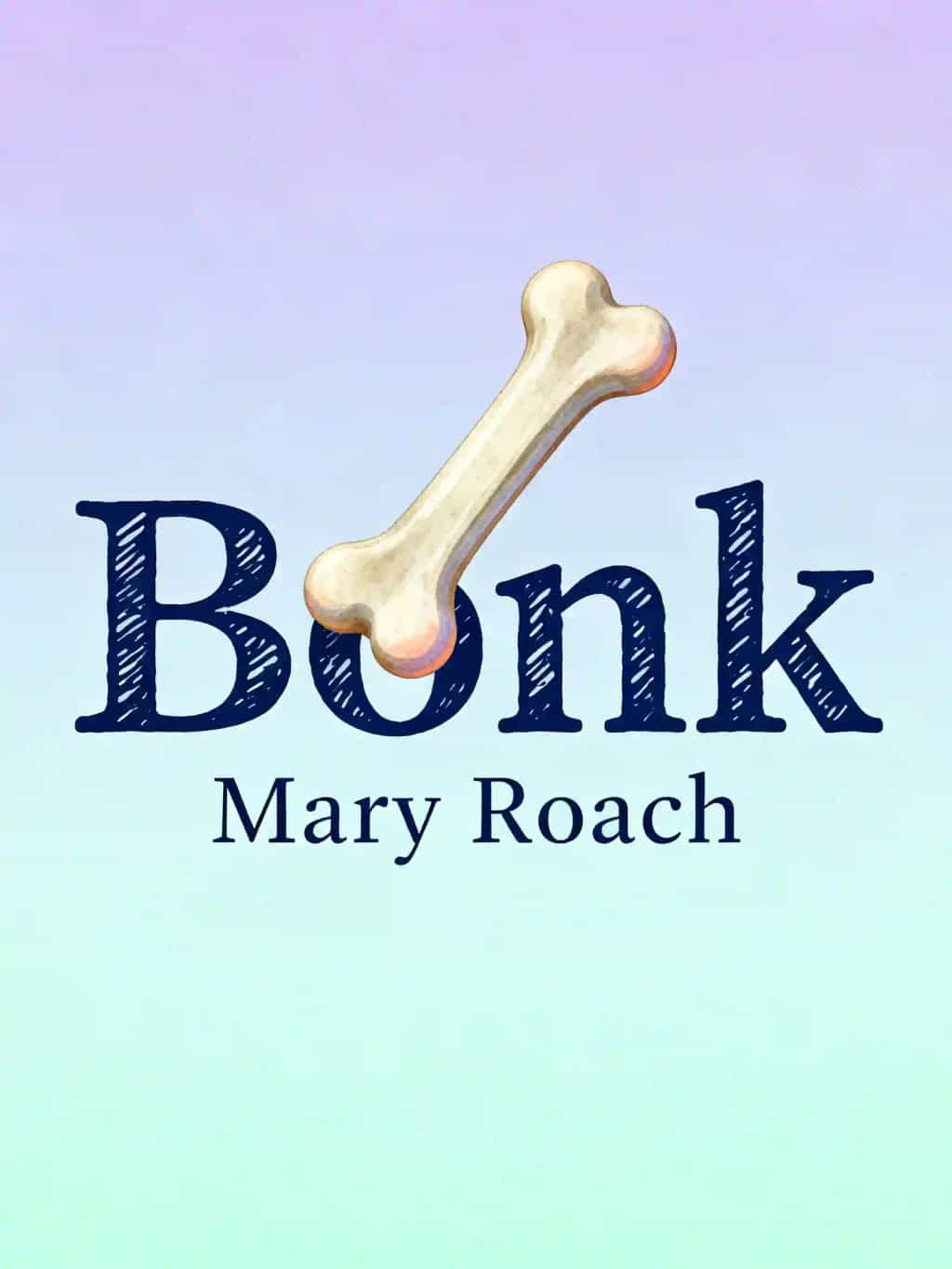
Discover the first-ever comprehensive history of self-pleasure that's challenging taboos and sparking conversations. With Dan Savage's endorsement and a 4.8/5 GoodReads rating, Dr. Sprankle's witty, science-backed exploration answers the question: why has society tried controlling our most natural impulse?
Senti il libro attraverso la voce dell'autore
Trasforma la conoscenza in spunti coinvolgenti e ricchi di esempi
Cattura le idee chiave in un lampo per un apprendimento veloce
Goditi il libro in modo divertente e coinvolgente
When Dr. John Harvey Kellogg created his bland corn flakes in the late 1800s, his mission wasn't just breakfast-it was to eradicate masturbation, which he believed caused everything from pimples to tuberculosis. His tasteless cereal was designed to dampen adolescent libidos. While this anti-masturbation crusade might seem like an amusing historical footnote, it represents just one chapter in our complicated relationship with self-pleasure. As pioneering sex educator Betty Dodson observed, sexual progress isn't linear but rather "two orgasms forward, one orgasm back." The struggle between liberation and repression continues today, with modern wellness influencers unknowingly spreading 19th-century pseudoscience claiming masturbation causes brain damage and shrinks penises. What if everything we've been taught about this most natural human behavior has been filtered through centuries of shame, moral panic, and outright lies? For most of human history, people pleasured themselves without shame. Our primate relatives and countless animal species engage in self-stimulation, though humans uniquely continue to orgasm thanks to our cerebral cortex, which enables fantasy. Early civilizations viewed masturbation neutrally, even depicting it in art and mythology. The Greeks joked that Hermes taught his frustrated son Pan to masturbate when faced with unrequited love. Everything changed with the dawn of "modern masturbation" in the early eighteenth century when an anonymous London pamphlet titled "Onania" warned that self-pleasure led to fainting, melancholy, infertility, and death. The author claimed ejaculation essentially dehydrated men to the point of mummification-a claim that launched centuries of pseudoscientific fear.
Scomponi le idee chiave di DIY in punti facili da capire per comprendere come i team innovativi creano, collaborano e crescono.
Distilla DIY in rapidi promemoria che evidenziano i principi chiave di franchezza, lavoro di squadra e resilienza creativa.

Vivi DIY attraverso narrazioni vivide che trasformano le lezioni di innovazione in momenti che ricorderai e applicherai.
Chiedi qualsiasi cosa, scegli la voce e co-crea spunti che risuonino davvero con te.

Creato da alumni della Columbia University a San Francisco
"Instead of endless scrolling, I just hit play on BeFreed. It saves me so much time."
"I never knew where to start with nonfiction—BeFreed’s book lists turned into podcasts gave me a clear path."
"Perfect balance between learning and entertainment. Finished ‘Thinking, Fast and Slow’ on my commute this week."
"Crazy how much I learned while walking the dog. BeFreed = small habits → big gains."
"Reading used to feel like a chore. Now it’s just part of my lifestyle."
"Feels effortless compared to reading. I’ve finished 6 books this month already."
"BeFreed turned my guilty doomscrolling into something that feels productive and inspiring."
"BeFreed turned my commute into learning time. 20-min podcasts are perfect for finishing books I never had time for."
"BeFreed replaced my podcast queue. Imagine Spotify for books — that’s it. 🙌"
"It is great for me to learn something from the book without reading it."
"The themed book list podcasts help me connect ideas across authors—like a guided audio journey."
"Makes me feel smarter every time before going to work"
Creato da alumni della Columbia University a San Francisco

Ottieni il riassunto di DIY in formato PDF o EPUB gratuito. Stampalo o leggilo offline quando vuoi.